
Dubai’s rental demand is maturing fast—and institutional capital is paying attention. Build-to-Rent (BTR) turns “sell once” revenue into a long-term, professionally managed income stream. For agencies, that means new mandates (lease-up, ongoing lettings, renewals), bigger clients (developers, REITs, family offices), and stickier, annuity-like work. This Property Finder guide explains how BTR differs from build-to-sell, who’s investing, how the operating models work, and what UAE compliance and tenancy mechanics mean for your day-to-day.
Before you decide whether BTR fits your strategy, it helps to pin down a simple shared definition and the implications for how agencies earn and report.
Build-to-Rent (BTR) is purpose-built housing that is designed, financed and held for long-term rent rather than for individual unit sales. In mature markets it’s recognised as an institutional residential asset class with professional management, predictable cash flows and a service-led resident experience.
Why agencies should care comes down to revenue shape and client mix. Instead of “sell once” fees, BTR creates lifecycle income: lease-up mandates at launch, ongoing lettings and renewals, resident communications, and on-site leasing desks—often on retainers with KPI-linked bonuses tied to occupancy, net effective rent and churn. The counterparties are bigger too: developer-owners pivoting to hold assets, listed and private REITs, income funds and family offices that value stable, professionally managed rental streams and reporting discipline. In the UAE, those investors are active under the country’s REIT framework, which was implemented in 2016 (SCA Decision No. 9/R.M of 2016 on Investment Funds, which supports REITs) and is overseen by the Securities and Commodities Authority.
The timing also favours BTR. Dubai continues to post strong population and employment growth, which has kept leasing demand elevated and tightened vacancy, according to recent market reads. For agencies, that translates into faster absorption at launch and steadier renewal pipelines once stabilised—provided operations are compliant and data-led. Day-to-day, that means clean tenancy workflows (Ejari registration and renewal) and clear dispute paths via the Rental Disputes Centre (RDC), which underpin professional management and investor confidence.
Put simply: BTR reframes your role from transaction broker to operating partner. There’s the potential to move from simply marketing units to helping run a resident acquisition and retention engine that owners can underwrite.
With the commercial logic clear, the next decision is operational. Who actually runs the building day to day, and which parts of that engine can your team own with confidence?

In Build-to-Rent, ownership and operations can be structured three ways. First is the owner-operator model: the developer or fund holds the asset and runs day-to-day operations with an internal team. This gives full control over service standards, pricing, brand, and data, but it also demands in-house leasing, marketing, and resident experience capability.
Second is the third-party operator model: the owner appoints a specialist to run leasing and property operations under a management agreement with clear KPIs for lease-up velocity, occupancy, net effective rent, churn, and service responsiveness.
Third is a hybrid/cluster model: central functions (pricing, marketing, finance) sit with the owner while an on-site or regional operator handles leasing and resident services across multiple buildings.
Whichever route an owner takes, agencies can own defined slices of the operating stack.
For many agencies, the question is not “do we do BTR?” but instead “which slice do we own?” The most common, high-leverage roles are:
The more you standardise these roles into repeatable packages, the easier it is for owners to underwrite your plan and for your team to execute at speed. Frame your offer around outcomes, not activities, and take full accountability for the slice you own.
Whichever operating model the owner selects, your workflows must sit on top of Dubai’s tenancy mechanics. Every lease needs clean Ejari registration and renewal, plus a clear pathway for handling disputes via the Rental Disputes Centre. That’s why documentation discipline and timeline control matter so much in BTR.
Many BTR partners package work by phase—pre-launch, lease-up, and steady state—and match fees accordingly. Some use a fixed monthly fee; others add performance components tied to milestones such as absorption, occupancy, or renewal rates. Many partners find that presenting the phases as a single playbook with clear handovers reassures owners that launch momentum converts into steady renewal performance. It helps owners see how momentum at launch translates into stable renewal performance later, regardless of the commercial model they choose.

Strong execution needs to be grounded in quality regulatory compliance. In Dubai, a few routines protect residents, owners and your team, and they also keep renewals predictable. At the heart of professional BTR operations are three routines: register every tenancy cleanly, keep documents audit-ready, and know exactly where disputes are handled.
Ejari registration and renewals. Register each tenancy in Ejari using the Unified Tenancy Contract and all Dubai Land Department required fields. Treat this as a same-day step at move-in and a scheduled task at renewal, so utility setup, deposit handling and any later dispute all have a clean record. Proper documentation and staying on top of paperwork makes everything smoother. If a disagreement does occur, you have documentation for what was communicated and hopefully keep the conversation calm and factual.
Where disputes sit. Landlord-tenant disputes are heard by the RDC, the judicial arm within Dubai Land Department. Filings and services are accessed via the RDC portal. Build workflows so notices, payment histories and inspection reports can be produced quickly if a case is filed with the RDC portal.
Jointly Owned Property (JOP) realities. In jointly owned (strata) buildings, service-charge budgets are prepared by the owners’ association manager, audited by a RERA-approved auditor, and approved by RERA. Dubai runs this through the Mollak platform, which registers the community and manager, opens the regulated bank account, issues approved service-charge invoices and provides the authorised payment rails. For leasing teams, the practical move is to brief residents early on any budgeted changes and timelines, because service-charge expectations and building OPEX often influence renewal decisions.
Data-led resident communications. Treat resident messaging like an operating routine, not ad-hoc updates. Capture explicit opt-in, show clear sender identity, and include a working opt-out in every message. Store consent proof (text, timestamp, channel, and purpose) on the resident record so it’s easy to audit when teams change. Put touchpoints on a simple timeline. For example, welcome at move-in, check-ins around maintenance or community notices, renewal outreach 90–120 days before expiry, and a lease-end wrap-up. Keep copy short and practical, mirror English/Arabic structure so key details and opt-out live in the same place, and link messages to a CRM ticket or note. Done this way, comms stay consistent, traceable, and genuinely helpful. This improves the resident experience and supports renewals.
Why this matters operationally. When Ejari is registered on time with the correct Unified Tenancy Contract details, move-ins are cleaner and renewals don’t stall. Clear familiarity with the RDC process keeps issues factual and fast if a case is raised. And early, transparent service-charge communication in JOP buildings reduces surprise costs at renewal. Build these checkpoints into your leasing and renewal Standard Operating Procedures (SOPs)—owned by a named role, reviewable on a weekly checklist—so they happen automatically and are easy to evidence if asked.
Build these checkpoints into your leasing and renewal SOPs so they run on a timetable, not on memory. That’s what keeps handovers calm, renewals predictable, and owners confident.
Disclaimer: This section provides general operational guidance only and is not legal advice. Always confirm requirements with Dubai Land Department or RERA and your legal counsel.

Once the foundations are in place, owners will judge you on outcomes. Keep your reporting tight and consistent, and anchor it to the measures investors already live in. Institutional owners keep score the same way across markets. If your reporting speaks their language, you’re more likely to win more contracts and renew them. Keep your dashboard focused on:
Lease-up velocity. Units let per week or month against target. Owners want to see a credible path to stabilisation and how marketing, pricing and staffing are moving the curve.
Occupancy and economic occupancy. Report both the headline occupancy and the “after concessions” picture so investors see true cash performance.
Net effective rent (NER). Average rent after incentives, free weeks or discounts. Track by unit type and by cohort to show mix and pricing discipline.
Renewal uplift. The percentage change achieved at renewal (and how many residents accepted it). Pair with early notice cadence and alternatives offered to retain residents with price sensitivity.
Churn and average length of stay. Show exits by reason code (job move, quality issues, price) and connect fixes back to operations.
SLA adherence. Speed-to-lead, first-response time, and time-to-booking for viewings. Include missed-SLA escalations and how they were resolved.
Resident satisfaction. Reviews and NPS by building and by month. Link common issues to actions taken (repairs, comms changes, staffing).
Framing your pack this way aligns you with how REIT-style investors in the UAE think about residential income. You’ll see these metrics in most institutional mandates because they map directly to cash flow and investor reporting.
The UAE has an active REIT framework under the federal Securities and Commodities Authority, and listed vehicles (for example, ENBD REIT on Nasdaq Dubai and Emirates REIT) publish occupancy, income and cost discipline in regular reports. That’s the standard your BTR owners will expect you to mirror in your weekly and quarterly reporting.
Finally, ground all these KPIs in Dubai’s tenancy mechanics so your numbers are auditable: clean Ejari registrations and renewals, and documentation ready if a case goes to the RDC under Dubai Land Department. When your files match the tenancy guide and RDC process, owners can underwrite your data with confidence. And when your team’s weekly dashboard mirrors an owner’s investment pack, you move from vendor to operating partner.”
Build-to-Rent in Dubai rewards agencies that operate as long-term operating partners, not one-off brokers. Define BTR clearly as purpose-built, professionally managed rental stock, then decide which slice you will own—lease-up, on-site leasing, renewals, resident communications, or reporting—and package it into a repeatable playbook. Tie every workflow to Dubai Land Department processes so the basics run on rails: clean Ejari registration and renewals, clear pathways via the Rental Disputes Centre, and transparent service-charge communication in jointly owned properties. Report the metrics owners actually buy: lease-up velocity, occupancy and economic occupancy, net effective rent, renewal uplift, churn and length of stay, SLA adherence, and resident satisfaction. Keep your reporting consistent week to week. Get those disciplines right and BTR becomes stable, repeatable revenue with the operational polish institutional investors expect in Dubai.

Green-certified homes are becoming a true differentiator in Dubai—especially for international buyers with ESG priorities. Learn how Al Sa’fat, LEED, and BREEAM certifications translate into measurable value (lower operating costs,...
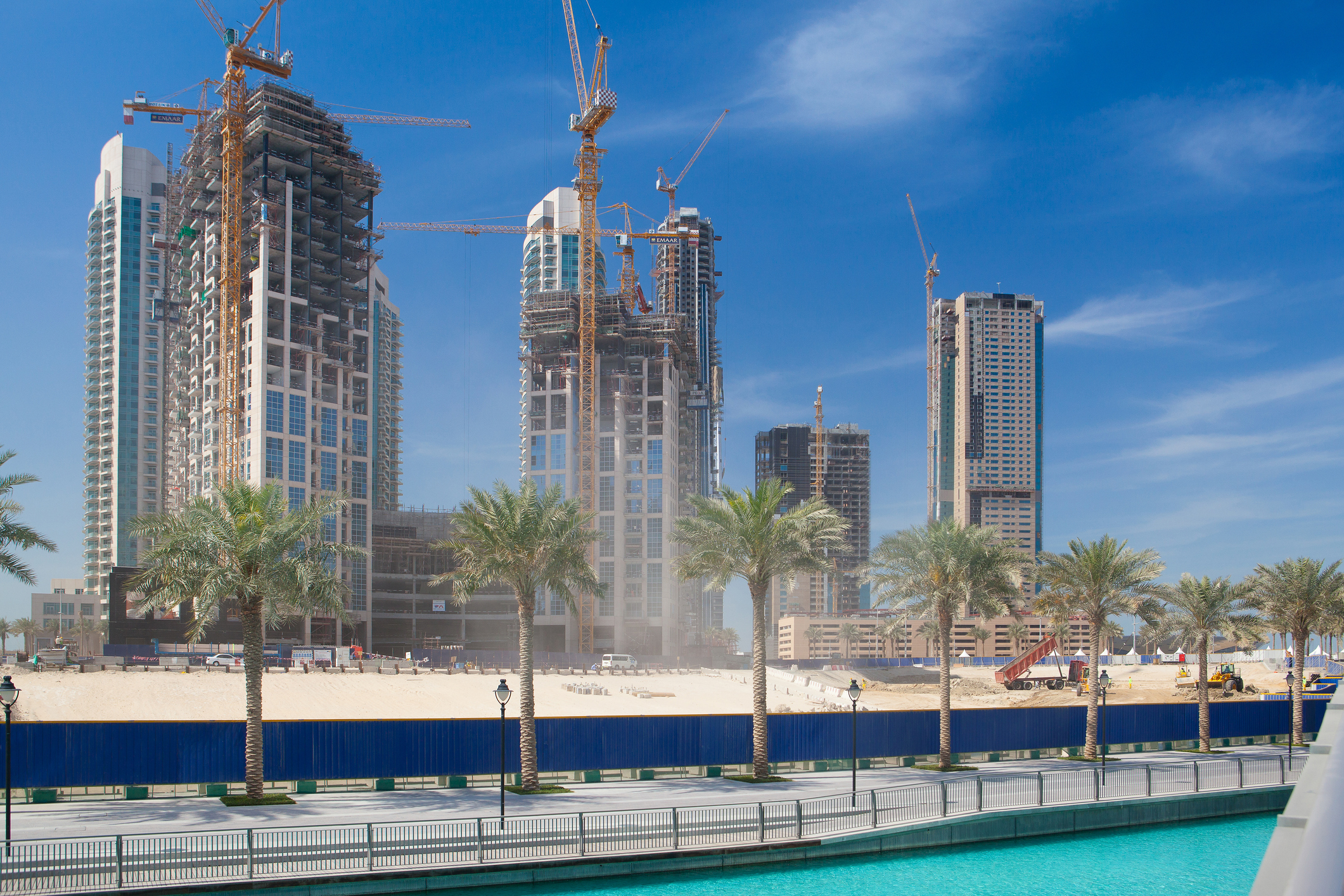
In Dubai’s off-plan market, Oqood is the legal milestone that turns a signed sales agreement into a protected buyer right. This practical guide explains what Oqood is, why it matters,...
In Dubai’s competitive off-plan market, trust is the real differentiator. In this article, Khaled El Sherif, Founder & CEO of K Estates, breaks down the strategies top brokers use to...
Owner looking to sell or rent? Browse more than 3,500 verified agents ready to partner with you on your property journey.
Find an Agent
