



Hag Al Laila is one of the UAE’s most cherished cultural traditions, marking a joyful moment in the Islamic calendar just before Ramadan. Celebrated mainly by children and families, the night is filled with songs, sweets, and neighbourhood gatherings that reflect Emirati values of generosity, community, and togetherness.
Observed across the UAE, and in different forms across the Gulf, Hag Al Laila remains a meaningful way to pass cultural heritage from one generation to the next.
- What Is Hag Al Laila?
- Origins and Cultural Significance
- When Is Hag Al Laila in 2026?
- Traditions and How They’re Celebrated
- Why Hag Al Laila Still Matters Today
- Where to Celebrate Hag Al Laila in the UAE
- Modern Hag Al Laila Celebrations in the UAE
- How Hag Al Laila Is Experienced Across the UAE
- Tips for Parents Planning Hag Al Laila
- Tips for Children Taking Part
- Key Takeaways
- FAQs
What Is Hag Al Laila?
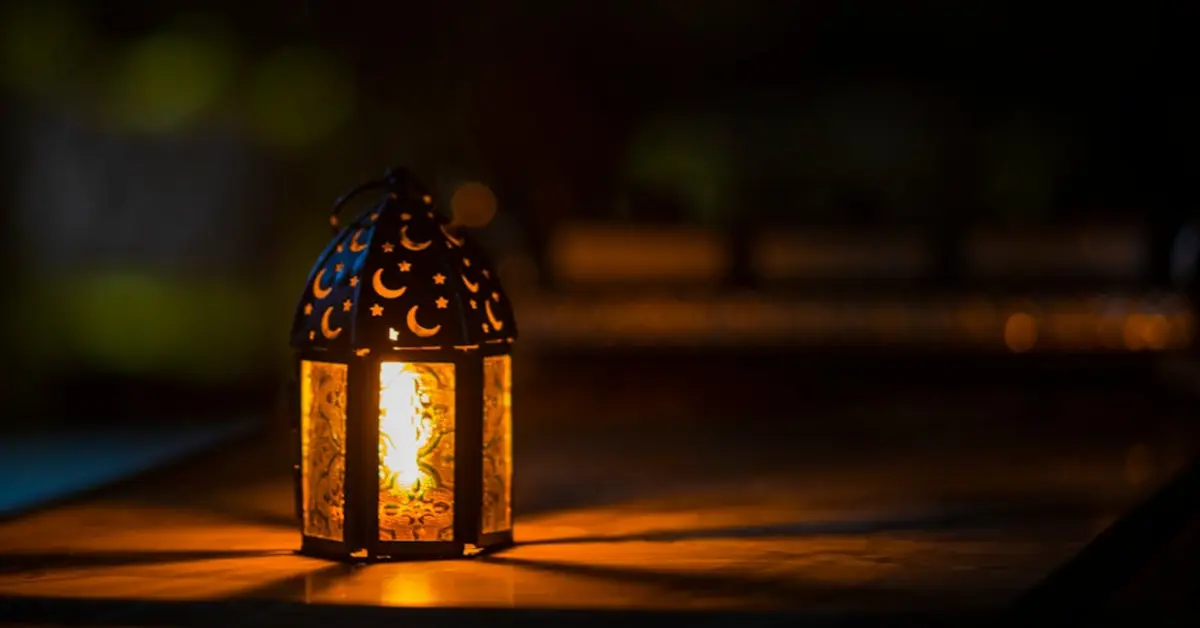
Hag Al Laila (also written as Haqq Al Laila), meaning “for this night,” is a traditional Emirati celebration held on the 15th night of Sha‘ban, the lunar month preceding Ramadan. The evening centres on children visiting nearby homes, singing traditional chants, and receiving sweets, nuts, or small gifts from neighbours.
Although it follows the Islamic calendar, Hag Al Laila is linked to the Emirati culture and heritage rather than religion. Its focus is on kindness, sharing, and preparing families, especially children, for the spirit of Ramadan.
Across the Gulf, similar customs are known by different names, including Gergaoon, Garangao, and Qargan, each reflecting local traditions while sharing the same core values.
Origins and Cultural Significance
Hag Al Laila celebration has been observed in Emirati households for generations, long before large public events became common. Traditionally, it was a neighbourhood-based occasion where families knew one another well, and children could safely move from house to house.
At its heart, the celebration reinforces:
- Generosity through giving without expectation
- Community bonds between neighbours and families
- Cultural continuity, teaching children Emirati customs
- Preparation for Ramadan, a month of reflection and giving
While the format has evolved, the values behind the tradition remain unchanged.
When Is Hag Al Laila in 2026?
As with all lunar-calendar events, the final date depends on moon sighting, so official confirmation usually comes a few days in advance.
- Hijri date: 15 Sha‘ban 1447 AH
- Expected Gregorian date: Evening of Friday, 30 January 2026
Public events may be scheduled on the same evening or across the surrounding weekend.
Traditions and How They’re Celebrated
Hag Al Laila is celebrated through a mix of simple rituals that centre on children, family, and community. While the details may vary slightly from one neighbourhood to another, the core of the celebration remains the same: sharing, togetherness, and passing traditions from one generation to the next.
Children, Songs, and Sweets
Children typically dress in traditional Emirati clothing, girls in colourful embroidered dresses and boys in kanduras, and carry woven or fabric bags (often called khareetah) to collect treats.
As they visit homes, they sing well-known chants such as:
- “Atoona Hag Al Laila,” which translates to “Give us sweets for this night”
- “Atoona Allah yaa’teekoum bet Makah yewadeekoum,” which translates to “Give to us and God will give back to you, so you may visit Makkah”
- Traditional verses wishing blessings and prosperity on the household
In return, neighbours offer sweets, dates, nuts, or small gifts.
Home Decorations and Family Gatherings
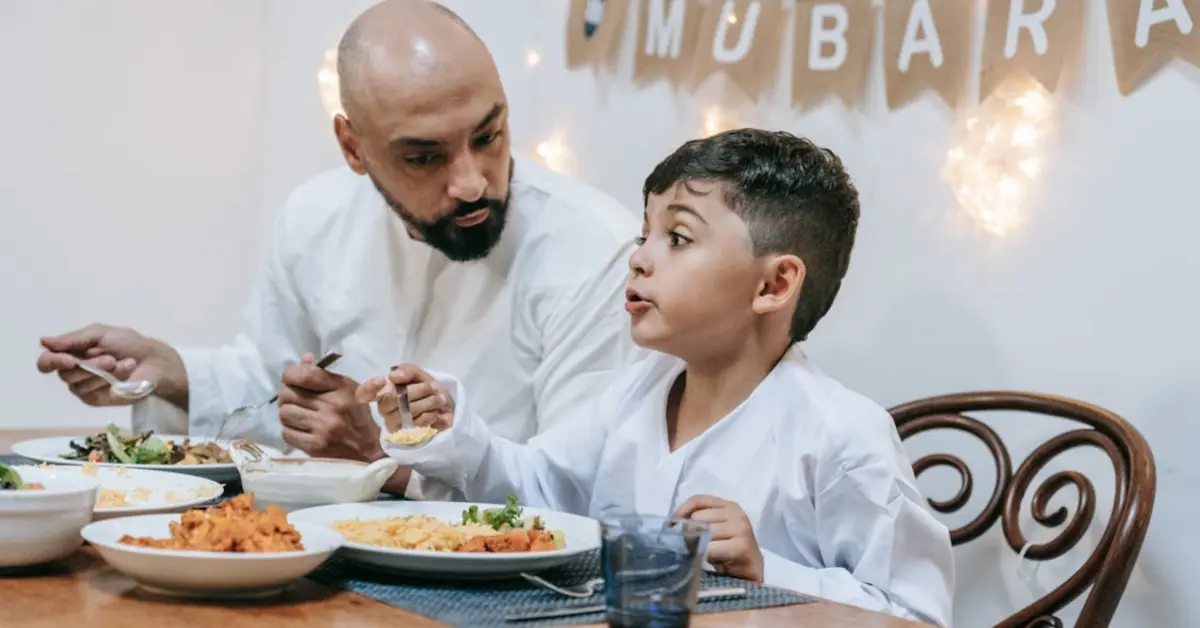
Many families mark Hag Al Laila by creating a welcoming atmosphere at home, often referred to collectively as Haq Al Laila decorations, which reflect Emirati hospitality rather than elaborate displays. Lanterns, palm-frond elements, woven baskets, and majlis-style seating are commonly used, reflecting the same understated, seasonal approach many UAE households adopt when preparing their homes ahead of Ramadan.
Tables are usually set with traditional snacks such as luqaimat, dates, and mixed nuts. Once children return home, families typically gather to share food, exchange stories, and enjoy a relaxed evening together.
For many households, this quiet family time is just as meaningful as the earlier door-to-door celebrations, helping ease the transition into the reflective spirit of Ramadan.
Why Hag Al Laila Still Matters Today
Hag Al Laila remains an important part of Emirati culture because it connects family life with shared social values. While the celebration is joyful and centred around children, it also reinforces generosity, neighbourly bonds, and respect for tradition.
In a fast-growing, multicultural society, Hag Al Laila also serves as a bridge between generations. Older family members pass down songs, customs, and stories, while children experience Emirati cultural heritage in a joyful rather than formal way. This balance is one reason the tradition has endured, even as celebrations have expanded beyond homes into schools, malls, and public venues.
For many families, Hag Al Laila also marks an emotional transition. It signals that Ramadan is approaching, a period associated with reflection, charity, and togetherness, making the celebration both festive and meaningful.
Where to Celebrate: Events and Public Gatherings
Alongside neighbourhood celebrations, Hag Al Laila is also marked through public events across Dubai and Sharjah, where families can enjoy organised activities, performances, and sweet distributions in a festive setting.
Major Events in Dubai and Sharjah
Alongside neighbourhood celebrations, several public venues in Dubai and Sharjah regularly host organised Hag Al Laila events. These typically include cultural performances, children’s activities, and heritage-themed markets. Dates and admission details are usually confirmed closer to mid-Sha‘ban.
| Venue | Event Name | Expected Date | What to Expect | Admission Notes |
|---|---|---|---|---|
| Al Wasl Plaza | Harvest Festival – Hag Al Laila | Saturday, 31 January 2026 (4:00 PM–10:00 PM)* | Cultural workshops, children’s games, live music, sweets, heritage-style market stalls | AED 50 |
| Global Village | Hag Al Laila Celebration (Main Stage & Dragon Lake) | Mid-Sha‘ban | Traditional performances, sweets distribution, heritage décor, and children’s activities | Global Village general entry AED 30 |
| Sahara Centre | Celebrate Hag Al Laila at Sahara Centre | Around Mid-Sha‘ban | Family-friendly heritage activities, cultural stalls, sweets and giveaways | Often free; some workshops may have limited capacity |
| Sharjah Fort | Hag Al Laila Heritage Event | Around Mid-Sha‘ban | Traditional games, folk performances, and community gatherings in a historic setting | Public cultural event; timed entry possible |
Note: Dates are based on current projections and past editions. Final confirmation depends on moon sighting and official announcements.
Community and Neighbourhood Celebrations
Despite public events, the heart of Hag Al Laila remains local. Many Emirati neighbourhoods still observe the tradition informally, with children visiting nearby homes in the early evening.
Schools, universities, and cultural centres may also recreate traditional fereej settings, offering crafts, songs, and educational activities for children.
Modern Hag Al Laila Celebrations in the UAE
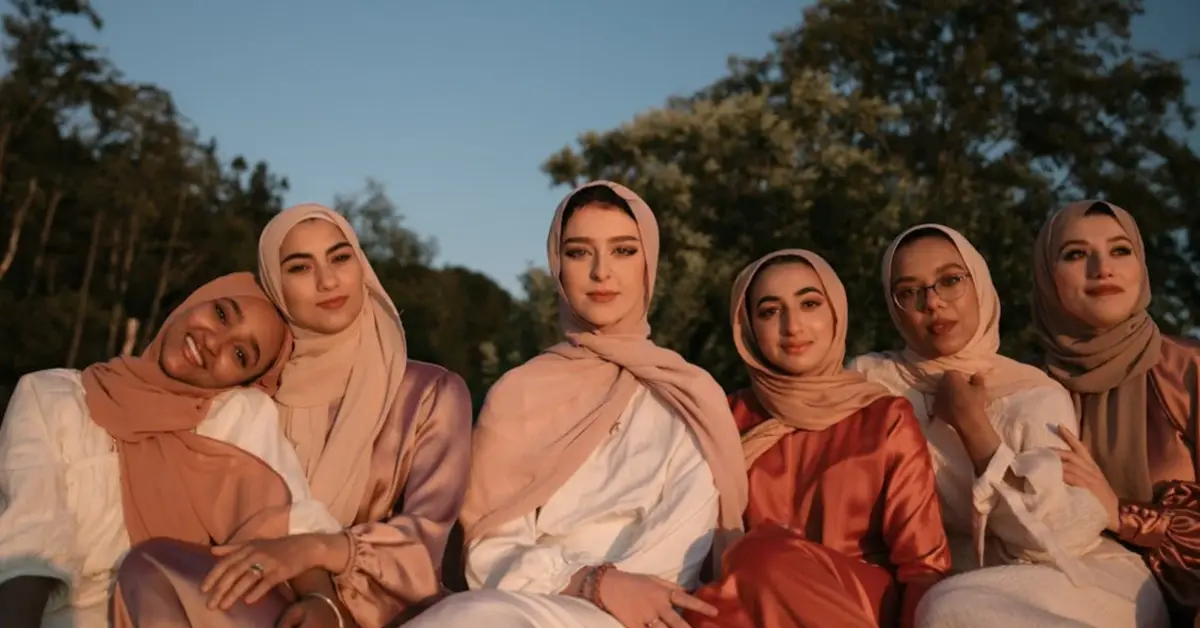
While Hag Al Laila began as a neighbourhood tradition, celebrations today reflect the UAE’s evolving urban lifestyle. Schools, malls, cultural centres, and heritage sites now host organised events that recreate the feel of a traditional fereej (neighbourhood).
These modern celebrations often include:
- Craft workshops and storytelling sessions for children
- Traditional music and folk performances
- Sweet-making demonstrations and heritage stalls
- Educational activities explaining the Haq Al Laila meaning and tradition
How Hag Al Laila Is Experienced Across the UAE
While Hag Al Laila follows the same core traditions nationwide, its experience can vary by location and community structure. In smaller neighbourhoods, the celebration often feels intimate and familiar, with children visiting homes they know well.
In larger urban areas, organised events and school-led activities play a bigger role, helping families recreate the tradition in shared spaces.
Both formats reflect how Emirati customs adapt naturally to modern living, ensuring Hag Al Laila remains accessible, meaningful, and rooted in everyday community life across the UAE.
Tips for Parents Celebrating Hag Al Laila
For parents, a little preparation goes a long way in making Hag Al Laila enjoyable and stress-free. Whether celebrating at home, in the neighbourhood, or at a public event, planning ahead helps children focus on the experience rather than logistics.
Helpful tips for parents include:
- Prepare sweets and small gifts in advance, keeping portions modest and clearly packaged
- Be mindful of allergies by offering nut-free options where possible
- Agree on timing with neighbours so children can participate safely and comfortably
- Encourage children to greet politely, wait their turn, and say thank you
- Dress children in comfortable traditional clothing suitable for walking
Parents attending public events may also want to arrive earlier in the evening, as popular venues can become busy as night falls. Keeping celebrations simple and age-appropriate helps children enjoy the night without becoming overwhelmed.
Tips for Children Taking Part in Hag Al Laila
Hag Al Laila is often a child’s favourite night of the year, but it also teaches important social values. Understanding a few basic guidelines helps children enjoy the celebration while showing respect to neighbours and the community.
Children are usually encouraged to:
- Walk in groups and stay with friends or family
- Sing traditional songs clearly and politely
- Accept treats with both hands and thank the giver
- Avoid rushing or pushing when visiting homes
- Share treats fairly once they return home
Parents often use the occasion to reinforce lessons about patience, kindness, and gratitude, values that align closely with the spirit of Ramadan.
Key Takeaways
Hag Al Laila is a long-standing Emirati tradition celebrated on the night of 15 Sha‘ban, just before Ramadan. It focuses on generosity, community spirit, and passing cultural values to children through songs, sweets, and shared experiences.
In 2026, the celebration is expected on the evening of 30 January, with both neighbourhood-level activities and organised public events across the UAE. Whether celebrated at home or in cultural venues, Hag Al Laila remains a meaningful reminder of togetherness ahead of Ramadan.
FAQs
No. It is a cultural tradition linked to the Islamic calendar but not a religious obligation.
Yes. Many residents take part by handing out sweets or attending public celebrations with their children.
Some venues are expected to host events, but confirmations usually come closer to the date.
Check announcements from local authorities, mosques, or official cultural organisations a few days before mid-Sha‘ban.
Singing traditional songs, collecting sweets, wearing traditional clothing, and joining family or community activities.