
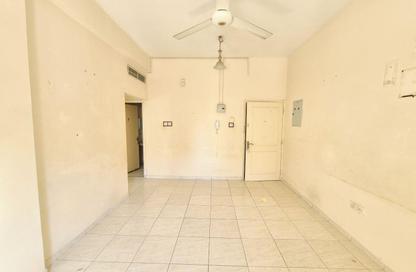
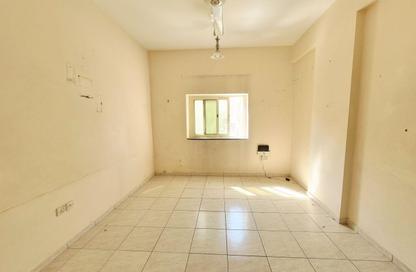
Apartment
30,000 yearly
Road Side | 1BHK for Family | Fire Station road

Fire Station Road, Muwaileh, Sharjah
1
1
850 sqft
Apartment
30,000 yearly
Fire Station Road, Muwaileh, Sharjah
1
1
850 sqft
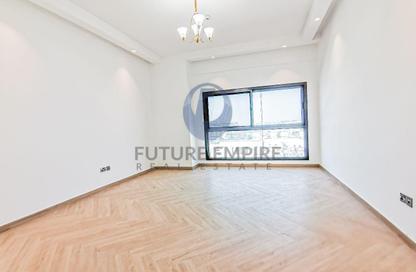


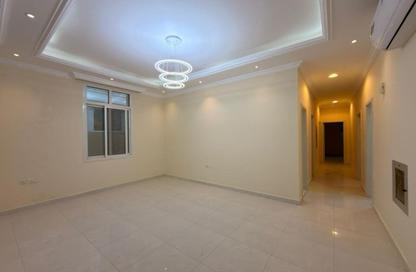
Apartment
85,000 yearly

Al Hudaiba Mall, Al Hudaiba, Bur Dubai, Dubai
1
2
1,126 sqft
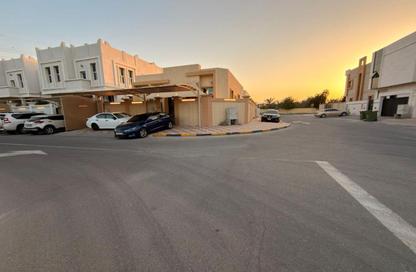

Villa
80,000 yearly
Premium

Al Amira Village, Al Yasmeen, Ajman
4
7
3,014 sqft


Apartment
30,000 yearly
Fire Station Road, Muwaileh, Sharjah
1
1
840 sqft

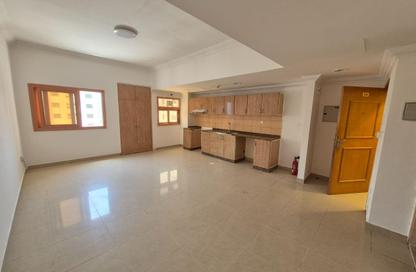
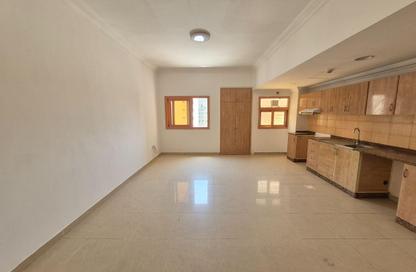
Apartment
24,000 yearly
Fire Station Road, Muwaileh, Sharjah
studio
1
530 sqft


Apartment
34,000 yearly

BOS Al Khan Tower, Al Khan, Sharjah
1
2
1,010 sqft

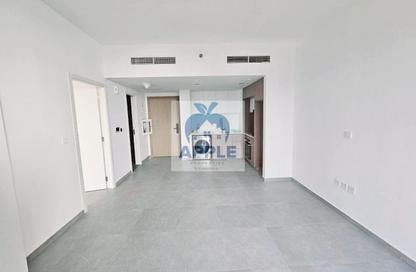

Apartment
60,000 yearly

The Boulevard 1, Aljada, Sharjah
1
2
860 sqft

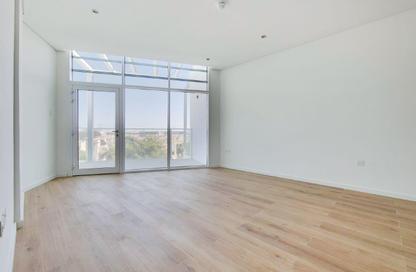
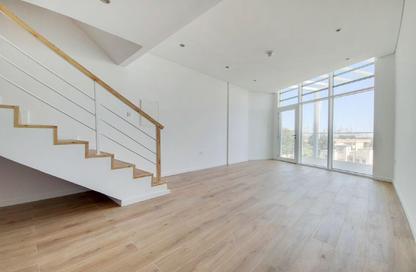
Apartment
95,000 yearly
Premium

Ice by Stree, District 3, Jumeirah Village Triangle, Dubai
1
2
1,064 sqft
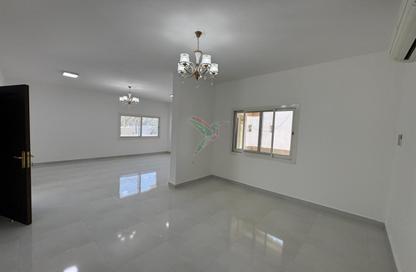
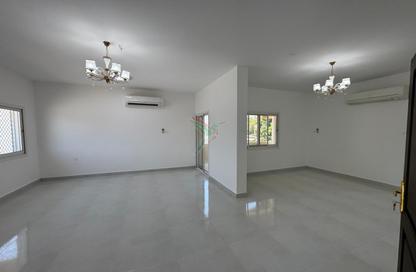
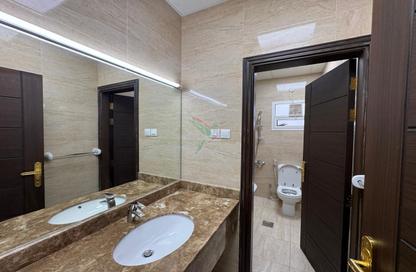
Apartment
80,000 yearly

Al Ameriya, Al Jimi, Al Ain
3
3
1,980 sqft
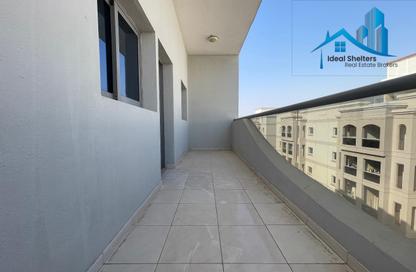

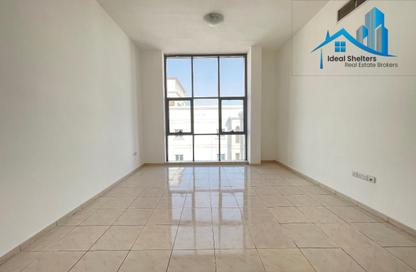
Apartment
58,000 yearly

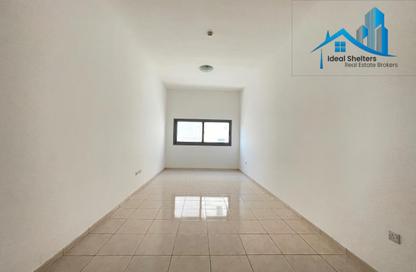
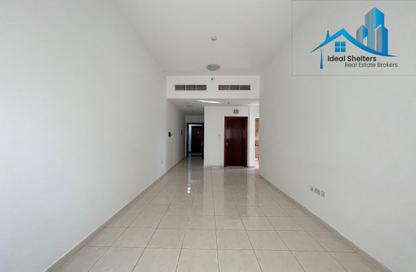
Raf Raf Building, Al Muhaisnah 4, Al Muhaisnah, Dubai
2
2
732 sqft
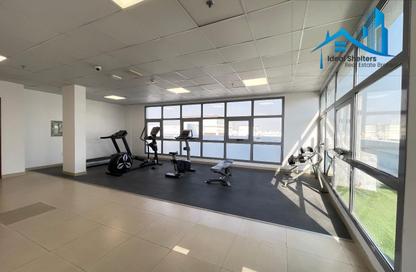
Apartment
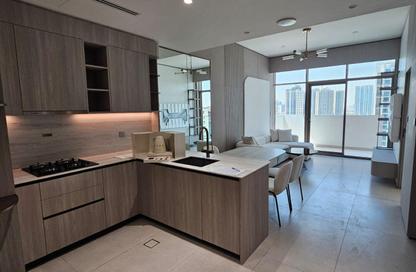
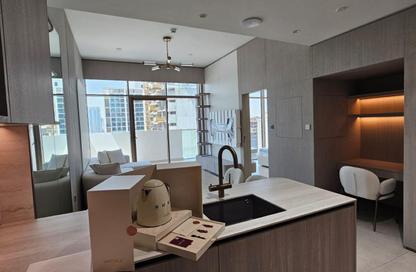
48,000 yearly
Al Mashroom 5, Al Muhaisnah 4, Al Muhaisnah, Dubai
1
2
721 sqft

Apartment
78,000 yearly
Featured
Pearl House III, District 11, Jumeirah Village Circle, Dubai
1
2
674 sqft
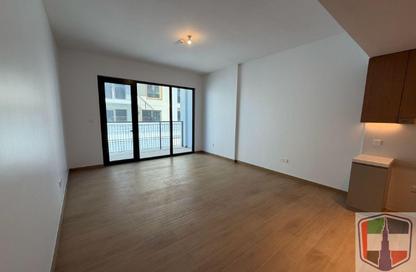

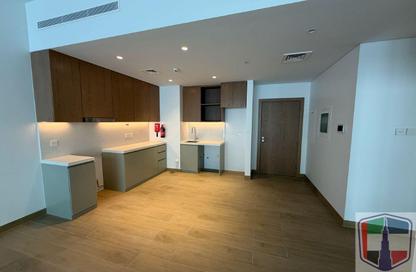
Apartment
99,900 yearly

Le Ciel 2, Le Ciel, Port de La Mer, La Mer, Jumeirah, Dubai
1
1
800 sqft


Apartment
45,999 yearly
Premium

Souks Residential, Al Mamsha, Muwaileh, Sharjah
1
2
702 sqft


Apartment
40,000 yearly
Featured

Elite Sports Residence 10, Elite Sports Residence, Dubai Sports City, Dubai
studio
1
453 sqft


Apartment
42,999 yearly
Souks Residential, Al Mamsha, Muwaileh, Sharjah
1
1
780 sqft


Apartment
45,999 yearly
Souks Residential, Al Mamsha, Muwaileh, Sharjah
1
2
875 sqft


Apartment
44,999 yearly
Souks Residential, Al Mamsha, Muwaileh, Sharjah
1
1
765 sqft


Apartment
43,999 yearly
Featured
Souks Residential, Al Mamsha, Muwaileh, Sharjah
1
1
750 sqft


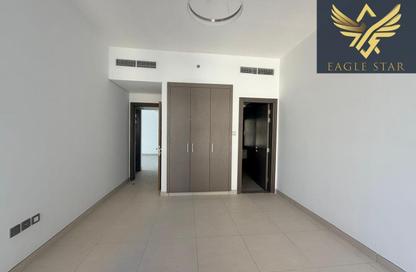
Apartment
75,000 yearly
Al Habbai 5, Jumeirah Garden City, Al Satwa, Dubai
1
2
751 sqft


Villa
210,000 yearly
Featured

Al Khalidiya, Abu Dhabi
3
4
4,600 sqft
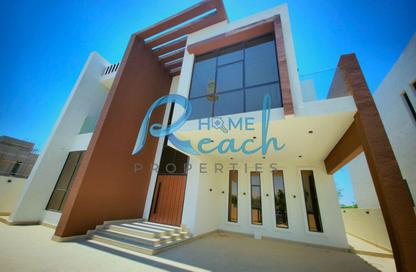
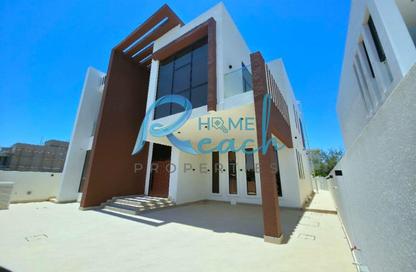
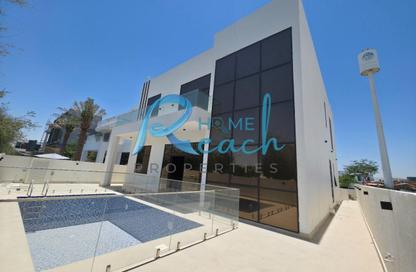
Villa
399,000 yearly
Featured

Lea, Yas Acres, Yas Island, Abu Dhabi
5
6
5,800 sqft
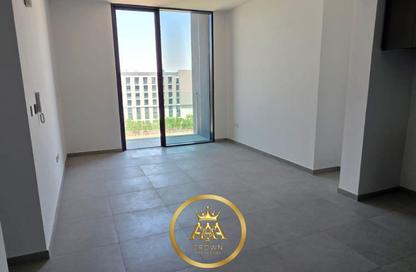


Apartment
95,000 yearly
Premium

Tiraz, Naseej District, Aljada, Sharjah
2
3
1,358 sqft

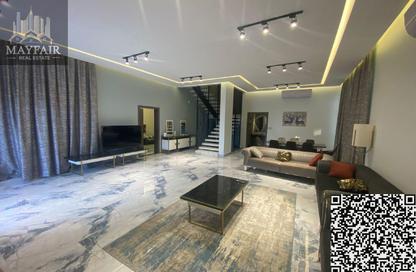
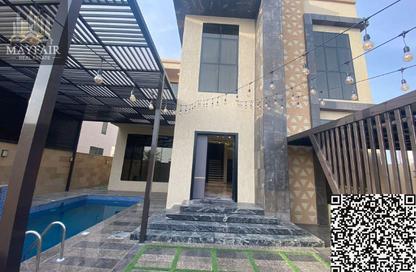
Villa
150,000 yearly

Ajman Global City, Al Alia, Ajman
3
5
3,400 sqft


Apartment
59,999 yearly
Premium

Al Taawun Street, Al Taawun, Sharjah
3
4
2,200 sqft
The United Arab Emirates has become a residential destination of choice, with roughly 70% of the population opting to lease rather than purchase homes. This strong rental culture reflects a market shaped by diversity—offering everything from sleek skyscrapers overlooking Dubai's skyline to peaceful waterfront neighborhoods in Abu Dhabi and more affordable options scattered across the Northern Emirates.
When choosing where to rent property in the UAE, most residents weigh factors like work location against personal lifestyle goals, though the nation's excellent road network means cross-emirate commuting remains entirely practical.
Dubai attracts those drawn to urban energy and upscale living, while Abu Dhabi tends to appeal to families and long-term residents who value space and a slower rhythm. Meanwhile, Sharjah, Ajman, and Ras Al Khaimah have carved out reputations as smart choices for anyone wanting more square footage without the premium price tags attached to the bigger cities.
Real estate in the UAE continues to evolve with shifting tenant needs and economic conditions. Properties typically measure around 1,200 sq ft on average, though luxury estates and penthouses can stretch well beyond 4,000 sq ft. Nationally, annual rent sits at approximately AED 207,000, equivalent to 5,388,526 INR and 41,837 GBP, but this figure shifts considerably depending on where you're looking and what type of home you're after.
Dubai's rental landscape remains dynamic, with yearly costs averaging AED 283,000, 7,366,922 INR, and 57,198 GBP across the emirate. Downtown Dubai—often considered the city's epicenter—sees studios going for around AED 87,000, 2,264,743 INR, and 17,583 GBP; one-bedroom flats for AED 132,000, 3,436,161 INR, and 26,679 GBP; and three-bedroom units hitting AED 338,000, 8,798,657 INR, and 68,314 GBP. Over in Dubai Marina, waterfront addresses command about AED 110,000, 2,863,468 INR, and 22,232 GBP for a 1-bedroom apartment for rent in Dubai Marina and AED 162,000, 4,217,107 INR, and 32,742 GBP for two bedrooms. For more affordable options, Jumeirah Village Circle stands out with studios at 48,000 AED, 1,249,513 INR, and 9,700 GBP and two-bedroom homes at 110,000 AED, 2,863,468 INR, and 22,232 GBP. Villa seekers will find 3-bedroom villas for rent in Arabian Ranches at about 298,000 AED, 7,757,395 INR, and 60,229 GBP, while five-bedroom villas can reach 480,000 AED, 12,495,134 INR, and 97,014 GBP.
The capital typically delivers more generous floor plans, with average annual costs around 205,000 AED, 5,336,463 INR, and 41,433 GBP. 1-bedroom apartments for rent in Abu Dhabi usually fall between 900 and 1,100 sq ft and rent for about 85,000 AED, 2,212,680 INR, and 17,180 GBP annually. Three-bedroom units often exceed 2,000 sq ft and cost around 175,000 AED, 455,517 INR, and 35,369 GBP. Family villas for rent in Abu Dhabi with three to seven bedrooms average around 205,000 AED, 5,336,463 INR, and 41,433 GBP per year.
Sharjah and Ras Al Khaimah remain popular for those prioritizing value. Sharjah's average yearly rent hovers around 80,000 AED, 2,082,522 INR, and 16,169 GBP, with some flats for rent in Sharjah available for as little as 10,500 AED, 273,331 INR, and 2,122 GBP annually. In Ras Al Khaimah, the average sits at 101,000 AED, 2,629,184 INR, and 20,413 GBP—well below the national figure. Ajman consistently ranks as the most economical choice, with five-bedroom villas for rent in Ajman in neighborhoods like Al Amerah going for roughly 110,000 AED, 2,863,468 INR, and 22,232 GBP.
Understanding what you'll get for your dirham when you rent real estate in the UAE helps narrow down your search. Here's how pricing breaks down by emirate and property type.
Compare annual rent ranges, price per sq ft, and rental yields across all emirates, ranked by affordability.
| # | Emirate | Apartment / yr (AED) | Villa / yr (AED) | Price per sq ft | Apt yield | Best for |
|---|---|---|---|---|---|---|
| 1 | Ajman: Cheapest overall | AED 33,000 – 41,000 AED 30 / sq ft (apt) | AED 98,000 – 110,000 AED 22 / sq ft (villa) | AED 30 (apt) AED 22 (villa) | 6.05% – 8.72% | Budget-conscious expats; those working in Sharjah or northern Dubai |
| 2 | Sharjah: Affordable | AED 33,000 – 47,000 AED 34 / sq ft (apt) | AED 68,000 – 194,000 AED 24 / sq ft (villa) | AED 34 (apt) AED 24 (villa) | 3.73% – 7.10% | Dubai commuters; families wanting more space at lower cost |
| 3 | Ras Al Khaimah: Affordable | AED 45,000 – 86,000 | AED 119,000 – 318,000 | — | 3.06% – 11.79% | Those employed within RAK; remote and hybrid workers |
| 4 | Abu Dhabi: Mid-range | AED 44,000 – 167,000 e.g. MBZ City from AED 33,000 | AED 139,000 – 589,000 | — | 2.39% – 9.35% | Families seeking space, stable pricing and larger layouts |
| 5 | Dubai: Premium | AED 53,000 – 224,000 e.g. JVC from AED 39,600 | AED 119,000 – 517,000 | — | 4.05% – 7.57% | Professionals wanting access to the main commercial hub |
Note: Fujairah and Umm Al Quwain are also low-cost emirates but are most practical for those employed locally, as daily commutes to Dubai or Abu Dhabi are generally not viable. Annual rent figures span both affordable and luxury segments.
Choosing the right neighborhood to rent in the UAE often comes down to matching community character with personal priorities. Each area brings something distinct to the table.
Dubai Marina
Young professionals gravitate toward this waterfront district for its pedestrian-friendly promenades and high-rise living. The Marina Walk buzzes with cafes and shops, creating an urban resort atmosphere.
Jumeirah Village Circle (JVC)
This mid-market favorite earns praise for its landscaped parks and well-maintained low-rise buildings. Families appreciate the suburban feel paired with reasonable pricing, while the pet-friendly spaces add extra appeal.
Al Barsha
Split into sub-communities (Al Barsha 1, 2, and South), this area suits anyone wanting quick access to major retail like Mall of the Emirates. The mix of apartments and townhouses attracts diverse residents.
Arabian Ranches
Developed by Emaar, this gated villa community offers private gardens and a retreat from city noise. The tree-lined streets and family-oriented amenities make it popular with long-term residents.
Al Reem Island
Waterfront towers dominate this area. 2-bedroom apartments for rent on Al Reem Island average AED 109,000, drawing professionals who want short commutes and sea views.
Khalifa City
Families often choose this quiet suburb for its proximity to international schools and Zayed International Airport. The tree-lined streets and spacious villas create a residential feel.
Saadiyat Island
Premium living near cultural landmarks like Louvre Abu Dhabi defines this island community. One-bedroom apartments go for about AED 94,000, appealing to culture enthusiasts and beach lovers.
Yas Island
Theme parks and entertainment venues anchor this lifestyle destination. The mix of townhouses and apartments for rent in Yas Island suits those who want leisure activities on their doorstep.
Al Nahda, Sharjah
Positioned right on the Dubai border, this area attracts commuters seeking lower rent without sacrificing convenience. The mix of older and newer buildings offers options across price points.
Al Marjan Island, RAK
This man-made island delivers resort-style beachfront living through apartments and duplexes. The relaxed pace appeals to those escaping busier emirates.
Ajman Corniche
Coastal villas and apartments with ocean views come at competitive rates here. The waterfront promenade and relaxed vibe suit families and bachelors alike.
Renting property in the UAE follows established procedures that protect both landlords and tenants. Traditionally, landlords request post-dated cheques covering quarterly or semi-annual payments. However, payment flexibility has been increasing across the market.
A notable change is coming by mid-2026, when Property Finder will roll out monthly rent installment technology through its partnership with Keyper. This shift aims to ease cash flow pressure on households by aligning rent payments with monthly income cycles.
Many landlords offer discounts for tenants willing to pay the full year upfront in a single cheque. It's worth comparing the total annual cost under different payment structures before committing. Remember that tenancy contracts must be registered through official channels, Ejari in Dubai, Tawtheeq in Abu Dhabi, or municipal portals in other emirates, to activate utilities and secure legal protections.
When searching for properties for rent in the UAE, the tenancy registration process differs depending on the emirate. In Dubai, all rental agreements must be registered through Ejari, a system introduced by the Dubai Land Department to ensure transparency and legal enforcement of tenancy contracts. In Abu Dhabi, the equivalent system is Tawtheeq, introduced in 2011 to maintain an official register of attested lease agreements.
While both systems protect the rights of landlords and tenants and help regulate the rental market, a key difference is that Ejari can be registered by either the tenant or the landlord, whereas Tawtheeq registration can only be completed by the landlord or property management company. Both registrations are also required for utility connections, with Ejari needed for DEWA in Dubai and Tawtheeq for ADDC in Abu Dhabi. Whether you're renting in Dubai or the capital, ensuring your tenancy contract is properly registered is an essential step in securing your home. Learn more in our Ejari vs Tawtheeq guide.
Renting a property in the UAE means getting access to world-class facilities that support both daily routines and special occasions.
The education landscape includes institutions offering British, American, IB, and other international curricula, giving families considerable choice in their children's academic path.
Major retail destinations blend international brands with dining and entertainment under one roof.
Modern medical facilities staffed by internationally trained professionals serve residents across all emirates.
Community gyms, outdoor spaces, and specialized studios cater to active lifestyles.
The UAE's geography connects seven emirates through one of the region's most efficient highway systems. The E11 serves as the primary arterial road linking communities from Ras Al Khaimah to Abu Dhabi.
Public Transit
Dubai operates an extensive metro and tram network covering major residential and commercial zones. Abu Dhabi and the Northern Emirates rely more heavily on bus networks and taxi services, though these remain reliable and affordable.
Commute Patterns
Cross-emirate living and working arrangements are common. Sharjah to Dubai typically takes 30 minutes outside peak hours, while the Abu Dhabi to Dubai journey runs about 90 minutes. Most residential areas sit within 20-30 minutes of either Zayed International Airport or Dubai International Airport.
Road Network
Sheikh Zayed Road, Al Khail Road, and Emirates Road form the backbone of daily commuting. These multi-lane highways maintain high standards, though rush hour congestion between 7-9 AM and 5-7 PM remains a consideration for those commuting between emirates.
Ajman is the most affordable emirate for renting in the UAE. Apartments average AED 30 per square foot and villas AED 22 per square foot, significantly cheaper than neighbouring emirates. A studio for rent in Ajman can cost as little as AED 15,000, 390,472 INR and 3,030 GBP per year, while a 5-bedroom villa averages around AED 110,000, 2,863,468 INR, and 22,232 GBP. Ras Al Khaimah, Fujairah and Umm Al Quwain are similarly low-cost, though Fujairah and Umm Al Quwain are only practical if you work locally, as daily commuting to Dubai or Abu Dhabi makes the savings less worthwhile.
Both are government systems for registering tenancy contracts — they legally protect landlords and tenants and are required before you can connect utility services. Ejari is used in Dubai, managed by the Dubai Land Department, and can be registered by either the landlord or the tenant. It is required for DEWA connection. Tawtheeq is used in Abu Dhabi and can only be registered by the landlord or property management company. It is required for ADDC connection.
You will typically need a valid UAE residence visa, your Emirates ID, a copy of your passport including the visa page, post-dated cheques for the full rental period, and a security deposit cheque, usually 5% of annual rent for unfurnished units and 10% for furnished. Some landlords or agents may also ask for a salary certificate or proof of income. To register the tenancy contract with the relevant authority, you will also need the landlord's passport copy and title deed.
The market spans from highly affordable to ultra-luxury. Northern Emirates like Sharjah and Ajman offer the most economical options, while prime Dubai and Abu Dhabi locations command premium prices. Mid-market neighborhoods provide solid value for those seeking balance between cost and amenities.
Both furnished and unfurnished options exist across all price points. Furnished units typically cost 10-15% more annually but eliminate the need for immediate furniture purchases. Many landlords in newer developments offer semi-furnished options with kitchen appliances and built-in wardrobes.
Pet policies vary by building and landlord. Many newer communities, particularly in Dubai, advertise themselves as pet-friendly with designated parks and walking areas. Always confirm pet allowances in writing before signing a tenancy contract, as some buildings restrict certain breeds or sizes.
Commute times depend heavily on your route and schedule. Within the same emirate, most journeys run 20-40 minutes outside peak hours. Cross-emirate commutes range from 30 minutes (Sharjah to Dubai) to 90 minutes (Abu Dhabi to Dubai). Metro access in Dubai significantly reduces commute stress for those working along the Red or Green lines.
All tenancy contracts require registration through emirate-specific systems: Ejari in Dubai, Tawtheeq in Abu Dhabi, or municipal portals elsewhere. This registration activates utility connections and provides legal protections for both parties. Contracts typically run 12 months with renewal negotiations beginning 60-90 days before expiration.