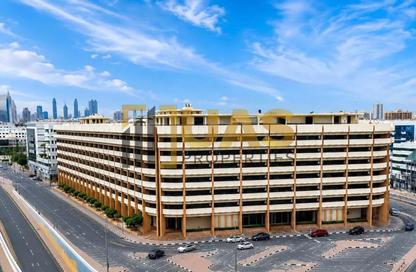
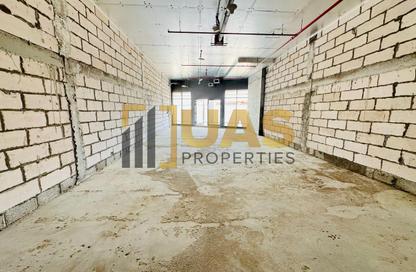
Your Guide to Commercial Properties for Rent in Dubai
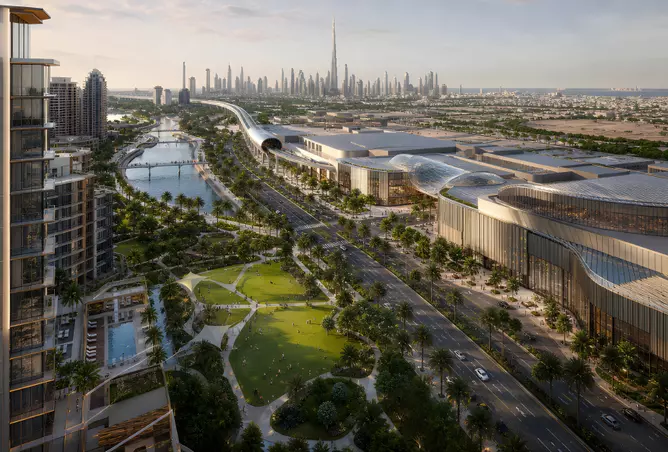
Dubai has established itself as a premier destination for businesses seeking to expand operations in the Middle East. As part of the UAE real estate market, the emirate attracts entrepreneurs and multinational corporations through its strategic location, advanced infrastructure, and business-friendly regulations. For those looking to rent a commercial property in UAE, Dubai offers unmatched opportunities across various commercial sectors.
The city's transformation from a regional trading post to a global business center has created a sophisticated commercial landscape. From logistics operations to financial services, the market for property for rent in UAE provides options that cater to virtually every industry. The integration of commercial zones with world-class transportation networks ensures that connectivity remains a cornerstone of business operations.
Market Overview of Commercial UAE Real Estate
The commercial rental market in Dubai reflects the emirate's economic diversity and infrastructure investment. Rental rates vary significantly based on location, with premium districts commanding higher prices for their prestige and connectivity. Downtown Business Bay offices typically start around AED 444,000 annually, while DIFC properties can exceed AED 106,000 due to their specialized regulatory environment.
Warehouse spaces in logistics-focused areas like Jebel Ali generally range from AED 150,000 to AED 1,780,000 yearly, offering cost-effective solutions for distribution operations. Retail units depend heavily on foot traffic and tourist access, with prime mall locations commanding premiums that reflect their revenue potential.
The market shows consistent demand throughout the year, with businesses appreciating Dubai's stable economic environment and currency peg to the US Dollar. Properties equipped with modern amenities, including high-speed internet infrastructure and integrated security systems, tend to fill faster and maintain higher occupancy rates.
Types of Commercial Properties Available
Office Spaces
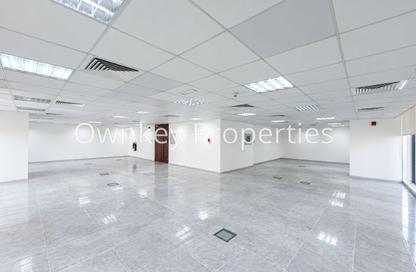
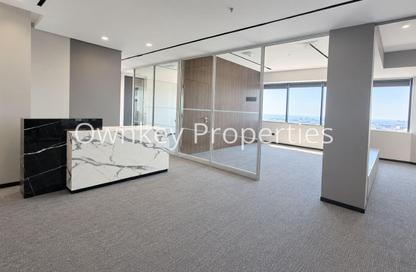
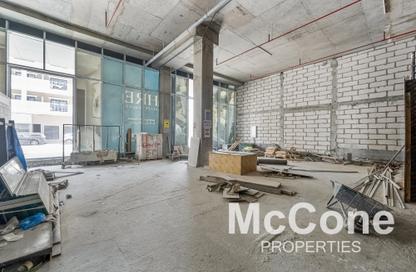
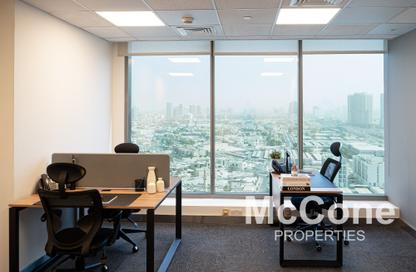
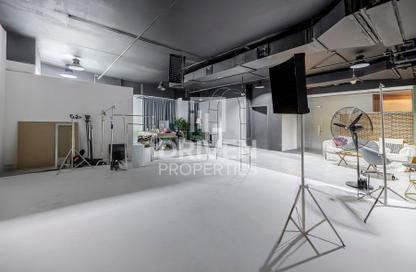
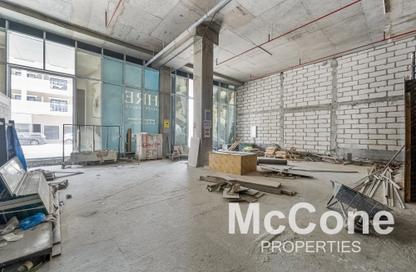
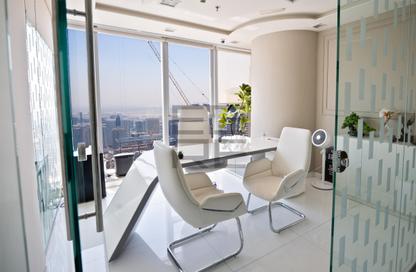
When you lease commercial property UAE, office configurations range from fully fitted units in landmark towers to shell-and-core spaces allowing complete customization. High-rise buildings in central districts feature advanced facilities such as intelligent building management systems, conference centers, and executive lounges. Properties like The Gate and ICD Brookfield Place in DIFC exemplify premium office environments, while The Opus in Business Bay offers architectural distinction combined with practical functionality.
Retail Units
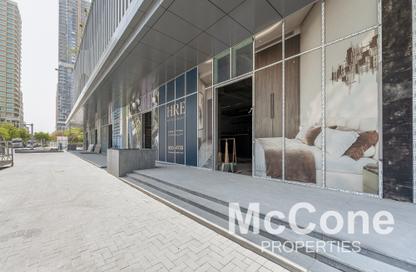
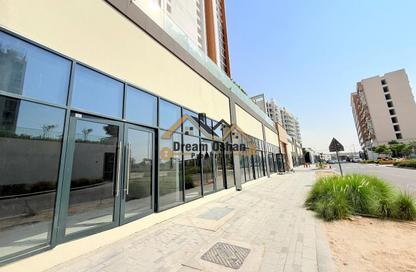
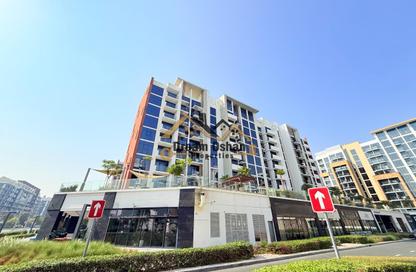
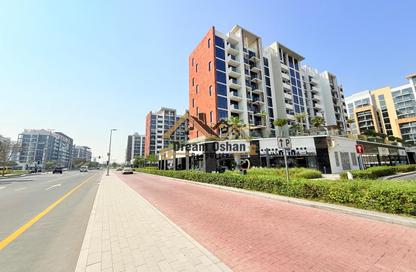
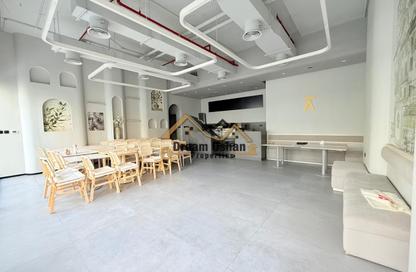
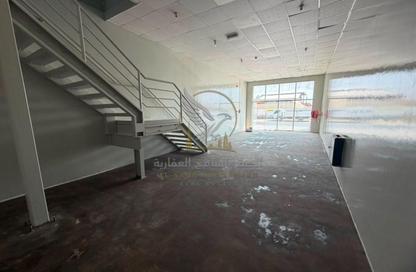
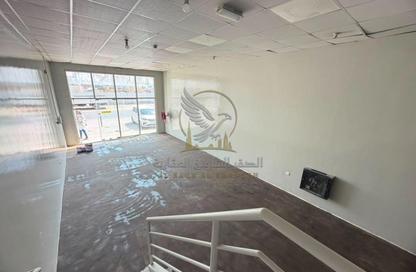
Retail opportunities span from street-level shopfronts to anchor spaces within major shopping destinations. Dubai's position as a global tourism hub drives substantial demand for retail presence, particularly in high-traffic zones. Mixed-use developments integrate retail with residential and office components, creating built-in customer bases.
Warehouses and Industrial Facilities
Logistics operations benefit from purpose-built facilities in areas like Jebel Ali and Dubai Investments Park. These zones provide direct access to major transport corridors and port facilities, streamlining supply chain operations. Modern warehouses include features such as high ceilings, loading docks, and climate control systems suited to various storage requirements.
Top Locations for Commercial UAE Real Estate
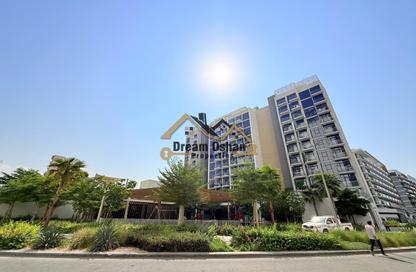
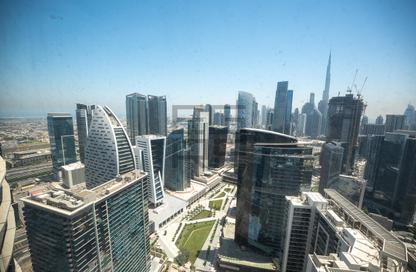
Business Bay serves as a central commercial district packed with office towers and corporate headquarters. Its adjacency to Downtown Dubai, home to the Burj Khalifa and The Dubai Mall, creates an internationally recognized business address. The area benefits from two metro stations on the Red Line, ensuring employee commutes remain straightforward. Notable structures include The Opus, which offers architectural appeal alongside functional workspace.
DIFC operates as a specialized financial hub with its own legal and regulatory framework based on English common law principles. This independence attracts international banks, law firms, and asset management companies seeking familiar operating environments. The district houses prestigious buildings like The Gate, while maintaining sophisticated amenities including art galleries and upscale dining options. Two metro stations provide direct access to the broader city network.
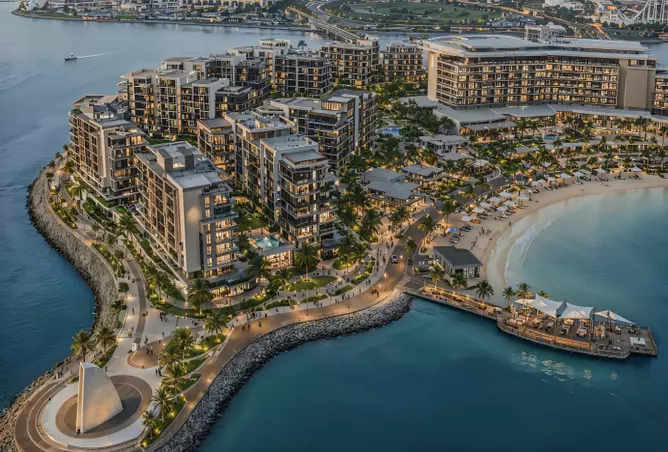
JLT functions as a mixed-use free zone featuring clusters of towers surrounding artificial lakes. The area appeals to commodities traders and small-to-medium enterprises seeking affordable alternatives to premium districts. Almas Tower stands as the community's centerpiece, while DMCC and Sobha Realty metro stations ensure connectivity. The waterfront setting includes cafes and walking paths that enhance work-life balance.
These historic districts represent Dubai's traditional commercial heart, offering established trading networks and more accessible rental rates compared to newer developments. The areas maintain relevance for businesses focused on regional trade relationships. Extensive Green Line metro coverage, including Union, Baniyas Square, and Al Ras stations, provides thorough transportation options.
Business Environment Considerations
Companies seeking to rent commercial real estate UAE should understand the broader regulatory landscape. The country's currency stability provides financial predictability for international operations. Value Added Tax at 5%, introduced in 2018, applies to most goods and services and requires proper accounting in operational budgets.
The legal system combines civil law with Sharia principles, though specialized zones like DIFC maintain separate frameworks. Labor regulations strictly govern employment relationships, with trade unions and strikes not legally recognized. The Ministry of Labour oversees compliance, with serious penalties for violations.
Telecommunications infrastructure supports modern business requirements through nationwide 5G coverage. Major operators Etisalat and du ensure reliable connectivity for data-intensive operations and global communications.
Amenities and Lifestyle Near Commercial Properties for Rent in Dubai
Shopping
- The Dubai Mall
- Mall of the Emirates
- Dubai Marina Mall
- City Walk
Schools
International education options support expatriate families relocating for business opportunities. Various curricula ensure educational continuity.
- GEMS Wellington International School (British curriculum)
- Dubai International Academy (IB curriculum)
- American School of Dubai (American curriculum)
- Swiss International Scientific School
Hospitals & Clincs
- Dubai Healthcare City
- Mediclinic City Hospital
- American Hospital Dubai
- King's College Hospital
Gyms
- Fitness First locations across commercial districts
- Gold's Gym branches
- Warehouse Gym
- Community centers with swimming pools and tennis courts
Many commercial areas incorporate parks and pedestrian-friendly layouts that enhance daily experiences for workforces. Major shopping destinations provide venues for client entertainment and employee recreation during breaks.
Location and Transportation around Commercial Properties for Rent in Dubai
Dubai's infrastructure represents a significant advantage for businesses operating in the UAE real estate sector. The Metro system, comprising Red and Green lines, connects key business districts from Jebel Ali to the Airport, offering efficient alternatives to road travel during peak hours.
Sheikh Zayed Road (E11) serves as the main arterial highway linking the northern emirates to Abu Dhabi, facilitating inter-emirate business operations. Dubai International Airport handles significant international traffic, while Al Maktoum International Airport continues expansion to accommodate future growth.
The city's road network undergoes continuous improvement, with dedicated truck routes supporting logistics operations and separated business districts minimizing congestion in commercial zones.
Pros and Cons of Commercial Properties for Rent in Dubai
Advantages of a commercial property for rent in uae:
- Strategic position linking Europe, Asia, and Africa creates natural trade advantages
- World-class infrastructure, including utilities, internet, and transport networks
- High safety rankings and economic stability support long-term planning
- Diverse property options accommodate various business scales and sectors
- Free zones offer specialized regulatory environments for specific industries
Considerations of a commercial property for rent in uae :
- Budget planning must account for VAT and zone-specific fee structures
- Regulatory compliance requires attention to labor and visa requirements
- Premium locations command higher rental rates that may exceed budget constraints
- Certain older districts may require property upgrades to meet modern standards
Frequently Asked Questions about Commercial Properties for Rent in Dubai
What price ranges should businesses expect when they rent commercial property UAE?
Rental costs vary considerably based on location and property type. DIFC and Downtown command premium rates reflecting their prestige, while areas like Deira offer more accessible entry points. Warehouse facilities in logistics zones provide cost-effective options for distribution operations.
Are furnished office options available?
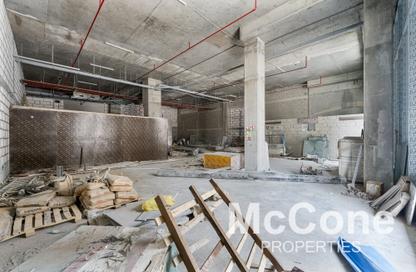
Many landlords offer fitted offices with furniture, partitions, and basic amenities included. Shell-and-core spaces allow complete customization but require additional capital investment for interior build-out.
What lease terms are standard?
Commercial leases typically span one to three years, with longer terms often negotiable for larger spaces. Rental payments usually follow annual or semi-annual schedules, with security deposits equivalent to one month's rent.
How does transportation access affect property selection?
Metro proximity significantly impacts employee commutes and operational efficiency. Properties near stations often command premiums but reduce transportation-related overhead and improve workforce satisfaction.
Can international companies directly lease commercial property UAE?
Foreign ownership rules vary by zone, with many free zones allowing full foreign ownership. Mainland properties may require local sponsorship arrangements, though regulations continue evolving to attract international investment.