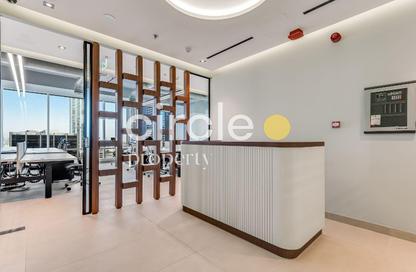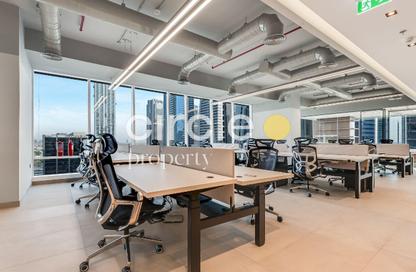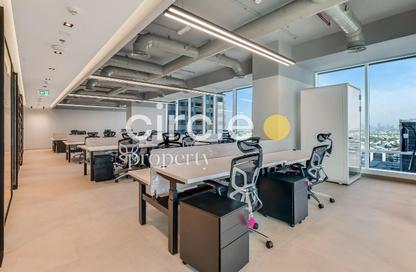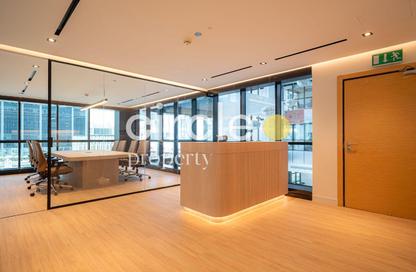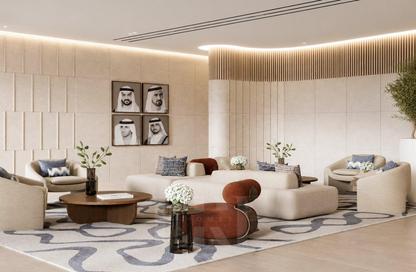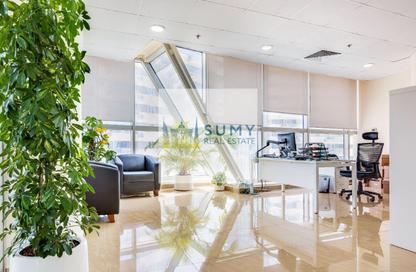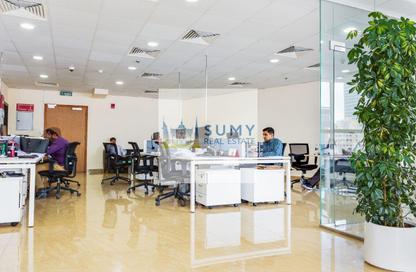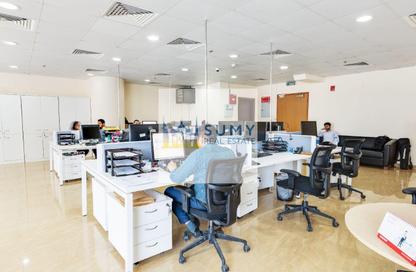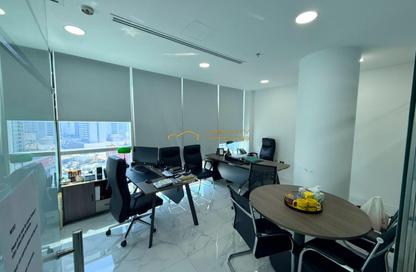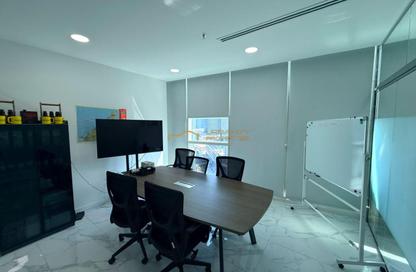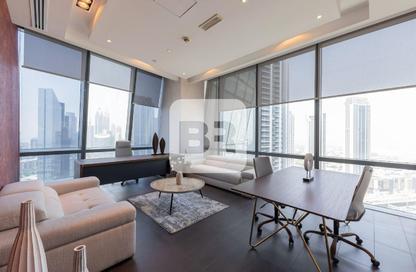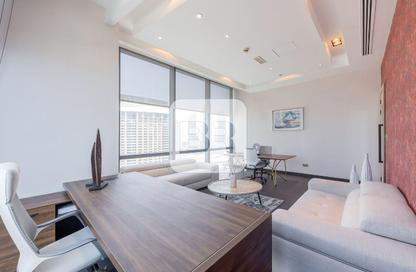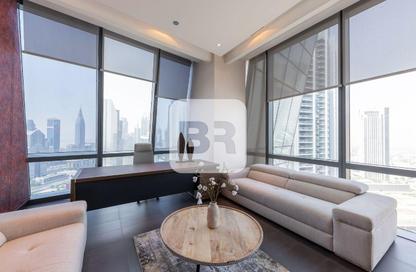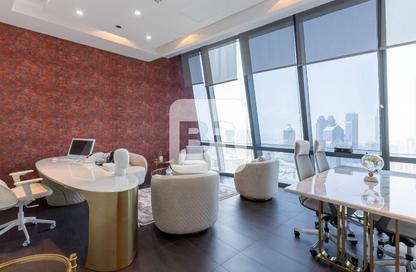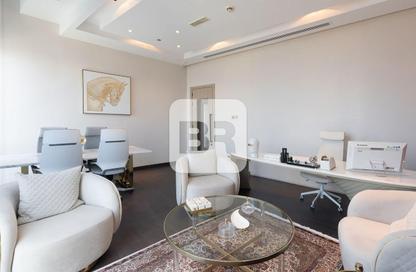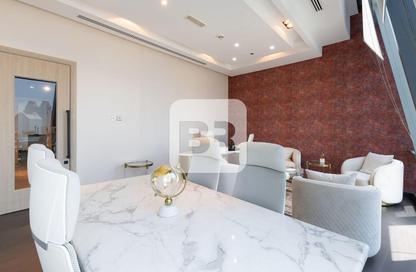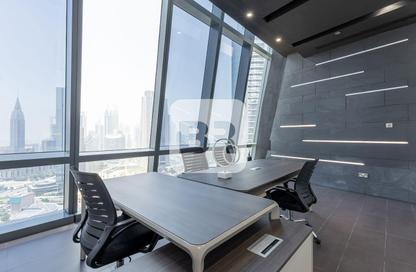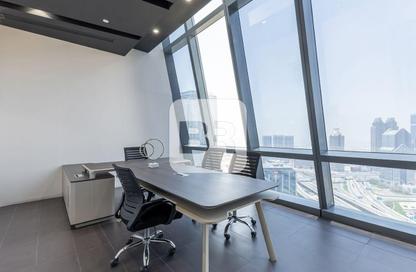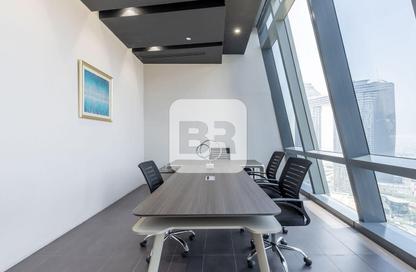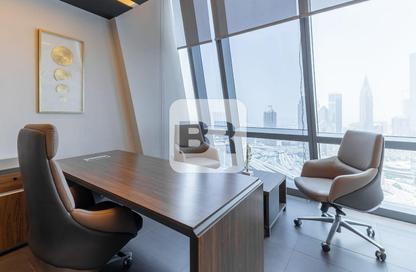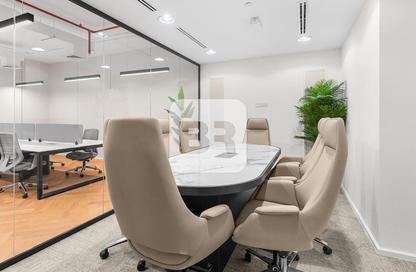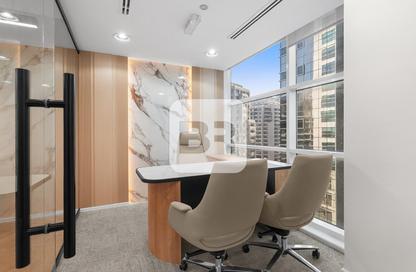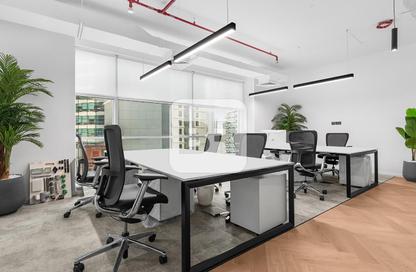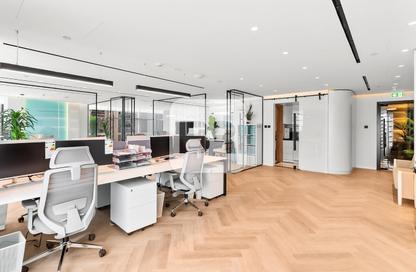
Your guide to finding an office for rent in the UAE
The UAE commercial real estate market covers a wide range of business needs, from flexible desks for early-stage startups to full-floor headquarters for multinational firms. If you are searching for an office for rent in the UAE, the market has options across every emirate, budget, and business model. What has changed in recent years is the growing preference for adaptable, hybrid workspaces over rigid long-term leases, alongside a stronger focus on energy efficiency, with many tenants now specifically looking for buildings with smart climate systems, natural lighting, and green certifications such as LEED and Estidama.
The right office space for rent in the UAE does more than house your team. It shapes how clients perceive your business, how easily you attract talent, and how smoothly daily operations run. Getting the balance right between location, cost, and licensing setup is worth the time spent.
Average prices and sizes of offices for rent in the UAE
The national average for office space for rent in the UAE sits around AED 400,000 per year, with typical unit sizes around 960 sq ft. That said, prices shift considerably depending on which emirate you are in, the exact location, and whether the space is shell and core, fitted, or fully serviced.
Dubai sits at the upper end of the market, with average annual rents around AED 443,000. To give a clearer picture of what that looks like in practice: a 637 sq ft shell and core office for rent in DIFC runs around AED 160,000 per year, a 1,046 sq ft fitted office in Jumeirah Lake Towers (JLT) leases for approximately AED 130,000 annually, and a 1,356 sq ft upgraded office for rent in Business Bay can reach AED 550,000 per year.
Abu Dhabi operates across a tiered structure. Smaller units between 400 and 800 sq ft generally cost AED 45,000 to AED 80,000 annually, while medium spaces from 900 to 1,500 sq ft average AED 85,000 to AED 150,000. A premium 2,260 sq ft fitted suite in Al Danah leases for around AED 210,000 per year.
Sharjah and the Northern Emirates offer the most affordable offices for rent in the UAE for businesses that prioritize space over a central address. In Sharjah, a 1,505 sq ft fitted office for rent in Al Majaz costs around AED 65,000 per year, while a compact 646 sq ft space in Al Gharb can be secured for as little as AED 5,000 annually. Ajman averages AED 59,000 per year, with prime 1,200 sq ft offices in Al Rawda leasing for AED 35,000. Ras Al Khaimah averages AED 91,000 annually, with fitted 747 sq ft offices for rent in Al Nakheel available for around AED 34,999 per year.
For newly established businesses, a fitted free zone office is often the most practical starting point, as it reduces upfront setup costs and speeds up the move into daily operations.
Top locations to find an office space for rent in the UAE
Business Bay, Dubai
Business Bay sits directly next to Downtown Dubai and is one of the city's most active commercial districts. It attracts tech companies, creative agencies, and professional services firms that want a central address without paying DIFC-level rents. Buildings like The Binary Tower and Churchill Towers offer a range of layout options. Average annual rents sit around AED 189,000, and the area is roughly a 20-minute drive from Dubai International Airport.
Jumeirah Lake Towers, Dubai
JLT operates under the DMCC free zone, which means tenants benefit from tax advantages and full foreign ownership. The district has a practical, integrated feel with waterfront views, ground-floor retail, and direct metro access. Platinum Tower and Jumeirah Business Centre are among the prominent office buildings here. Average rents sit around AED 216,000 per year. The metro connection is a real draw for businesses that want to make commuting easier for their teams.
Al Maryah Island and Al Reem Island, Abu Dhabi
Al Maryah Island is Abu Dhabi's primary financial district and home to the Abu Dhabi Global Market (ADGM), making it the natural choice for legal firms, financial institutions, and multinationals. Al Reem Island sits nearby and offers a slightly more accessible price point alongside modern infrastructure and waterfront positioning. Addax Port Office Tower and Tamouh Tower are key addresses in this corridor, with a 1,526 sq ft office in Addax Port running around AED 381,750 per year.
Al Majaz, Sharjah
Al Majaz runs along the Buhaira Corniche and gives businesses fast access to the E11 highway, which keeps the commute to Dubai manageable. Average annual rents here are around AED 60,000, making it one of the more affordable options in the wider region. The area has good parking, banking facilities, and restaurants close by, which supports the day-to-day running of a business.
What to consider before renting an office
One of the most important decisions is whether to set up on the mainland or within a free zone. Mainland offices are regulated by the economic development departments in each emirate and allow businesses to trade freely anywhere in the UAE.
Free zone offices come with tax benefits and full foreign ownership, but historically they faced restrictions on trading directly with mainland customers; in some emirates (and for some activities in Dubai), recent rules now allow freer onshore operation, while others still require a mainland branch or local distributor.
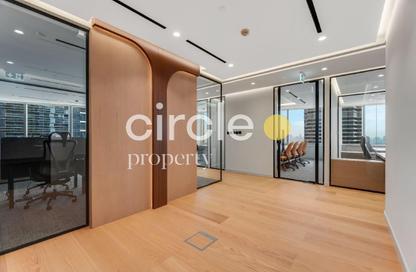
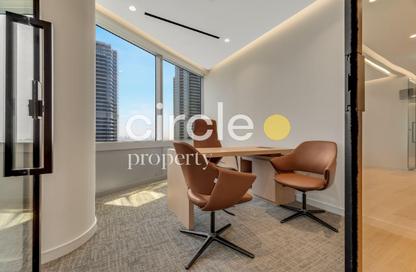
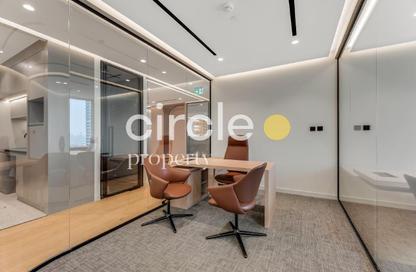
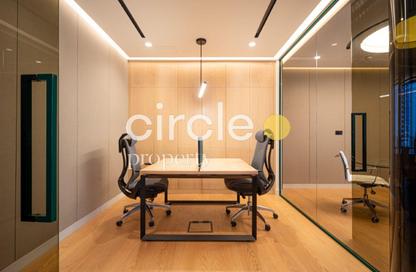
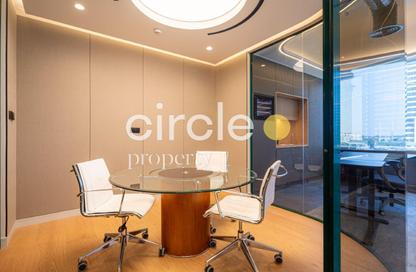
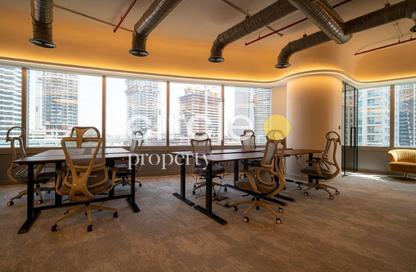
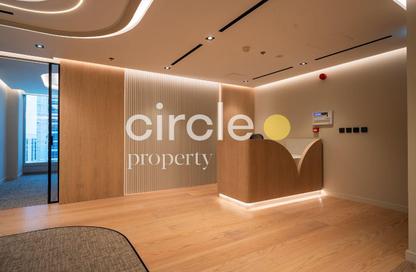
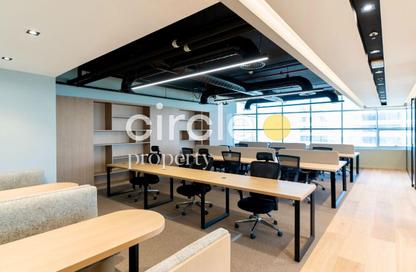
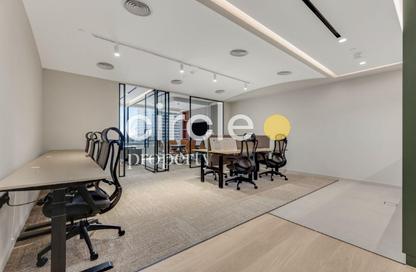
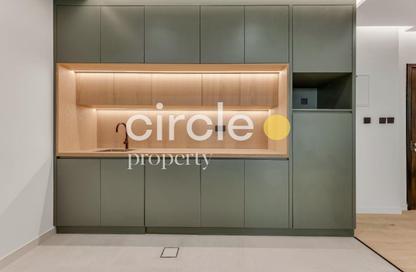
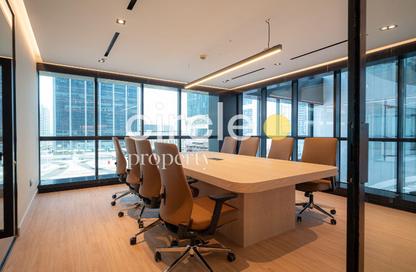
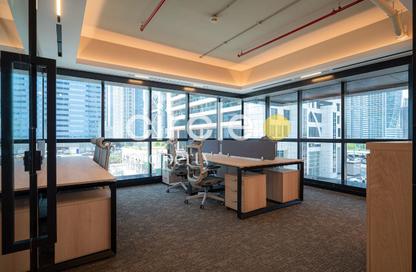
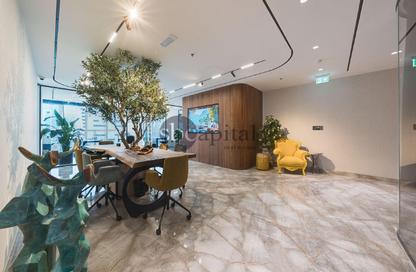
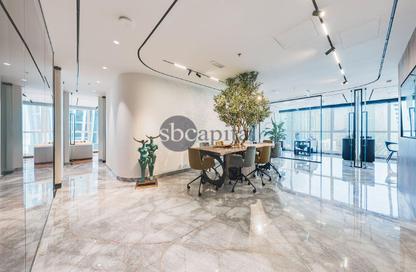
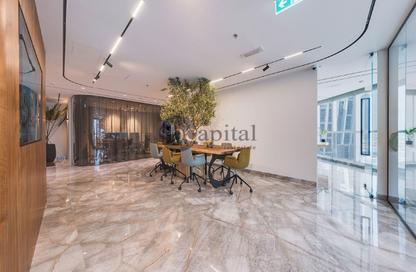
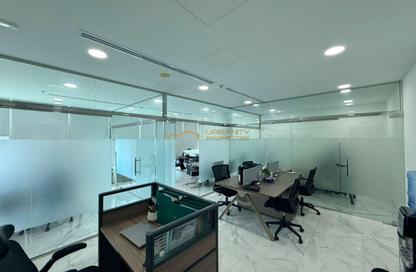
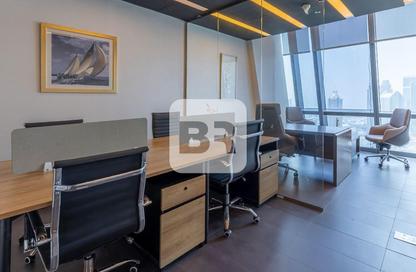
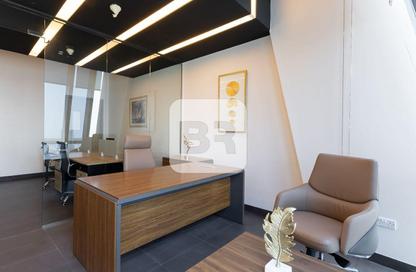
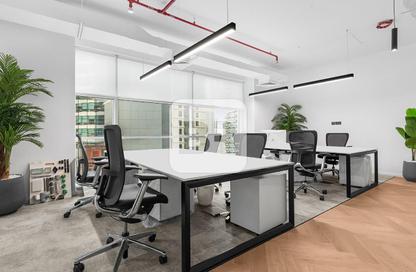
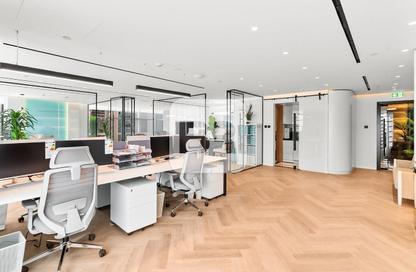
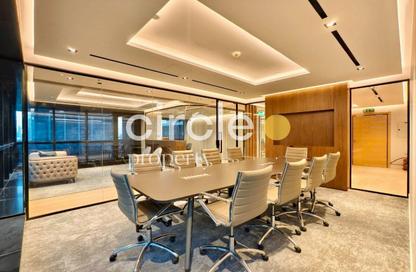
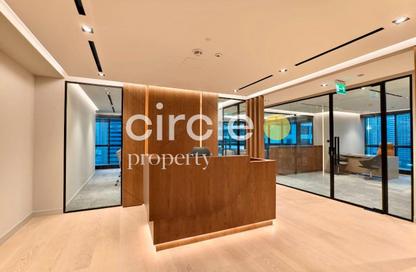
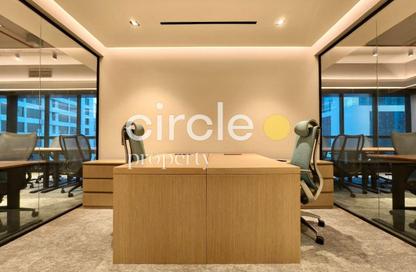
The condition of the space also has a direct impact on your budget. Shell and core units are bare concrete spaces that require a full interior fit-out, which takes time and capital. Fitted spaces include flooring, air conditioning, and basic finishes, so you can move in faster. Serviced offices go a step further, bundling utilities, internet, reception staff, and facility management into a single monthly cost, which suits smaller teams who want to avoid administrative overhead.
Amenities and lifestyle
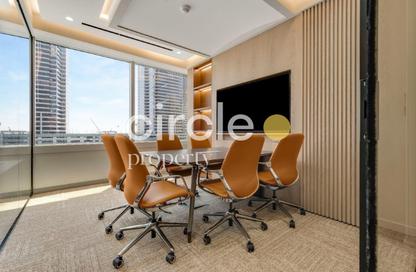
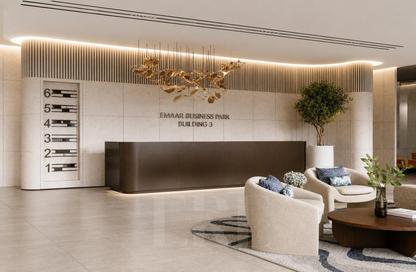
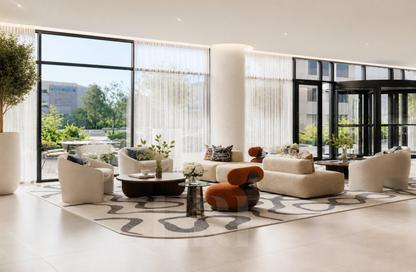
Most modern commercial towers in the UAE function as self-contained environments. Standard features across premium buildings include 24-hour security, covered parking, and high-speed internet infrastructure. Higher-end locations add in-house conference rooms, podium-level dining, and access to fitness facilities. For client-facing businesses, proximity to destinations like The Galleria on Al Maryah Island or Dubai Mall provides convenient venues for meetings and corporate entertainment.
Location and transportation
Sheikh Zayed Road (E11) and Khaleej Al Arabi Street (E20) are the main arterial roads linking the emirates, and most major commercial districts sit within easy reach of one or both. In Dubai, office buildings within walking distance of the Red Line Metro attract strong interest because of the commute benefits for staff and clients alike. Abu Dhabi relies more on its public bus network and taxis, with commute times between major districts typically running 15 to 30 minutes outside peak hours. Businesses should also factor in road toll costs, Salik in Dubai and Darb in Abu Dhabi, when calculating daily logistics expenses.
Pros and cons of renting an office in the UAE
Pros
- Tax-free business structures and free zone incentives make the UAE an attractive base for international companies
- High-speed digital infrastructure and reliable utilities support global operations without disruption
- The market offers flexible lease options, from monthly serviced agreements to long-term corporate contracts
- Safety standards are high across all emirates, providing a stable operational environment
Cons
- An office space for rent in premium locations like DIFC or Al Maryah Island comes at a high cost, well above the national average
- Navigating mainland versus free zone licensing across multiple authorities requires specialist administrative knowledge
- Parking in dense central districts can be limited, and toll charges during peak hours add to daily commuting costs
FAQs about offices for rent in the UAE
What is the difference between a mainland and a free zone office for rent?
Mainland offices fall under the economic development department of each emirate and allow trading freely across the UAE. Free zone offices offer tax benefits and full foreign ownership but restrict direct trading outside the designated zone.
Are there costs beyond the annual rent?
Yes. Tenants typically pay maintenance charges, utility deposits, and mandatory government lease registration fees. Serviced offices usually bundle most of these into a single package, which can simplify budgeting for smaller businesses.
What documents are needed to rent commercial office space? You will generally need a valid trade licence, passport and visa copies for shareholders, the company's Memorandum of Association, and an Emirates ID. The lease must then be registered through the relevant government portal.
Can a free zone company rent an office in the mainland?
Yes, but the company must obtain a No Objection Certificate (NOC) from its free zone authority before signing a mainland tenancy contract.
What is a shell-and-core office?
A shell and core space is handed over unfinished, with bare concrete floors, exposed services, and no ceiling fit-out. The tenant is responsible for the full interior design and build, which gives complete flexibility but requires a meaningful upfront investment.