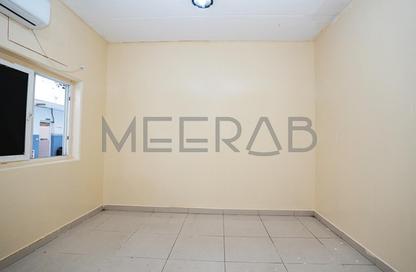
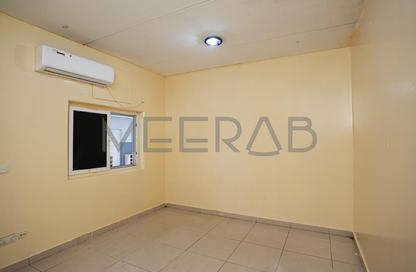
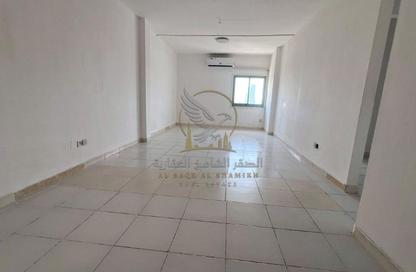
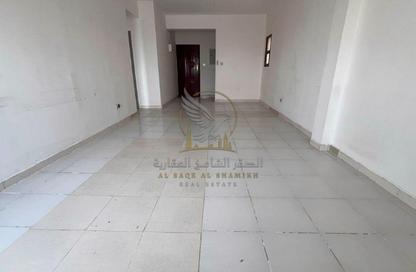
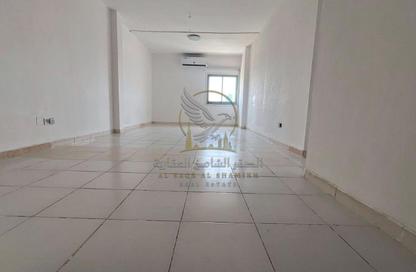
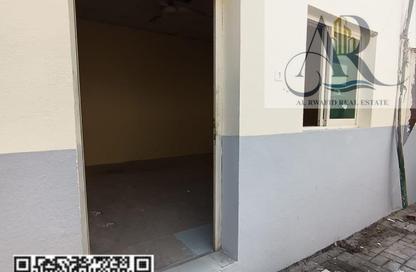
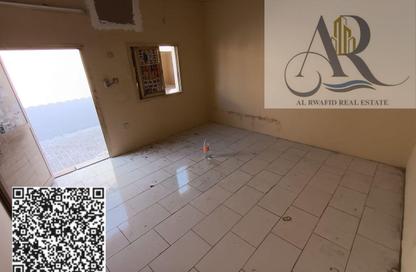
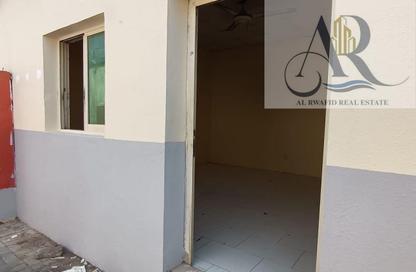
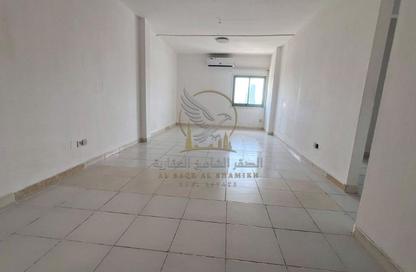
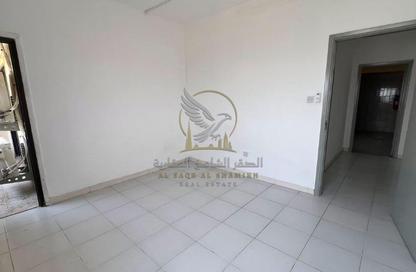
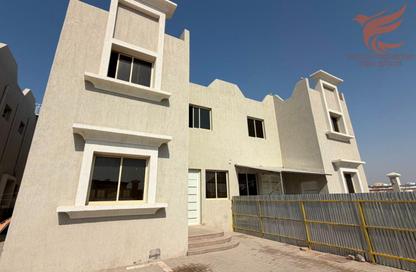
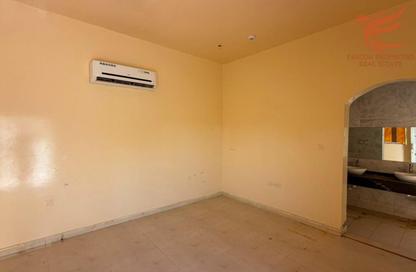
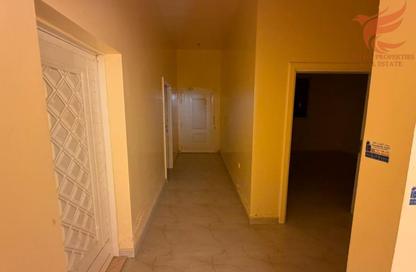
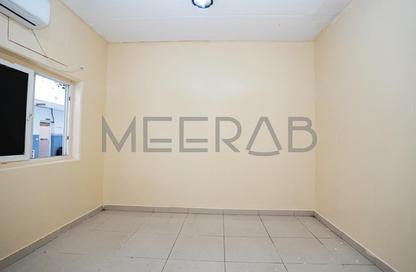
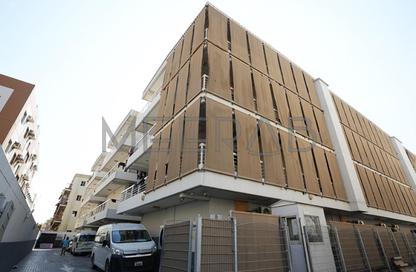
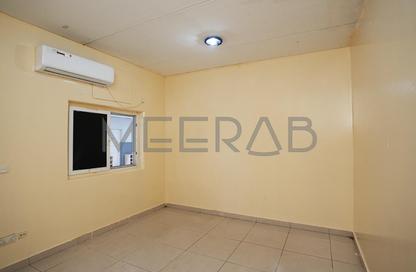
The UAE runs on a large, diverse workforce, and much of it comes from South Asian countries that power the country's construction, logistics, and manufacturing sectors. Housing this workforce properly is not just good practice; it is a federal requirement. Companies searching for staff accommodation for rent in UAE or commercial properties for rent in UAE need spaces that are compliant, safe, and practical to support their day-to-day operations.
These residential hubs sit inside or right beside major industrial zones, which keeps daily transit short and predictable for workers. The focus stays on health, safety, and community living rather than comfort for its own sake. Affordability shifts depending on the emirate and how close the housing sits to central business areas.
Abu Dhabi and the northern emirates tend to offer more cost-effective options for large teams, while spots near Dubai's main transit corridors carry higher price tags. This type of housing is built for employees and corporate teams, not families or students, and noise levels can run higher than in standard neighborhoods because of nearby factories, warehouses, and truck traffic. Even so, these zones are shaped around business operations, helping companies stay productive while meeting MOHRE standards on worker welfare.
Pricing and sizing for UAE staff accommodation for rent depend on the community, approved occupancy limits, and the facilities on offer, and costs are usually calculated yearly per room or per building.
In Dubai's Jebel Ali Industrial area, a 200 sq ft studio approved for six people, with access to shared bathrooms, runs around AED 68,400 a year, or about AED 5,700 a month, reflecting the high demand near major commercial ports. Abu Dhabi's Mussafah district offers a larger and more affordable market, with 250 sq ft rooms and shared communal bathrooms priced consistently between AED 30,000 and AED 33,500 a year, which makes budgeting easier for companies scaling up their workforce.
For executive staff, Ras Al Khaimah's Mira Coral Bay community offers furnished apartments, with an 850 sq ft one-bedroom unit costing about AED 35,000 a year and a 1,050 sq ft two-bedroom unit averaging AED 45,000 a year. In Fujairah, large-scale blocks in Al Hayl span over 67,000 sq ft with extensive communal washrooms and lease for around AED 40,000 a year, making it a strong option for bulk workforce housing.
Demand for staff accommodation for rent in UAE stays strong across all emirates, driven by ongoing construction and logistics activity. Abu Dhabi and the northern emirates sit at the affordable end of the market, while Dubai's industrial zones near ports and commercial hubs command premium rates. Businesses also comparing commercial villas for rent in UAE for office or staff-related operations will notice similar regional pricing differences. Rents in these areas have stayed largely stable, with the northern emirates seeing growing demand as companies look for lower-cost alternatives to Dubai and Abu Dhabi. Rather than focusing purely on square footage, companies should calculate cost per head and confirm approved occupancy limits, which help avoid overcrowding and keep housing compliant with health and safety rules.
Purpose-built accommodation helps companies meet MOHRE standards on worker welfare, avoiding penalties tied to substandard housing.
Housing near industrial zones cuts travel time for workers, supporting better rest and stronger productivity on shift.
Consistent pricing across sectors like Mussafah lets companies forecast housing budgets accurately as their workforce grows.
Grouping staff in one location makes it easier to coordinate shifts, transport, and daily operations across a large team.
High-density industrial housing
These areas suit companies housing large teams in communal, shared living setups near ports and factories.
Executive and Supervisory Housing
This category suits site managers, technicians, and supervisory staff who need furnished, apartment-style living.
Large-scale bulk housing
Ideal for companies running major construction or maritime projects that need to house large crews at once.
Proximity to major routes like the E11 highway matters for company buses moving staff between accommodation and work sites across different emirates. In Dubai, access to RTA buses or the Metro gives workers mobility on their days off. Companies should map the route between prospective housing and the main work site carefully, since traffic during shift change hours can add significant delays. Statutory working hours are capped at 8 hours a day or 48 hours a week, and commuting time typically does not count toward this unless stated in the employment contract, so shorter commutes directly protect workers' rest time.
Pros
Cons
How does accommodation choice affect statutory working hours?
Working hours are capped at 8 hours a day, and commuting time is usually excluded from that count. Housing close to the work site helps staff avoid long, tiring commutes outside paid hours.
What cooling infrastructure is required during summer?
Because of the midday work ban between mid-June and mid-September, accommodation must have reliable air conditioning and comfortable rest areas so workers can recover safely from the heat.
Are there different types of staff housing in the UAE?
Yes, options range from high-density communal rooms with shared bathrooms, similar to labour camps for rent in the UAE, through to furnished one- and two-bedroom apartments in areas like Ras Al Khaimah for executive or supervisory staff.
What amenities matter most in these residential zones?
Access to occupational health clinics, large supermarkets, and money exchange centers for WPS salary transfers is the most important amenity to check for.
Can lease terms match project timelines?
Fixed-term contracts are standard across the private sector. It is worth aligning the lease length with the project duration to avoid paying compensation for unused notice periods if the workforce needs to relocate before the term ends.