The UAE has built a strong reputation as a global business destination, drawing entrepreneurs, multinationals, and investors from across the world. A diversified economy, efficient logistics infrastructure, and consistently investor-friendly policies make buying commercial real estate in the UAE an attractive proposition, whether you are based in Dubai, Abu Dhabi, Sharjah, Ajman, or Ras Al Khaimah.
From launching a startup to securing a long-term income-generating asset, understanding how the UAE commercial property market works is the first step toward making a well-informed decision.
The UAE’s commercial real estate market covers a broad range of property types, each serving different business and investment needs.
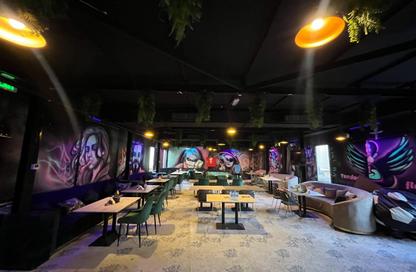
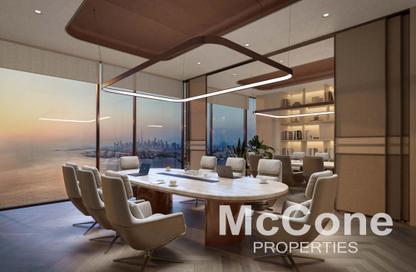
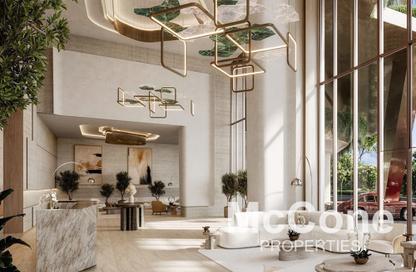
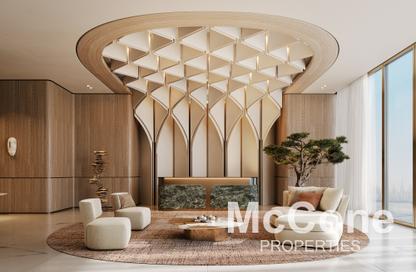
Offices range from Grade A spaces in financial districts to shell-and-core and fully fitted units. Offices for sale in the UAE are in demand among startups, SMEs, and global corporations looking to establish or expand their regional presence.
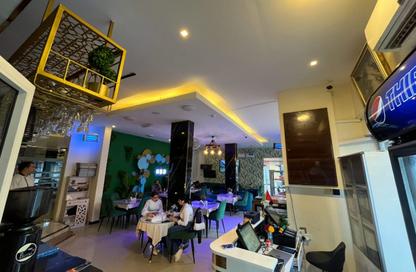
Retail spaces and shops perform strongly in high-footfall locations and are well-suited to fashion, food and beverage, and daily convenience concepts. Shops for sale in the UAE span everything from small kiosks in community centers to large-format units in prime mall corridors.
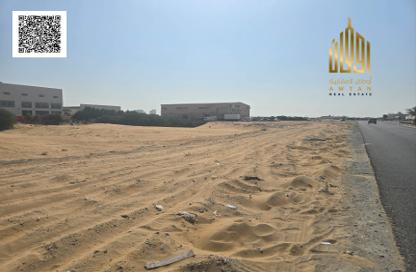
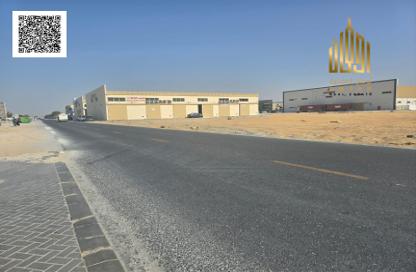
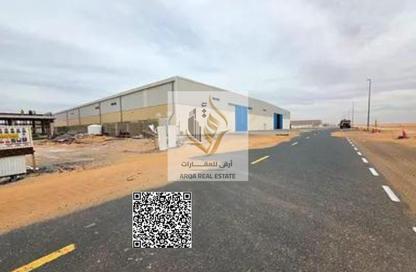
Warehouses and industrial units are driven by the UAE's position as a major global supply chain hub. Areas like Jebel Ali in Dubai and Al Sajaa in Sharjah are central to logistics, manufacturing, and e-commerce operations.
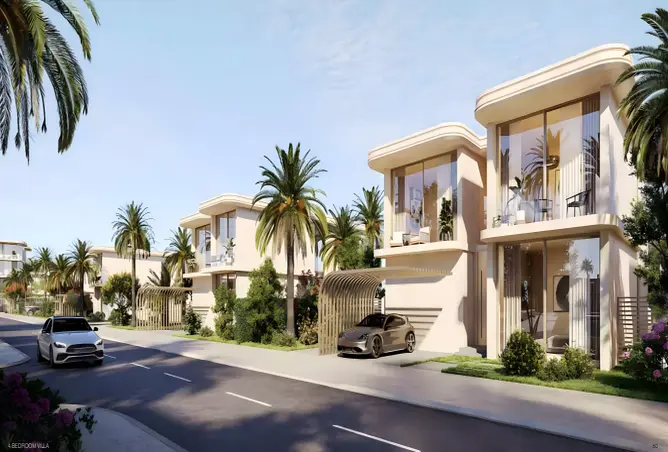
Commercial villas offer a more private setting with features like dedicated parking and outdoor space. They are popular with boutique clinics, consultancies, and businesses that benefit from a standalone presence.
Whole buildings appeal to institutional investors looking for full control over a single asset. These can be developed or repositioned as business centers, corporate headquarters, or mixed-use developments.
Commercial real estate in the UAE offers several advantages that are difficult to find in comparable markets.
Rental yields: commercial assets typically offer rental yields of 7% to 9% per year, which is notably higher than the 5% to 6% commonly seen in residential property. This makes buying commercial property in the UAE an appealing strategy for investors focused on income returns.
Tax environment: There is no property tax and no capital gains tax on real estate in the UAE. A 9% corporate tax applies to eligible businesses, but purchasing a commercial asset through a company structure allows for depreciation to be treated as a deductible expense.
Lease stability: Corporate tenants typically sign agreements spanning five to ten years, providing far more predictable cash flow than residential tenancies. Commercial tenants also frequently take on internal maintenance and service charge responsibilities, reducing the burden on the owner.
Golden Visa eligibility: Investing a minimum of AED 2,000,000 in a completed commercial property qualifies the buyer for a 10-year Golden Visa, which can be extended to family members and domestic staff.
Prices vary considerably across emirates and property types. The general country average sits at AED 4,610,000. Current average asking prices are as follows:
Where you choose to set up your business determines how you operate and who you can trade with.
Mainland companies are regulated by the Department of Economic Development (DED). A mainland licence allows you to trade freely anywhere in the UAE and internationally, bid for government contracts, and open physical locations across the country. Full foreign ownership is now permitted in many sectors, though mainland setup typically requires a physical office lease and involves multiple regulatory approvals.
Free zone companies are regulated by independent zone authorities such as DIFC, JAFZA, or Meydan Free Zone. These jurisdictions offer 100% foreign ownership by default, zero customs duties, and full profit repatriation. Free zone businesses are generally limited to trading within their specific zone or internationally, but benefit from faster setup timelines, flexible office options, and streamlined visa and banking processes.
Foreign ownership of commercial real estate in the UAE is permitted in designated freehold zones, such as Business Bay, Jumeirah Lakes Towers, and DIFC in Dubai, and Al Marjan Island in Ras Al Khaimah. Outside these areas, ownership is typically restricted to UAE or GCC nationals, or available through long-term leasehold arrangements.
Trade licensing and zoning are important considerations for buyers. Purchasing a commercial property as an investor does not require a trade licence, but operating a business from the premises does. Your business activity must also align with the property's zoning classification to avoid penalties.
Taxes and fees to account for include 5% VAT on both the sale and leasing of commercial property, a 4% property transfer fee in Dubai, a 2% agency commission, and trustee or administrative fees typically ranging from AED 4,000 to AED 10,000.
Can foreigners buy commercial property in the UAE?
Yes. Foreign nationals can purchase commercial real estate with full freehold ownership rights in designated freehold areas. In Dubai, these include Business Bay, Jumeirah Lakes Towers, and the Dubai International Financial Centre. Outside these zones, ownership is generally restricted to UAE or GCC nationals or offered through long-term leasehold arrangements.
What is the minimum investment for a UAE residency visa through commercial property?
A minimum investment of AED 2,000,000 in a completed commercial property qualifies buyers for a 10-year Golden Visa, covering the investor, family members, and domestic staff. A completed investment of at least AED 750,000 qualifies for a 2-year renewable investor visa.
What is the difference between setting up a business in the mainland vs. a free zone?
A free zone company offers 100% foreign ownership, no personal income tax, and a faster digital setup process, but trading is generally limited to within the zone or internationally. A mainland company is licensed by the DED and allows you to trade freely across the UAE, bid on government contracts, and open physical premises anywhere in the country. Mainland setups involve more regulatory steps and require a physical office lease.
Do I need a trade licence to buy commercial property in the UAE?
Not if you are purchasing purely as an investor. However, if you plan to operate a business from the property, a valid trade licence from the relevant authority is legally required. Your business activities must also match the property's designated zoning.
Is VAT applicable on commercial property sales and leases? Yes. A standard 5% VAT applies to both the sale and leasing of commercial properties in the UAE. This differs from residential property transactions, which are typically VAT-exempt.
What are the typical closing costs when buying commercial real estate?
Buyers should budget around 7% of the purchase price for closing costs. This generally covers the 4% Dubai Land Department transfer fee, a 2% agency commission, and administrative or trustee fees of between AED 4,000 and AED 10,000. The 5% VAT on the transaction should also be factored in separately.
Can non-residents get a commercial mortgage in the UAE? Yes, though banks typically require a down payment of at least 35% to 40% of the property value. Financing is generally capped at 60% of the value. Lenders will ask for documentation, including a clean credit report, two years of audited financial statements, and a trade licence if purchasing through a business entity.
What is the difference between a shell-and-core and a fitted office?
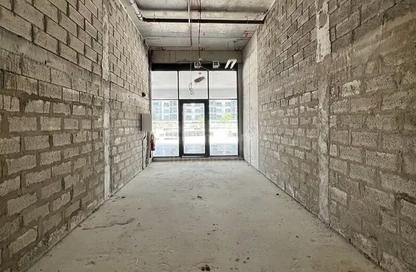
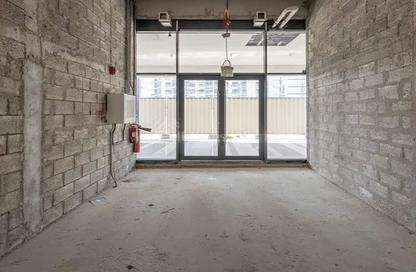
A shell-and-core unit delivers only the basic structure and utility connections, leaving flooring, ceilings, and interiors to the buyer. This gives full flexibility to customise the space. A fitted office already includes these elements and is generally ready for immediate use, reducing both time and upfront fit-out costs.