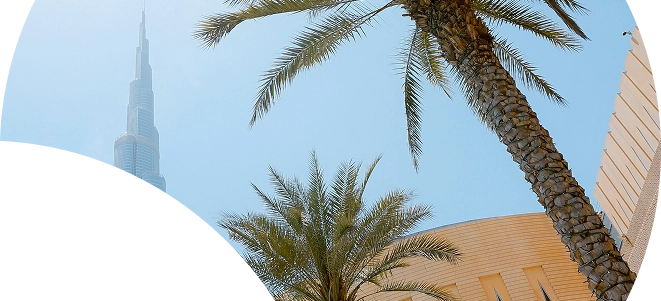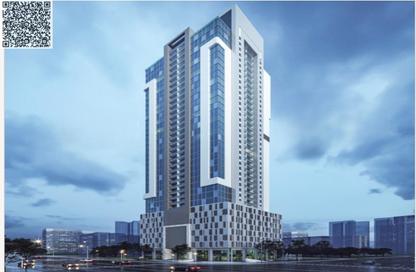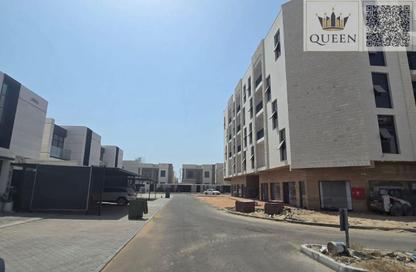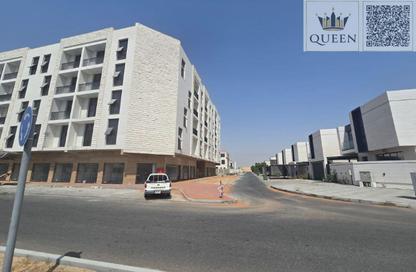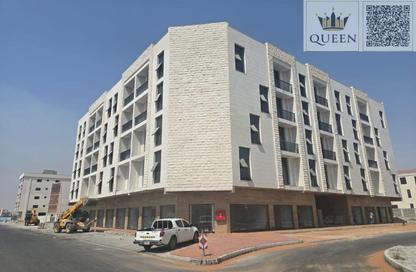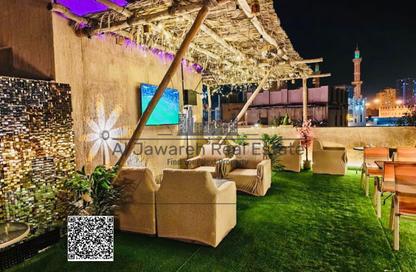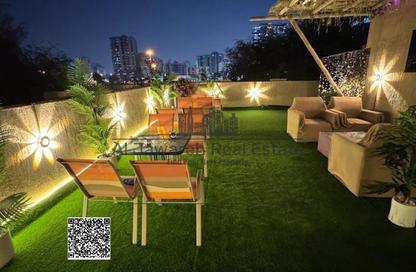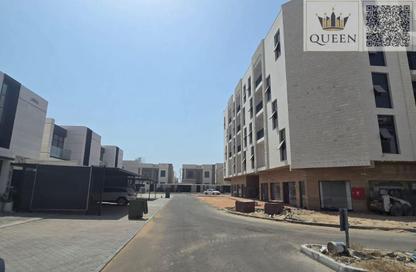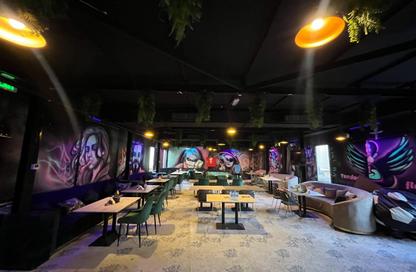
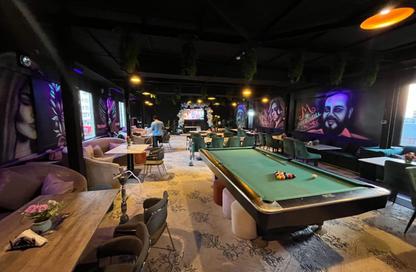
Ajman is the fifth-largest emirate in the UAE. It connects directly with Sharjah and Dubai, forming a continuous urban corridor.
The population has grown to about 565,767 in 2024, creating a strong and expanding consumer base for businesses.
Ajman is known for its coastal lifestyle, safety, and low cost of doing business. It was ranked the second safest city in the world in 2025, supporting active retail and dining activity.
The economy includes a free zone with around 1,500 companies exporting to more than 65 countries, along with active port operations.
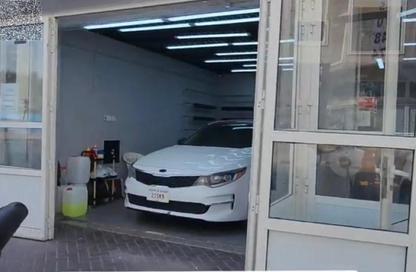
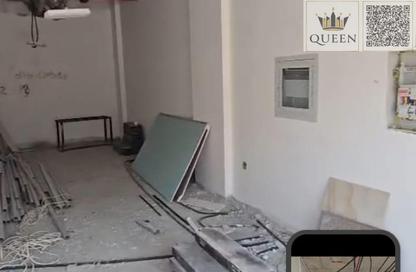
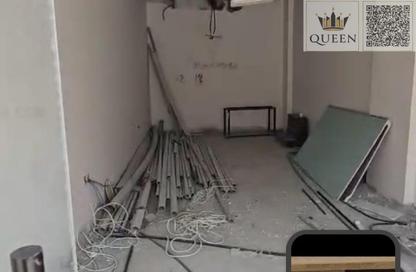
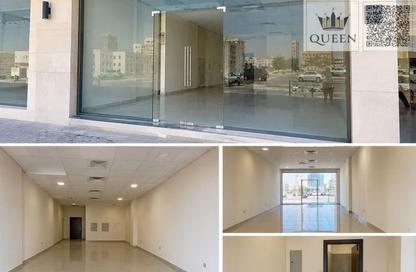
For investors looking for a commercial shop for sale in Ajman, the emirate offers affordable entry prices, steady population growth, and improving infrastructure.
The Ajman commercial property market is one of the most affordable in the UAE. Prices are lower than the national average, making it suitable for investors and small business owners.
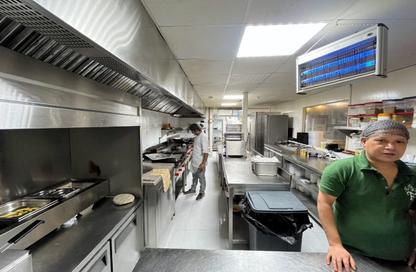
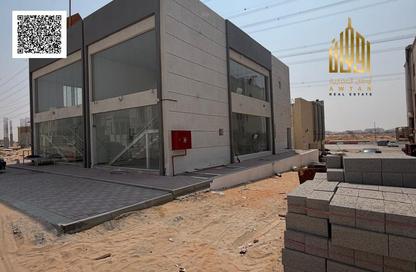
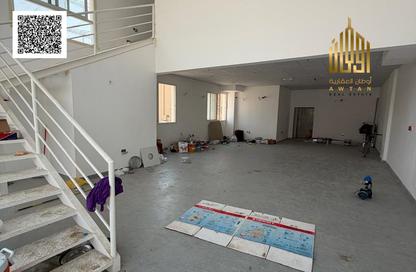
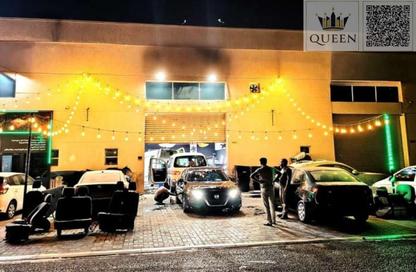
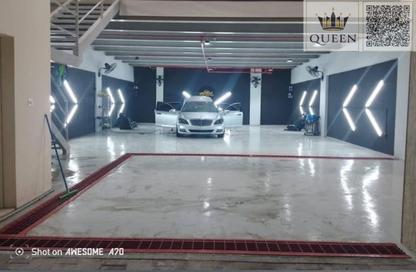
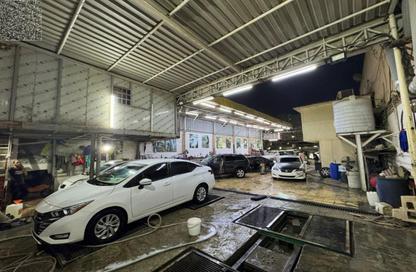
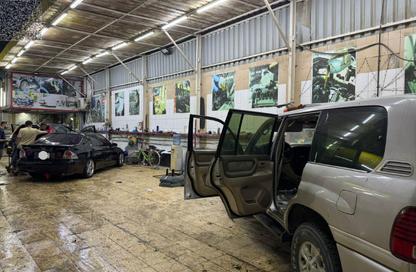
A growing residential population, a strong free zone economy, and close links to Sharjah and Dubai support demand. Units range from small retail spaces to large showrooms and industrial-style shops.
The average price for a commercial shop for sale in Ajman is about AED 2.13 million, compared to the UAE average of AED 4.61 million.
Small retail units under 1,000 sq ft cost AED 494,000 to AED 743,000. Medium spaces of 1,000 to 3,000 sq ft range from AED 700,000 to AED 1.55 million. Large showrooms over 3,000 sq ft cost between AED 7 million and AED 16 million.
Purchase prices are significantly below the UAE average, allowing buyers to allocate more capital toward fitting out, staffing, and operations rather than the property itself.
The population has grown rapidly and continues to expand. A dense mix of families, professionals, and industrial workers provides a broad customer base for most retail and service businesses.
Ajman's ranking as one of the safest cities in the world creates an environment where retail and dining businesses can operate confidently throughout the day and late into the evening.
Sitting between Sharjah and Dubai, the emirate benefits from cross-emirate consumer movement. Intercity bus routes and road connections bring customers from neighbouring areas directly into local commercial districts.
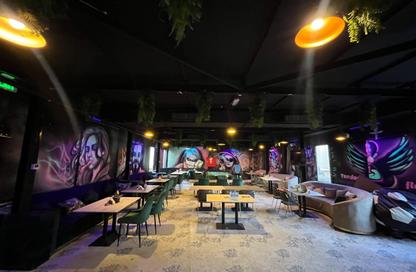
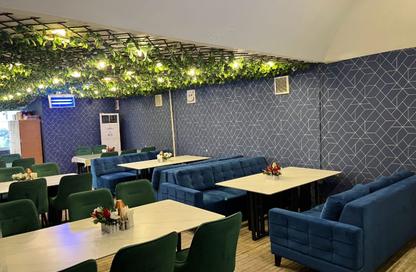
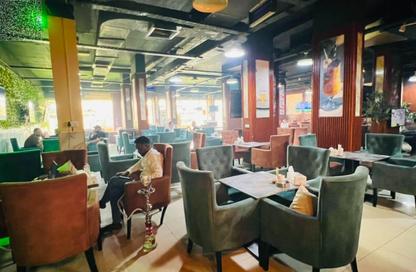
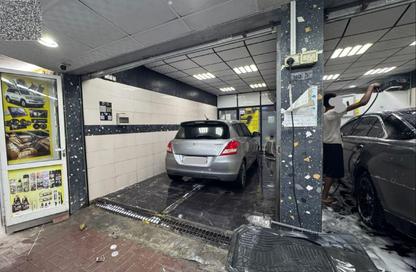
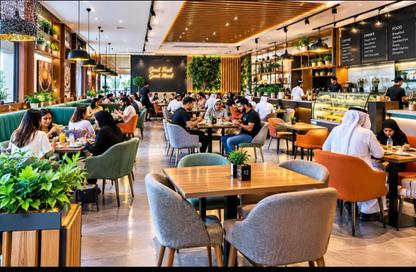
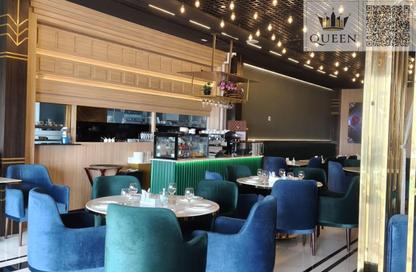
Located close to the traditional city center, Al Nuaimiya offers strong foot traffic from its dense residential surroundings. Units range from ready-to-use cafe spaces of over 6,400 sq ft available from AED 450,000 to standard retail spaces around 2,900 sq ft priced at approximately AED 700,000. It suits food and beverage operators and everyday service businesses that benefit from established local patronage.
The Al Alia area covers developments including Ajman Hills and Ajman Global City, catering to a wide range of budgets. Small retail units start under AED 500,000, while larger commercial opportunities, such as a 30,800 sq ft petrol station site, are valued at AED 15 million. The flexibility in size and price makes it accessible for both new entrepreneurs and corporate investors.
Liwara 1 offers corner commercial units on main roads, with spaces between 3,100 and 4,400 sq ft ranging from AED 2.5 million to AED 3.65 million. Main road frontage provides consistent visibility, and the surrounding residential density ensures steady daily customer flow.
Al Zorah is the premium commercial address in the emirate and a central focus of Ajman's Vision 2030 plan. The district includes a golf club, a nature reserve, and dense mangroves, positioning it as a destination for upscale consumers. Large showrooms here are priced around AED 7 million. Businesses that establish here target a higher-income demographic and benefit from the long-term development of a luxury coastal district.
Al Helio is one of the most active commercial districts in the emirate, divided into Al Helio 1 and Al Helio 2. Shops typically sit on main roads with strong visibility, ranging from 1,600 to 1,700 sq ft and priced between AED 1.3 million and AED 2.1 million. Full commercial buildings with multiple units are also available, with a 3,121 sq ft building priced around AED 4 million. It attracts experienced investors looking for high-traffic, high-visibility positions.
Ajman sits between Sharjah and Dubai, with Al Ittihad Street and Al Jurf among the main commercial corridors. The emirate's position within the northern urban belt makes it accessible by road from across the UAE.
The local bus network has expanded to 95 stops, with intercity routes connecting to Dubai, Sharjah, Ras Al Khaimah, and Al Ain. In 2024, the entire taxi fleet was upgraded to eco-friendly vehicles. Marine transport via traditional abras continues to operate along the coast, and a new maritime port is planned for the Al Zorah district.
Ajman does not have its own airport. Sharjah International Airport and Dubai International Airport serve the emirate for international travel and cargo, both reachable within a short drive.
Is buying a commercial shop in Ajman a good investment?
Yes. Affordable entry prices, a growing population, and a strong free zone economy make Ajman a practical choice for investors. Lower purchase costs allow for better margins compared to equivalent spaces in Dubai or Abu Dhabi.
Can foreigners buy commercial property in Ajman?
Foreign nationals can purchase commercial property in designated areas. It is advisable to verify freehold eligibility for the specific location with the Ajman Department of Land and Real Estate Regulation before proceeding.
What is the average price of a commercial shop for sale in Ajman?
The average asking price is approximately AED 2.13 million, though units are available from under AED 500,000 for small retail spaces up to AED 16 million for large industrial or showroom properties.
Which areas offer the best visibility for a new retail business?
Al Helio and Al Nuaimiya offer main road frontage and high residential density, making them strong choices for new retail or food and beverage operations. Al Zorah suits premium or lifestyle-focused businesses.
What transport links support customer access to Ajman commercial areas?
The local bus network covers 95 stops across key corridors, with intercity routes to Dubai, Sharjah, Ras Al Khaimah, and Al Ain. Road access via Al Ittihad Street connects the emirate to the wider UAE highway network efficiently.