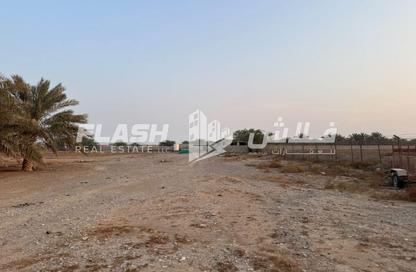
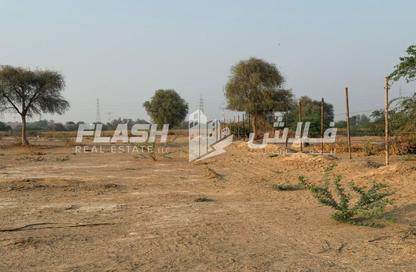
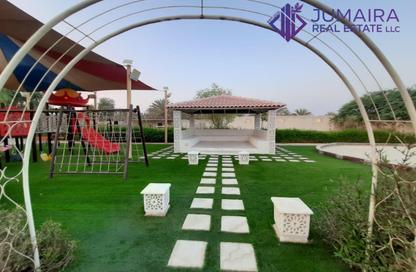
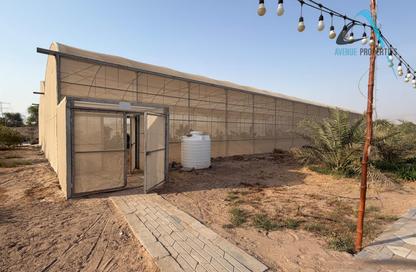
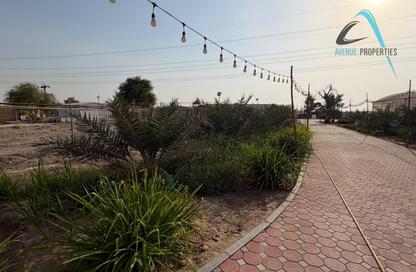
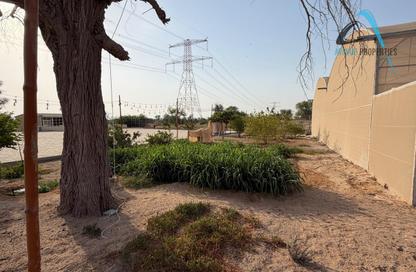
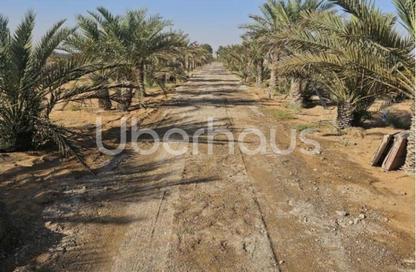
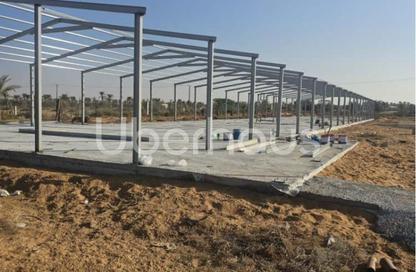
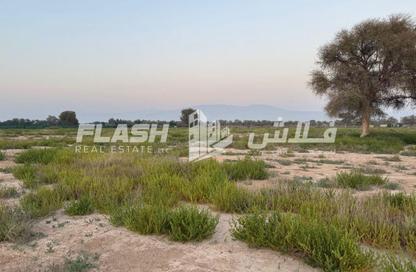
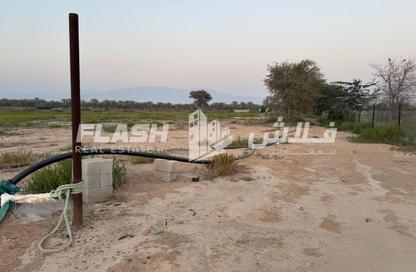
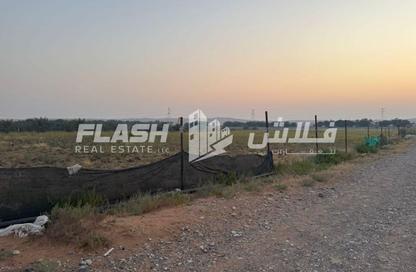
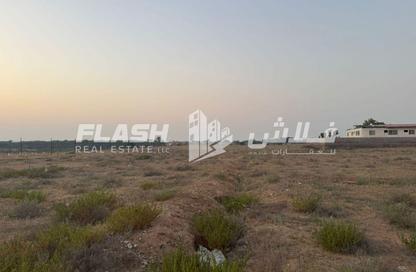
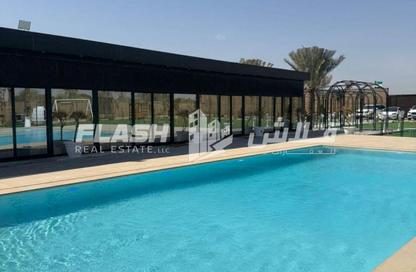
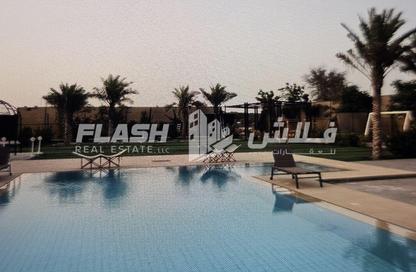
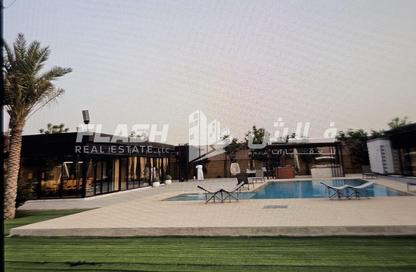
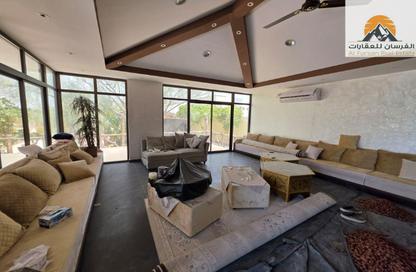
Beyond the city limits, a growing agricultural sector is attracting investors and families looking for private retreats. The market for farms for sale in the UAE combines heritage, leisure, and food security in ways that few other investments can match. With government initiatives supporting local farmers and sustainable production, owning agriculture land for sale in UAE goes beyond a simple property purchase.
These diverse environments support various agricultural activities. Farm ownership provides tranquility and a connection to nature, serving as a weekend escape from city life. The market for agriculture farm for sale listings appeals to UAE nationals and GCC citizens who value traditional farming—dates and livestock—while modern hydroponic and organic methods are gaining traction.
Ownership rules are strict. Most farm land for sale in UAE is available only to UAE and GCC nationals. Other nationalities may access specific leasehold rights or usufruct options lasting up to 100 years in designated investment zones, particularly in northern emirates or through commercial arrangements. Freehold land ownership for farms remains tightly regulated.
Prices vary widely. Small hobby farms in remote areas start around AED 1.5 million. Fully operational commercial farms for sale in UAE or luxury estates in prime locations like Al Ain or Dhaid range from AED 5 million to over AED 20 million. Farm plots typically measure between 100,000 and 500,000 square feet.
Purchasing a farm for sale in UAE follows a specific legal process. This applies mainly to UAE and GCC nationals because of ownership laws, though corporate entities and investors should check specific emirate regulations.
Many investors need mortgage financing.
Once you find the right property, the legal commitment starts.
For farms, NOCs are required and may involve multiple authorities.
Before transfer, you need clearance from:
The final step happens at the relevant authority, such as the Dubai Land Department or Abu Dhabi Municipality.
This is the official transfer. You will:
Buying a farm might qualify you for residency if the property includes a residential component and meets valuation requirements. Pure agriculture land for sale in UAE might not qualify for standard residential visas, so verify specific emirate immigration rules.
Key requirements
Visa types based on investment
A two-year property investor visa requires a minimum investment of AED 750,000. It renews every two years, allows spouse and children sponsorship, and is issued by DLD (Taskeen) or the relevant emirate authority.
A 10-year Golden Visa requires a minimum property value of AED 2 million. It can include mortgaged properties with specific equity requirements.
Documents required
Financing an agricultural farm for sale is specialized. Banks may classify it as commercial or land finance.
Submit financial documents for an affordability assessment.
Confirm the farm has a proper title deed and qualifies for financing.
Submit property details to the lender.
The bank assesses the farm's value, including land and assets.
The loan amount and terms are confirmed.
Accept the terms and conditions.
Complete registration at the Land Department or Municipality.
Fujairah sits on the east coast with terrain ranging from mountains to coast. Farms here cost less than in Abu Dhabi or Dubai. The soil supports mixed crops, and the area attracts weekend visitors because of cooler weather. Prices for small plots are competitive.
Ras Al Khaimah has fertile soil and a strong agricultural output. Areas like Digdaga and Hamraniya serve as hubs for vegetable and dairy farming. RAK balances affordability and productivity with excellent road connections to other emirates.
Umm Al Quwain offers vast spaces at lower prices. The emirate suits livestock farming and date plantations. It provides a quiet, traditional farming environment with less commercial development.
Al Ain is the traditional center of UAE agriculture. Farms here are often generational estates with ancient falaj irrigation systems and mature date palms. UAE nationals prize these properties for their heritage value and luxury features. Prices reflect this premium status.
Located near Dubai's urban center, farms in these areas often become luxury desert retreats. While they maintain agricultural status, many include lavish villas, stables, and recreational facilities. They function as high-value lifestyle assets.
Al Dhaid is a central oasis region known for rich water sources and productive soil. Farms here are large and well-equipped. They operate as both productive agricultural businesses and luxury family estates.
Most farming areas, including Al Dhaid, Al Ain, and RAK, connect to major highways like Sheikh Mohammed Bin Zayed Road (E311) and Emirates Road (E611). Public transport is scarce in remote farming areas. Private vehicles are necessary.
Commute times include Al Ain to Abu Dhabi City at about 1.5 hours, Al Dhaid to Dubai at roughly 45 minutes, and RAK to Dubai at around one hour.
Agricultural land ownership is generally restricted to UAE and GCC nationals. Expats can typically only purchase properties in designated freehold zones, which rarely include agricultural land.
A residential or hobby farm serves primarily as a leisure property. It often features a large villa and basic crops. A commercial farm operates as a business focused on high-yield production of crops or livestock.
Many farms have wells, but groundwater usage is regulated. Desalination plants that treat salty well water need maintenance and electricity. If you connect to the municipal grid, standard agricultural tariff rates apply.
If the farm includes a residential property (villa) and the total value exceeds AED 2 million, you may qualify for a Golden Visa. The title deed must reflect this value, and specific rules about agricultural versus residential classification may apply.
Date palms are most common. With modern hydroponics, farmers successfully grow tomatoes, cucumbers, peppers, and leafy greens. Alfalfa (Jet) is popular for livestock feed.
Keeping livestock such as camels, sheep, or cows typically requires registration with the relevant municipality or food safety authority.
Banks offer specific land or commercial mortgage products. The loan-to-value ratio is often lower (around 50 percent) compared to residential homes.