Warehouses for sale in UAE: A comprehensive buyer's guide
The United Arab Emirates has established itself as a major logistics hub, connecting markets across Asia, Africa, and Europe. For business owners and investors, purchasing a commercial warehouse for sale in the UAE means securing a strategic asset in a tax-efficient economy with modern infrastructure. From the port facilities at Jebel Ali to the industrial zones in Al Quoz, the market offers diverse options for storage, manufacturing, and distribution operations.
The UAE's pro-business policies, advanced transport networks, and location along major shipping routes make it an attractive destination for commercial property investment. Both mainland and free zone areas accommodate various business activities, from heavy manufacturing to e-commerce logistics.
Overview of the property sale market in UAE
The industrial property market remains active, driven by the country's role as a regional trade center. The average asking price for a warehouse for sale in UAE sits around AED 14.6 million, reflecting the size and commercial value of these assets. Properties in premium locations like Dubai Investment Park or JAFZA can range from AED 10 million to over AED 60 million.
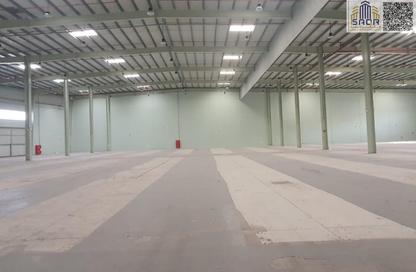
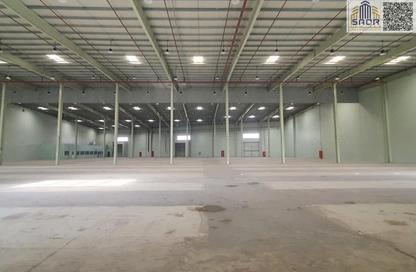
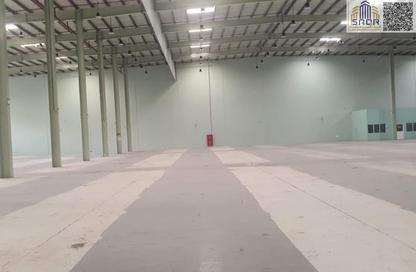
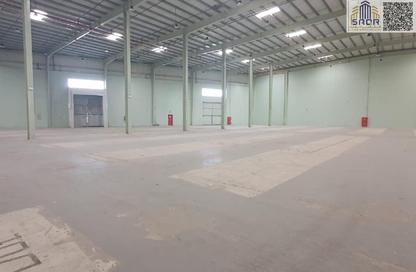
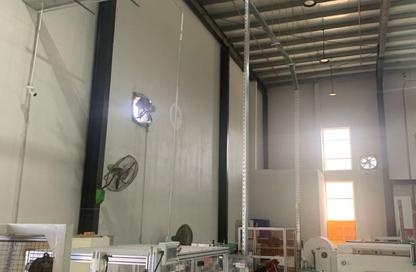
Industrial properties typically average 29,000 square feet, with larger facilities reaching up to 93,000 square feet. Modern facilities come equipped with high electrical power capacity (often exceeding 500 kW), integrated office spaces, civil defense-approved fire safety systems, and insulated roofing designed for the region's climate.
How to buy a warehouse in UAE
The process of purchasing commercial real estate in the UAE follows clear procedures that apply to both resident businesses and international investors looking to expand their operations or investment portfolios.
Choose the right area in the UAE
Location affects logistics efficiency, operating costs, and the type of business license required.
Luxury and high-spec areas:
Affordable areas:
Secure financing
Commercial financing differs from residential mortgages and is available to UAE-registered businesses and eligible individuals.
- Mortgage pre-approval based on business financial health or personal income
- Required documents include a trade license, audited financials (past two years), bank statements (6-12 months), and a company profile.
- Both conventional and Islamic (Sharia-compliant) financing options are available.
- Down payment typically 35% to 40%, with loan-to-value ratios usually at 60-65%
Make an offer and sign the sales agreement
This stage formalizes the commercial transaction between buyer and seller.
- Price negotiation based on market research and independent valuation
- Signing Form F (in Dubai) or equivalent sales agreement outlining all terms
- Deposit payment of approximately 10% held by the broker or trustee
- Setting a timeline for NOC issuance and final ownership transfer
Obtain a no-objection certificate (NOC)
The developer or relevant zone authority must issue an NOC before the transfer can proceed, confirming:
- All service charges and maintenance fees have been paid
- The facility meets zoning regulations and safety standards
Transfer ownership at DLD or the free zone authority
The final legal transfer of the warehouse title takes place at the relevant authority.
- Payment of government and registration fees (typically 4% of property value in Dubai)
- Mortgage registration fees if financing is used
- Issuance of the title deed or lease rights to the buyer
- Handover of keys and access cards upon completion
How to get a commercial mortgage in the UAE
Commercial mortgages help businesses finance the purchase of warehouses and industrial facilities.
Who can apply for a mortgage in the UAE?
- Both residents and non-residents are eligible, though residents typically access higher loan-to-value ratios
- Banks require a stable business track record (usually two years) or a high personal income
- Salaried individuals and self-employed business owners can apply
- A clean credit report from Etihad Credit Bureau is required
- Non-residents face LTV caps of 50-55% with fewer lender options
Types of mortgages available in the UAE
- Fixed-rate mortgages with interest locked for one to five years
- Variable-rate mortgages linked to EIBOR with fluctuating rates
- Islamic (Sharia-compliant) mortgages using Murabaha or Ijara structures
Documents required to apply for a commercial mortgage
For salaried individuals:
- Passport, visa, and Emirates ID
- Salary certificate and recent pay slips
- Bank statements from the past six months
For self-employed individuals and companies:
- Trade license and memorandum of association
- Audited financial statements from the past two years
- Company bank statements (6-12 months)
- Business plan outlining the property's intended use
The mortgage process in the UAE: step by step
Step 1: Mortgage pre-approval
- Submit financial documents for borrowing capacity assessment
- Establish a realistic budget based on approval
Step 2: Property selection
- Find warehouse meeting lender criteria
- Verify title deed status and location approval
Step 3: Property valuation
- The bank appoints a third-party valuer to determine the market value
- Valuation fees apply (typically AED 2,500-5,000)
Step 4: Final mortgage offer
- The bank issues a formal offer letter with interest rates and terms
Step 5: Sign the mortgage offer
- Accept terms and pay arrangement fees (usually 1%)
Step 6: Register the mortgage and transfer ownership
- Complete the transaction at the Land Department
- The bank releases funds to the seller
Key things to know before applying
- Down payment requirements typically 35-40% for commercial properties
- Loan-to-value limits are a maximum of 60-65% for residents and lower for non-residents
- Additional fees include valuation, arrangement (1%), and registration costs
Affordable areas to buy a warehouse in UAE
Sharjah Industrial Area
Sharjah Industrial Area, near the Dubai-Sharjah border, offers competitive pricing for manufacturing and storage operations. The area provides strong connectivity to the Northern Emirates and represents a cost-effective alternative to Dubai's industrial districts.
Ajman Industrial
Ajman Industrial Area delivers affordable industrial solutions with port access. Small and medium enterprises benefit from lower operational costs while maintaining connections to the UAE's road network.
Umm Al Quwain
New industrial zones in Umm Al Quwain feature modern infrastructure at reduced costs. Businesses requiring large plots and warehouses with lower overheads find this location attractive, with good access via E311.
Luxury and high-spec areas to buy a warehouse in UAE
Dubai Investment Park (DIP)
This premier development offers world-class industrial facilities with high specifications, insulation, and substantial power capacities. As a freehold area, DIP attracts foreign investors seeking long-term commercial assets.
Jebel Ali Free Zone (JAFZA)
Located beside one of the world's largest ports, JAFZA provides state-of-the-art facilities with massive power loads and direct shipping access. Multinational corporations and large-scale logistics operations favor this location.
Freehold areas for warehouses in the UAE
While many industrial zones operate on leasehold terms, specific areas offer freehold titles to foreign investors.
Dubai Investment Park (DIP)
Foreigners can buy a warehouse for sale in UAE on a freehold basis in DIP. This self-contained development combines industrial, commercial, and residential zones, supporting asset value retention.
Dubai South
This master-planned city near Al Maktoum International Airport offers freehold opportunities for logistics and aviation-related businesses, positioning them near expanding cargo operations.
Amenities and logistics in the UAE
Transport and connectivity
- Direct access to Sheikh Zayed Road (E11) and Sheikh Mohammed Bin Zayed Road (E311)
- Proximity to Jebel Ali Port and Khalifa Port for sea freight
- Al Maktoum International Airport for air cargo
Industrial infrastructure
- High electrical power loads ranging from 200 kW to 2,500 kW
- Civil defense-approved fire-fighting systems, including sprinklers
- Loading bays with hydraulic dock levelers
- Insulated roofing and temperature-controlled storage options
Business support
- On-site labor accommodation facilities
- Access to typing centers and government service locations
Pros and cons of buying a warehouse in UAE
Pros of a commercial warehouse for sale
- Industrial assets typically yield higher returns (7-9%) compared to residential property.
- Strategic location provides access to markets across three continents
- No corporate tax on qualifying free zone income and 0% personal income tax
- The growing e-commerce and logistics sectors drive capital appreciation
Cons of a warehouse for sale in UAE
- Commercial mortgages require a 35-40% down payment
- Owners handle maintenance of industrial equipment and safety systems
- Strict zoning regulations govern permitted business activities
- Property values can fluctuate with global trade patterns
FAQs about the Warehouses for sale in UAE
Can foreigners buy warehouses in the UAE?
Yes, foreigners can purchase warehouses for sale in UAE in designated freehold areas like Dubai Investment Park or Dubai South. Other areas may restrict ownership to GCC nationals or offer long-term leasehold arrangements.
Do I need a trade license to buy a warehouse?
If you plan to operate a business from the warehouse, you need a valid trade license. Investment purchases for leasing purposes may require a real estate investment license or holding structure.
What fees are involved in the purchase?
Buyers pay a 4% transfer fee to the Dubai Land Department, a 2% agency commission, and potential mortgage registration fees if financing is used.
Is VAT applicable to warehouse purchases?
A 5% VAT typically applies to commercial property sales. However, if the property transfers as a going concern (already tenanted with an active business), different VAT rules may apply.
Can I get a Golden Visa if I buy a warehouse?
Warehouse purchases valued at AED 2 million or more may qualify for a 10-year Golden Visa, provided you meet the retained ownership requirements.