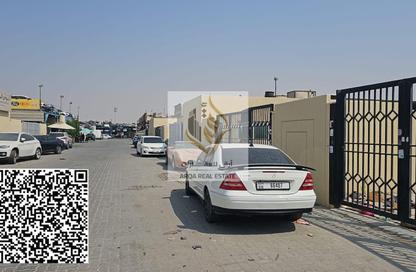
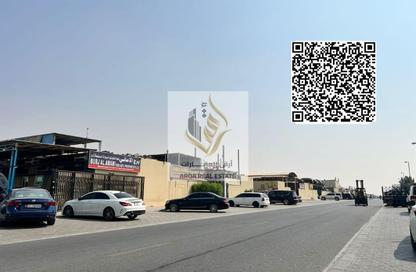
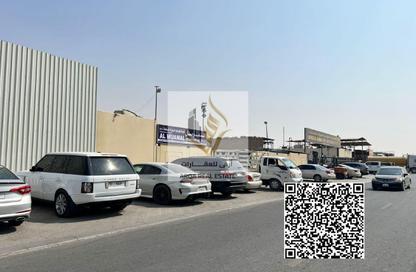
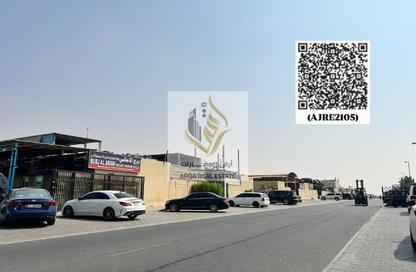
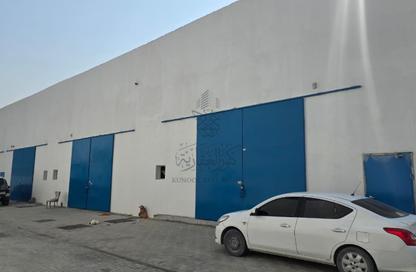
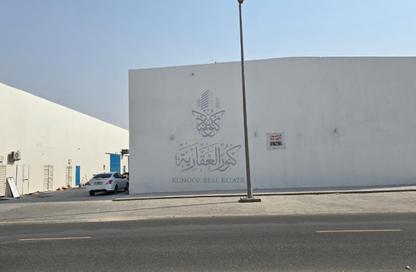
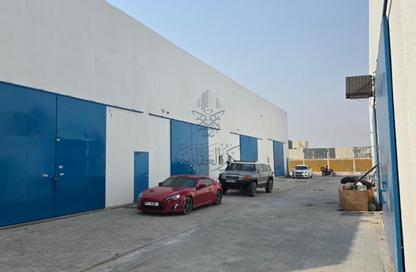
Sharjah is the UAE's third-largest emirate by area and sits at the heart of the country's industrial and logistics network. Its economy reached approximately AED 145.2 billion in 2023, driven by a strong manufacturing base, active trade corridors, and a growing free zone sector.
The emirate shares borders with Dubai, Ajman, and the northern emirates, and its road connections to major highways make it a practical base for businesses that need to move goods quickly across the region.
The market for warehouses for sale in Sharjah attracts logistics operators, manufacturers, cold storage providers, and investors who recognize the consistent demand for industrial leasing space.
The emirate offers both mainland industrial zones and specialized free zones, the latter permitting full foreign ownership and corporate tax exemptions. This combination of large-scale infrastructure and investor-friendly policies puts Sharjah in a distinct position among commercial properties for sale in UAE.
Industrial real estate in Sharjah is positioned at the premium end of the UAE logistics market, with the average Sharjah warehouse for sale priced around AED 10.28 million, compared to the national average of AED 4.61 million. This highlights the strong demand for warehouses for sale in UAE, driven by large facility sizes averaging 20,000 sq ft and industrial compounds exceeding 100,000 sq ft.
Demand remains steady from both owner-occupiers and investors targeting rental income, with key activity in the SAIF Zone and Hamriyah for foreign investment and mainland hubs like Al Sajaa and Sharjah Industrial Area offering strong road connectivity to Dubai and the northern emirates.
Sharjah warehouses cover a wide range of sizes and prices, including small units (1,650–3,500 sq ft) at AED 180,000–270,000, medium facilities (11,800–20,400 sq ft) at AED 1,130,000–6,200,000, and large industrial complexes (38,000–222,000 sq ft) reaching AED 15,000,000–55,000,000.
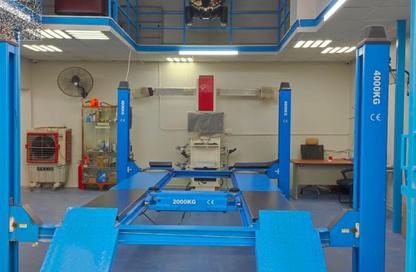
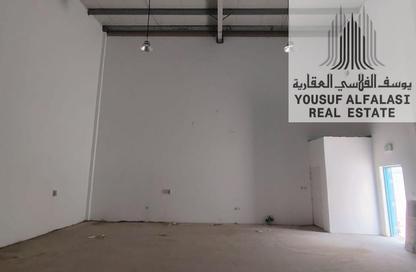
Most developments offer practical industrial infrastructure, including high-clearance storage, loading bays, wide access roads, and utilities suited for logistics, manufacturing, and distribution operations across key free zones and industrial areas.
Sharjah's free zones, including SAIF Zone and Hamriyah, allow full foreign ownership and offer exemptions from corporate taxes. These policies make the emirate a competitive option for international investors comparing warehouses for sale in the UAE.
Industrial zones sit adjacent to the E311 and E611 highways, connecting directly to Dubai, Ajman, and Ras Al Khaimah. Sharjah International Airport is the third-largest airfreight hub in the Middle East, and Port Khalid handles substantial sea freight volumes.
Few markets in the region match Sharjah's range, from 1,650 sq ft starter units through to 200,000-plus sq ft industrial yards. Alongside the growing demand for shops for sale in Sharjah, this diversity makes the emirate relevant for businesses at very different stages of growth.
Industrial occupancy in Sharjah remains strong, driven by the emirate's role as a manufacturing and distribution hub. Investors who purchase commercial properties in Sharjah benefit from reliable tenant demand in this segment.
Sharjah's industrial zones are connected to three major highways. The E311 (Sheikh Mohammed Bin Zayed Road) and E611 (Emirates Road) handle heavy freight moving between the northern emirates and Dubai, while the E11 (Al Ittihad Road) serves lighter commercial traffic heading into central commercial districts.
Public transport for workforce movement is managed by the Sharjah Roads and Transport Authority, which runs intercity bus routes across the emirate. Franchise taxi operators, including Sharjah Taxi and Emirates Cab, cover local commuting needs.
Sharjah International Airport, ranked as the third largest airfreight hub in the Middle East, is a major advantage for businesses in the SAIF Zone and surrounding areas. Port Khalid provides additional sea freight capacity, making Sharjah a dual-access point for global logistics that distinguishes it from comparable warehouses for sale in Dubai or elsewhere in the UAE.
Can foreign investors buy a Sharjah warehouse for sale?
Yes, foreign investors can purchase industrial properties in designated free zones such as SAIF Zone and Hamriyah Free Zone, both of which permit full foreign ownership. Mainland zones operate under different rules, and buyers should confirm ownership eligibility with a registered property consultant before proceeding.
What is the average asking price for a warehouse for sale in Sharjah?
The market average sits at approximately AED 10.28 million. Smaller units start from around AED 180,000, while large industrial complexes in prime zones can exceed AED 50 million.
Are there restrictions on how a purchased warehouse can be used?
Yes, Sharjah's municipal zoning laws strictly define permitted uses for each property. A warehouse designated for storage cannot be converted into office or retail space without obtaining a formal change of classification from local authorities.
What documentation is required to operate from a purchased warehouse?
Buyers need a valid trade license reflecting their business activity, passport copies, Emirates ID, and municipal approval for any structural modifications. Free zone operators will have additional requirements specific to their zone authority.
Which zones are best for heavy industry and large-scale logistics?
Al Sajaa Industrial and Hamriyah Free Zone are the strongest options for heavy operations. While these areas are known for industrial facilities, investors exploring offices for sale in Sharjah also benefit from their large plots, high electrical load approvals, and direct highway or seaport access that smaller or more central zones cannot match.