


Interest in REIT Dubai opportunities has surged as investors look for smarter, more flexible ways to access the emirate’s booming property market. Instead of buying an apartment, office, or retail unit directly, investors can gain exposure to income-generating real estate through listed Real Estate Investment Trusts (REITs).
This guide explains how a REIT Dubai structure works, the different types available, key regulations, leading opportunities, advantages, risks, and practical tips to help you invest strategically.
- What Is a REIT?
- Types of REITs in Dubai
- Key Regulations and Frameworks
- Investment Opportunities
- Pros of Investing in Dubai REITs
- Cons and Risks
- Tips for Investing Successfully
- Key Takeaways
- FAQs

What Is a REIT?
A Real Estate Investment Trust (REIT) is a company that owns, manages, or finances income-producing real estate. Investors purchase shares or units in the REIT, and in return, they receive a share of the income generated from the underlying property portfolio.
In the REIT Dubai market, these portfolios may include residential buildings, commercial offices, retail centres, schools, logistics facilities, or mixed-use developments. One defining feature is the mandatory income distribution requirement—REITs typically distribute between 80% and 90% of their net income to shareholders.
How REITs Work
When you invest in a REIT Dubai vehicle, your capital is pooled with other investors’ capital. The REIT management team then acquires and operates properties designed to generate steady rental income. Profits are distributed as dividends, while asset values may appreciate over time.
Because many REITs are publicly listed, units can be bought and sold through stock exchanges, offering liquidity that direct property ownership does not provide.
REIT vs Direct Property Ownership
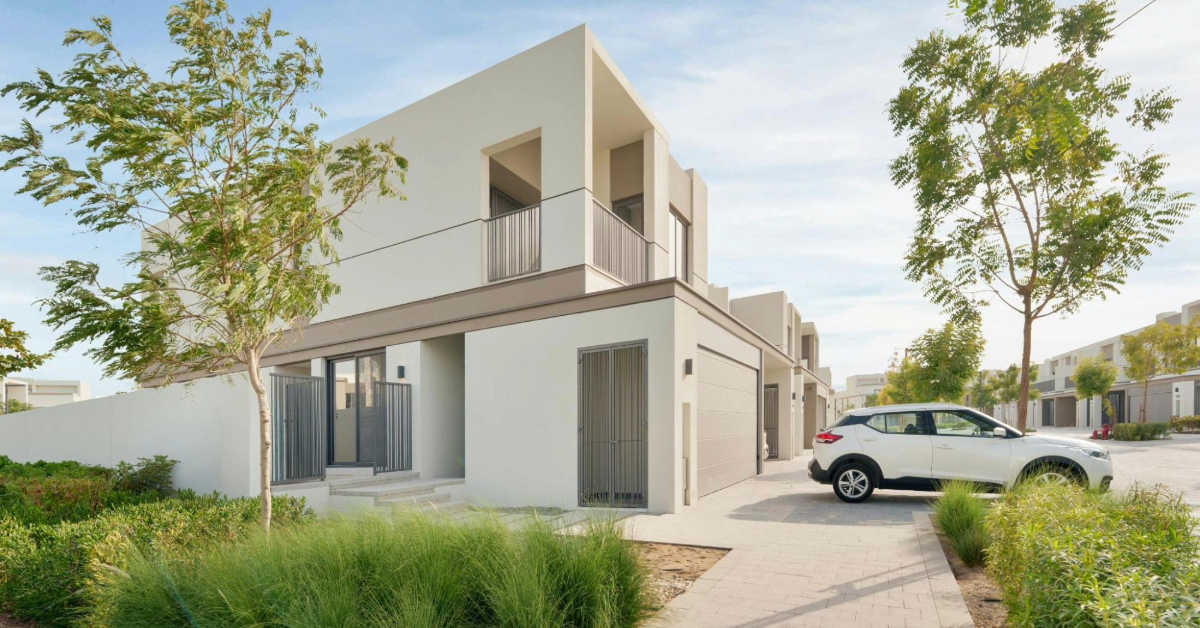
Direct ownership requires substantial capital, property management responsibilities, maintenance oversight, and exposure to vacancy risk in a single asset. A REIT Dubai investment, on the other hand, spreads capital across multiple properties and removes day-to-day operational responsibilities.
REIT vs Real Estate Funds
Traditional real estate funds may not be publicly traded and can have limited liquidity. REITs are often listed, regulated, and required to maintain transparent reporting standards. This structure enhances investor protection and access.
Types of REITs in Dubai
Understanding structure is essential before selecting a REIT Dubai product.
Equity REITs
Equity REITs are the most common type in Dubai. They directly own and operate income-generating real estate. Revenue primarily comes from rental payments, while long-term gains may result from property appreciation.
Most REIT Dubai offerings fall into this category because Dubai’s rental market remains strong across residential, commercial, and retail sectors.
Mortgage REITs
Mortgage REITs focus on financing real estate projects through loans and mortgages rather than owning physical assets. Income is generated from interest payments.
This type is less common in the Dubai REIT space, as investors often prefer tangible asset-backed structures.
Hybrid REITs
Hybrid REITs combine both ownership and financing strategies. They generate revenue from rental income and interest-based lending activities. Due to their broader scope, hybrid models face more complex regulatory oversight.
Sharia-Compliant REITs
Sharia-compliant REITs follow Islamic finance principles. They avoid interest-based income and invest only in Sharia-approved asset classes and lease structures.
A prominent example is Emirates REIT, listed on Nasdaq Dubai. Sharia-compliant structures are particularly attractive in the regional investment landscape.
Key Regulations and Frameworks

The REIT Dubai sector operates under structured regulatory oversight. Depending on the listing venue, supervision falls under the Securities and Commodities Authority (SCA) or the Dubai Financial Services Authority (DFSA).
REITs must comply with strict disclosure, governance, and valuation rules. A key requirement is the distribution of 80–90% of annual net income to shareholders.
Under the UAE Corporate Tax Law (Federal Decree-Law No. 47 of 2022), qualifying REITs may benefit from corporate tax exemptions if they meet specific asset and listing conditions. The UAE generally does not impose withholding tax on dividends, and there is no personal income or capital gains tax at the federal level for most investors.
This regulatory clarity enhances confidence in REIT investments in Dubai.
Investment Opportunities
Dubai’s expanding property market has fueled strong REIT performance in recent years.
Dubai Residential REIT
Dubai Residential REIT, launched in 2025, focuses on large-scale residential communities. Its portfolio includes thousands of units across City Walk, Bluewaters, Meydan Heights, and International City.
With high occupancy levels and strong tenant retention, residential-focused REITs in Dubai have delivered competitive dividend yields, often in the 7–8% range. Combined with potential capital growth, total returns may reach double digits under favourable conditions.
Emirates REIT
Emirates REIT provides diversified exposure across commercial, retail, and educational properties. It has reported income growth and improved net asset value performance in recent years, making it a notable option in the REIT landscape in Dubai.
Other REIT Alternatives in the UAE and MENA
Beyond residential and diversified models, investors may explore regional REITs focused on logistics, industrial assets, and mixed-use properties. Growth in e-commerce and supply chain demand has strengthened the logistics and warehouse segment.
Diversifying across multiple REIT options in Dubai and asset types can reduce concentration risk.
Pros of Investing in Dubai REITs
A key advantage of a REIT investment in Dubai is its attractive income generation. Dividend yields between 6% and 8% are common in 2025, particularly in residential and mixed portfolios.
Capital appreciation is another benefit, supported by Dubai’s population growth, infrastructure development, and tourism expansion.
Tax efficiency adds further appeal. Qualifying REITs may enjoy corporate tax exemptions, and dividends are generally not subject to withholding tax in the UAE.
Liquidity differentiates REITs from direct property ownership. Listed units can be traded on exchanges, making entry and exit easier.
Finally, diversification across multiple assets and sectors reduces exposure to single-property risk.
Cons and Risks
Despite strong fundamentals, REIT investments in Dubai carry risks. Oversupply in certain residential or commercial segments could impact rental rates and occupancy levels.
Rising interest rates may increase borrowing costs, potentially pressuring dividend payouts. Regulatory or tax policy adjustments could also influence performance.
Operational risks include property management inefficiencies, maintenance costs, and tenant turnover. Foreign investors should consider currency exposure to the AED and taxation rules in their home jurisdictions.
Additionally, investors have limited control over asset selection and disposal decisions within a REIT structure.
Tips for Investing Successfully
Begin by defining your objective—steady income, long-term growth, or portfolio diversification. Your goal should guide your REIT selection in Dubai.
Evaluate financial metrics such as occupancy rates, tenant retention, revenue growth, and cost management. Assess asset types and geographic exposure carefully. Prime locations often deliver more stable performance.
Review management fees, governance standards, and regulatory compliance. Transparency and reporting quality are essential indicators of reliability.
Diversify across multiple REITs and asset classes to reduce risk. Finally, monitor macroeconomic trends including interest rates, supply pipelines, tourism growth, and migration patterns, all of which influence the REIT Dubai market.
Explore the Available Properties for Sale in Dubai
-
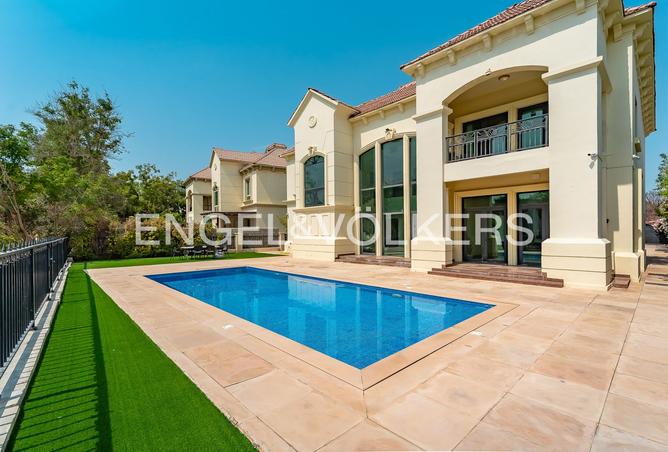

Villa
Listed 2 days ago
24,750,000 AED
Lake View | Rare to Market | Garden Hall
Cluster 50, Mediterranean Clusters, Jumeirah Islands, Dubai
4
5
10,643 sqft
-

Villa
Listed 1 month ago
15,950,000 AED
Fully Renovated | Extended 5 Bed | Private Pool
Mirador, Arabian Ranches, Dubai
5
5
6,889 sqft
-

Villa
Listed 3 days ago
9,750,000 AED
Backing Park | Extended | Fully Upgraded
Saheel 2, Saheel, Arabian Ranches, Dubai
4
5
6,217 sqft
-

Apartment
Listed 2 weeks ago
1,950,000 AED
Boulevard View | Vacant | Pristine Condition
29 Burj Boulevard Tower 2, 29 Burj Boulevard, Downtown Dubai, Dubai
1
2
799 sqft
-

Villa
Listed 3 days ago
14,850,000 AED
Open House this Saturday & Sunday ! 3rd October | 10am - 1pm
Alvorada 2, Alvorada, Arabian Ranches, Dubai
4
3
7,560 sqft
-

Villa
Listed 1 day ago
35,000,000 AED
Exclusive | BCI Finish | Extended Villa
Cluster 18, Contemporary Cluster, Jumeirah Islands, Dubai
4
5
10,709 sqft
-

Apartment
Listed 1 day ago
11,300,000 AED
Island Living|Stunning Sea View |Upgraded Interior
Bluewaters Residences Building 2, Bluewaters Residences, Bluewaters, Dubai
2
3
1,488 sqft
-

Apartment
Listed 1 day ago
16,800,000 AED
Ain Dubai and Sea View|Luxury Upgraded|Corner Unit
Bluewaters Residences Building 2, Bluewaters Residences, Bluewaters, Dubai
3
4
2,115 sqft
-

Villa
Listed 6 days ago
369,000,000 AED
Masterpiece | Private Beach | Trophy Home
Eome Residences, The Crescent, Palm Jumeirah, Dubai
6
7+
24,921 sqft
-

Villa
Listed 1 week ago
11,000,000 AED
Exclusive D1 Villa|Expansive Layout |Luxury Living
Jebel Ali Village Villas, Jebel Ali Village, Jebel Ali, Dubai
5
6
6,942 sqft









Key Takeaways
A REIT Dubai investment provides access to income-generating real estate without direct ownership responsibilities. Most Dubai REITs are equity-based and focus on rental income combined with potential asset appreciation. Strong regulatory frameworks require high levels of income distribution and provide tax efficiencies under qualifying conditions.
Leading vehicles such as Dubai Residential REIT and Emirates REIT have demonstrated competitive yields and growth metrics. However, investors must carefully assess market conditions, interest rate trends, regulatory developments, and portfolio diversification before investing.
FAQs
You can invest through a licensed brokerage by purchasing listed units. The minimum investment typically equals the price of one share, often well below AED 5,000, depending on the REIT’s market value.
Qualifying REIT dividends are generally not subject to UAE withholding tax, and there is no local personal income or capital gains tax in many cases. However, investors should verify tax obligations in their home country.
They comply with Islamic finance principles, avoid interest-based income, and invest only in Sharia-approved asset classes and lease structures.
Key risks include oversupply in certain sectors, rising interest rates, regulatory changes, and potential performance pressure from declining occupancy or rental rates.
Evaluate asset type, location quality, dividend yield, financial performance, governance standards, and your personal risk tolerance. Diversification remains essential when building exposure to the REIT market in Dubai.