



Metro timing in Ramadan plays a major role in how people plan their days in the UAE, especially with fasting hours, prayer schedules, and late-night routines shaping daily movement. During Ramadan, public transport adjusts to reflect shifts around suhoor, iftar, and Jumu’ah prayers, while still supporting work, shopping, and social travel.
In this guide, learn about:
- Dubai metro and tram timings in Ramadan (2026/1447H)
- Other Dubai transport and support services during Ramadan
- Key differences and evening patterns during Ramadan
- Schedules outside Dubai and other Emirates
- Travel tips and best timing practices during Ramadan
- Key takeaways
- FAQs
Dubai metro and tram timings in Ramadan (2026/1447H)
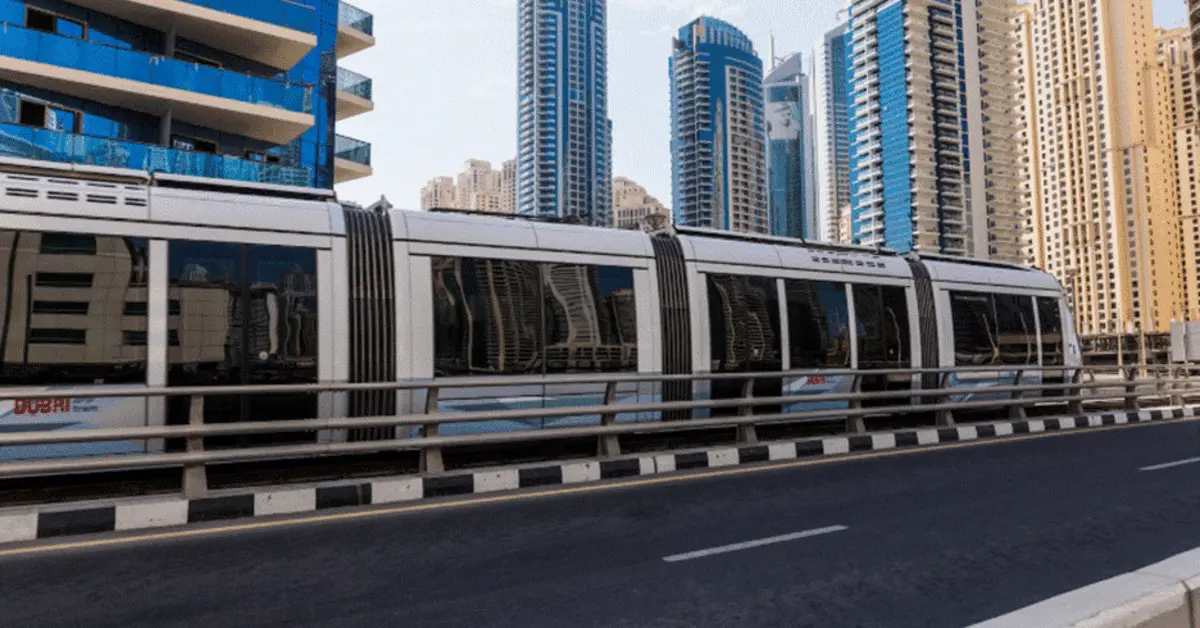
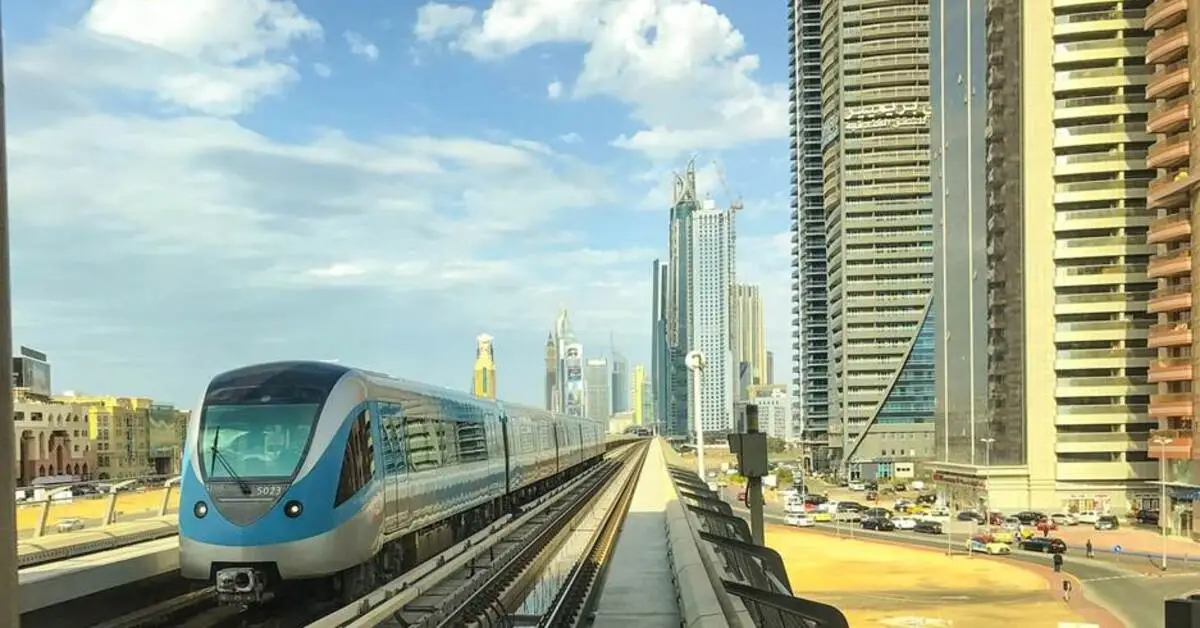
Dubai Metro continues to operate throughout Ramadan with early morning starts and late-night services. The overall structure remains familiar, but certain days follow slightly different schedules.
Understanding metro timing in Ramadan becomes especially useful for those commuting daily or travelling to key residential areas. Stations serving communities like Al Nahda, Deira, and Rashidiya see higher evening demand, especially after iftar, which is why knowing station-level context matters.
Full schedule for Red and Green Line stations
The Red and Green Lines follow a unified Ramadan timetable across all stations.
- Monday to Thursday: 5:00 a.m. to 12:00 a.m. (midnight)
- Friday: 5:00 a.m. to 1:00 a.m. (next day)
- Saturday: 5:00 a.m. to 12:00 a.m. (midnight)
- Sunday: 8:00 a.m. to 12:00 a.m. (midnight)
These timings apply network-wide, although the last train from individual stations may depart earlier than the terminal station closing times.
For residents commuting daily, especially those travelling through residential-heavy areas, planning routes around metro access from Al Nahda and nearby neighbourhoods can help reduce delays during peak Ramadan evenings.
Tram operational hours during Ramadan
The Dubai Tram also follows extended night operations during Ramadan to support post-iftar movement across Marina and JBR.
- Monday to Saturday: 6:00 a.m. to 1:00 a.m. (next day)
- Sunday: 9:00 a.m. to 1:00 a.m. (next day)
While services generally run smoothly, minor pauses or frequency adjustments may occur during prayer times or very late suhoor hours.
Passengers connecting through older neighbourhoods or transfer-heavy areas often pass key interchange stations like Al Qiyadah in Deira, where late evening traffic increases noticeably during Ramadan.
Other Dubai transport and support services during Ramadan
Beyond the metro and tram, Dubai’s wider transport network adapts to Ramadan rhythms while maintaining coverage across the city.
Public buses, metro link, and marine transport
- Public buses: Public buses continue operating throughout Ramadan, but individual route timings may shift. Some routes add evening services, while others adjust frequency during fasting hours. Real-time updates are best checked through the S’hail app.
- Metro Link buses: Metro Link buses continue to align their operations with metro timing in Ramadan, ensuring first-mile and last-mile connectivity from metro stations to nearby communities.
- Marine transport: Marine transport, including abras, ferries, and water taxis, mostly follows regular schedules, with limited adjustments on selected routes during prayer times.
Customer service and vehicle testing centres
RTA service centres also operate on adjusted schedules during Ramadan.
- Happiness centres: Happiness centres in Umm Ramool, Deira, Al Barsha, Al Manara, and Al Tawar typically operate from Monday to Thursday between 9:00 a.m. and 5:00 p.m., and on Fridays from 9:00 a.m. to 12:00 p.m.
- Smart centres: These centres, including the RTA head office and Al Kifaf, continue offering services around the clock.
- Vehicle testing centres: Testing centres such as Tasjeel and centres in Hatta usually operate split shifts, with a morning window and an evening or night shift, depending on location.
Key differences and evening patterns during Ramadan
Metro timing in Ramadan shows noticeable crowd patterns rather than major schedule disruptions.
Fridays often see heavier demand after Jumu’ah prayers, particularly in the late afternoon and evening. Although metro services start early, stations near mosques and commercial districts experience crowd surges post-prayer.
Sundays follow a delayed start at 8:00 a.m., which can affect early commuters unfamiliar with Ramadan schedules.
Late evenings after 10:00 p.m. become some of the busiest travel windows, as families head out after iftar and taraweeh prayers. Services usually remain steady, but station congestion increases.
Schedules outside Dubai and other Emirates
Dubai remains the only Emirate with a full metro system. Other Emirates rely primarily on buses and limited express services during Ramadan.
Sharjah typically operates public buses from around 6:00 a.m. to 11:00 p.m., with some evening route extensions. Abu Dhabi and other Emirates do not have metro systems, but selected bus routes start earlier and run later to accommodate Ramadan routines.
Understanding fasting schedules is useful when travelling between Emirates, especially for long evening commutes. Many travellers align their journeys around iftar timings in Dubai or iftar timings in Abu Dhabi to avoid peak congestion periods.
Travel tips and best timing practices during Ramadan

Planning makes metro timing in Ramadan far more manageable.
- Plan around fasting hours: Travel demand rises sharply in the hour leading up to iftar, as commuters head home or towards dining areas. Avoiding this window can help reduce waiting times and crowded platforms.
- Travel early for quieter rides: Early mornings between 5:00 a.m. and 8:00 a.m. are typically less crowded and more comfortable, making them ideal for work commutes and essential travel during Ramadan.
- Confirm last train timings: Late-night travel after 10:00 p.m. is common, but last train departures can vary by station. This is especially important if you are not travelling to or from terminal stations.
- Factor in prayer times: Movement patterns change noticeably around prayer times, particularly on Fridays after Jumu’ah. Stations near mosques and commercial areas may experience short-term congestion.
Key takeaways
Metro timing in Ramadan remains largely consistent across years, with the Dubai Metro starting early and running until midnight or later, depending on the day. Sundays follow a later start, while Fridays extend into the early hours of the next day.
The tram and marine transport maintain extended evening services, supporting post-iftar travel. Customer service centres operate reduced hours, while smart centres remain available around the clock. Outside Dubai, public transport schedules vary by Emirate, with buses forming the backbone of Ramadan mobility.
FAQs
No. While the structure remains similar, official announcements and moon sightings can lead to slight adjustments.
No. Last train departures from individual stations may be earlier than terminal station closing times.
Yes. Metro services generally start around 5:00 a.m. during Ramadan, although frequency may be lower.
The tram may have minor timing adjustments, especially on Sundays, but it generally follows extended Ramadan hours.
The RTA S’hail app and official RTA channels provide the most reliable real-time updates.