



Ramadan is a time of reflection, fasting, and, most importantly, sharing food with loved ones. In the UAE, the holy month transforms dining across the country, offering a rich tapestry of traditional and modern cuisine specifically designed for iftar dishes. From bustling street markets to luxury hotel buffets, the UAE serves up an array of flavours that celebrate both heritage and innovation.
Understanding the variety of dishes available and the cultural context behind them can greatly enhance your Ramadan experience.
In this guide, you’ll find:
- Main Categories of Ramadan Dishes
- Regional & Fusion Influences in UAE Ramadan Cuisine
- Eating Tips & Portioning for Ramadan in the UAE
- Where to Try These Dishes in the UAE
- Key Takeaways
- FAQs
Main Categories of Ramadan Dishes

Ramadan in the UAE features a rich variety of iftar dishes, ranging from hearty mains to light starters, indulgent desserts, and refreshing beverages. These iftar dishes reflect both traditional Emirati cuisine and international influences, ensuring a diverse and satisfying experience for those breaking their fast.
Hearty Staples & Mains
Hearty mains form the centrepiece of any iftar meal, providing the energy and nutrients needed after a day of fasting.
- Harees – A slow-cooked porridge made from wheat and meat, typically chicken or lamb. Harees is gentle on the stomach and soothing after long hours of fasting. Its creamy texture and simple seasoning make it a comforting Ramadan staple.
- Thareed (Thereed) – This traditional stew combines tender lamb or chicken with vegetables, layered over crispy flatbread. Each bite absorbs the rich flavours of the stew, making it a filling and satisfying iftar dish.
- Machboos – A fragrant rice dish cooked with meat such as chicken, fish, or lamb, Machboos is seasoned with dried limes, saffron, and local spices. It is a quintessential Emirati main dish, celebrated for its aromatic depth and hearty portions.
- Biryani / Kabsa – Influenced by Indian and Saudi cuisines, these rice-based dishes are rich and festive, often featuring a blend of spices, meat, and nuts. They bring international flair to the Ramadan table, appealing to a wide range of palates.
- Kousa Mahshi – Stuffed zucchini in a tomato-based sauce, Kousa Mahshi is hearty yet lighter on meat, providing a satisfying and wholesome option for those seeking a balance between nutrition and flavour.
Soups, Starters & Shareable Bites
Soups and starters are often the first items on an iftar table, preparing the stomach for heavier mains while offering communal, shareable flavours.
- Shorbat Adas (Lentil Soup) – A mild and nutritious soup, Shorbat Adas is gentle on the stomach yet filling, making it an ideal first course after a day of fasting.
- Kibbeh – Bite-sized snacks made of bulgur wheat filled with spiced meat. Kibbeh combines texture and flavour in every mouthful. Perfect for sharing during iftar.
- Samboosa / Samosa – Triangular pastries stuffed with meat, vegetables, or cheese, deep-fried to golden perfection. Samboosa is a popular finger food, often enjoyed alongside soup or salads.
- Fattoush & Tabbouleh – Fresh salads that balance heavier cooked mains, these dishes bring bright, citrusy flavours and crisp textures to the table.
Desserts & Sweet Treats
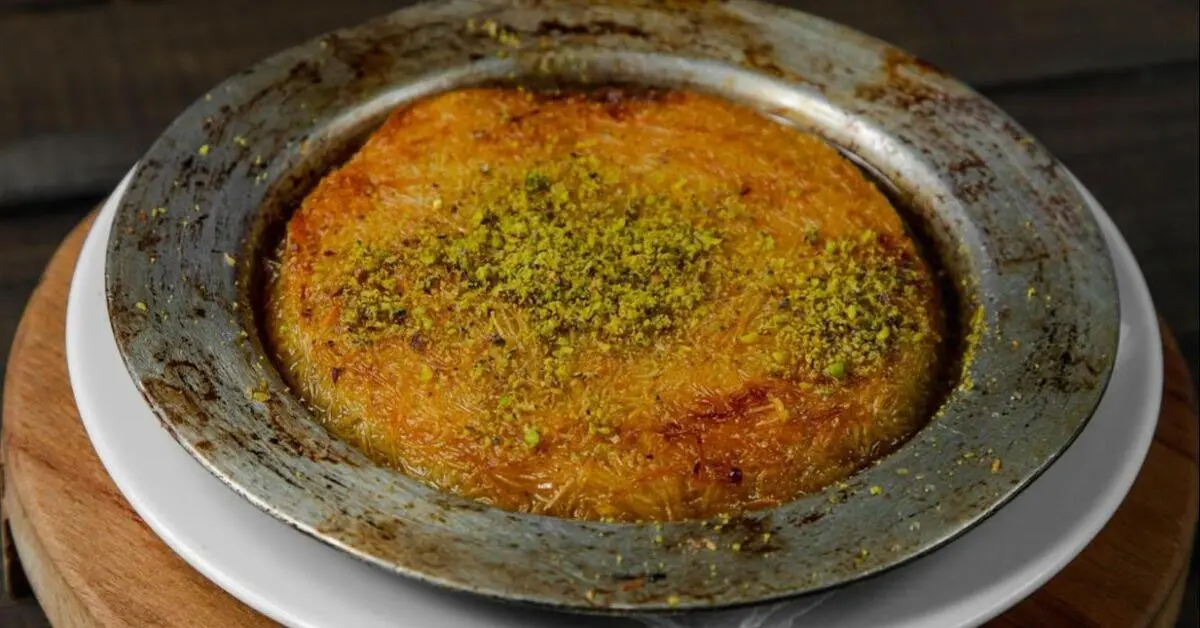
Sweet treats are an essential part of Ramadan, providing quick energy and a sense of indulgence after fasting.
- Luqaimat – Deep-fried dumplings drizzled with honey or date syrup, Luqaimat are a classic sweet enjoyed throughout the UAE during Ramadan.
- Kunafa – Made with shredded pastry or vermicelli, layered with cheese or cream, and soaked in sweet syrup, Kunafa is a festive dessert that is both rich and beloved.
- Baklava – Layers of filo pastry, nuts, and syrup, Baklava is a shareable dessert that pairs perfectly with coffee or tea after an iftar meal.
- Umm Ali – A creamy, baked bread pudding with nuts, coconut, and raisins, Umm Ali offers a comforting, indulgent end to the meal.
- Basbousa – Semolina cake soaked in sweet syrup, often topped with almonds, Basbousa is a traditional favourite that brings a light yet satisfying sweetness to iftar.
- Qatayef – Stuffed pancakes or dumplings filled with nuts or cream, Qatayef can be folded or fried, making them a festive and indulgent treat during Ramadan.
Drinks & Refreshments
Refreshing beverages are essential for rehydration and digestion after a day of fasting.
- Tamarhindi (Tamarind Drink) – A tangy, cooling beverage often served chilled, perfect for breaking the fast.
- Ayran – A salty yoghurt drink that balances heat and aids digestion, Ayran is both refreshing and nourishing.
- Qamar al-Din – Made from apricot paste, this traditional iftar drink is sweet, fruity, and widely popular across the UAE.
- Vimto, Karak Tea, Arabic Coffee – Popular evening and post-iftar drinks, these beverages complement desserts or provide a gentle boost after a full meal.
Regional & Fusion Influences in UAE Ramadan Cuisine
The UAE’s multicultural population has a profound impact on Ramadan dining, creating a rich tapestry of flavours that extends far beyond traditional Emirati fare. Migrant communities from South Asia, the Levant, and North Africa bring their own culinary traditions to the iftar table, making Ramadan meals in the UAE uniquely diverse.
Among the most popular contributions are Indian and Pakistani dishes such as:
- Haleem, a slow-cooked porridge of wheat, lentils, and meat, spiced to perfection.
- Similarly, Dawood Basha, spiced meatballs in tomato-based sauce, reflects Levantine influences and has become a staple in many Ramadan spreads.
- Maqluba, a layered rice, meat, and vegetable dish, is another favourite, offering both hearty nourishment and a visually striking presentation that complements the festive spirit of iftar.
Levantine cuisine also contributes a variety of mezze, including:
- Hummus
- Baba ghanoush
- Tabbouleh
These are commonly served alongside traditional Emirati dishes. These shareable plates provide lighter, fresh options that balance the richness of mains, while Indian and Pakistani dishes add warmth, spice, and depth to the evening meal.
The blending of these regional and fusion influences highlights the UAE’s culinary openness, transforming iftar into a celebration of not only local heritage but also global flavours. This multicultural approach ensures that every iftar gathering, whether at home, in a restaurant, or at a hotel buffet, is diverse and memorable, catering to the tastes of residents and visitors from around the world.
Eating Tips & Portioning for Ramadan in the UAE
- Start with light items
- Begin your iftar with dates, soups, or fresh salads.
- Dates provide natural sugar and energy, while soups and salads gently ease your digestive system after fasting.
- Balance protein and complex carbohydrates
- Include dishes such as Machboos, Biryani, or Kousa Mahshi.
- Combining protein-rich mains with grains and vegetables helps sustain energy throughout the evening and into Suhoor.
- Share meals family-style
- Large platters and communal dining are common in the UAE during Ramadan.
- Sampling smaller portions of multiple dishes allows you to enjoy variety without overeating.
- Stay hydrated
- Drink water and include fresh fruits or traditional beverages like tamarind drinks, Ayran, or Qamar al-Din.
- Choose drinks that are refreshing but not overly sweet to maintain steady energy and aid digestion.
- Practice mindful portioning
- Pace yourself and avoid finishing a plate too quickly.
- Enjoy the flavours of both hearty mains and light starters to make the iftar meal balanced and satisfying.
Where to Try These Dishes in the UAE
From traditional Emirati restaurants to sweet shops and fusion eateries, the UAE offers a wide variety of venues where you can enjoy these popular iftar dishes. Here’s a guide to some of the best options:
| Emirati Dish | Restaurant / Region | Price Range |
| Harees | Al Fanar, Arabian Tea House | Moderate |
| Luqaimat, Kunafa, Umm Ali | Sweet shops across Dubai & Abu Dhabi; AlHalabya Sweets | Low-to-Moderate |
| Machboos / Kabsa | Local Emirati restaurants and iftar buffets | Moderate to High (for buffet feasts) |
| Dawood Basha, Haleem | South Asian / Emirati fusion spots | Moderate |
Please note that the price range indicates a shared meal or plate, depending on the venue.
Key Takeaways
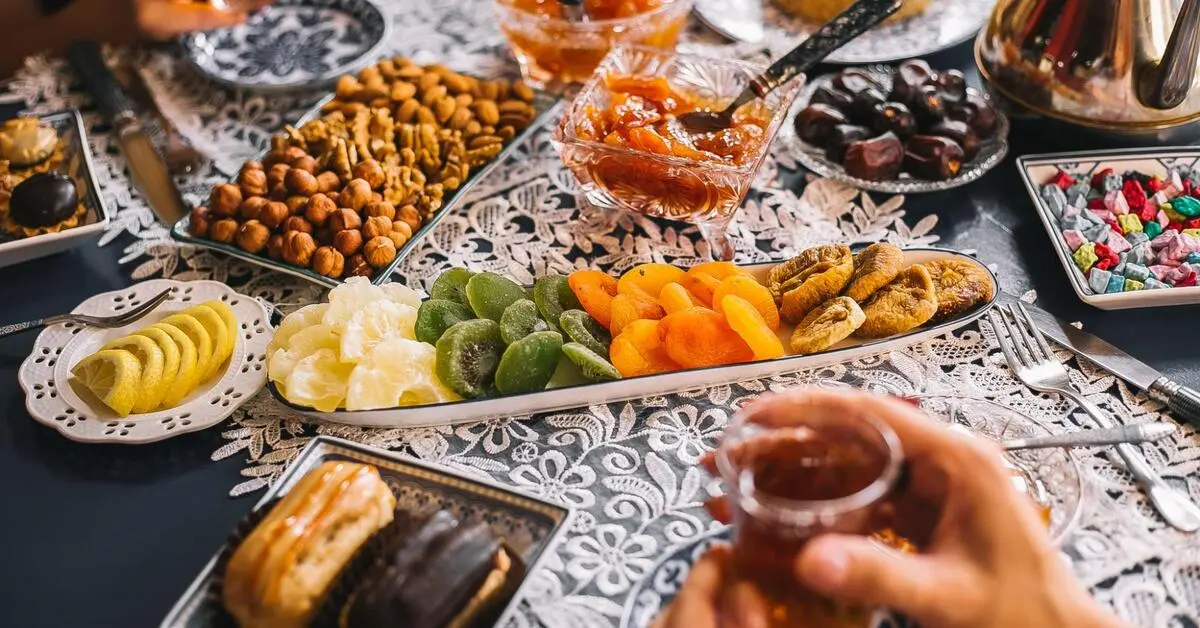
Ramadan cuisine in the UAE beautifully combines deeply rooted Emirati staples with regional and international influences. Hearty mains such as Harees, Thareed, and rice-based dishes often dominate the iftar table, while fresh salads, soups, and Sambosas provide balance and variety. Sweet treats like Luqaimat, Kunafa, Qatayef, and Baklava are essential for a satisfying end to the meal, complemented by traditional drinks such as Tamarhindi, Ayran, Arabic coffee, and Karak tea, which aid hydration and offer comfort after a day of fasting.
Beyond the food itself, the cultural practices of dining together, starting with lighter items, and sharing dishes play a central role, making the iftar experience as much about community as it is about flavour.
FAQs
Harees is a porridge-like dish made from wheat and meat, slow-cooked until creamy, while Thareed is a bread-based stew where flatbread soaks up the flavours of meat and vegetable broth.
Luqaimat, Kunafa, Umm Ali, Baklava, and Qatayef are among the most popular desserts, commonly served across homes and sweet shops throughout the country.
Yes. Salads like Fattoush and Tabbouleh, soups such as lentil or Shorbat Adas, Kousa Mahshi (with more vegetables), and lighter bread-and-cheese starters provide gentler alternatives.
Traditional beverages such as Tamarhindi, Ayran, Qamar al-Din, Karak tea, Vimto, and Arabic coffee are hydrating, comforting, and commonly enjoyed during iftar.
Absolutely. Many restaurants offer vegetarian sambosas, salads, and modified desserts with low or alternative sugars, and all dishes in the UAE adhere to halal standards.