



Understanding the visa requirements of the Philippines for UAE residents is essential for anyone planning to travel from the Emirates, whether for leisure, business, family visits, or education. The Philippines follows clear entry policies based on nationality, residency status, and purpose of travel, and these rules continue to evolve with digital systems and embassy-led initiatives. For UAE residents, knowing whether a visa is required, which application route applies, and how processing works helps avoid last-minute complications.
In this guide, find out:
- Visa-free entry for UAE passport holders
- Philippine e-Visa for UAE residents
- Regular visa application process (for non-visa-free nationals or special cases)
- Visa fees and validity options
- Special cases and exceptions
- Key takeaways
- FAQs
Visa-free entry for UAE passport holders
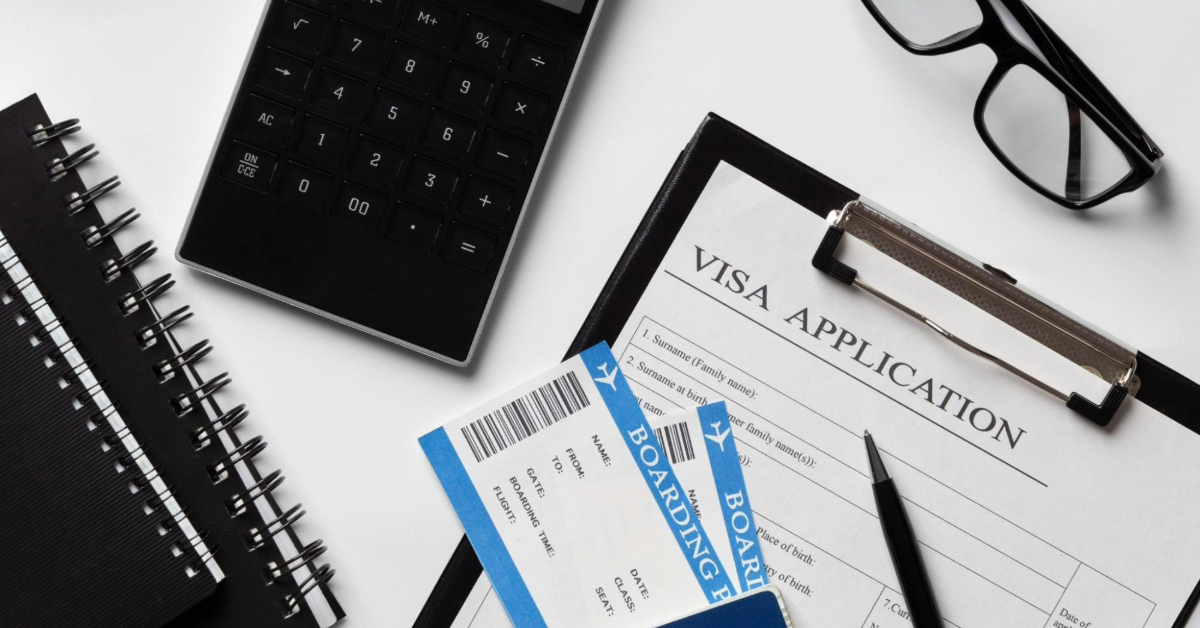
The Philippines visa for UAE residents starts with a major advantage for UAE passport holders. Under Executive Order 408, UAE citizens may enter the Philippines without a visa for short stays.
Eligibility and entry conditions
UAE passport holders are eligible for visa-free entry for up to 30 days when travelling for tourism or business purposes. This privilege does not extend to employment, internships, or long-term residence.
At the port of entry, Philippine immigration authorities may request:
- A passport valid for at least six months beyond the intended stay
- A confirmed return or onward flight ticket
- Proof of sufficient financial capacity for the duration of stay
All travellers must complete the mandatory eTravel registration online within 72 hours before arrival. Overstaying or working under a visa-free entry can result in fines, blacklisting, or future entry bans.
Philippine e-Visa for UAE residents
While UAE citizens enjoy visa-free entry, non-UAE nationals living in the Emirates must follow a different route under the Philippines visa for UAE residents’ framework.
Launch of the Philippine e-Visa system
In March to April 2025, the Philippine Embassy in Abu Dhabi became the first post in the Middle East to pilot the Philippine e-Visa system. This initiative allows eligible UAE residents to apply digitally without visiting the embassy during the initial stages.
Who can apply
The Philippine e-Visa is available to:
- Non-UAE nationals legally residing in any Emirate
- Applicants holding a valid UAE residence visa at the time of application
Nationality-specific eligibility still applies, and approval remains discretionary.
Key requirements
Applicants for the Philippine e-Visa must meet specific eligibility and documentation standards before applying.
- A valid UAE residence visa that remains active beyond the planned date of departure from the Philippines.
- Proof of financial capacity, usually in the form of recent bank statements, to demonstrate the ability to support the stay.
- A passport that meets standard validity norms, typically valid for at least six months beyond the intended stay.
How to apply
Once eligibility and documents are confirmed, the application follows a fully digital process.
- Create an account on the official Philippine e-Visa platform.
- Pay the applicable visa fee through PayIT, powered by First Abu Dhabi Bank.
- Complete digital submission of documents and wait for the approval notification sent electronically.
For Filipino residents in the UAE, ensuring travel documents remain current is equally important. Many rely on passport renewal services available in Dubai before starting any visa application.
Regular visa application process (for non-visa-free nationals or special cases)

Some applicants do not qualify for visa-free entry, or the e-Visa, and must follow the standard Philippines visa for UAE residents through diplomatic missions.
Which Philippine embassy or consulate to use
Jurisdiction depends on where the UAE residence visa was issued:
- Dubai and Northern Emirates residents apply through the Philippine Consulate General in Dubai.
- Abu Dhabi or Al Ain residents apply through the Philippine Embassy in Abu Dhabi.
Applications submitted to the wrong mission may be rejected.
Visa types and categories
Common visa categories include:
- Temporary Visitor Visa 9a for tourism or business
- Student Visa 9f for academic enrollment
- Pre-arranged Employment Visa 9g for work purposes
- Seafarer Visa 9c and other special classifications
Documentation requirements
Applicants are typically asked to provide:
- Passport valid for at least six months beyond departure
- Copy of a valid UAE residence visa
- Bank statements showing a minimum balance of AED 5,000 over the last three to six months
- Flight itinerary and hotel booking, or a letter of invitation
- Employer no objection certificate or letter of guarantee if employed
- Family documents, such as marriage or birth certificates, where applicable
This structured approach mirrors how other destinations manage applications, similar to processes seen in Schengen visa applications for UAE residents or European entry procedures for UAE residents.
Application procedures and timelines
The Philippines visa for UAE residents follows a phased process.
Applicants first submit documents digitally for pre-assessment through official embassy or consulate channels. Once approved, they receive an appointment for in-person submission and biometrics where required.
Processing timelines

| Visa type | Estimated processing time |
| Single-entry visa | At least 3 weeks |
| Multiple-entry visa | 1 to 3 months, depending on the category |
After approval, passports are submitted for visa stamping and released based on the mission’s schedule.
Visa fees and validity options
Visa fees under the Philippines visa for UAE residents vary by validity and number of entries.
| Visa type and validity | Fee range (AED) | Details |
| Single-entry, 3 months | 220 to 260 | Standard non-immigrant tourist visa |
| Multiple-entry, 6 months | 340 to 420 | Suitable for repeat travel |
| Multiple-entry, 1 year | 460 to 580 | Long-term multiple visits |
Fees may vary slightly depending on jurisdiction and nationality.
Special cases and exceptions
Certain applicants face additional requirements:
- Minors travelling alone need affidavits and parental consent
- Applicants married to Filipino citizens must provide authenticated marriage certificates
- Parents of Filipino children must submit birth certificates and proof of relationship
Applicants with UAE visa irregularities or from non-visa-free nationalities should expect a full visa review and longer processing times.
Key takeaways
The Philippines visa for UAE residents offers multiple pathways depending on nationality and residency status. UAE passport holders enjoy visa-free entry for short stays, while non-UAE nationals can apply through the e-Visa system or regular embassy channels. Choosing the correct jurisdiction, meeting financial requirements, and applying early remain essential. Employment is not permitted under visitor visas, and overstaying can result in penalties.
FAQs
No. UAE citizens can enter visa-free for up to 30 days for tourism or business, provided entry conditions are met.
Yes. Extensions are possible through the Philippine Bureau of Immigration, subject to fees and compliance.
Your UAE residence visa must remain valid beyond your planned Philippine departure date, or the application may be refused.
Processing times vary by case, but e-Visa applications may be processed faster than traditional submissions once documents are complete.
Yes. Marriage certificates, birth certificates, and proof of relationship are mandatory and must be properly authenticated.