



Art investment is gaining attention in the UAE as investors look beyond traditional assets. Unlike property or equities, art investment combines financial potential with cultural value and personal enjoyment. In a country that hosts global art fairs, auctions, and gallery districts, understanding how art works as an asset class is essential before allocating capital.
In this guide, know everything about:
- Understanding art as an investment
- Getting started with art investment
- Types of art investments
- Evaluating artwork: What to look for in art investment
- Costs, fees, and legal risks in art investment
- Building your art investment portfolio
- Where to buy art for investment
- Trends and market conditions shaping art investment
- Key takeaways
- FAQs
Understanding art as an investment
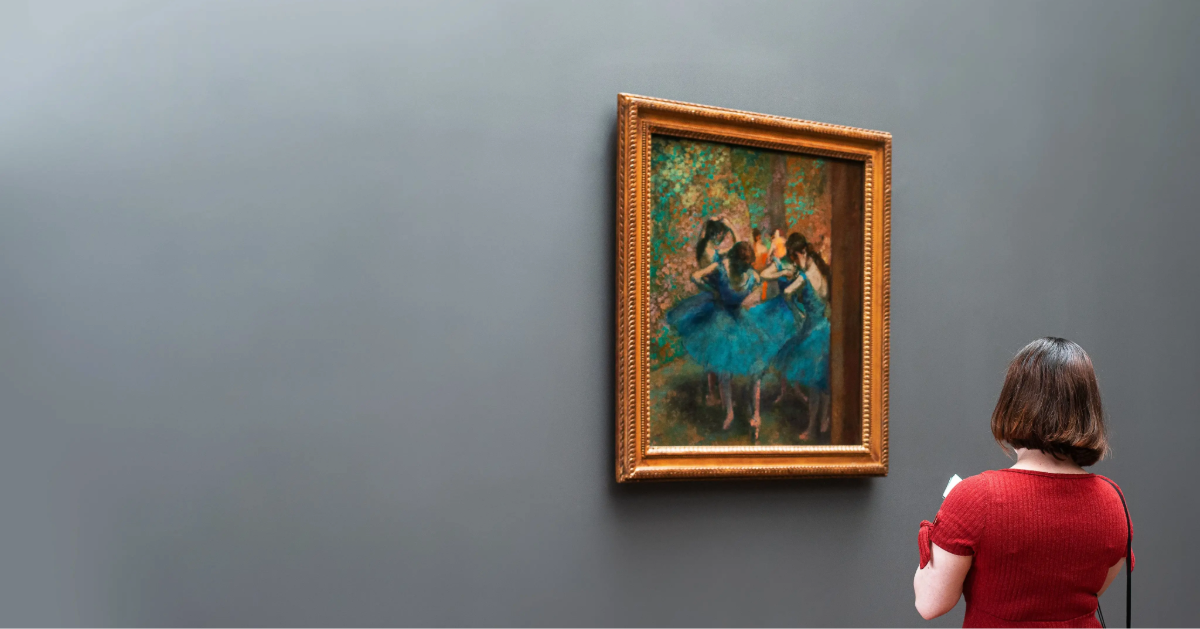
Art as an asset class offers unique opportunities and risks distinct from stocks, bonds, and real estate. Before allocating capital, it is important to understand what qualifies as an art investment and how it differs from traditional assets.
What qualifies as art investment?
Art investment involves acquiring artworks with the expectation of long-term appreciation. This includes original paintings, sculpture, photography, limited-edition prints, digital art, and NFTs. The defining factor is investment intent, not just ownership.
Art vs collectables
Fine art differs from general collectables because its value depends on cultural relevance, institutional recognition, scarcity, and sustained market demand. Emotional attachment may enhance personal value, but market pricing relies on reputation and documented provenance.
Key characteristics
- Art investment is typically illiquid, subjectively valued, and long-term.
- Prices depend on provenance, condition, exhibition history, and collector demand.
- Selling can take time, and returns are not guaranteed.
Potential benefits and main risks
Art can diversify a portfolio and may provide partial insulation from traditional market swings. However, risks include market volatility, high transaction costs, forgery, authentication disputes, and ongoing storage or insurance expenses.
Getting started with art investment
Before committing capital, clarity and preparation are essential.
Self-education
Begin by studying the market. Visit museums and galleries in the UAE, follow auction results, and read annual art market reports. Exposure builds understanding of pricing, artist reputation, and demand cycles.
Define your investment goals
Decide whether your focus is capital appreciation, personal passion, or a mix of both. Art investment usually requires a five- to ten-year horizon and realistic expectations regarding liquidity.
Set your budget
Determine how much you can allocate comfortably. Include additional costs such as transport, insurance, framing, restoration, and auction buyer premiums.
Choose your approach

You may buy from galleries in the primary market, through auctions in the secondary market, or explore fractional ownership and digital art.
Types of art investments
Different paths into art investing suit different budgets and risk tolerances.
| Type | Entry cost | Liquidity | Risk and reward | Good for |
| Blue-chip physical art | AED 185,000 to several million | Low to moderate | Lower volatility, established demand | Long-term investors with substantial capital |
| Emerging artists, primary market | AED 1,800 to 75,000 | Moderate | Higher upside potential but trend-dependent | Beginners building knowledge and taste |
| Limited edition prints | AED 400 to 37,000 | Moderate | More accessible, lower upside | Budget-conscious collectors |
| Fractional ownership platforms | From AED 1,800 | Moderate to low | Shared risk, fees, and lock-ups | Investors seeking exposure to high-value works |
| Art investment funds | Typically, AED 37,000 plus minimum | Low | Professional management, diversified holdings | Accredited or passive investors |
| Digital art and NFTs | AED 1,000 to 40,000 plus | Variable | Highly volatile and speculative | Tech-savvy, high-risk investors |
Evaluating artwork: What to look for in art investment
Before buying, assess artworks using both objective data and personal judgement.
- Provenance and authenticity: Verify ownership history, certificates of authenticity, and artist signatures. Clear documentation reduces fraud and resale risk.
- Condition, medium, and materials: Examine physical integrity. Damage, restoration, or fragile materials can affect long-term value and insurance costs.
- Artist reputation and exhibition history: Review gallery representation, institutional shows, and critical recognition. Established artists tend to have more stable secondary markets.
- Market demand and comparables: Study past auction results and price history to understand demand and realistic pricing benchmarks.
- Scarcity and uniqueness: Limited editions with small production runs or one-of-a-kind works generally command higher value.
- Emotional connection: Personal affinity matters. Because art is lived with daily, alignment between taste and investment intent makes long holding periods more sustainable.
Costs, fees, and legal risks in art investment
Owning art involves ongoing expenses and legal considerations that directly affect overall returns.
- Transaction fees: Galleries typically build commissions into sale prices, while auction houses charge buyer’s premiums that can exceed 20 per cent of the hammer price. Dealers may also apply markups in private sales.
- Storage, insurance, and conservation: High-value works may require climate-controlled storage, professional framing, and periodic condition checks. Insurance premiums depend on valuation and risk exposure.
- Authenticity and title risk: Forgery, stolen works, and disputed provenance remain real risks in global art markets. Verifying documentation and ownership history is essential before purchase.
- Taxes and import or export laws: The UAE does not levy a capital gains tax on individuals, but cross-border purchases may be subject to customs duties, VAT in certain jurisdictions, or cultural property restrictions. International transactions require careful compliance review.
Building your art investment portfolio
A structured approach helps balance risk and growth in art investment.
- Diversify by artist, medium, and geography: Avoid concentrating capital in one artist or trend-driven segment. Spread exposure across styles and markets.
- Allocate a limited share of net worth: Many advisors suggest starting with approximately five to ten per cent of total investable assets until experience grows.
- Balance established and emerging artists: Blue-chip works may provide relative stability, while emerging artists offer higher upside potential but greater volatility.
- Consider liquidity: Selling through auctions, private dealers, or online platforms can take time and involve fees. Liquidity planning is critical.
- Define an exit strategy: Establish criteria for selling, whether tied to a target return, a major exhibition milestone, or financial need.
Where to buy art for investment
Different purchasing channels carry different levels of transparency, cost, and risk.
- Primary market: Buying directly from artists or galleries may provide early access to promising talent, though pricing transparency can vary.
- Secondary market: Auctions and resale galleries allow buyers to review past sale prices, but buyer’s premiums and competitive bidding can raise final costs.
- Art fairs and pop-ups: Events in cities like Dubai and Abu Dhabi allow investors to view multiple artists in one setting and engage directly with galleries.
- Online platforms and fractional ownership: Digital marketplaces expand access and reduce minimum investments, but platform credibility and fee structures must be carefully reviewed.
- NFT and digital art marketplaces: Blockchain technology records ownership history, improving traceability, but pricing remains highly volatile and speculative.
Trends and market conditions shaping art investment
Understanding broader forces helps anticipate both risks and opportunities in art investment.
Global auction performance
Global art markets experienced uneven performance in 2024 and 2025. Several high-end auction segments softened, and certain repeat-sale indices recorded marginal or slightly negative average returns during major auction seasons. At the same time, transaction activity in lower price brackets under AED 183,500 remained comparatively resilient, reflecting broader participation from emerging collectors rather than purely trophy-driven buying.
Technology and access
Technology continues to reshape art investment. Fractional ownership platforms have lowered capital barriers, while digital catalogues and online viewing rooms have expanded cross-border access. Blockchain-based verification in digital art and NFTs has also strengthened provenance tracking, although price volatility remains high in speculative segments.
Taste cycles and demand shifts
Collector preferences evolve. What is considered contemporary or culturally relevant today may shift within a decade. Even blue-chip artists can experience periods of softer demand depending on global wealth cycles and institutional focus. Long holding periods and diversification remain critical in managing this volatility.
Key takeaways
Art investment is long-term, illiquid, and highly subjective, but it can diversify portfolios and offer cultural value alongside potential financial returns. Education, disciplined budgeting, and careful due diligence are essential. Investors should account for transaction fees, storage, authenticity risks, and exit strategies. Monitoring global art cycles and local economic conditions supports informed decisions.
FAQs
Beginners often allocate five to ten per cent of total net worth, adjusting as confidence and expertise grow.
NFTs offer blockchain-based ownership verification but remain volatile and speculative. They are better suited to high-risk allocations than to core holdings.
Provenance is critical. Verify ownership history through documentation, prior sales records, and, where necessary, expert authentication.
Many art investments require five to ten years or more to realise meaningful appreciation, particularly after accounting for transaction costs.
Include insurance, storage, conservation, transport, commissions, and potential import duties. These can significantly affect overall returns.