



An eco-friendly house in Dubai represents a shift towards responsible, resource-efficient living in one of the world’s most climate-challenged urban environments. With extreme heat, high cooling demand, limited water resources and the urban heat island effect, sustainability is no longer optional-it is essential.
Driven by national targets such as the Clean Energy Strategy 2050 and Net Zero by 2050, and by emirate-level frameworks such as Al Sa’fat in Dubai and Estidama in Abu Dhabi, sustainable housing is becoming a core part of the UAE’s long-term development strategy.
In this guide, you’ll find:
- Why Eco-Friendly Homes Matter in Dubai
- Key Features of Eco-Friendly Homes in Dubai
- Government Support & Incentives
- Benefits of Eco-Friendly Homes
- What to Consider When Choosing or Building an Eco-Friendly Home
- Case Study: Leading Sustainable Communities
- Key Takeaways
- Frequently Asked Questions (FAQs)
Why Eco-Friendly Homes Matter in Dubai
Dubai’s climate creates unique sustainability pressures. Cooling accounts for a significant portion of energy use, while water scarcity requires careful resource management. Rapid urbanisation intensifies environmental stress, particularly through increased electricity demand and heat retention in built-up areas.
The move towards sustainable housing aligns with broader environmental commitments. The Clean Energy Strategy 2050 and Net Zero by 2050 set ambitious national goals, while Dubai’s Green Building Regulations (Al Sa’fat) mandate sustainability standards for new developments.
At the same time, market trends indicate rising buyer demand for homes that prioritise health, efficiency, and long-term cost savings. As a result, the eco-friendly house is gaining prominence across Dubai’s residential market.
Key Features of an Eco-Friendly House in Dubai
An eco-friendly house in Dubai is designed to respond to the region’s extreme climate while improving efficiency, comfort and long-term sustainability. From energy performance to community planning, several core features define sustainable residential development in the emirate.
Energy Efficiency
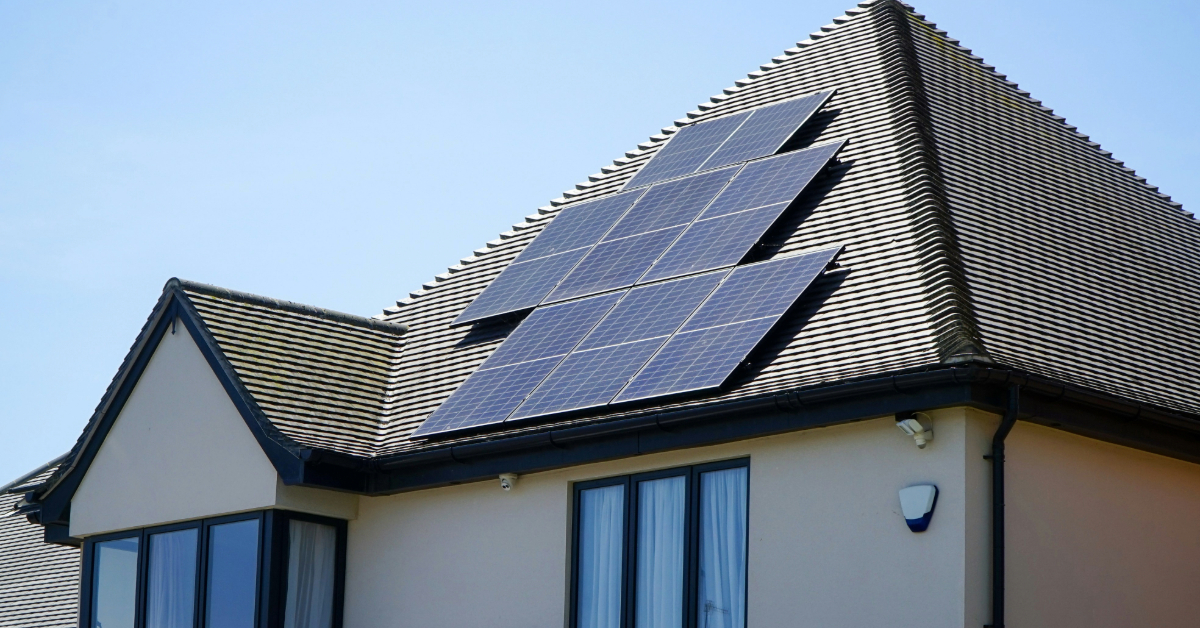
Energy efficiency is a cornerstone of eco-friendly living in Dubai, where cooling demand is high throughout much of the year. Many sustainable homes incorporate solar panels for electricity generation, supported by net metering under the Shams Dubai programme, allowing homeowners to feed surplus energy back into the grid.
Building design also plays a critical role. High-performance insulation, double or triple-glazed windows, and low-E glazing help minimise heat transfer. Reflective roofs and walls further reduce heat absorption, lowering indoor temperatures and decreasing reliance on air conditioning.
Inside the home, efficient HVAC systems, LED lighting, and energy-efficient appliances significantly reduce electricity consumption while maintaining comfort.
Water Conservation
Given Dubai’s limited water resources, conservation systems are essential in any eco-friendly house.
Key features include low-flow taps, showers and toilets, as well as dual-flush systems that reduce water use without compromising performance. More advanced homes may integrate greywater recycling systems, enabling the reuse of water from sinks and showers for landscaping.
Outdoor efficiency is supported by smart irrigation systems, drought-tolerant landscaping, and native plants, all of which minimise unnecessary water use in arid environments.
Sustainable Materials and Construction
Eco-friendly homes often use local or recycled materials to reduce environmental impact, along with low-toxic paints and finishes to improve indoor air quality. Design approaches such as passive cooling, achieved through strategic shading, building orientation and natural ventilation, help lower energy demand.
Additional elements, such as green roofs and biophilic design, reduce heat absorption and enhance well-being by integrating natural features into the living environment.
Smart Home Integration & Technology
Technology enhances the performance of an eco-friendly house by optimising resource use. Homes may include smart thermostats, Home Energy Management Systems (HEMS) and real-time monitoring tools that track energy consumption. Automated lighting and shading systems, supported by occupancy sensors, prevent unnecessary energy use.
Integration with smart grid infrastructure and battery storage further supports efficient energy management and resilience.
Community & Lifestyle Features
Sustainability extends beyond individual homes to the surrounding environment.
Eco-focused communities prioritise green open spaces, parks, tree cover, and walking and cycling paths to promote healthier lifestyles. Shared amenities may include solar-powered communal buildings and car-free zones, reducing overall environmental impact.
Wellness-driven elements such as organic farms, improved air quality, and enhanced natural lighting create a holistic approach to sustainable living, reinforcing the long-term value of an eco-friendly house in Dubai.
Explore the Available Villas for Sale in Green Community
-
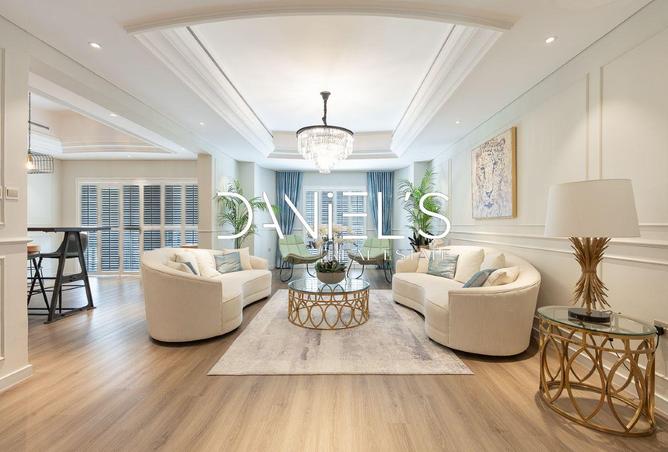

Villa
Listed 2 weeks ago
8,990,000 AED
Exclusive | Great location | Fully Upgraded | VOT
Family Villa Area, Green Community, Dubai Investment Park 1 (DIP 1), Dubai Investment Park (DIP), Dubai
5
6
8,401 sqft
-

Villa
Listed 7 days ago
9,400,000 AED
Out of the Ordinary | 5 Beds | Cinema Room | Vastu
Family Villa Area, Green Community, Dubai Investment Park 1 (DIP 1), Dubai Investment Park (DIP), Dubai
5
7
8,728 sqft
-
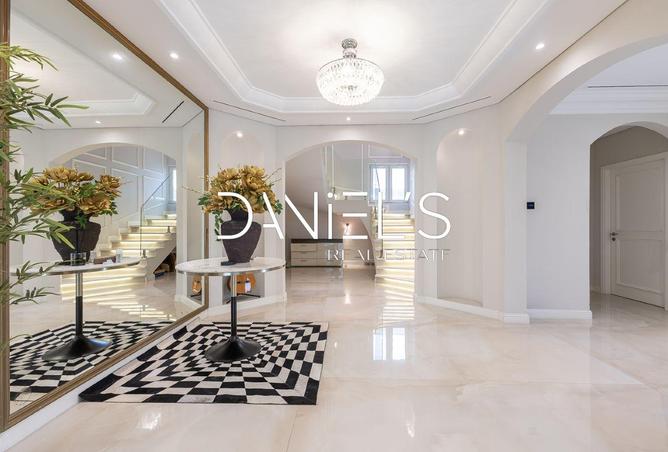
Villa
Listed 7 days ago
10,750,000 AED
Upgraded 5BR Family Villa | Park Facing | VOT
Family Villa Area, Green Community, Dubai Investment Park 1 (DIP 1), Dubai Investment Park (DIP), Dubai
5
6
8,093 sqft
-
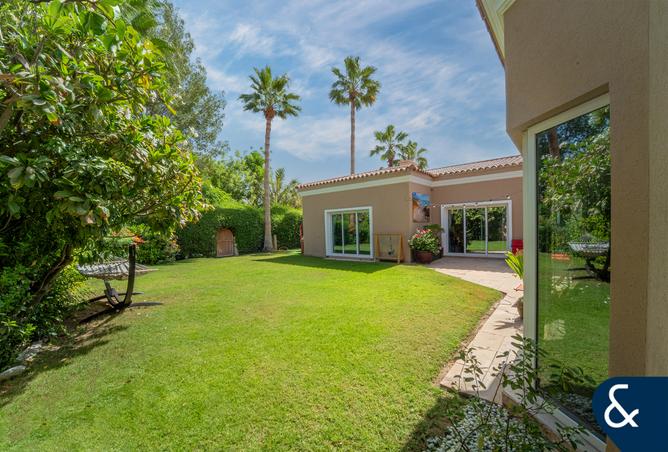
Villa
Listed 5 days ago
7,500,000 AED
New Listing | Large Plot | Backing Park Area
Bungalow Area, Green Community, Dubai Investment Park 1 (DIP 1), Dubai Investment Park (DIP), Dubai
4
4
9,788 sqft
-
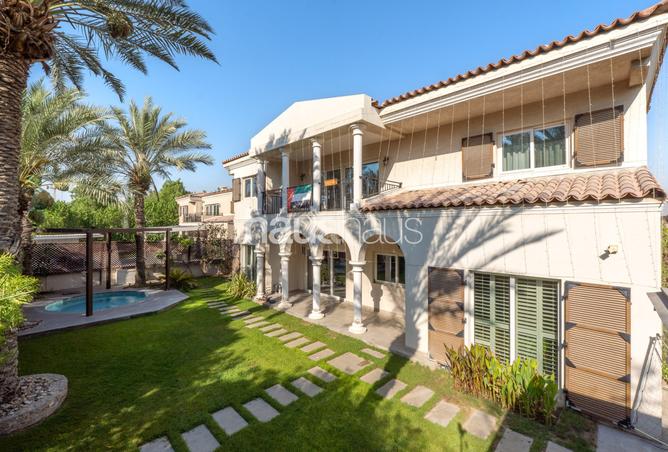
Villa
Listed 3 days ago
8,700,000 AED
5 Bed Villa | 9,407 sqft Plot | Quiet Internal
Family Villa Area, Green Community, Dubai Investment Park 1 (DIP 1), Dubai Investment Park (DIP), Dubai
5
6
9,407 sqft
-

Villa
Listed 2 weeks ago
8,250,000 AED
Fully Renovated | Huge Plot | Park View
Green Community West, Green Community, Dubai Investment Park 1 (DIP 1), Dubai Investment Park (DIP), Dubai
4
4
10,453 sqft
-

Villa
Listed 2 weeks ago
7,800,000 AED
Corner Plot 9,434 sqft | Cul-de-Sac | 4 Bed
Bungalows Area, Green Community, Dubai Investment Park 1 (DIP 1), Dubai Investment Park (DIP), Dubai
4
5
9,434 sqft
-

Villa
Listed 4 days ago
10,500,000 AED
Fully Upgraded| Large Plot | State of Art Kitchen
Green Community West, Green Community, Dubai Investment Park 1 (DIP 1), Dubai Investment Park (DIP), Dubai
5
6
9,445 sqft
-

Villa
Listed 2 months ago
7,400,000 AED
Cheapest Renovated Bungalow Available | Internal
Bungalows Area, Green Community, Dubai Investment Park 1 (DIP 1), Dubai Investment Park (DIP), Dubai
4
5
10,011 sqft
-

Villa
Listed 5 days ago
6,150,000 AED
Fully Upgraded Corner Townhouse | Secret Garden
Green Community East, Green Community, Dubai Investment Park 1 (DIP 1), Dubai Investment Park (DIP), Dubai
3
4
4,036 sqft




Government Support & Incentives
Government policy plays a central role in accelerating the adoption of the eco-friendly house in Dubai. Through mandatory regulations, certification systems and financial incentives, authorities have created a structured framework that supports sustainable residential development.
Regulations and Standards Mandated
The Dubai Green Building Regulations, implemented under the Al Sa’fat system, establish mandatory standards for energy efficiency, water use, material selection, and waste management. These requirements apply to new developments and ensure that sustainability is integrated from the design and construction stages.
In addition to Al Sa’fat, internationally recognised certification systems such as LEED and Estidama provide further benchmarks for environmental performance. By 2024, Dubai had recorded more than 400 LEED-certified buildings, reflecting strong market adoption and regulatory alignment with global sustainability standards.
Financial Incentives for Homeowners & Developers
Beyond compliance, several financial mechanisms support investment in an eco-friendly house.
The Shams Dubai programme enables homeowners to install solar panels with net metering, allowing surplus electricity to be exported to the grid. Subsidies and structured grid integration reduce the financial burden of adopting renewable energy.
Sustainability-linked financing options are also emerging, including green loans and preferential interest rates for environmentally focused projects. Developers of certified sustainable properties may benefit from reduced government fees and expedited permitting processes, further encouraging green construction.
Investment & Residency Incentives
Sustainable real estate can also support long-term investment and residency objectives. Investment in sustainable, smart-ready properties may contribute towards Golden Visa eligibility, linking environmental responsibility with residency opportunities.
Market demand further strengthens the case for sustainable housing. Green properties are experiencing higher resale and rental demand, supporting improved return on investment. As sustainability becomes a key purchasing criterion, the eco-friendly house continues to gain both regulatory backing and market-driven value in Dubai.
Benefits of an Eco-Friendly House
An eco-friendly house in Dubai delivers measurable advantages across financial, environmental and lifestyle dimensions, as outlined below.
| Benefit | Description | Evidence / Estimate |
| Cost Savings | Lower electricity, cooling and water bills due to improved efficiency. | Energy usage was reduced by 30-40% in new green buildings compared to pre-2014 standards in Dubai. |
| Health & Comfort | Improved indoor air quality, enhanced thermal comfort and increased natural light. | Reported lifestyle and wellness benefits in communities such as Al Barari and Sustainable City. |
| Environmental Impact | Reduced carbon emissions, lower water stress and less waste sent to landfill. | Developments divert up to 75% of construction waste; Sharjah Sustainable City diverts 85% of household waste. |
| Market Value | Higher resale value, faster transactions and premium rental returns. | LEED-certified properties achieve approximately 6-8% higher rental yields. |
What to Consider When Choosing or Building an Eco-Friendly Home
- Upfront vs long-term costs
Solar systems, smart technologies and sustainable materials can increase initial investment costs. However, these are typically balanced by long-term savings, incentives and stronger resale value.
Maintenance requirements for solar panels and smart systems should also be considered.
- Certification relevance
Buyers should understand:
- Al Sa’fat requirements in Dubai
- LEED certification levels
- Estidama standards
Verification of legitimate certification and actual operational performance is essential.
- Climate & location suitability
Key factors include:
- Roof orientation and exposure
- Shading and urban density
- Solar gain management
- Sand and dust impact on solar panels
- Water backup systems
Proper design tailored to Dubai’s climate is critical to achieving expected performance outcomes.
- Policy & regulatory changes
Sustainability standards may tighten over time, potentially affecting older properties. Incentive programmes may also evolve, requiring buyers to verify current benefits before committing.
- Resale & rental considerations
Demand for sustainable homes is rising, but premiums depend on:
- Location
- Community infrastructure
- Construction quality
- Transparency in maintenance and operating costs
Case Study: Leading Sustainable Communities
Several developments exemplify the eco-friendly house model:
- Sustainable City (Dubai): Net-zero energy goal, solar-powered villas, organic farms and low-waste living.
- Al Barari: Luxury villas integrated with botanical gardens and natural landscaping.
- Ghaf Woods (Distrikt): Biophilic design, green roofs, water efficiency and walkability.
- Tilal Al Ghaf: Shaded walkways, energy-efficient homes, lagoons and green buffer zones.
- Sharjah Sustainable City: 100% wastewater recycling, EV charging infrastructure and 85% waste diversion.
Key Takeaways
- Eco-friendly homes in Dubai are increasingly aligning luxury living with improved energy efficiency, water conservation and responsible waste management.
- Supported by government regulations, recognised certification systems and targeted incentive programmes, sustainable housing is becoming more accessible and financially attractive.
- The benefits are tangible, including lower utility costs, enhanced health and comfort, reduced environmental impact and stronger resale value.
- However, buyers should carefully evaluate long-term costs, the credibility of certifications, climate and location suitability, and prevailing market demand before investing.
- Opting for established green communities can provide proven infrastructure, lifestyle advantages and greater investment security.
Frequently Asked Questions (FAQs)
Al Sa’fat is Dubai’s official green building assessment system and is mandatory for new buildings in the emirate. LEED and Estidama are recognised certification systems used to evaluate sustainability performance. Each framework has different criteria, rating levels and audit processes, so it is important to understand the targeted certification level before investing.
Yes. Programs such as Shams Dubai provide support through net metering for surplus energy generation and may include subsidies. In some cases, low-interest green financing options are available through DEWA and banks, depending on the project size.
They can. New green building regulations have contributed to energy-use reductions of approximately 30-40% compared to older buildings. Actual savings depend on the extent to which energy- and water-efficient systems are implemented.
Initial costs may be higher due to solar installations, premium materials, certification requirements and smart technologies. However, these are often offset by lower operating expenses, available incentives, and stronger resale value.
Check for valid certifications such as Al Sa’fat, LEED or Estidama. Review historical energy and water bills, if available; assess the materials used; inspect installed solar and waste-management systems; and confirm the presence of smart controls and proper insulation.