



Dubai’s RTA driving test follows a structured three-stage process that evaluates both knowledge and real-world driving ability: the theory exam, yard or parking assessments, and the final road test.
Many learners struggle to pass on their first attempt due to common issues such as weak observation habits, hesitation under pressure, poor lane discipline, or rushing manoeuvres without proper checks. Focusing on consistent practice, strong awareness skills, and calm decision-making during each stage significantly improves the chances of passing, as examiners prioritise safe driving behaviour and confidence over perfection.
- Preparing Before Your Test
- Key skills tested and how to master them
- Common major and minor mistakes to avoid
- On test day: final tips
- Key takeaways
- Frequently asked questions
Preparing Before Your Test
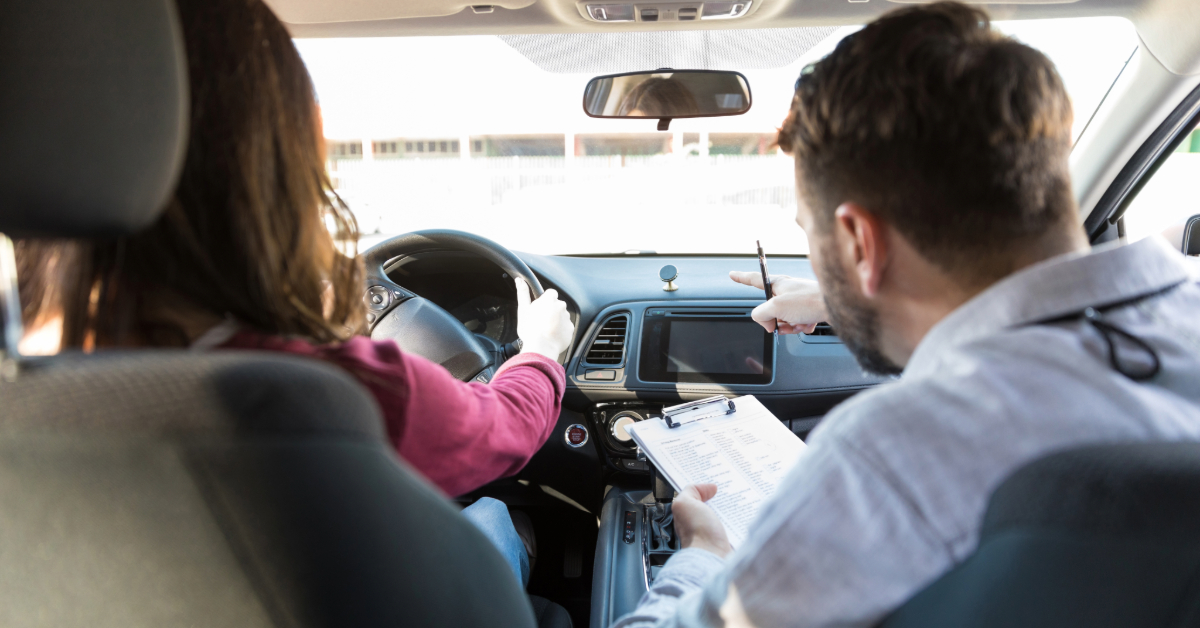
Before booking your RTA driving test, building a strong foundation through structured learning, consistent practice, and proper preparation can significantly improve your chances of passing on the first attempt.
Enrol in an RTA-Approved Driving School
Ensure the driving school is accredited by the RTA and offers a structured curriculum that includes theory lessons, simulator training, yard practice, and real-road sessions. It also helps to choose a school with strong first-time pass rates and experienced instructors, as consistent guidance and familiarity with the test format can make preparation far more effective.
Learn the Rules, Signs & Theory
- Study the official RTA handbook thoroughly, focusing on road signs, priority rules, and speed limits. limits, especially when preparing for Dubai’s road rules and licensing process, as explained in how to renew a driving licence in Dubai.
- Use flashcards, mock tests, and driving apps to improve recall and aim for high accuracy (around 85%).
- Pay close attention to UAE-specific rules, including yellow light behaviour and mobile phone regulations.
Practice Makes Perfect
Practice under real test conditions to build confidence and familiarity with Dubai’s driving environment. Focus on busy roads, roundabouts, and different parking scenarios so your reactions feel natural during the exam.
- Drive regularly in realistic traffic situations, including roundabouts and residential streets.
- Take mock tests whenever possible. They replicate real test timing, examiner behaviour, and pressure levels, helping you prepare mentally.
Many driving institutes now use Smart Yard technology, which uses sensors and cameras to assess parking performance. Because the system evaluates precision, smooth control matters more than speed during manoeuvres.
- Practise yard manoeuvres consistently, including parallel parking, reverse parking, and garage parking.
- Aim for controlled steering, accurate positioning, and minimal corrections rather than rushing through the exercise.
Vehicle & Documentation Preparedness
Ensure the test vehicle is clean, working properly (mirrors, lights, brakes, fluids)
Carry required documents: Emirates ID, learning permit, test receipt, insurance, and registration document.
Recently, digital learning permits and Emirates ID via UAE Pass or the RTA Dubai App are now commonly accepted, although physical copies are still recommended as backup.
Note: Get your medical and vision tests done beforehand
Key Skills Tested & How to Master Them
During the RTA road test, examiners focus on safety awareness, smooth vehicle control, and confident decision-making. Demonstrating consistent observation, correct lane positioning, and controlled speed management can make a strong impression throughout the assessment.
Observation & Awareness
- Use mirrors regularly: before signalling, before braking, before turning, etc.
- Perform clear head-checks at junctions: e.g., right-left-right
As of 2026, Examiners often expect a visible shoulder check rather than just eye movement, so turning your head slightly helps demonstrate clear observation.
Also scan for hazards, such as pedestrians, merging traffic, construction, and sandstorms.
Lane Discipline & Speed Management
- Stay centred within your lane and avoid drifting or making last-minute lane changes.
- Use indicators early and consistently whenever turning or switching lanes.
- Follow posted speed limits carefully, avoiding both speeding and driving excessively slow.
Parking & Yard Manoeuvres
- Practice different parking types regularly, including parallel, 90-degree, reverse and garage parking.
- Learn clear reference points for judging distance and positioning, such as the curb, mirrors, and rear pillars.
- Focus on smooth, confident movements within the time limit, avoiding unnecessary corrections where possible.
Common Major & Minor Mistakes to Avoid
Understanding what examiners consider major or minor faults can help you avoid unnecessary failures. While small mistakes may be tolerated, certain actions result in an immediate test failure regardless of overall driving performance.
Major Mistakes (Instant Fail Conditions)
- Rolling through a stop sign instead of coming to a full, complete stop.
- Speeding, especially in school zones or residential areas.
- Failing to pause for a few seconds at stop signs, which examiners often expect during evaluation.
- Poor lane discipline or last-minute manoeuvres at mergers and roundabouts.
- Vehicle control issues such as hitting the curb, stalling, uncontrolled reversing or dry steering.
Minor Mistakes You Can’t Accumulate
- Late mirror checks or delayed use of indicators during turns and lane changes.
- Poor driving posture or incorrect hand positioning on the steering wheel.
- Unnecessary stops, hesitation, or overly cautious driving that disrupts traffic flow.
On Test Day: Final Tips
The final day of your RTA driving test is as much about mindset as it is about skill. Staying calm, organised, and prepared can help you focus clearly and demonstrate confident driving throughout the assessment.
Mental & Physical Preparation
- Get a good night’s sleep, stay hydrated, and avoid excessive caffeine before your test.
- Arrive 30–45 minutes early so you can settle in, adjust your seat and mirrors, and stay calm before starting.
- Wear comfortable, appropriate clothing and minimise distractions to help you stay focused.
During the Test

- Perform your cockpit checks first, including adjusting the seat and mirrors and fastening your seatbelt, before ignition.
- Wait until the examiner has fastened their seatbelt before moving the vehicle, as starting too early may be marked as a safety fault.
- Drive smoothly with controlled steering and braking, avoiding sudden or jerky movements.
- If you do not understand an instruction, politely ask the examiner to repeat it rather than guessing.
After the Test
- Ask for feedback on whether you pass or fail so you understand areas for improvement.
- If you need to retake the test, wait for the required period and focus on practising your weaker skills.
- Continue applying safe driving habits even after passing, as real-world safety remains the priority.
Key Takeaways
- Frequent, structured practice (theory + yard + road) is essential for building confidence and instinct.
- Observation & awareness carry significant weight; head checks, mirror use, hazard anticipation.
- Avoiding major mistakes is more efficient than only minimising small errors.
- Vehicle & document readiness, along with a good physical and mental state, set you up for success.
- Mock tests under real test-like conditions bridge the gap between knowing and performing.
Frequently Asked Questions (FAQs)
It depends on your driving school and previous experience; many first-time drivers complete 40 hours covering theory, yard, simulator, and road sessions.
You can make some minor mistakes and still pass, but even one major mistake can lead to instant failure.
Yes—weekday mornings or mid-day are usually less busy.
While test routes aren’t publicly published, many instructors reuse similar paths.
Review detailed feedback, practice weak areas, and retake after waiting period.