



Tucked away on the outskirts, Jazeera Al Hamra is one of the UAE’s most unusual and atmospheric heritage sites. Often referred to as the ghost village of Ras Al Khaimah, Jazeera Al Hamra offers a rare glimpse into what life looked like in the region before modern development.
Unlike restored heritage areas, much of the village remains in its original state: quiet, weathered, and largely untouched. Walking through it feels less like visiting a tourist attraction and more like stepping into a preserved moment in time.
- About Jazeera Al Hamra Ghost Village
- Things to See and Do at Jazeera Al Hamra
- Visitor Information: Location, Timings and Entry
- Restoration and Preservation
- Important Tips Before Visiting Jazeera Al Hamra
- Suggested Half-Day Itinerary
- Nearby Places to Visit Around Jazeera Al Hamra
- Key Takeaways
- FAQs
About Jazeera Al Hamra Ghost Village
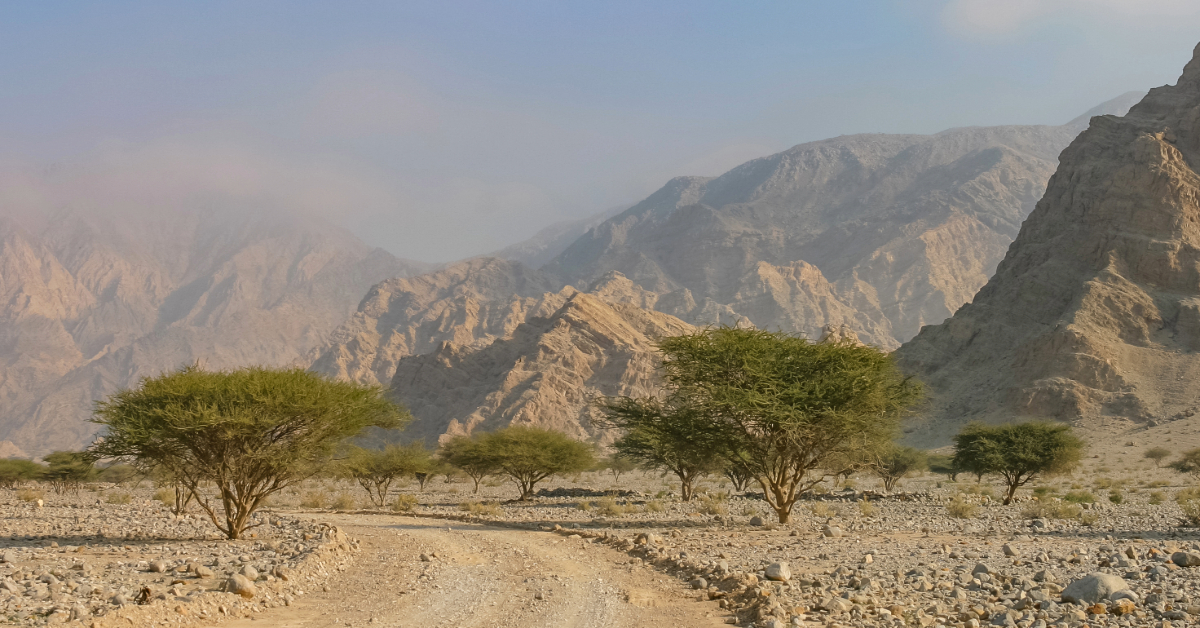
Jazeera Al Hamra was once a thriving fishing and pearling village, originally inhabited by the Al Zaab tribe. Dating back to the late 16th or early 17th century, it remained active for generations before being gradually abandoned in the late 1960s.
The decline of the pearling industry, along with economic shifts following the discovery of oil, led residents to relocate. What remains today is a remarkably preserved settlement of coral-stone houses, narrow alleyways, and traditional structures.
Over time, the village gained a reputation as a ghost town, partly due to its silence and abandoned appearance, and partly because of local folklore surrounding jinn and unexplained occurrences. While these stories add to the atmosphere, the real draw is their historical authenticity.
Things to See and Do at Jazeera Al Hamra
Exploring Jazeera Al Hamra is less about ticking off attractions and more about moving through a space that still reflects everyday life from decades ago. The experience is unstructured, which allows you to explore freely, pause where you like, and take in the details that make the village unique.
Architectural Highlights
The village’s architecture is one of its most distinctive features, offering a rare look at traditional building methods in the UAE:
- Wind-tower (barjeel) houses: Designed to capture and direct airflow, these structures were an early form of natural cooling and are still visible across several homes.
- Coral-stone courtyard homes: Built using coral blocks, mud, and palm materials, these houses feature thick walls and internal courtyards that help regulate temperature and provide privacy.
- Historic mosques: Including a larger central mosque, these spaces reflect a simple yet functional design, with prayer halls and open courtyards that have stood the test of time.
- The old souk area: Once the centre of daily trade, this section still shows the layout of shops and walkways, giving a sense of how commerce functioned within the village.
- Merchant houses (such as Bayt Abdulkareem): Larger, more elaborate homes that belonged to wealthy families, often featuring multiple rooms, verandas, and decorative elements.
As you walk through these areas, you’ll notice how closely the buildings are positioned, creating shaded pathways and a compact village layout designed for both climate and community living.
Cultural and Artistic Experiences
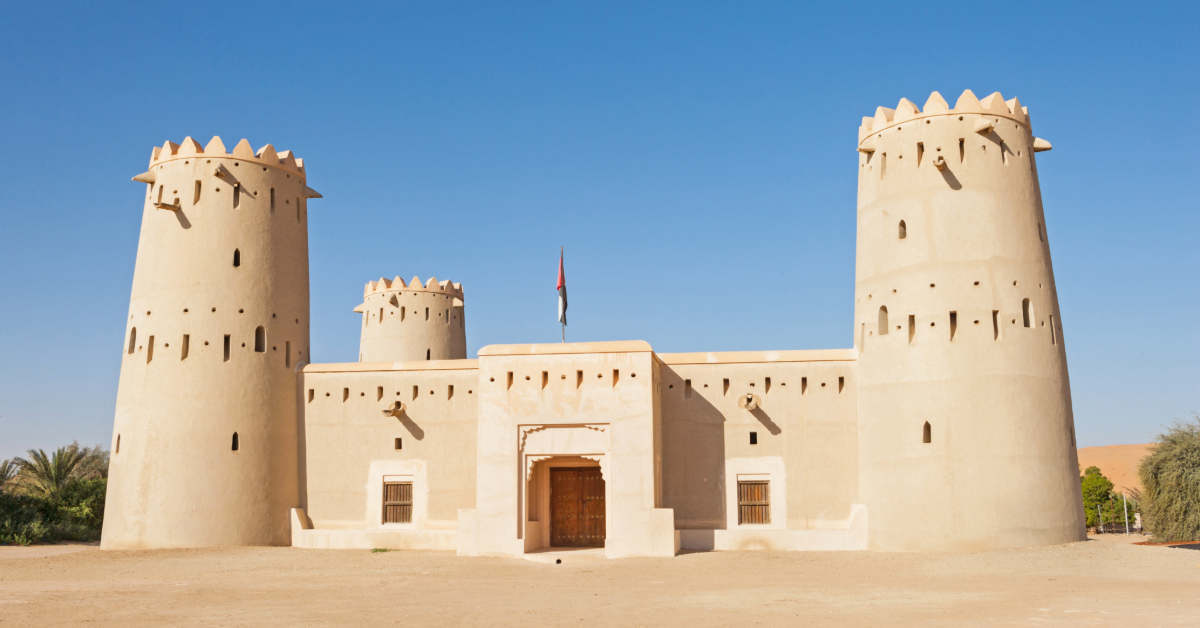
While much of the village remains preserved in its original form, certain areas have been adapted to host cultural and artistic activities:
- Ras Al Khaimah Art Festival: Held annually within the village, this event transforms the space into an open-air gallery, with installations, sculptures, and multimedia exhibits placed among the historic buildings.
- Restored heritage homes: Selected houses have been renovated to display photographs, artefacts, and oral histories from former residents, offering additional context to the village’s past.
- Self-guided walking trails: Clearly defined paths connect key landmarks such as mosques, homes, and the souk, making it easy to explore without needing a guide.
- Photography opportunities: The contrast between restored and weathered structures, along with natural lighting at sunrise and sunset, makes the village particularly appealing for photography.
Together, these elements add a contemporary layer to the ghost village experience in Ras Al Khaimah without detracting from the site’s original character.
Visitor Information: Location, Timings and Entry
Planning your visit to Jazeera Al Hamra is relatively straightforward, but knowing a few practical details in advance can make the experience more comfortable and enjoyable.
Unlike larger attractions, the site has minimal facilities and remains largely preserved in its original state. This means it’s best to approach with a bit of preparation, especially regarding timing, weather, and what to bring.
Location and Access
- Around 20 km from the Ras Al Khaimah city centre
- Approximately 90 minutes from Dubai by car
- Best accessed via E311 or E611
Opening Hours and Entry
- Typically open Tuesday to Sunday, 10:00 AM to 6:00 PM
- Free entry
- Some buildings may only open during events or specific times
Best Time to Visit
- October to April for cooler weather
- Early morning or late afternoon for better lighting and fewer crowds
Restoration and Preservation
In recent years, Jazeera Al Hamra has become part of a wider conservation effort led by local authorities. The goal is to preserve the village while making it more accessible to visitors.
Work has included restoring key buildings, improving pathways, and documenting the site’s history through photographs and research. Some areas have been stabilised, while others are intentionally left untouched to retain their original character.
Important Tips Before Visiting Jazeera Al Hamra
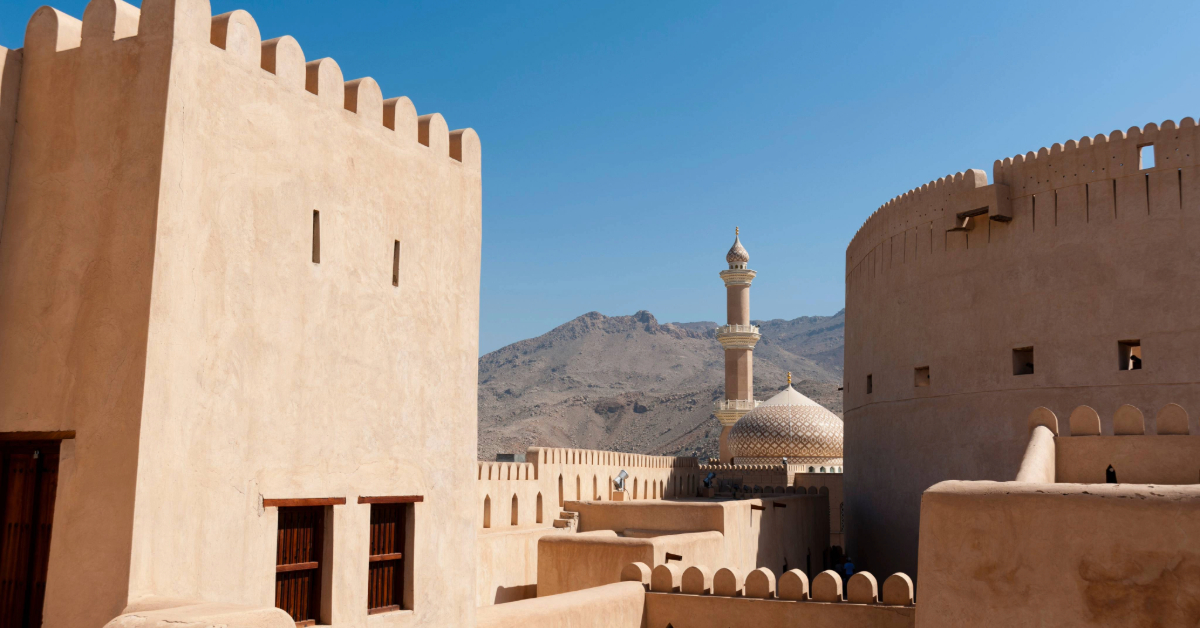
A visit to Jazeera Al Hamra is simple, but it’s quite different from a typical park or fully developed attraction. The site remains largely preserved in its original state, which means a bit of preparation can make your visit more comfortable.
- Respect the site: Avoid climbing on structures or touching fragile surfaces, as many buildings are still undergoing preservation.
- Limited facilities: There are no shops or restaurants inside the village, so it’s best to plan meals and breaks before or after your visit.
- Bring essentials: Water, sunscreen, and comfortable walking shoes are important, especially during warmer months.
- Be mindful of timing: The site becomes very quiet and is not well-lit after sunset, so daytime visits are recommended.
- Expect a raw environment: Not all areas are restored or accessible, and some buildings remain in a fragile condition.
The experience is intentionally minimal, which is part of what makes Jazeera Al Hamra feel authentic and different from more polished heritage sites.
Suggested Half-Day Itinerary
If you’re planning a short visit to Jazeera Al Hamra, a simple route can help you explore the main areas without feeling rushed.
- 08:30 – 09:00: Arrive early to enjoy cooler temperatures and quieter surroundings, and take in the entrance views.
- 09:00 – 10:00: Walk through residential lanes and wind-tower houses to get a sense of traditional village life.
- 10:00 – 11:00: Visit the mosque and larger merchant homes, including more detailed architectural spaces.
- 11:00 – 11:30: Explore the old souk area and take photos of the preserved structures.
- 11:30 onwards: Head to nearby cafés or beach areas to relax and continue your outing.
This route keeps the experience relaxed while allowing you to see the key highlights of the village.
Nearby Places to Visit Around Jazeera Al Hamra
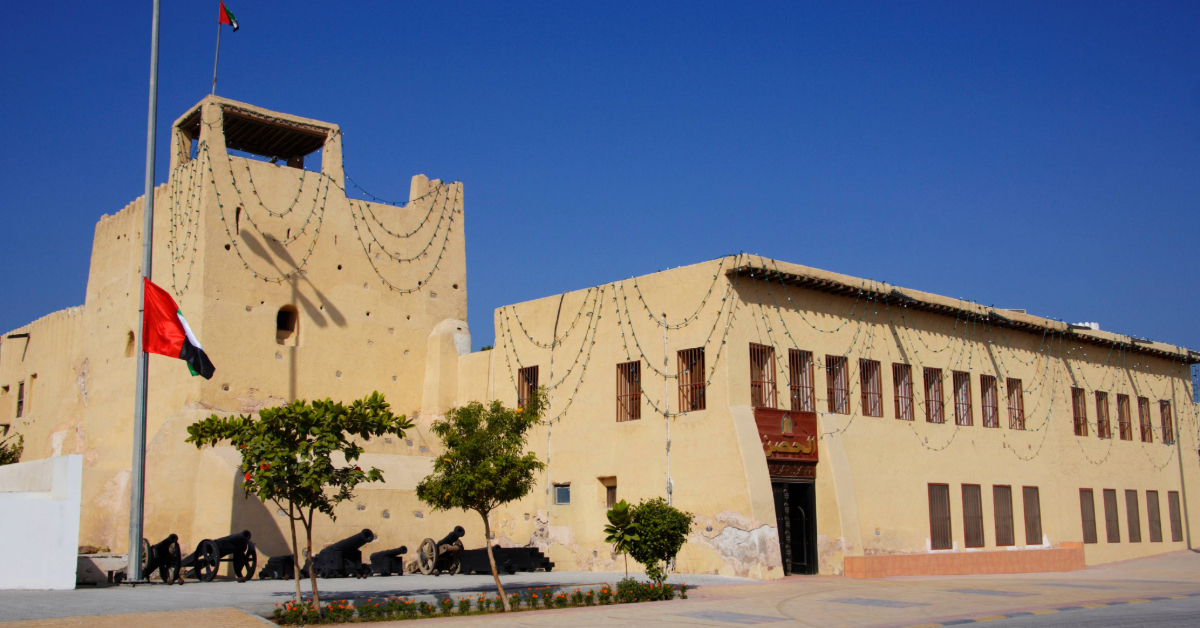
You can easily combine your visit to Jazeera Al Hamra with a few nearby attractions to turn it into a half-day or full-day outing. The surrounding area offers a mix of coastal spots, modern developments, and cultural landmarks.
A nearby waterfront community with cafés, restaurants, and walking areas, making it a convenient stop for a meal or a relaxed break after exploring the village
Known for its beach resorts and coastal views, this is a good option if you want to unwind by the sea or spend time in a more resort-style setting
Located in the city centre, the museum offers a deeper look into the emirate’s history through artefacts, exhibits, and preserved architecture
Together, these nearby spots provide a strong contrast to the quiet, historic atmosphere of Jazeera Al Hamra, allowing you to balance heritage, leisure, and coastal experiences in a single trip.
Key Takeaways
- Jazeera Al Hamra offers one of the most authentic heritage experiences in the UAE, preserving the remains of a traditional pearling village that has largely been left untouched.
- The village’s coral-stone houses, wind towers, mosques, and old souk provide a clear picture of how communities once lived and worked along the coast.
- While some areas have been restored, much of the site retains its original structure, adding to its character and historical significance.
- With free entry and relatively easy access from both Ras Al Khaimah and Dubai, it’s a practical destination for a short visit. However, the experience is intentionally minimal, so it’s best approached with the right expectations and a bit of preparation.
FAQs
Not recommended, as the site is not well-lit and is best explored during daylight.
No, entry is free. Some events or exhibitions may have separate access.
No, but a guide can provide deeper historical context.
There are local legends, but they are part of folklore rather than verified fact.
Nearby areas like Al Hamra Village and Al Marjan Island make good additions to your trip.