



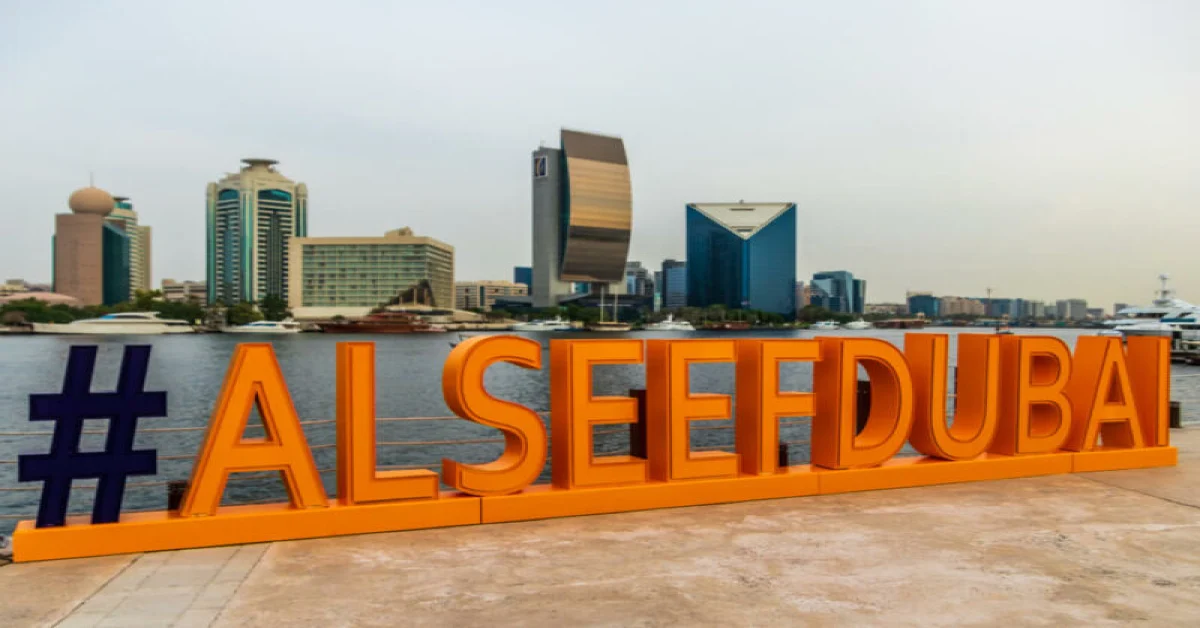
Al Seef by Meraas is one of Dubai’s most atmospheric waterfront destinations, offering a unique opportunity to experience the city’s past and present in a single, walkable setting. Stretching along Dubai Creek, this thoughtfully designed district recreates the look and feel of old Dubai while seamlessly introducing modern lifestyle elements, dining, shopping, and leisure experiences.
In this guide, we explore what makes Al Seef special, its location, the interaction between its heritage and modern zones, and why it has become a favourite destination for residents and visitors seeking culture, food, photography, and relaxed moments by the creek.
- Overview of Al Seef by Meraas
- The vision behind Al Seef
- Why Al Seef is unique in Dubai
- Where heritage meets modernity
- Architectural and urban design highlights
- Cultural and heritage experiences
- Dining: from traditional flavours to global cuisine
- Shopping and leisure experiences
- Stays and marina lifestyle
- Practical visitor guide
- Key takeaways
- FAQs
Overview of Al Seef by Meraas
Al Seef is a waterfront development that brings Dubai’s trading and maritime history to life. Developed by Meraas and launched in 2017, the destination sits along the historic Dubai Creek, near the Al Fahidi Historical Neighbourhood.
Rather than focusing on towers and enclosed malls, Al Seef prioritises walkability, texture, and storytelling. Visitors move through narrow alleys, shaded courtyards, open promenades, and modern terraces, all designed to echo the evolution of Dubai from a fishing village to a global city.
The word ‘seef’ means shoreline in Arabic, reflecting the destination’s strong relationship with the creek. Historically, this shoreline was where trade, pearl diving, and fishing shaped everyday life, and Al Seef draws directly from that heritage.
Location
Al Seef is located on the Bur Dubai side of Dubai Creek, near Al Fahidi, and is easily accessible from Deira. The development runs parallel to the water, creating uninterrupted views of traditional dhows, modern yachts, and daily creek activity.
The vision behind Al Seef
The vision for Al Seef by Meraas was to celebrate Dubai’s maritime and trading heritage while creating a destination that resonates with modern lifestyles. Meraas designed the area as a living, breathing district rather than a static heritage replica.
Old Dubai’s architectural language is reinterpreted through contemporary construction methods. The result is an environment that feels authentic, immersive, and comfortable, appealing equally to culture lovers, families, and casual visitors.
Why Al Seef is unique in Dubai
Unlike many Dubai attractions centred around scale and spectacle, Al Seef focuses on human-scale design. Buildings are low-rise, streets are narrow, and spaces encourage strolling rather than rushing.
The area also differs from traditional malls. Instead of enclosed air-conditioned corridors, visitors experience open-air alleys, waterfront promenades, and courtyards that change character from day to night.
Where heritage meets modernity
Al Seef is divided into two distinct yet connected zones. Together, they tell the story of Dubai’s past and present.
Heritage area: step back into old Dubai
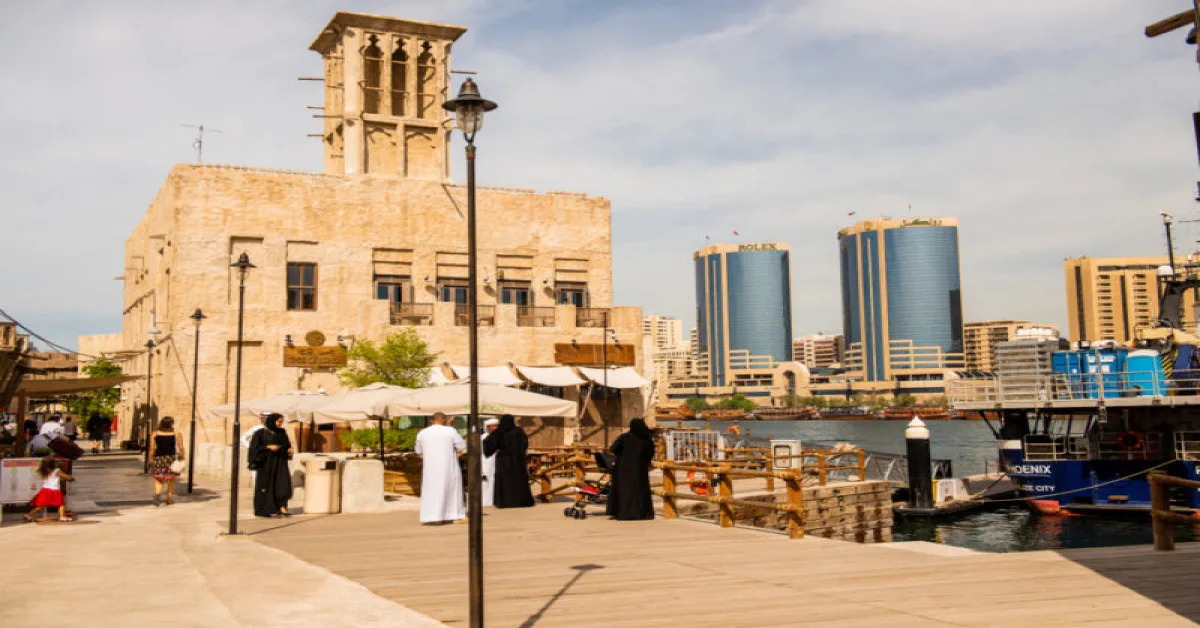
The heritage side recreates the atmosphere of a traditional Emirati settlement. Wind towers rise above sand-coloured buildings, while coral-stone textures, wooden doors, and shaded sikkas define the streetscape.
Lantern-lit alleys, inner courtyards, and creek-facing façades evoke a time when the creek was the centre of daily life. This area blends seamlessly with the nearby Al Fahidi Historical Neighbourhood, creating a continuous cultural experience.
Modern area: contemporary creekfront lifestyle
The modern zone of Al Seef introduces sleek glass-fronted shops, open terraces, and design-led interiors. Cafés, boutiques, and international dining concepts line the waterfront.
Visitors enjoy expansive views of the creek, passing dhows, and Dubai’s evolving skyline. The contrast between heritage textures and modern finishes creates some of the area’s most striking visuals.
How the two sides interact
Moving between the heritage and modern areas feels natural and fluid. There are no barriers or abrupt transitions, allowing visitors to experience both worlds in a single walk.
This interaction is central to the appeal of Al Seef , especially for photographers and content creators drawn to the visual contrast between rustic alleyways and polished waterfront spaces.
Architectural and urban design highlights
Al Seef draws heavily from Dubai Creek’s maritime past. Design details reference pearl diving, wooden boats, and traditional building methods.
Natural tones, textured plaster, timber accents, and shaded passages help regulate temperature and create visual depth. Streets are deliberately narrow, encouraging exploration and slowing the pace of movement.
Signature spots and landmarks
Key visual highlights include heritage wind towers, courtyard houses, and the creekside promenade. At night, lanterns and soft lighting reflect on the water, transforming the area into a calm and atmospheric setting.
Cultural and heritage experiences
Al Seef offers visitors a wide variety of cultural and heritage experiences. From exploring traditional souks to visiting museums and galleries, the area immerses guests in the history and artistry of Dubai’s creekside life.
Al Seef Heritage Souk
The heritage souk offers a traditional shopping environment inspired by old trading routes. Stalls and small shops sell handicrafts, textiles, perfumes, spices, and souvenirs. Many concepts support local artisans and small businesses, adding authenticity to the retail experience.
Al Seef Village
Al Seef Village recreates the feel of an old creekside settlement. Narrow sikkas, wind towers, and intimate squares define the layout.
Boutique stores, art galleries, and café corners make this area particularly popular for photography and relaxed exploration.
Museums and attractions
Family-friendly attractions include the Museum of Illusions, offering interactive optical experiences, and the Aladdin Treasures Museum of Islamic Arts, which showcases historical artefacts. Smaller exhibits and installations throughout the area subtly reference maritime history and trade.
Connection to Al Fahidi and old Dubai
Al Seef seamlessly connects with Al Fahidi, allowing visitors to stroll between restored homes, museums, and creekfront spaces.
Together, these areas present a layered narrative of Dubai’s development, from trade and pearl diving to modern urban life.
Dining: from traditional flavours to global cuisine
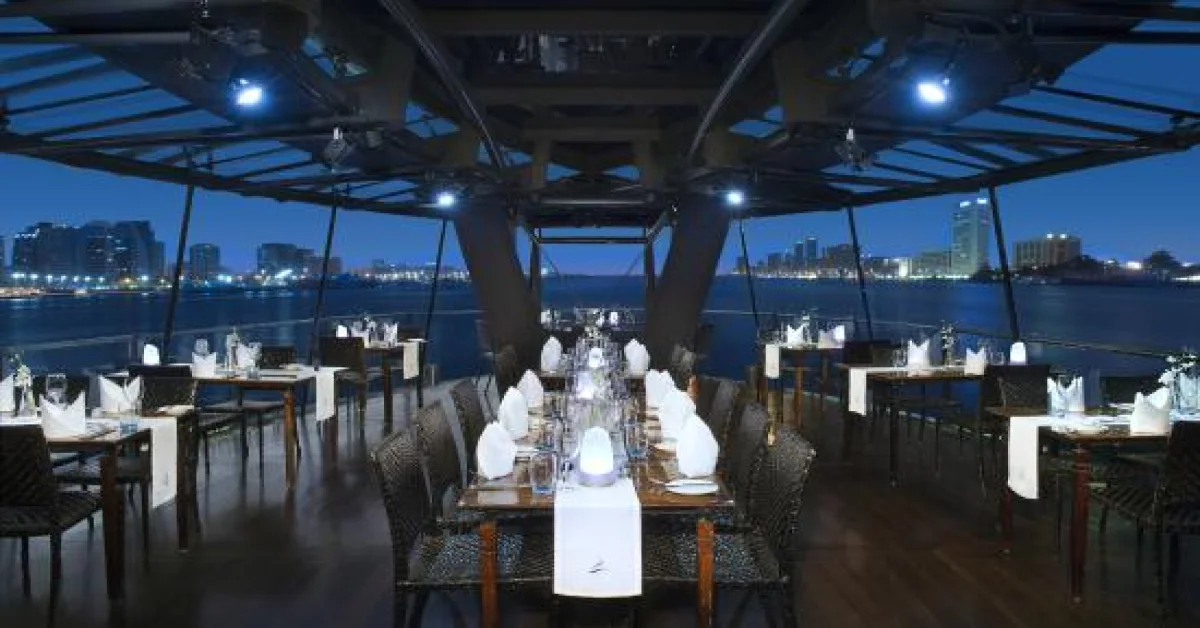
Visitors can enjoy a diverse dining scene at Al Seef, featuring authentic Emirati dishes alongside international cuisine, all served in settings that complement the heritage and modern waterfront environment.
Traditional Emirati and Regional Dining
For those craving local flavours, Al Fanar Seafood Market provides a true taste of Emirati seafood, presented in a heritage-inspired setting. Chokhi Dhani Restaurant delivers hearty Rajasthani and North Indian delicacies, while Kailash Parbat serves popular street-food favourites and vegetarian dishes, perfect for a quick yet flavourful bite.
Cafés and Sweet Escapes
Visitors looking for lighter meals or indulgent desserts will find plenty of options. Baskin Robbins offers an assortment of ice cream treats, while Nablus delights with classic Middle Eastern desserts. ILA Restaurant & Cafe provides a welcoming environment ideal for a relaxed breakfast or afternoon coffee break, blending comfort with charm.
Contemporary and International Choices
Al Seef also hosts modern eateries where innovation meets tradition. Doors Freestyle Grill specialises in grilled meats and international favourites in a sophisticated setting. KHOFO brings a fresh, casual approach to dining, and Sul Fiume serves authentic Italian cuisine with elegant creekside terrace seating, perfect for an evening meal.
Shopping and leisure experiences
Retail at Al Seef blends the charm of a traditional souk with modern retail standards. Visitors find fashion, jewellery, home décor, and gift stores throughout the area.
Seasonal pop-up stalls and open-air markets add variety, particularly during weekends and cooler months.
Entertainment options include museums, family attractions, and occasional cultural events. Public performances and seasonal festivals bring additional energy to the promenade.
Stays and marina lifestyle
Al Seef offers a unique blend of accommodation and marina experiences, ideal for visitors seeking to combine cultural exploration with relaxation. Options range from hotels inspired by traditional Emirati homes to modern waterfront properties that provide a stylish and convenient stay.
Heritage-style and modern hotels
Heritage-style hotels capture the charm of old Dubai, featuring courtyards, wind towers, and design elements that reflect the local architecture. Modern hotels along the creekfront offer contemporary amenities, sleek interiors, and easy access to the promenade, restaurants, and cultural attractions.
D-Marin Al Seef Marina
The D-Marin Al Seef Marina caters to boating enthusiasts and yacht owners, with facilities including wet berths, maintenance services, and access to Dubai Creek cruises. Visitors can enjoy the picturesque contrast of traditional-style buildings alongside modern yachts, creating an unforgettable waterfront experience.
Practical visitor guide
Planning a visit to Al Seef is easy with multiple transportation options, tips on the best times to explore, and suggested itineraries for every type of traveller.
Getting to Al Seef
- Metro: Arrive via BurJuman Station, followed by a short walk to the creekside district.
- Bus: Several routes connect directly to the area.
- Car: Access via Sheikh Zayed Road or Zaa’beel Street, with parking options available.
- Abra: Take a traditional water taxi from Deira for a scenic and historical arrival.
Best Times to Visit
- Daytime: Ideal for exploring streets, heritage areas, and photography.
- Evening: Cooler temperatures, illuminated views, and dining experiences.
- Seasonal Tip: Visit during cooler months for comfortable outdoor strolls.
- Weekdays vs. Weekends: Weekdays are generally quieter and less crowded.
Suggested Itineraries
- Half-Day: Heritage souk, Al Seef Village, and creekside dining.
- Full-Day: Combine Al Fahidi Historical Neighbourhood, museums, abra rides, and Al Seef.
- Family Evening: Museums, casual dining, and relaxed waterfront walks suitable for all ages.
Key takeaways
Al Seef by Meraas is a vibrant waterfront destination that blends Dubai’s maritime heritage with modern lifestyle. Stretching along Dubai Creek, it features narrow alleys, shaded courtyards, and open promenades, with a heritage zone showcasing traditional architecture and a modern area offering sleek shops, cafés, and terraces.
Visitors can enjoy cultural experiences, heritage souks, museums, and galleries, alongside diverse dining and shopping options. With hotels, marina facilities, and scenic creek views, Al Seef is a photogenic, family-friendly, and easily accessible destination perfect for both daytime exploration and evening leisure.
FAQs
Al Seef focuses on heritage, walkability, and atmosphere rather than scale and spectacle.
The area is open to the public and free to enter and explore. Individual attractions may charge fees.
Most visitors spend between two and four hours, depending on activities.
Yes, with museums, open spaces, and family-friendly dining.
Yes, the entire district is designed for seamless exploration in a single visit.