



Allergies can turn your home, your supposed safe haven, into a source of constant discomfort. From sneezing fits to itchy eyes and breathing troubles, indoor allergens such as dust mites, mould spores, pollen, and pet dander are often the hidden culprits.
The good news? With mindful cleaning, proper ventilation, and strategic adjustments, you can allergy proof your home and significantly improve air quality and comfort.
In this guide, you’ll find:
- Understanding Common Indoor Allergens
- General Cleaning and Maintenance Tips
- Room-by-Room Allergy-Proofing Strategies
- Air Quality Management
- Pet Management
- Specialised Tips & Products
- Do’s and Don’ts Summary Table
- Frequently Asked Questions (FAQs)
Understanding Common Indoor Allergens
Before you can allergy-proof your home, it’s essential to understand what you’re fighting against.
Common household allergens can trigger symptoms such as sneezing, nasal congestion, itchy eyes, and even asthma. The primary offenders include:
- Dust mites: Microscopic insects that thrive in bedding, carpets, and upholstery.
- Pet dander & fur: Tiny skin flakes and shed hair that linger in the air and on surfaces.
- Pollen: Often brought indoors on clothes, shoes, or through open windows.
- Mould spores: Fungal particles that thrive in damp environments like bathrooms and kitchens.
- Cockroach debris: Droppings and body parts that can trigger allergic reactions, especially in urban homes.
Why Allergy-Proofing Matters
Creating an allergy-proof home isn’t just about comfort: it’s about improving your quality of life.
Reducing allergens can:
- Minimise sneezing, coughing, and congestion
- Improve sleep quality and concentration
- Enhance indoor air quality
- Lower the risk of allergy-triggered asthma attacks
A clean and well-maintained environment makes a noticeable difference in how you breathe, sleep, and feel daily.
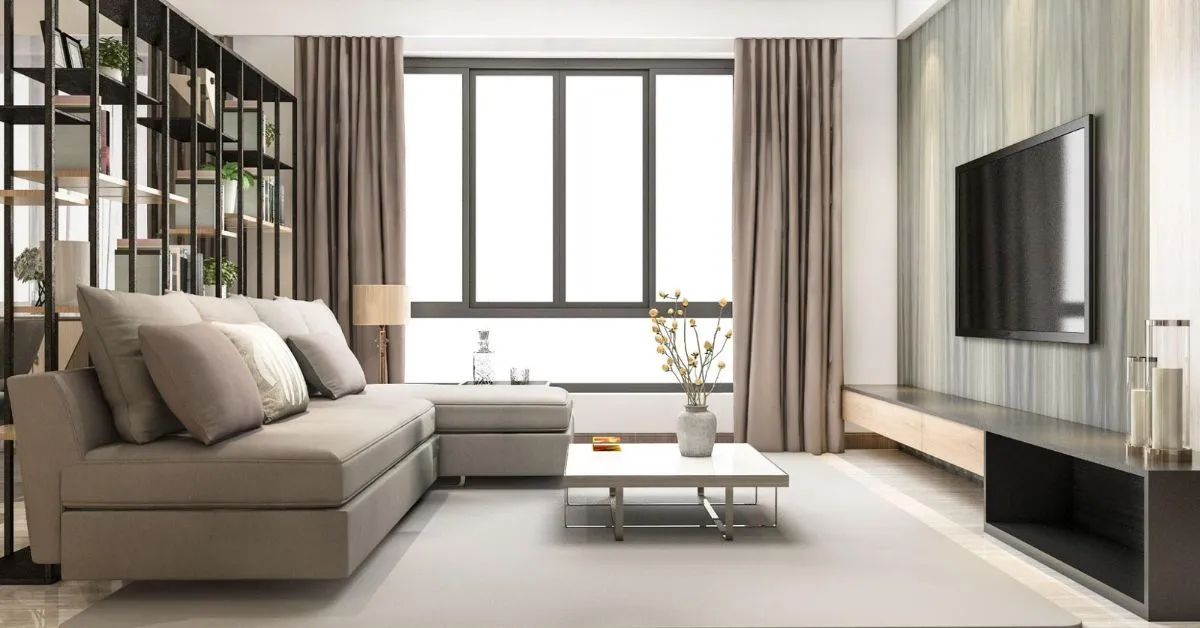
General Cleaning and Maintenance Tips
Keeping allergens at bay starts with a consistent cleaning routine.
Regular Cleaning Routine
- Vacuum carpets, rugs, and furniture at least once a week using a HEPA filter vacuum.
- Dust surfaces using a damp microfibre cloth instead of a dry duster to prevent spreading allergens.
- Declutter spaces to reduce dust traps – especially shelves, corners, and under furniture.
- Clean and disinfect pet areas regularly; wash their bedding weekly.
Laundry and Fabrics
- Wash bed linens in hot water (at least 130°F / 54°C) once a week to kill dust mites.
- Use zippered allergen-proof covers on pillows, mattresses, and box springs.
- Choose washable curtains, cushion covers, and rugs for easy maintenance.
These steps create a cleaner, more breathable living space.
Controlling Humidity and Ventilation
Managing humidity is key when you want to allergy proof your home.
Indoor humidity should be maintained between 40–50% to reduce the growth of mould and dust mites. Use dehumidifiers in moist areas like bathrooms or basements and clean their tanks regularly.
Keep windows closed during pollen-heavy seasons, and instead rely on air conditioning with clean filters for proper airflow. Regularly clean vents and ducts to prevent the accumulation of allergens.

Room-by-Room Allergy-Proofing Strategies
Allergy-proofing is most effective when approached room by room.
Bedroom
Your bedroom should be a sanctuary, not a source of sneezes.
- Encase mattresses, pillows, and box springs in dust-mite-proof covers.
- Remove wall-to-wall carpeting; opt for washable rugs or bare floors.
- Use furniture made from wood or leather; they’re easier to wipe down than fabric.
- Limit stuffed toys and decorative cushions, or store them in sealed bins.
Living Spaces
These high-traffic areas often collect the most allergens.
- Vacuum and dust regularly, focusing on upholstery, curtains, and shelves.
- Wash or replace throw pillows and blankets frequently.
- Keep pets off furniture and out of main sitting zones if you’re sensitive.
Bathroom
Bathrooms are prone to mould growth.
- Fix leaks immediately and ensure good ventilation with an exhaust fan.
- Clean tiles, shower curtains, and bath mats weekly to prevent mould.
- Use anti-mould cleaning sprays for added protection.
Kitchen
Pests and moisture can make the kitchen a hotspot for allergens.
- Store all food in airtight containers to prevent cockroach infestations.
- Clean counters, sinks, and floors after every meal.
- Empty bins daily to avoid odours and bacteria build-up.
Entryways
The entryway is your home’s first line of defence against outdoor allergens.
- Leave shoes at the door to avoid tracking in pollen or dirt.
- Change clothes after outdoor activities during high-pollen seasons.
Air Quality Management
Indoor air quality plays a vital role in allergy control.
Air Purifiers and Filters
- Use HEPA air purifiers in bedrooms and living rooms for optimal air quality.
- Replace HVAC and A/C filters every 1–2 months to maintain efficiency.
- Keep air ducts clean to prevent the circulation of dust and allergens.
- Consider additional air purifiers for homes with multiple pets or heavy dander.
Managing Windows and Doors
Seal gaps and inspect for drafts that may bring pollen indoors. Installing double-paned windows also improves insulation and reduces allergen entry.
Pet Management
Pets bring companionship and warmth, but they can also be a source of allergens. You don’t have to rehome them; just manage exposure.
- Bathe and groom pets weekly to minimise shedding and dander.
- Keep them off beds and upholstered furniture.
- Designate pet-free zones, especially in bedrooms.
These small boundaries help keep your home cleaner and breathing easier.
Specialised Tips & Products
Recommended Items:
- Certified Asthma & Allergy Friendly® vacuums
- Allergen-proof bedding covers
- Low-pile or washable rugs
- Plastic storage bins instead of fabric baskets
- HEPA air purifiers for key rooms
Seasonal Adjustments:
- Store decorations in sealed plastic containers.
- Check pollen forecasts before opening windows.
- Clean and maintain humidifiers and dehumidifiers regularly.
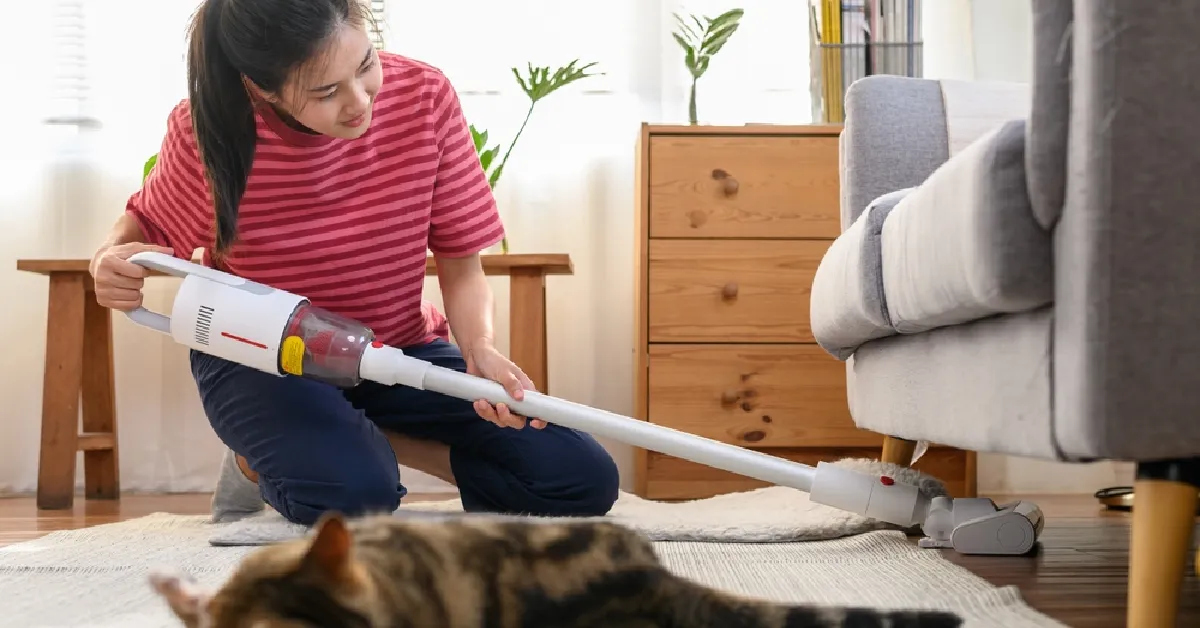
Do’s and Don’ts Summary Table
| Do | Don’t |
|---|---|
| Vacuum with a HEPA filter regularly | Use regular vacuums that may release dust |
| Wash linens in hot water weekly | Leave bedding unwashed for weeks |
| Keep windows closed during allergy season | Open windows when pollen is high |
| Control humidity (40-50%) | Let your home get damp and moldy |
| Bathe and groom pets often | Let pets sleep in your bed |
Key Takeaways
Regular cleaning is essential to maintain an allergy-proof home. Vacuum, dust, and wash frequently using HEPA filters and damp cloths to effectively trap allergens. Keep indoor humidity between 40-50% to prevent mould growth and dust mites. Ensure bedding is washed weekly in hot water and use allergen-proof covers for pillows and mattresses. Manage pets strategically by grooming them regularly, designating pet-free zones, and cleaning their bedding often. Seal entry points by keeping windows closed, opting for double-paned glass, removing shoes indoors, and changing clothes after returning home. Finally, invest in air purification systems – HEPA purifiers and regularly cleaned HVAC filters can greatly improve indoor air quality and reduce airborne allergens.
Frequently Asked Questions (FAQs)
Wash all bedding in hot water (at least 130°F/54°C) once a week and use allergen-proof covers on pillows and mattresses.
Ideally, yes. Replace them with hardwood or vinyl flooring and washable rugs. If not possible, use low-pile carpets and vacuum frequently with a HEPA-filter vacuum.
Replace HVAC and air purifier filters every one to two months for best performance.
Yes – especially HEPA purifiers, which capture dust, pollen, pet dander, and other airborne irritants.
Keep indoor humidity between 40-50% to discourage mould and dust mite growth.