



The Dubai green building regulations underpin sustainable construction across the emirate. Introduced to improve energy efficiency, water conservation, material selection and indoor environmental quality, these regulations ensure that Dubai’s rapid urban development aligns with long-term environmental goals.
With mandatory standards for new buildings and structured certification through the Al Sa’fat system, Dubai has established one of the region’s most comprehensive sustainability frameworks. These regulations apply to residential, commercial, industrial and mixed-use developments, shaping how buildings are designed, constructed and operated.
In this guide, you’ll find:
- Key Regulatory Frameworks & Systems
- Mandatory Requirements Under Al Sa’fat
- Key Performance Areas in Al Sa’fat
- Compliance Process & Certification
- Alignment with Dubai’s Sustainability Goals
- Comparing Requirements & Examples
- Challenges & Practical Considerations
- Key Takeaways
- FAQs
Key Regulatory Frameworks & Systems
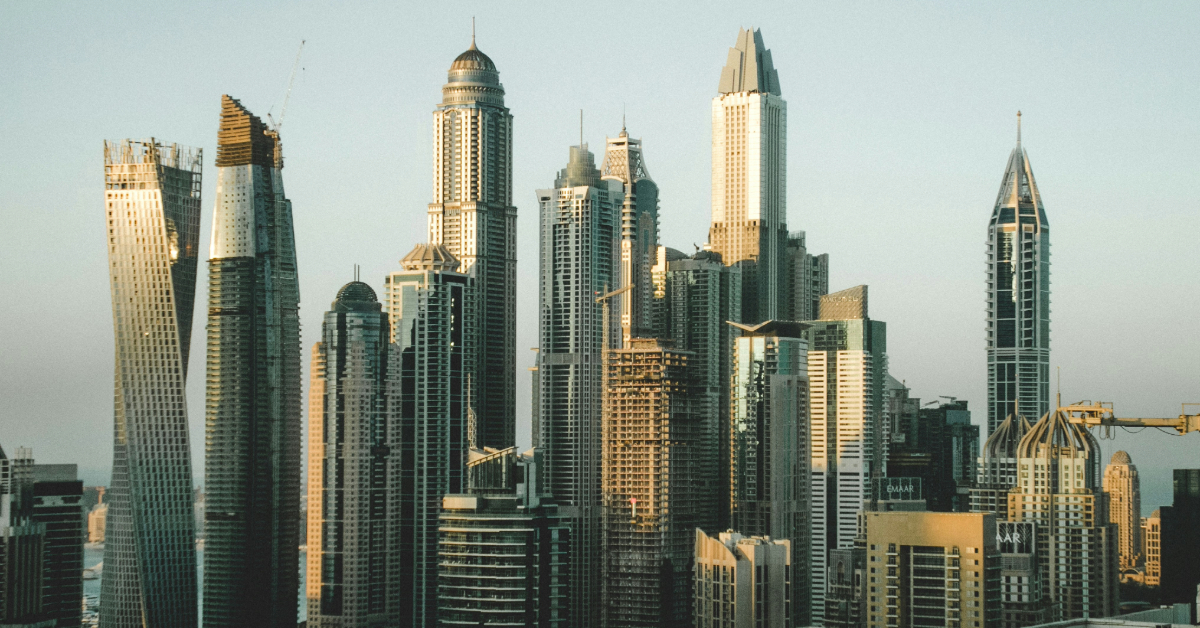
A green building is designed to improve resource efficiency in energy, water and materials while enhancing public health and welfare. In Dubai, this approach is particularly important given the hot climate, high cooling demand, and rapid urban expansion.
The regulatory journey began in 2010 with the introduction of green building regulations. In 2011, compliance became mandatory for government buildings. By 2014, the requirement expanded to all new buildings in Dubai.
The rationale behind the Dubai green building regulations is rooted in environmental protection, climate responsiveness and alignment with broader sustainability strategies. By addressing energy and water use at the design stage, Dubai aims to reduce long-term resource consumption while improving occupant comfort and well-being.
Al Sa’fat – Dubai Green Building System
Al Sa’fat is Dubai’s official green building rating system, introduced in 2016 to upgrade earlier green building regulations. It provides a structured certification system that measures sustainability performance across different categories.
The latest version is the 2nd Edition (January 2023), which replaced previous editions and refined technical requirements.
Al Sa’fat includes three certification levels:
- Silver Sa’fa – Mandatory baseline requirement
- Gold Sa’fa – Optional higher sustainability tier
- Platinum Sa’fa – Highest sustainability tier
Silver Sa’fa applies to all new buildings, while Gold and Platinum recognise enhanced environmental performance.
Administrative Resolution & Bylaw
Administrative Resolution No. (154) of 2020 approved the Bylaw on Al Sa’fat and formalised mandatory compliance.
Scope includes:
- All new constructions
- Additions and modifications submitted after the effective date
Exemptions may apply in special cases, such as certain heritage buildings, special-purpose structures, or projects that achieve equivalent or greater sustainability benefits.
Certificate validity periods are defined as follows:
- Silver Sa’fa
- Indefinite validity for Private Villas and Industrial Buildings
- 15 years for other building types
- Gold & Platinum Sa’fa
- Valid for 5 years
Dubai Building Code (DBC)
The Dubai Building Code (DBC), launched in January 2022, integrates prescriptive and performance-based design requirements into one unified code.
The DBC includes:
- Building envelope performance standards
- U-values
- Insulation requirements
- Glazing specifications
- Solar readiness tools
The DBC mandates minimum performance standards across building design. Al Sa’fat complements the DBC by providing the certification and rating hierarchy. Together, they form the core of the Dubai green building regulations framework.
Mandatory Requirements Under Al Sa’fat
- Silver Sa’fa (Baseline Standard)
Silver Sa’fa is mandatory for all new buildings in Dubai, across residential, commercial, industrial and mixed-use categories.
To obtain a building permit, projects must satisfy all mandatory Silver Sa’fa requirements.
Silver Sa’fa covers minimum standards in:
- Energy efficiency
- Water usage
- Indoor environmental quality
- Sustainable material selection
- Site ecology
For Private Villas, Investment Villas and Industrial Buildings, certain standards may be optional unless the project is targeting Gold or Platinum certification.
Explore the Available Villas for Sale in Dubai
-
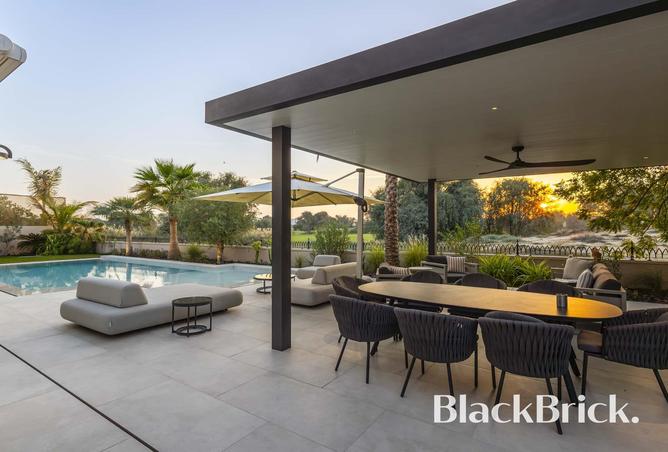

Villa
Listed 4 weeks ago
21,800,000 AED
EXCLUSIVE | Superb Craftsmanship | Sunset Skies
Mirador, Arabian Ranches, Dubai
5
7
8,569 sqft
-
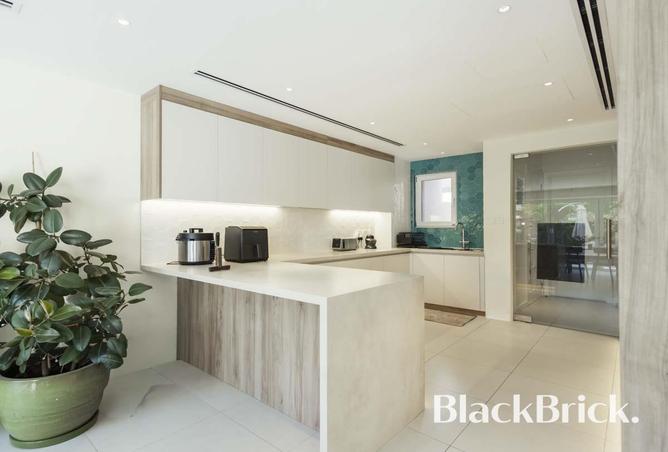
Villa
Listed 7 days ago
5,985,000 AED
Stunning Park Views |Fully Upgraded | View Today!
Al Reem 2, Al Reem, Arabian Ranches, Dubai
3
3
2,778 sqft
-
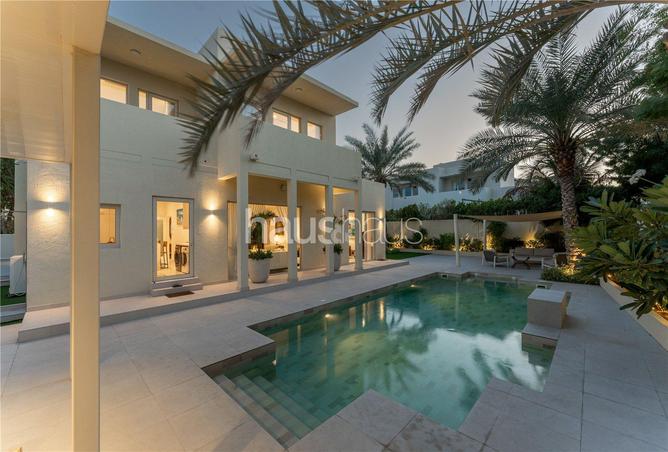
Villa
Listed 3 weeks ago
11,450,000 AED
Turnkey 4 Bed | Extended | All En Suite
Savannah 1, Savannah, Arabian Ranches, Dubai
4
5
3,937 sqft
-
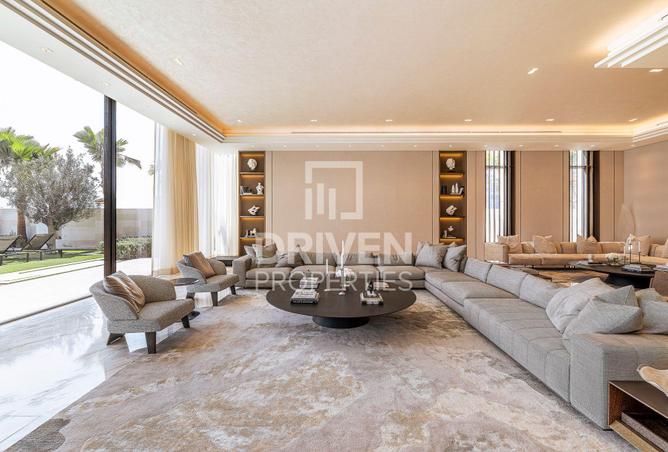
Villa
Listed 12 hours ago
250,000,000 AED
Sophisticated Modern Villa | Incomparable Luxury
Jumeirah Bay Island Villas, Jumeirah Bay Island, Jumeirah, Dubai
5
6
18,587 sqft
-
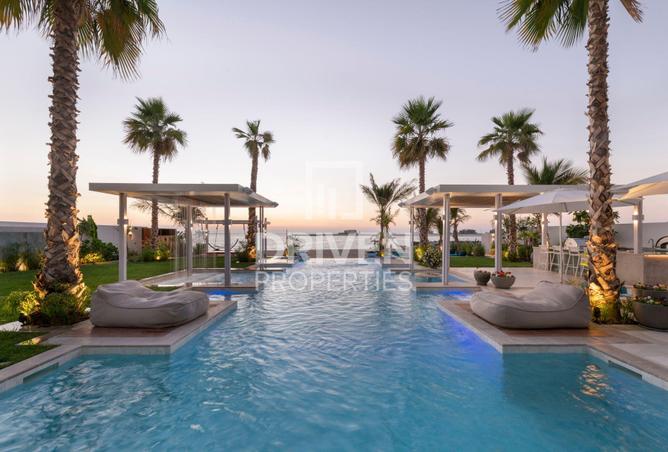
Villa
Listed 12 hours ago
295,000,000 AED
Timeless Beachfront Villa | Unparalleled Sea View
Jumeirah Bay Island Villas, Jumeirah Bay Island, Jumeirah, Dubai
5
7
17,252 sqft
-
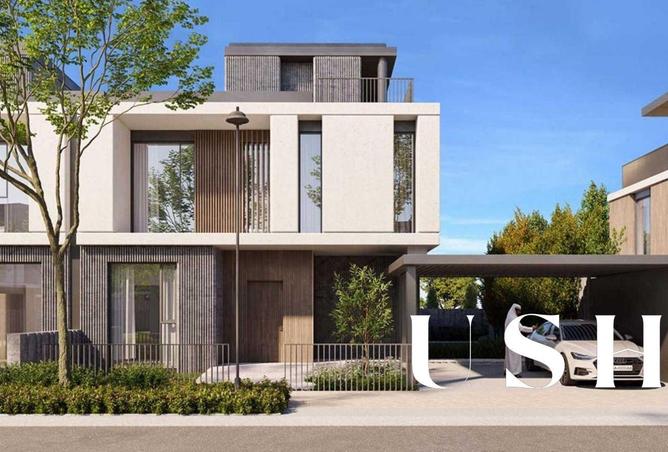
Villa
Listed 2 days ago
6,850,000 AED
Genuine Resale | Luxury - Semi detached Villa
June, Arabian Ranches 3, Dubai
5
6
4,521 sqft
-
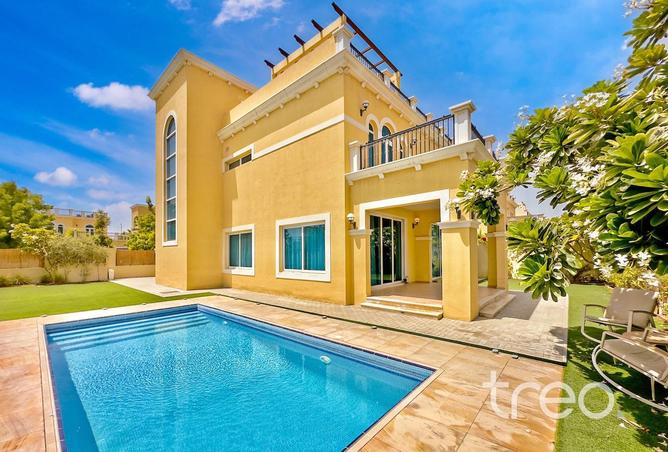
Villa
Listed 1 day ago
9,800,000 AED
Corner Plot | Pool | Internal Single Row | Vacant
Legacy Nova Villas, Jumeirah Park, Dubai
4
4
4,157 sqft
-
Villa
Listed 8 hours ago
7,800,000 AED
Vacant On Transfer | Large Layout | Upgraded
Springs 1, The Springs, Dubai
3
3
2,700 sqft
-
Villa
Listed 2 days ago
90,000,000 AED
Elegant B Type | March Completion | Viewable Now
Silk Leaf 3, Silk Leaf, Al Barari, Dubai
6
7+
14,791 sqft
-
Villa
Listed 2 days ago
23,500,000 AED
Turnkey Villa | Luxury | Biggest Plot
Jumeirah Park Homes, Jumeirah Park, Dubai
6
7
9,100 sqft









- Gold & Platinum Sa’fa (Optional Higher Tiers)
Gold and Platinum Sa’fa introduce more stringent requirements across all sustainability categories.
These higher tiers often include:
- Renewable energy integration
- Advanced cooling technologies
- Waste management systems
- Innovation credits
Performance expectations are elevated in:
- Energy efficiency
- Water conservation
- Sustainable materials
- Indoor environmental quality
Key Performance Areas in Al Sa’fat
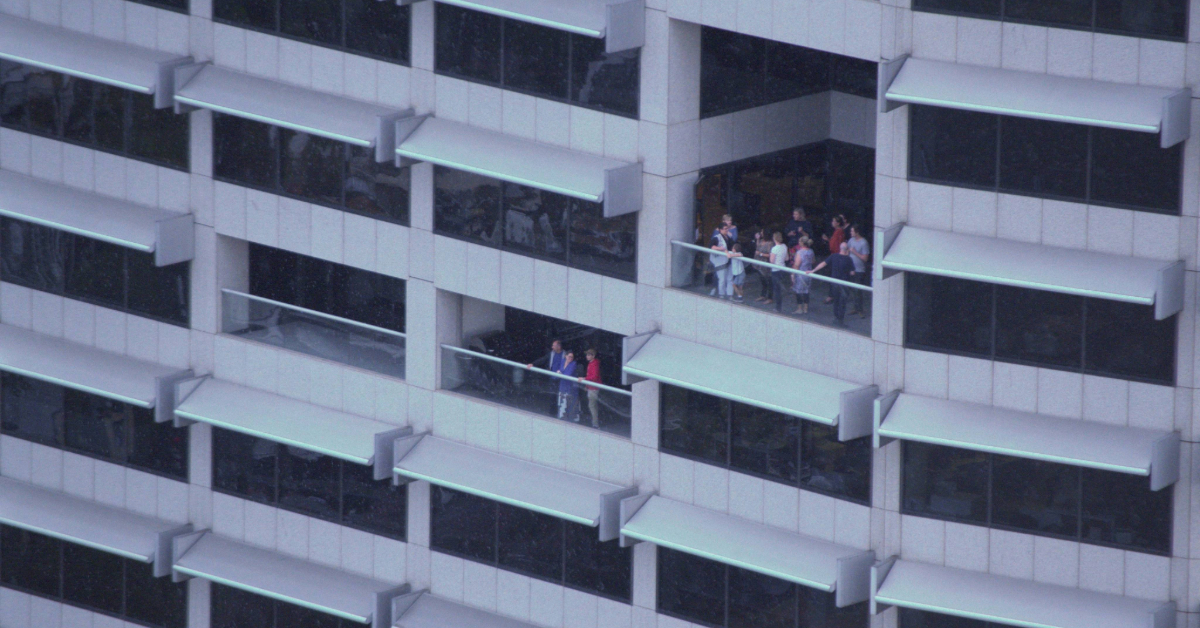
The Dubai green building regulations focus on several core sustainability categories.
- Site Planning & Ecology
Measures include mitigation of urban heat island effects, strategic landscaping and building orientation. Proper site planning contributes to lower energy demand and improved environmental performance.
- Energy Efficiency
Energy standards address:
- Building envelope performance
- U-values
- Insulation
- Glazing
- HVAC systems
- Lighting standards
These measures are particularly important in Dubai’s high-temperature climate.
- Water Efficiency
Water efficiency requirements include:
- Low-flow fixtures
- Water reuse and recycling
- Reduced landscaping water consumption
Given Dubai’s arid conditions, water conservation is central to regulatory compliance.
- Materials & Waste
Projects must prioritise sustainable material selection and implement waste minimisation and recycling strategies to reduce environmental impact.
- Indoor Environmental Quality
Indoor environmental quality focuses on:
- Ventilation
- Daylight access
- Thermal comfort
- Acoustic comfort
Compliance Process & Certification
- Documentation must be submitted to Dubai Municipality during the design, construction and occupancy phases to demonstrate compliance with Al Sa’fat requirements.
- All buildings must meet mandatory Silver Sa’fa criteria to be issued a building permit.
- Gold and Platinum Sa’fa certifications require additional supporting evidence beyond the baseline requirements.
- Gold and Platinum certificates are valid for five years.
- Exemptions may apply to heritage buildings, special-purpose structures, or projects achieving equivalent or greater sustainability benefits, as outlined under Administrative Resolution No. (154) of 2020.
Aligning with Dubai’s Sustainability Goals
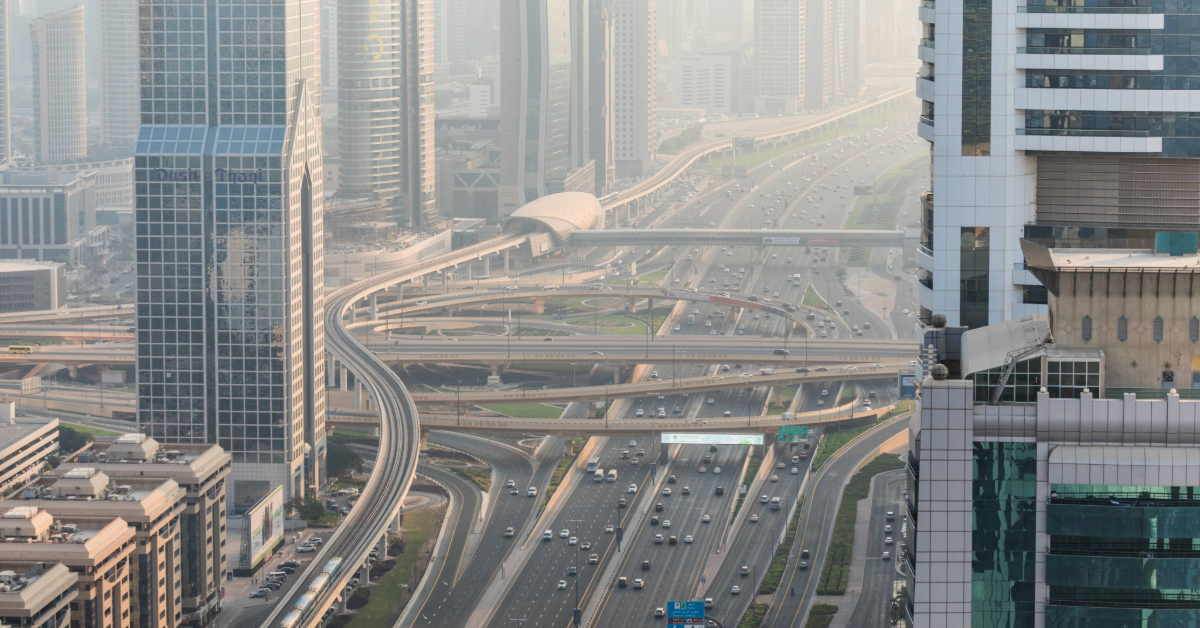
- Supports Dubai’s Energy & Water Demand Management Strategy, targeting 30% savings by 2030 and 50% savings by 2050.
- Over 55,000 buildings are already applying green building standards, reflecting widespread compliance and adoption.
- Retrofitting existing buildings is a key component in achieving long-term, city-wide sustainability targets.
Comparing Requirements & Examples
The table below outlines the key differences between mandatory Silver Sa’fa requirements and the optional Gold and Platinum tiers under the Dubai green building regulations.
| Aspect | Silver Sa’fa (Mandatory) | Gold / Platinum Sa’fa (Optional) |
| Energy Efficiency | Baseline building envelope and HVAC standards | High-performance systems and renewable energy integration |
| Water Usage | Low-flow fixtures and standard landscaping controls | Recycled water systems, ultra-low-flow fixtures and efficient irrigation |
| Indoor Quality | Standard ventilation and minimum daylight requirements | Enhanced air filtration, improved acoustics and ergonomic considerations |
| Materials & Waste | Selection of sustainably certified basic materials and minimal waste controls | Strict sourcing standards, recycling and reuse strategies, and defined waste diversion targets |
Challenges & Practical Considerations
- Higher-tier certification (Gold / Platinum) can increase costs due to advanced technologies, specialised procurement and construction methods.
- Limited local availability of sustainable materials may require importation, creating logistical and cost challenges.
- Technical expertise is required for building design, performance simulations and compliance documentation.
- Retrofitting existing buildings can be complex and capital-intensive.
- Building performance ultimately depends on proper operation, maintenance and occupant behaviour.
Key Takeaways
Al Sa’fat, formally established under the 2020 bylaw, is Dubai’s official green building certification system, replacing earlier regulations, with Silver Sa’fa mandatory for all new buildings. While Silver sets the baseline standard, Gold and Platinum certifications are optional tiers that promote higher levels of sustainability performance. The Dubai Building Code (DBC) further strengthens the framework by integrating sustainability requirements across building design.. Key performance areas under the system include energy efficiency, water conservation, materials and waste management, site planning and indoor environmental quality.
FAQs
Al Sa’fat applies to all new buildings in Dubai, including private villas, investment villas, residential, commercial, industrial and mixed-use buildings. It also applies to additions and modifications submitted after the effective date.
Silver Sa’fa is the mandatory baseline certification covering core sustainability requirements. Gold and Platinum introduce more stringent criteria, renewable integration and higher environmental performance standards.
Silver Sa’fa is valid indefinitely for Private Villas and Industrial Buildings, and 15 years for other building types. Gold and Platinum certificates are valid for five years.
Yes. Additions and modifications must comply, and green retrofitting frameworks support upgrading existing buildings to meet sustainability standards.
The Dubai Building Code sets minimum prescriptive and performance-based requirements, while Al Sa’fat provides the certification and rating hierarchy within the Dubai Green Building Regulations framework.