



Dubai’s skyline is often defined by glass towers, record-breaking heights, and futuristic architecture. Yet beneath the modern city lies a layered architectural history that stretches back more than two centuries. From coral-and-mud forts to early high-rise towers along Sheikh Zayed Road, Dubai’s built environment tells the story of a trading settlement evolving into a global city. Exploring the oldest building in Dubai and its contemporaries offers insight into how heritage and modernity coexist in the emirate today.
In this guide, you’ll find:
- Overview – Dubai’s Architectural Timeline
- Al Fahidi Fort (Al Bastakiya/Dubai Museum)
- Al Fahidi/Al Bastakiya Historical Neighbourhood
- Bayt Al Wakeel
- Deira Clock Tower (Dubai Tower)
- Toyota Building (Nasser Rashid Lootah Building)
- Dubai World Trade Centre (DWTC/Sheikh Rashid Tower)
- Mosques, Walls & Minor Heritage Structures
- Comparison Table – Ages & Details
- Key Takeaways
- FAQs
Overview – Dubai’s Architectural Timeline
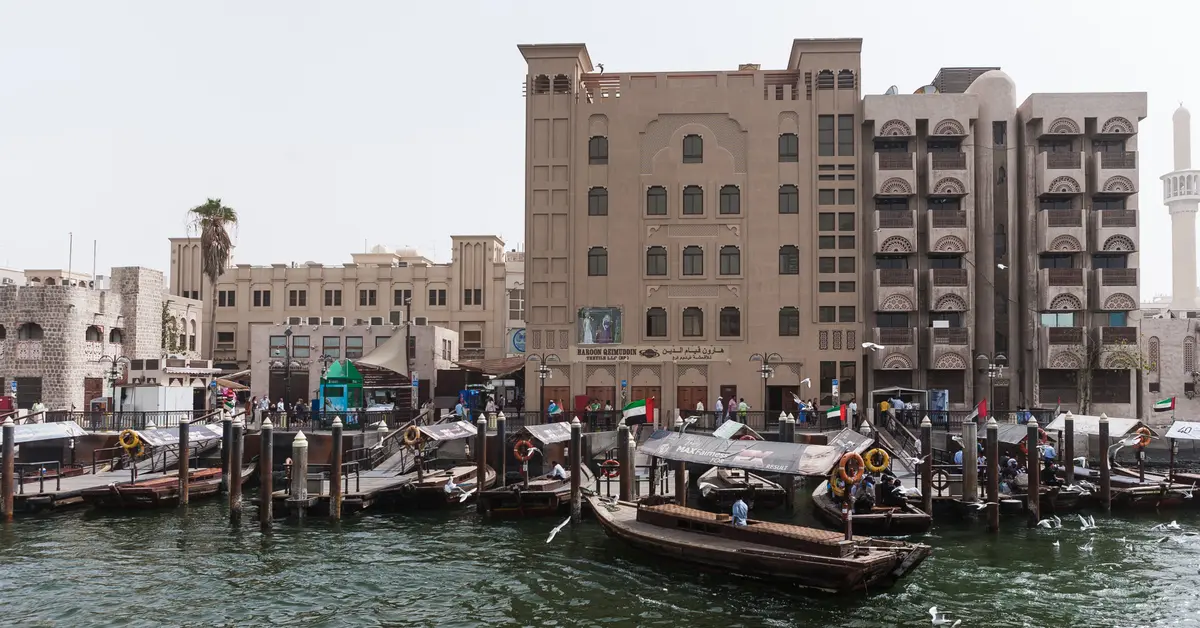
Dubai’s architectural journey can broadly be divided into several phases. Early buildings from the late 18th and 19th centuries were constructed using locally available materials such as coral stone, mud, gypsum, and palm wood. These structures prioritised climate-responsive design, with courtyards, narrow lanes, and wind towers providing natural cooling.
By the early to mid-20th century, as maritime trade expanded, larger residential and commercial buildings began to appear along Dubai Creek. Structures such as Bayt Al Wakeel reflect the pre-oil trading era, combining functional design with maritime influences.
The 1960s and 1970s marked a major transition. Concrete construction, landmarks such as the Deira Clock Tower, and early residential towers, such as the Toyota Building, signalled Dubai’s move towards modern urban development. By the late 1970s, the inauguration of Dubai World Trade Centre confirmed the city’s ambitions on the global stage, bridging its past with a rapidly modernising future.
Al Fahidi Fort (Al Bastakiya / Dubai Museum)
Al Fahidi Fort was built in the late 1700s as a defensive fortification and is widely regarded as Dubai’s oldest standing building. Most heritage accounts date its construction to around 1787, although some sources note slight variations. The fort protected Dubai’s settlement from external threats and safeguarded vital trade routes.
Function(s) Over Time
Over the centuries, Al Fahidi Fort served multiple roles. It functioned as a ruler’s residence, a prison, and an armoury before being repurposed in 1971 as the Dubai Museum. Each phase reflects the city’s evolving needs as it transitioned from a small trading port to a modern emirate.
Restoration and Public Role
Located within the Al Fahidi Historical District, the fort underwent restoration in the early 2000s. Today, it plays a central public role, offering visitors an accessible introduction to Dubai’s social, cultural, and architectural history while remaining a cornerstone of the city’s heritage preservation efforts.
Al Fahidi / Al Bastakiya Historical Neighbourhood
The Al Fahidi Historical Neighbourhood, also known as Al Bastakiya, was established in the 1890s by Persian merchants from Bastak. The area quickly became a thriving residential and commercial quarter near Dubai Creek, underscoring the emirate’s importance as a regional trading hub.
Architectural Features
The neighbourhood is known for its traditional architectural elements, including wind towers, coral and Gulf stone walls, gypsum finishes, and shaded courtyards. Narrow lanes were intentionally designed to reduce heat and encourage airflow, while communal spaces fostered social interaction among residents.
Threats, Demolition, and Preservation
In the 1980s, much of Al Bastakiya was slated for demolition as Dubai expanded rapidly. Advocacy efforts, particularly led by Prince Charles, helped halt these plans. Dubai Municipality later restored the district around 2005, transforming it into a protected heritage area now home to museums, galleries, cafes, and cultural institutions.
Bayt Al Wakeel
Bayt Al Wakeel was constructed in 1935 as the residence and office of a marine agent serving the Shindagha shipping and trade sector. Its strategic location near Dubai Creek highlights the importance of maritime commerce during the pre-oil era.
Materials and Architectural Style
The building uses traditional materials such as coral stone, wooden beams, and mud, reflecting the practical maritime architecture of the time. Its design prioritised durability and functionality while remaining suited to the coastal environment.
Current Use
Today, Bayt Al Wakeel has been preserved and adapted as a heritage restaurant and maritime museum. The structure remains largely intact, offering a tangible glimpse into Dubai’s trading past and everyday life before large-scale urban development.
Deira Clock Tower (Dubai Clock Tower)
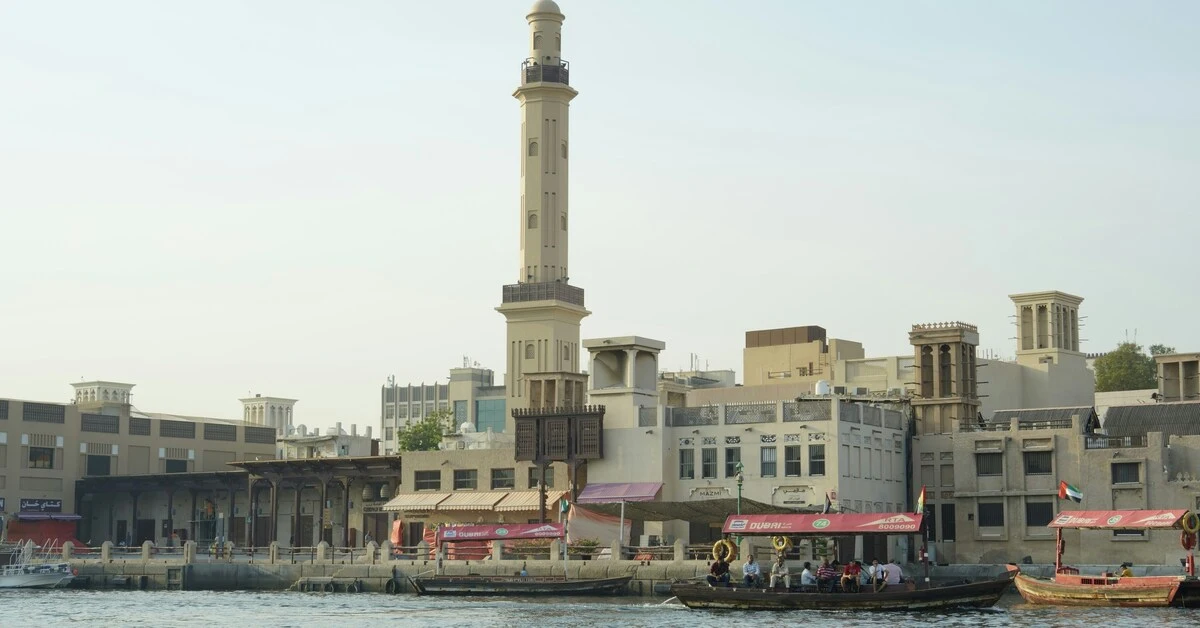
Completed between 1963 and 1965, the Deira Clock Tower was built as both a functional and symbolic landmark at a key intersection in Deira. Its creation was inspired by a gift initiative and intended to serve as a gateway into Dubai.
Design & Materials
The structure features concrete arches supporting four clock faces. Built in under a year, the tower initially used beach sand in its construction. Over time, corrosion issues developed, prompting a rebuild in the early 1970s using improved materials.
Renovations & Symbolic Importance
The Clock Tower has been repaired, rebuilt, and slightly relocated over the years. Today, it is recognised as part of Dubai’s “modern heritage.” Major urban repair works in 2023 reaffirmed its symbolic role as a reminder of the city’s transition into modernity.
Toyota Building (Nasser Rashid Lootah Building)
Constructed in 1974, the Nasser Rashid Lootah Building, popularly known as the Toyota Building, was one of Dubai’s earliest 15-storey residential towers along Sheikh Zayed Road. At the time, it stood prominently against a largely undeveloped desert backdrop.
Nickname & Signage
The building earned its nickname from a large neon Toyota sign mounted on its façade. The sign became a major visual landmark and reference point for residents. Although removed in 2018, public demand led to its reinstatement in 2022.
Role & Public Memory
Before Dubai’s skyline took shape, the Toyota Building served as a navigational reference visible across vast stretches of sand. It remains a residential building today, and while demolition has been discussed, plans have been postponed due to ongoing occupancy and rental use.
Dubai World Trade Centre (DWTC / Sheikh Rashid Tower)
Dubai World Trade Centre opened in 1979 and was inaugurated by Queen Elizabeth II. At the time, it was both the tallest building in Dubai and one of the city’s most ambitious architectural projects.
Design and Early Significance
With 39 floors, DWTC was Dubai’s first true skyscraper. It symbolised the emirate’s growing global business aspirations and marked a decisive shift away from low-rise development.
Current Status
Despite being surrounded by newer, taller towers, DWTC remains a major venue for trade fairs, exhibitions, and conferences, maintaining its relevance decades after its completion.
Mosques, Walls & Minor Heritage Structures
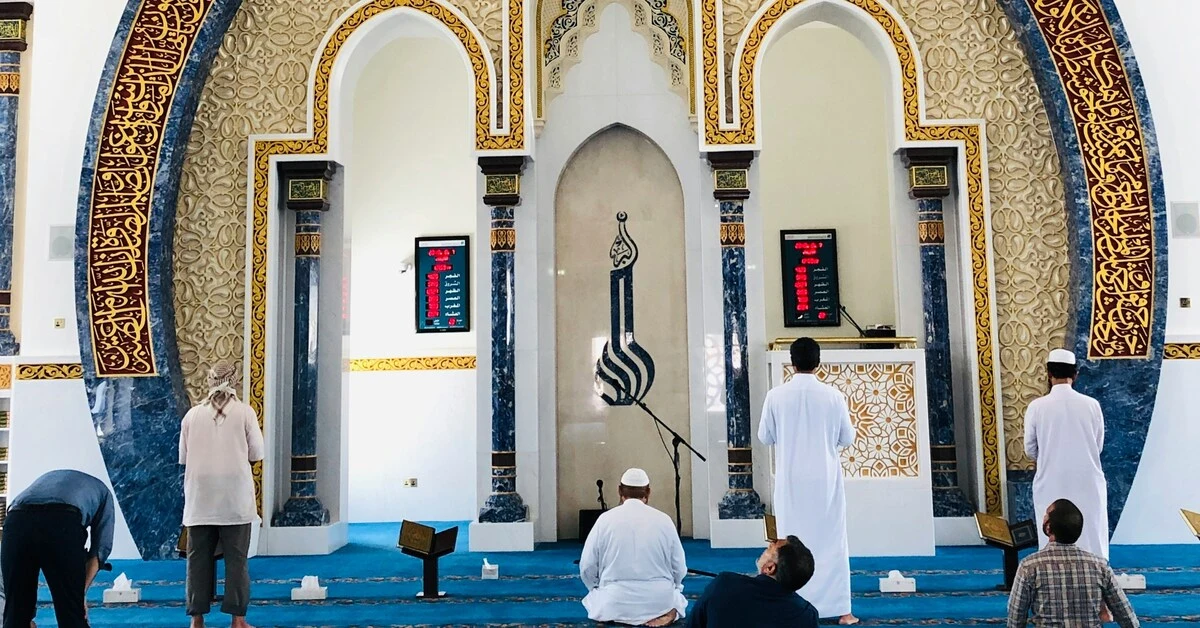
Built in 1952 in Deira, the Omar Ali bin Haider Mosque is one of Dubai’s significant religious heritage structures. It remains an active mosque and reflects mid-20th-century religious architecture in the emirate.
The “Wall of Old Dubai”
Dating back to around 1800 AD, the Wall of Old Dubai once marked the city’s boundary. Only remnants survive today, but they remain important archaeological markers of early urban planning.
Comparison Table – Ages & Details
| Building / Structure | Year Built | Original Purpose | Current Use |
| Al Fahidi Fort | 1787 | Fort / Ruler’s residence / Arsenal | Dubai Museum |
| Al Bastakiya (Neighbourhood) | 1890s | Residential & trade houses | Heritage district |
| Bayt Al Wakeel | 1935 | Marine agent’s house/shipping office | Museum & restaurant |
| Deira Clock Tower | 1963–65 | Landmark & traffic point | Cultural landmark |
| Toyota Building | 1974 | Residential high-rise | Still residential |
| Dubai World Trade Centre | 1979 | Convention & business hub | Trade & events centre |
| Omar Ali bin Haider Mosque | 1952 | Religious building | Active mosque |
Key Takeaways
Al Fahidi Fort, built in 1787, stands as the oldest surviving major structure in Dubai, offering a rare glimpse into the city’s past. Nearby, the Al Fahidi district preserves late-19th and early-20th-century residential architecture, with traditional houses and wind towers still largely intact. Bayt Al Wakeel, constructed in 1935, reflects Dubai’s pre-oil trading era. The Deira Clock Tower and the Toyota Building together mark Dubai’s architectural shift toward modern landmarks and high-rise development. By 1979, the Dubai World Trade Centre emerged as the city’s first true skyscraper. Alongside these major structures, historic mosques and remnants of old boundary walls remain significant elements of Dubai’s heritage.
FAQs
Al Fahidi Fort, built around 1787, is considered Dubai’s oldest surviving major building. Today, it houses the Dubai Museum and offers insight into the city’s early history.
Built in 1974, the Nasser Rashid Lootah Building is one of Dubai’s earliest residential high-rises. It is commonly known as the Toyota Building because of its large neon Toyota sign, which has become a city landmark.
The Deira Clock Tower was completed in 1965. It was designed as both a symbolic landmark inspired by a gift and a functional navigational point at a key intersection, marking the entrance into Dubai.
Traditional houses were typically constructed using mud, coral stone, gypsum, wood, and palm fronds. Wind towers were commonly used to provide natural cooling.
Dubai has preserved its heritage through restoration projects, heritage listings, prevention of demolition, and the adaptive reuse of historic buildings for cultural and tourism purposes, led by heritage advocates and authorities such as Dubai Municipality and Dubai Culture.