



The Maktoum bin Rashid Al Maktoum Stadium in Dubai is one of the city’s historically significant football venues, known for its longstanding association with Al Shabab Al Arabi Club and, more recently, Shabab Al Ahli.
Opened in 1978, the stadium has been an integral part of Dubai’s sports culture, offering fans and players a traditional football environment. This guide provides a complete overview of the stadium, from its history and facilities to its current role within Dubai’s football ecosystem.
- Introduction to Maktoum bin Rashid Al Maktoum Stadium
- History and Development
- Architecture, Design, and Facilities
- Clubs, Teams, and Competitions
- Location, Transport, and Access
- Media Coverage, Images, and Visual Identity
- Key Takeaways
- FAQS
Introduction to Maktoum bin Rashid Al Maktoum Stadium
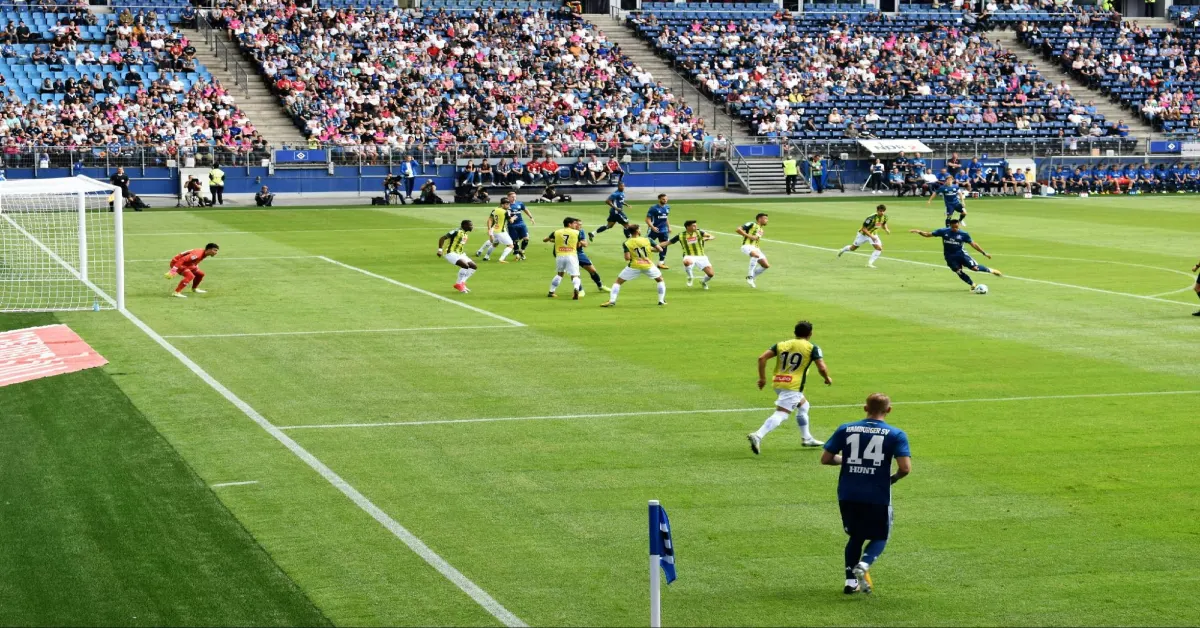
It is a historic football stadium in Dubai, primarily hosting matches and club training. Named after the late Sheikh Maktoum bin Rashid Al Maktoum, it honours his contributions to Dubai’s sports culture. It is distinct from Al Maktoum Stadium in Oud Metha, which is larger and hosts major tournaments.
Basic Facts and Technical Profile
- Official Name: Maktoum bin Rashid Al Maktoum Stadium
- Type: Multi-use, football-focused
- Opened: 1978
- Pitch: Natural grass, standard dimensions
- Capacity: Approx. 12,000 spectators
History and Development
The stadium developed over time, evolving from early construction to later upgrades, which highlight Dubai’s growing football scene.
Construction and Early Years (1970s – 1990s)
Opened in 1978, the stadium was built to support Dubai’s growing football scene. Its initial design featured open stands, basic facilities, and a traditional bowl layout, playing a key role in local football and community sports.
Club Tenancy and Ownership
From 1978 – 2017, Al Shabab Al Arabi Club was the primary tenant. After the 2017 merger of Al Shabab, Al Ahli, and Dubai Club into Shabab Al Ahli, the stadium became a secondary venue for selected matches, youth competitions, and training, complementing Al Maktoum Stadium in Oud Metha.
Renovation and Modernisation
Authorities upgraded the stadium’s infrastructure, seating, safety, and media facilities. While functional, these improvements are modest compared to the 2018-2019 rebuild of Al Maktoum Stadium, which was modernised for international tournaments.
Architecture, Design, and Facilities
The stadium combines practical 1970s design with functional facilities, offering a straightforward yet effective environment for players, fans, and media.
Architectural Design and Style
The stadium features a traditional bowl shape with open stands typical of late 1970s Middle East stadiums. Most seating is uncovered, exposing spectators to sun and wind, reflecting the functional design of its era.
Pitch and Playing Conditions
The pitch has a natural grass surface, carefully maintained for professional play. Matches are often scheduled considering Dubai’s heat, with evening fixtures preferred. The stadium is used for both competitive matches and club training sessions.
Seating, Spectator Experience, and Amenities
With a capacity of approximately 12,000, the stadium includes standard stands, limited VIP sections, and a press area. Sightlines are generally clear, and basic amenities such as concessions, restrooms, and fan services are available. Accessibility features include ramps and family-friendly sections.
Media, Broadcast, and Match Operations
The stadium features a press box and commentary positions to support local media coverage. Lighting and broadcast facilities meet domestic league standards. Match-day operations include security and crowd management to ensure a safe environment for all spectators.
Clubs, Teams, and Competitions
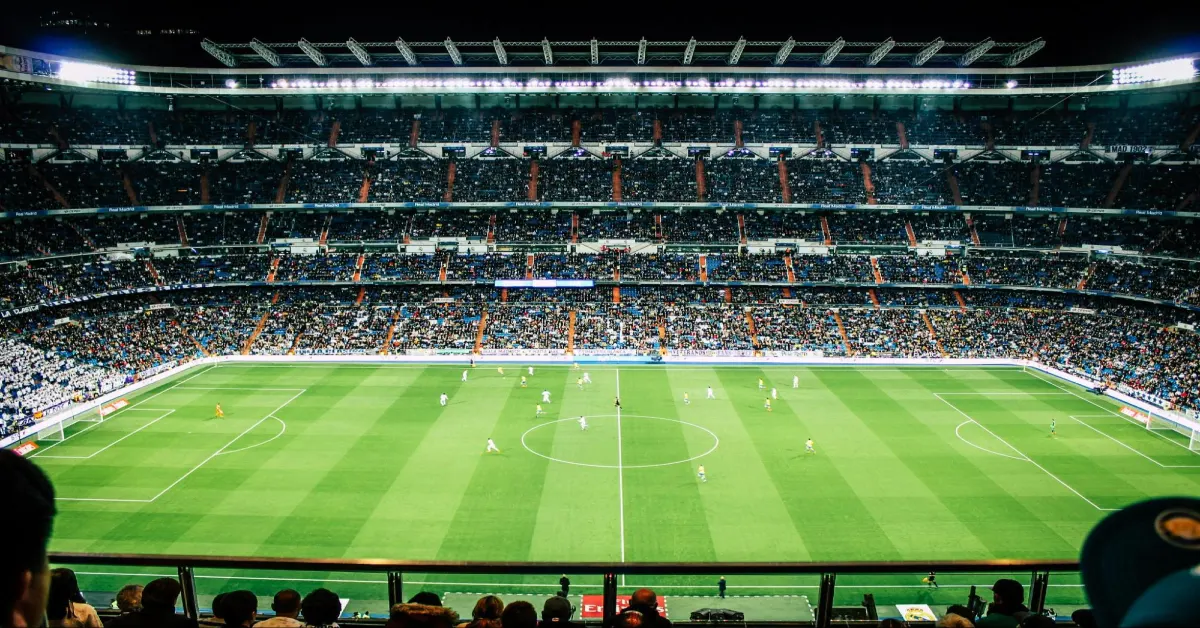
The stadium has hosted a range of football clubs and competitions, evolving from a primary home ground for local teams to a versatile venue for league, youth, and neutral matches.
Al Shabab Al Arabi Club Era (Primary Tenant)
From 1978 to 2017, the stadium was home to Al Shabab Al Arabi Club, hosting domestic league and cup matches. It became known for its local rivalries and derby atmosphere, serving as a focal point for Dubai football fans.
Shabab Al Ahli Era
After the 2017 merger of Al Shabab, Al Ahli, and Dubai Club into Shabab Al Ahli, the stadium transitioned into a secondary venue, which is used for selected league matches, youth team games, training sessions, and domestic cup fixtures.
International and Neutral Match
Organisers typically hold major Dubai tournaments at Al Maktoum Stadium (Al Nasr), which offers higher capacity and modern facilities.
Location, Transport, and Access
The stadium sits within a mixed-use area of residential and commercial districts. It is easily accessible from Deira and the Sharjah border, with good road connectivity for fans.
It is located in Al Mamzar, Dubai
Getting to Maktoum bin Rashid Al Maktoum Stadium
The stadium is easily accessible via the Dubai-Sharjah corridor and main city roads. Public transport options are limited, so most visitors arrive by car or taxi. Parking is available on-site, though match-day traffic can be heavy.
Surrounding Amenities and Landmarks
The stadium is close to Al Mamzar Beach Park and Dubai’s coastal area, with nearby residential and commercial districts offering additional conveniences. In comparison, Al Maktoum Stadium (Oud Metha) sits near attractions like Dubai Frame, Dubai Dolphinarium, and Dubai Garden Glow, making it a more tourist-friendly location.
Media Coverage, Images, and Visual Identity
The stadium’s visual presence and media coverage reflect its traditional design, offering a classic football-ground look that contrasts with Dubai’s more modern venues.
Photo and Video Coverage
Photo agencies have documented the stadium extensively with stock and editorial images. Visual themes typically highlight the stands, pitch, floodlights, and club branding, giving a traditional football-ground appearance compared with Al Maktoum Stadium’s modern LED-facade look.
Reputation in Online Reviews and Fan Forums
Fans generally perceive it as comfortable and functional, though less modern than other Dubai venues, balancing a classic stadium feel with basic contemporary facilities.
Key Takeaways
Maktoum bin Rashid Al Maktoum Stadium is a multi-use football stadium located in Al Mamzar, Dubai, which opened in 1978 and has a capacity of approximately 12,000 spectators with a natural grass surface. It served as the long-time home of Al Shabab Al Arabi Club from 1978 to 2017 and now functions as a secondary stadium for Shabab Al Ahli following the 2017 merger.
FAQs
No. Maktoum bin Rashid Al Maktoum Stadium is in Al Mamzar and historically hosted Al Shabab, while Al Maktoum Stadium is in Oud Metha, home to Al Nasr SC and a venue for the 2019 AFC Asian Cup.
Since the 2017 merger of Al Shabab, Al Ahli, and Dubai Club, the stadium serves as a secondary ground for Shabab Al Ahli, mainly for select matches and club activities.
The stadium can accommodate approximately 12,000 spectators.
Maktoum bin Rashid Stadium is a 12,000-seat venue from 1978, whereas the Sheikh Mohammed Bin Rashid Al Maktoum Stadium is a planned 60,000-seat, zero-carbon mega-stadium featuring dune-inspired architecture, a hotel, convention centre, and shopping mall.
No. The 2019 AFC Asian Cup matches in Dubai were held at Al Maktoum Stadium (Oud Metha), not at Maktoum bin Rashid Al Maktoum Stadium.