



Pearl Diving in the UAE is one of the oldest and most defining chapters of the nation’s past. Long before oil transformed the region, pearling shaped community life, supported entire coastal economies, and created traditions still celebrated today.
This heritage remains an important part of Emirati identity, preserved through museums, restored neighbourhoods, and cultural festivals across the Emirates.
- The origins of pearl diving in the UAE
- Life of a pearl diver
- Economic importance of pearling
- Cultural heritage and traditions regarding pearl diving in the UAE
- Modern revival of pearling
- Fascinating facts about UAE pearls
- Where to experience pearling today
- Key takeaways
- FAQs
The origins of pearl diving in the UAE
Pearl diving began as a way of life for coastal communities, shaped by the Gulf’s rich natural waters.
Early beginnings
- Pearl Diving in the UAE dates back more than 7,000 years, with archaeological evidence of early coastal tribes harvesting natural pearls for trade.
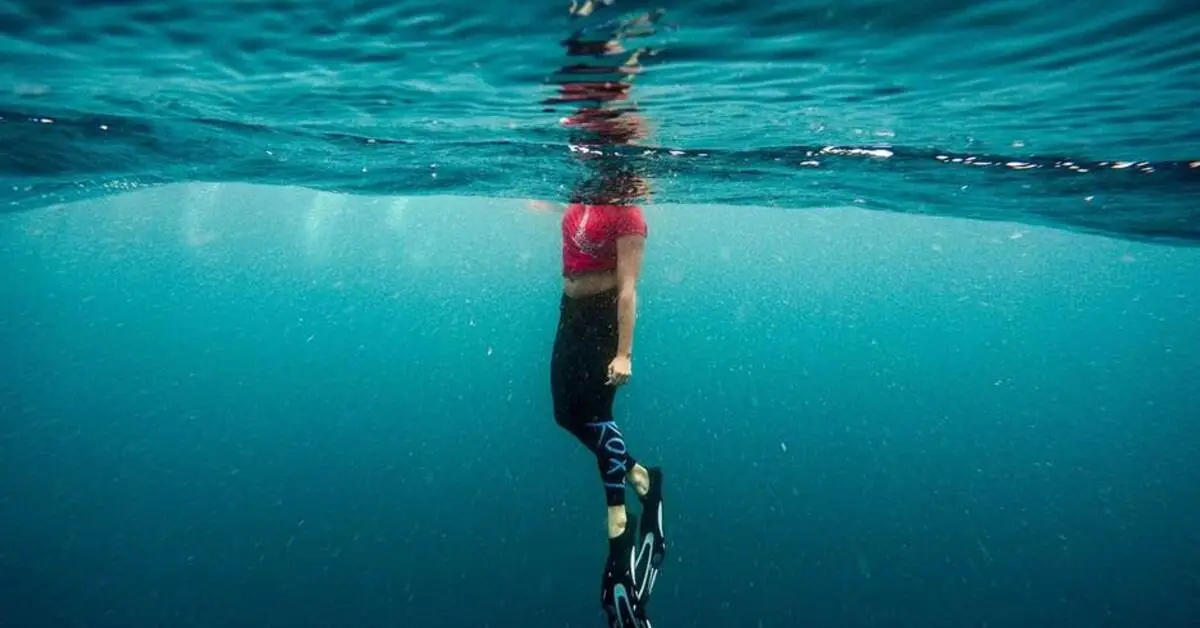
- Divers relied on simple tools and remarkable skill to reach depths of up to 20 metres.
They would spend months at sea searching fr the precious gems that would later become symbols of status across the region.
Geographic pearling hotspots
The Arabian Gulf provided ideal conditions for natural pearl formation: shallow warm waters, high salinity levels, and an abundance of oysters. This made places like Ras Al Khaimah, Umm Al Quwain, Dubai, and Abu Dhabi key centres for pearling fleets.
Some of these places still preserve elements of their maritime past, from restored neighbourhoods like Al Fahidi to coastal heritage areas such as Al Jazirah Al Hamra, a community once known for its strong seafaring roots.
Life of a pearl diver
The daily reality of a pearl diver was a mix of skill, teamwork, and extraordinary physical endurance.
The diving season (Al Ghous)
Pearl diving in the UAE traditionally took place during Al Ghous, the main diving season running from June to September. Before setting out, divers prepared supplies, repaired nets and boats, and said farewell to their families for months at a time. Life at sea demanded resilience; days were long, and dives were frequent, often repeated more than 50 times per day.
Roles on the pearling boat
Every dhow had a structured hierarchy.
- Nakhuda served as captain and decision-maker.
- Ghais: descended into the water using a weighted stone.
- Saib hauled him back to the surface with a rope.
- Additional crew members handled navigation, food preparation, and sorting oysters.
These collective efforts reflect the community spirit that still shapes many coastal traditions today.
Tools and techniques
Pearl diving relied on minimal equipment: nose clips, finger protectors, and weighted stones for rapid descent. Divers developed specialised free-diving techniques, often holding their breath for over a minute. Risk was constant, from underwater injuries to storms, making the trade both demanding and deeply respected.
Economic importance of pearling
For generations, pearling powered local economies and connected the region to major global trade routes.
Pre-oil economic backbone
For centuries, Pearl diving in the UAE was the region’s primary source of income. Merchant networks connected the Gulf to India, Persia, Europe, and even beyond, where Arabian pearls were prized for their natural lustre and rarity. Coastal towns flourished as trade hubs, shaping lifestyles and local governance.
Social impact
Pearling influenced nearly every aspect of community life. Income from a successful season supported families, funded trade, and established social structures. Entire towns evolved around this economy, a history that visitors can still connect with while exploring places such as the best places to visit in Sharjah, where several cultural landmarks highlight the emirate’s maritime heritage.
Decline of the Pearl industry
By the early twentieth century, the rise of Japanese cultured pearls had reshaped global markets. Their affordability drastically reduced demand for natural Arabian pearls, causing financial hardship in coastal communities. This shift pushed the region towards new industries and eventually paved the way for the diversified, innovation-led economy the UAE has today.
Cultural heritage and traditions regarding pearl diving in the UAE
The pearling era left behind songs, crafts, and stories that continue to shape Emirati cultural identity today.
1. Songs, folklore, and poetry
Pearling was accompanied by rhythmic work chants known as nahma, keeping crews focused and connected. Many of these songs and stories still survive, shared during cultural events and workshops throughout the Emirates.
2. Traditional boats (dhows)
Dhows were meticulously crafted, with curved wooden hulls built to navigate the Gulf’s gentle waves. Today, dhow-building remains a celebrated craft, symbolising both Emirati resilience and maritime pride.
3. Celebrations and festivals
Modern festivals, exhibitions, and community events play an important role in preserving Pearl Diving in the UAE. Heritage villages, restored homes like Heritage House, and local museums continue to showcase the tools, stories, and traditions passed through generations.
Modern revival of pearling
Today’s pearl industry blends heritage with innovation, offering sustainable production and cultural experiences.
Sustainable pearl farms
Today, several UAE pearl farms use eco-friendly methods to cultivate high-quality pearls. These farms rely on scientific processes rather than deep-sea dives, allowing visitors to understand how the industry evolved from dangerous manual labour to sustainable ocean stewardship.
Tourism and educational experiences
You can learn about pearl diving in the UAE through interactive museums, workshops, and dhow experiences. Sharjah remains one of the best places for cultural journeys, especially for visitors exploring the best museums in the UAE, which showcase maritime artefacts and real diving equipment.
Fascinating facts about UAE pearls
- Natural Arabian pearls are considered among the world’s finest due to their unmatched shine and purity.
- Divers once completed up to 60 dives a day, and rare finds were known to transform the fortunes of entire families.
- Despite the decline in natural diving, authentic Gulf pearls remain valuable collector’s items today.
Where to experience pearling today
Heritage districts across the UAE still preserve glimpses of the pearling era. You can visit boutique pearl farms in Ras Al Khaimah, explore maritime centres in Dubai, or wander through restored spaces like the Al Fahidi neighbourhood, where traditional architecture brings history to life.
Travellers curious about cultural history also enjoy exploring places rich in culture and heritage, where many sites reflect the traditions shaped by pearling communities.
Key takeaways
Pearl Diving in the UAE is more than a trade of the past; it’s a story of courage, community, and cultural identity. Before the oil era, pearling shaped the economy and bonded coastal families through shared resilience.
While the traditional industry faded, the values it created live on through restored neighbourhoods, cultural museums, and modern pearl farms. Today, visitors and residents can still explore this heritage across the Emirates, gaining a deeper understanding of how these early traditions helped shape the UAE we know today.
FAQs
It was the main economic activity before oil, supporting trade and community development across coastal towns.
Divers faced long hours, deep-water risks, and unpredictable weather with minimal protective equipment.
The introduction of affordable Japanese cultured pearls significantly reduced global demand for natural Arabian pearls.
Yes, but they are rare and often found through collectors, auctions, or specialised jewellers.
Museums, restored districts like Al Fahidi, cultural centres, and modern pearl farms across Ras Al Khaimah and Dubai.
Pearl diving continues to shape how the UAE honours its past while inspiring new cultural experiences today. If you’re exploring communities shaped by this heritage, use Data Guru to view real-time insights and make confident decisions along your journey.