



RAK Economic Zone has become one of the UAE’s most competitive destinations for entrepreneurs, manufacturers, and global investors. As of 2026, RAK Economic Zone continues to attract startups and multinational firms seeking cost efficiency, strategic location, and streamlined regulation. Set within a fast-growing emirate known for industrial strength and lifestyle appeal, the zone plays a central role in Ras Al Khaimah’s economic expansion.
In this guide, know all about:
- Understanding RAK Economic Zone (RAKEZ)
- Advantages of setting up a business in RAKEZ
- Business setup process in RAKEZ
- Best zones and areas within RAKEZ for different business types
- RAK mainland vs free zone vs zone branch
- Practical tips and common pitfalls
- Key takeaways
- FAQs
Understanding RAK Economic Zone (RAKEZ)
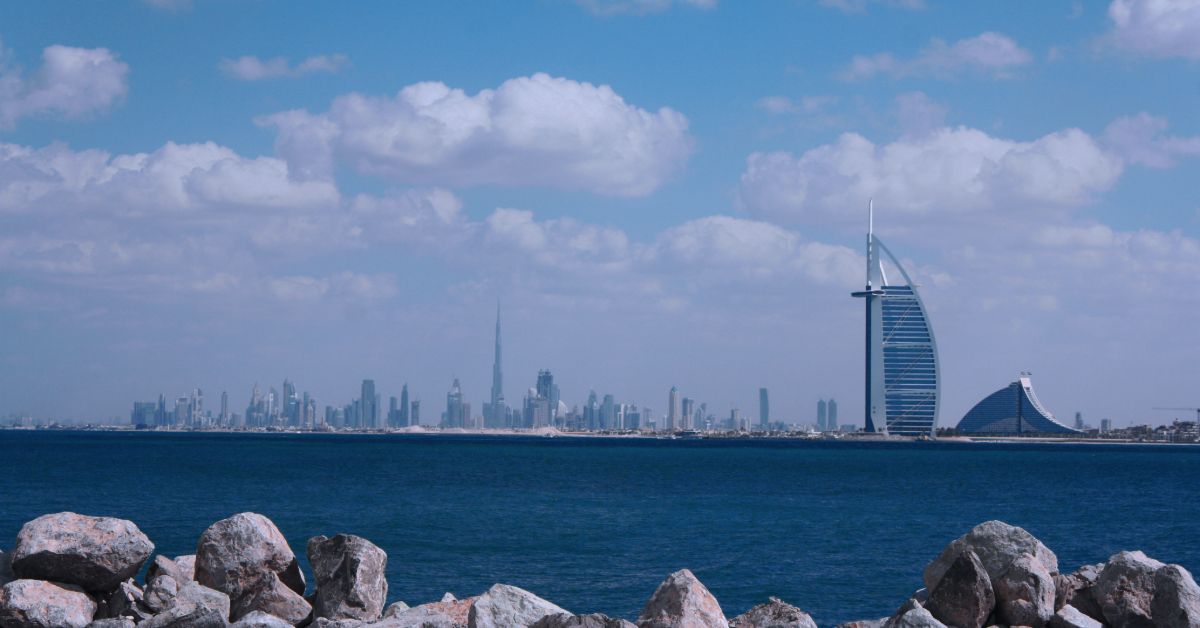
RAK Economic Zone, commonly known as RAKEZ, is a government-backed authority established in 2017 through the merger of RAK Free Trade Zone and RAK Investment Authority. It acts as a one-stop hub for business licensing, industrial land allocation, warehousing, and corporate services. It operates within a diversified emirate shaped by strong industrial growth, expanding communities, and modern infrastructure across Ras Al Khaimah.
Ras Al Khaimah Economic Zone
RAKEZ supports more than 20,000 companies across over 100 countries. It caters to manufacturing, trading, services, e-commerce, education, and innovation-driven industries. The zone integrates industrial parks, academic clusters, and business centres under one authority.
RAKEZ differs from the former RAK Free Trade Zone in structure and scale. While RAK FTZ focused primarily on trading and industrial activity, RAKEZ unified multiple zones under one regulatory body to simplify setup, compliance, and investor services.
Explore the Available Warehouses for rent in RAK FTZ
-
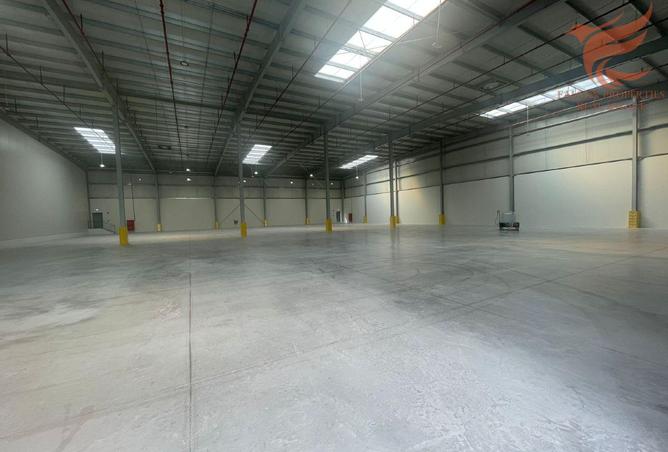
Warehouse
Listed 6 months ago
1,800,000 AED/year
Bulk Units –1,000 SqM Warehouses for Rent in RAK
Industrial Park, RAK FTZ, Ras Al Khaimah
4
43,055 sqft
-
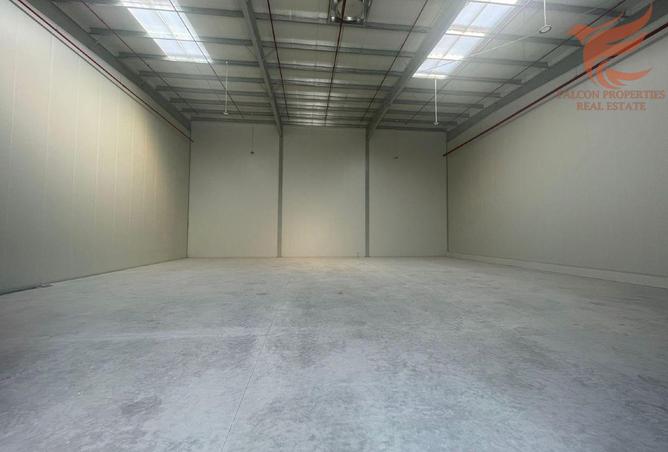
Warehouse
Listed 3 weeks ago
180,000 AED/year
400 SqM Warehouse | Mainland RAK | 80 KW Power
Industrial Park, RAK FTZ, Ras Al Khaimah
1
4,000 sqft
-
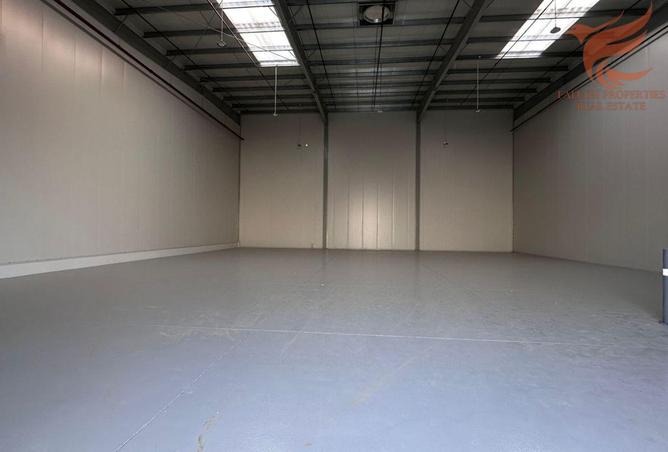
Warehouse
Listed 2 months ago
200,000 AED/year
Ideal 400 sqm Warehouse|Handover Jun 2026 Book now
Industrial Park, RAK FTZ, Ras Al Khaimah
1
4,306 sqft
-
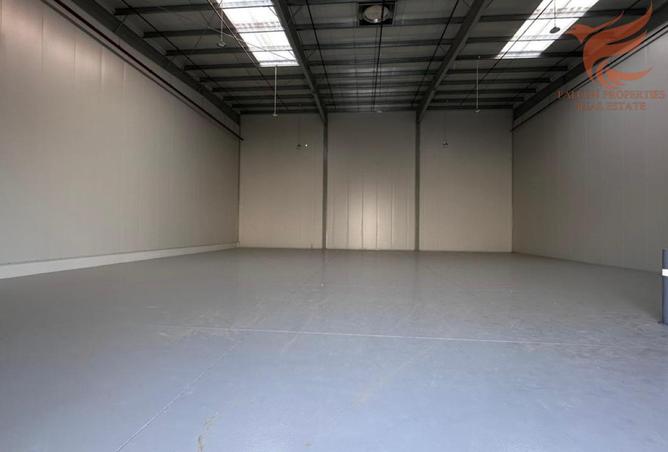
Warehouse
Listed 2 months ago
250,000 AED/year
Warehouse for rent | Contact Now |Handover in June
Industrial Park, RAK FTZ, Ras Al Khaimah
1
5,380 sqft
-
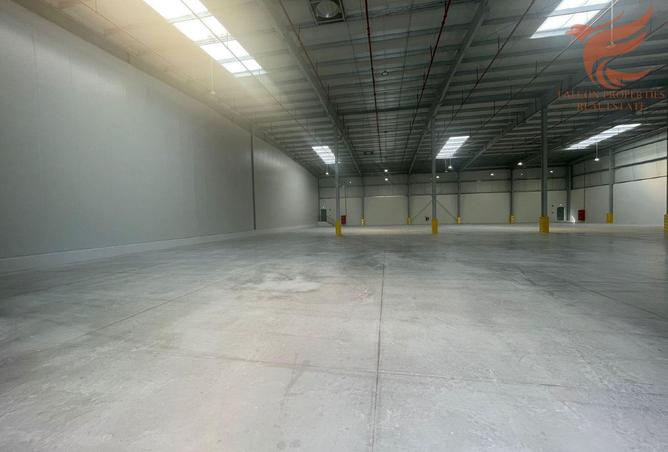
Warehouse
Listed 2 months ago
1,000,000 AED/year
Mainland 2000 SQM Warehouse | Book Now | Hamra Rak
Industrial Park, RAK FTZ, Ras Al Khaimah
1
21,527 sqft
-
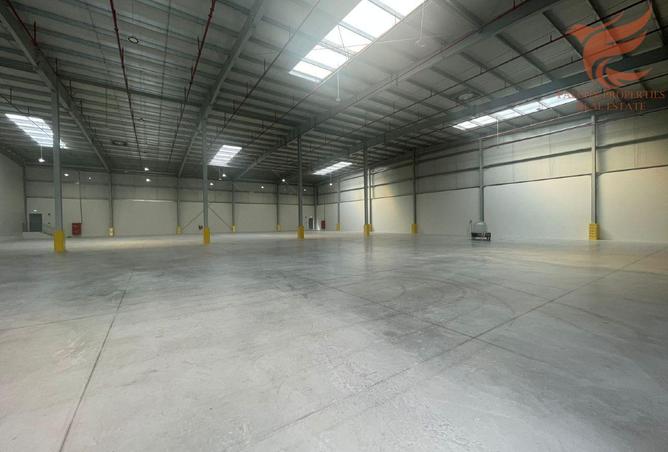
Warehouse
Listed 2 months ago
500,000 AED/year
1000 SQM Warehouse for rent | June 2026 |Book Now!
Industrial Park, RAK FTZ, Ras Al Khaimah
1
10,767 sqft
-
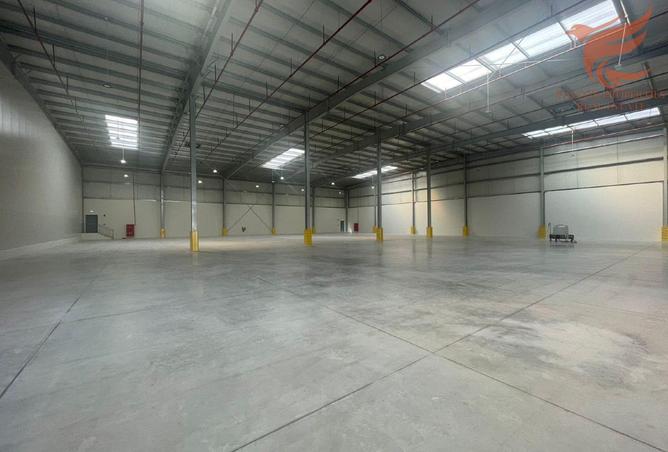
Warehouse
Listed 2 months ago
9,000,000 AED/year
Group of Warehouses for Rent in Ras Al Khaimah
Technology Park, RAK FTZ, Ras Al Khaimah
7+
215,280 sqft
-
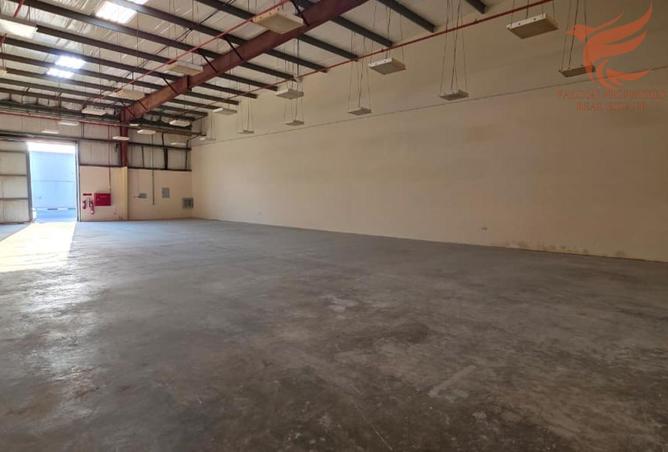
Warehouse
Listed 3 months ago
2,177,000 AED/year
5 Warehouse Shed for rent with license|60 Kw Power
Technology Park, RAK FTZ, Ras Al Khaimah
none
1,555 sqft
-
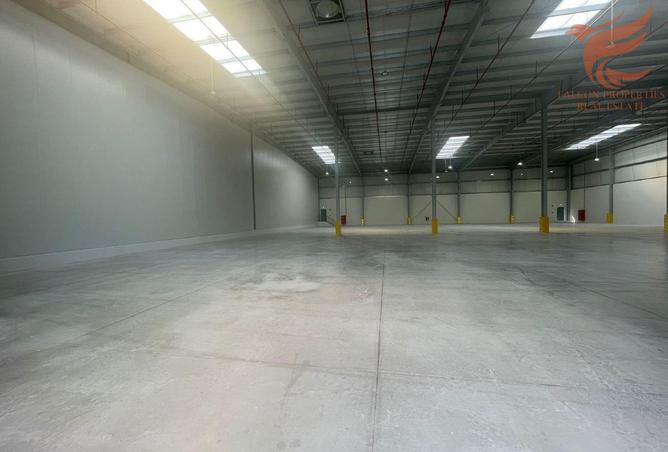
Warehouse
Listed 3 months ago
1,000,000 AED/year
Upcoming warehouse for rent | 2000 sqm | June 2026
Industrial Park, RAK FTZ, Ras Al Khaimah
1
21,523 sqft
-
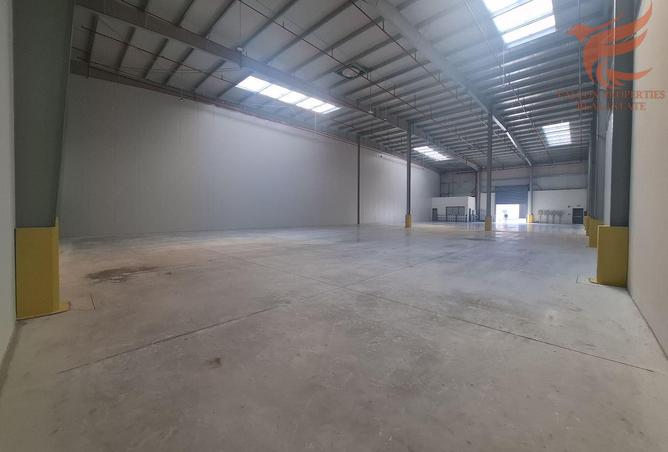
Warehouse
Listed 3 months ago
500,000 AED/year
1000 Sqm Warehouse | Brand New | Hamra Industrial
Industrial Park, RAK FTZ, Ras Al Khaimah
1
10,763 sqft

Its industrial strength is supported by proximity to Saqr Port, one of the largest bulk-handling ports in the Middle East, and direct road connectivity to Dubai and the Northern Emirates. Ras Al Khaimah International Airport and major highways enhance export logistics and regional access.
Key sectors thriving in RAKEZ include:
- Manufacturing and heavy industry
- Logistics and supply chain
- E-commerce and trading
- Web3, robotics, and technology
- Education and research
Advantages of setting up a business in RAKEZ
RAK Economic Zone offers several structural incentives that make it competitive within the UAE landscape.
- 100 per cent foreign ownership: Businesses can retain full ownership without requiring a UAE national partner for most Free Zone activities.
- Zero customs duties: Companies operating within the Free Zone benefit from zero import and export duties on goods traded within the zone.
- Full profit repatriation: RAKEZ allows complete repatriation of profits and capital, giving international investors financial flexibility.
- No personal income tax: There is no personal income tax in the UAE. As of 2026, the federal corporate tax rate is 9 per cent on profits exceeding AED 375,000. However, Free Zone entities conducting qualifying activities and meeting compliance standards may continue to benefit from 0 per cent corporate tax under the UAE Free Zone tax framework.
- Lower operating costs: Operational costs are generally lower compared to Dubai or Abu Dhabi. Industrial land leases, warehouse rentals, and license packages are more affordable, particularly for SMEs and manufacturing firms.
- Strategic connectivity: Saqr Port handles bulk commodities, while highways link directly to Dubai in approximately one hour. This logistics efficiency supports export-oriented industries.
- Innovation-driven ecosystem: For technology-led firms, RAK Innovation City provides sector-focused licensing for Web3, blockchain, gaming, and robotics ventures, reflecting the emirate’s forward-looking economic strategy.
Business setup process in RAKEZ

Setting up in the RAK Economic Zone follows a structured but efficient pathway.
License types and legal forms
RAKEZ offers:
- Free Zone licenses: Trading, industrial, professional, innovation
- Mainland license: Available through the RAK Department of Economic Development for companies needing direct UAE market access
- Academic licenses: For universities and training institutes
- Special innovation licenses: For emerging tech sectors
Legal structures include Free Zone Establishment, Free Zone Company, a branch of a foreign company, and civil company models.
Step-by-step setup process
- Select business activity and license type
- Choose the appropriate cluster, such as industrial, business, academic, or innovation
- Reserve the company name and submit the required documents
- Apply for a visa quota and secure office, flexi-desk, or warehouse space
- Obtain RAKEZ approval and, if required, DED RAK approval
- Complete immigration formalities and visa processing
Documentation and compliance requirements
Applicants typically submit:
- Passport and visa copies of shareholders and managers
- Memorandum of Association or branch documentation
- Office or warehouse lease agreement
- Initial approvals for regulated sectors
Healthcare, education, and financial activities may require additional federal approvals.
Costs, timelines, and visa provisions
| Component | Typical Cost Range AED | Estimated Processing Time |
| Free zone company license plus basic office or flexi desk | 5,750 to 15,000 plus | 2 to 5 working days |
| Trade or professional license | 5,500 to 11,500 plus | 2 to 5 days |
| Visa, Emirates ID, medical | 3,800 to 5,500 per visa plus 600 to 1,600 for ID and medical | 1 to 2 weeks |
The full process from license issuance to visa stamping typically remains under two weeks for standard activities.
Best zones and areas within RAKEZ for different business types
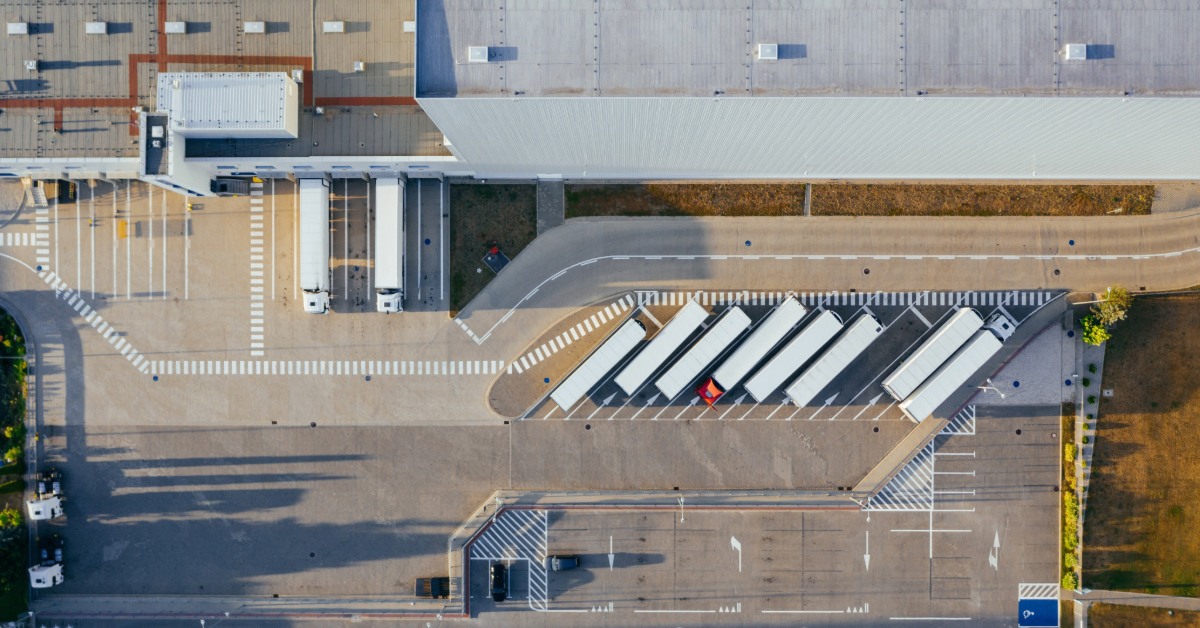
The RAK Economic Zone is divided into specialised clusters.
Industrial zones
- Al Ghail Industrial Zone supports large-scale manufacturers.
- Al Hamra Industrial Zone suits light industry and logistics.
- Al Hulaila Industrial Zone caters to heavy industry.
- Khor Khwair focuses on quarrying and cement processing.
These zones offer large land plots and port proximity.
Business and commercial zones
- Al Nakheel Business Zone is suitable for professional services and trading firms.
- Al Hamra Business Zone integrates commercial and mixed-use developments.
- Business parks and flexi-desks accommodate startups and SMEs.
When relocating staff or executives, housing proximity becomes important.
Academic and innovation clusters
- RAKEZ Academic Zone hosts universities and training centres.
- RAK Innovation City supports tech startups, Web3 ventures, and IP-driven enterprises.
Choosing the right area: Key considerations
- Nature of business activity
- Required space type and scale
- Port and highway access
- Visa quota needs
- Utility and service costs
RAK mainland vs free zone vs zone branch
| Feature | Free Zone RAKEZ | Mainland RAK DED | Branch of a foreign company |
| Foreign ownership | 100 percent | 100 per cent depending on activity | A local service agent may be required |
| Scope | Operates within a zone or internationally | Broader UAE market access | Limited to the parent company’s scope |
| Cost | Lower license and land costs | Higher compliance and rent | Additional agent fees |
Practical tips and common pitfalls
Setting up in the RAK Economic Zone is straightforward, but careful planning helps avoid delays and unexpected costs.
Tips for smooth setup
- Engage a business consultant familiar with RAKEZ zones
- Get a full cost estimate, including visas, utilities, and logistics
- Understand regulatory approvals required for specialised sectors such as healthcare, education, and financial services
- Plan for long-term scaling, including space requirements, workforce expansion, and export capacity
Common challenges and how to avoid them
- Underestimating visa quotas or labour permit timelines
- Choosing the wrong zone and later facing costly relocation
- Overlooking additional fees such as municipality charges, utility deposits, and inspection requirements
- Experiencing licensing delays due to incomplete or improperly certified documentation
Key takeaways
RAK Economic Zone offers competitive incentives, including 100 percent foreign ownership and tax efficiency. Business activity determines the most suitable cluster. Setup timelines are generally under two weeks for standard cases. Costs vary widely depending on license type, office space, and visa quota. Specialised zones such as Al Ghail, Al Hamra, and RAK Innovation City provide sector-focused ecosystems that enhance operational efficiency.
FAQs
Many service and trading licenses do not require fixed minimum capital beyond licensing and office costs, though industrial sectors may require proof of capital.
Typically, 2 to 5 working days once documentation is complete.
Yes. Visa quotas depend on the space type and license category.
No duties apply within the Free Zone. Standard UAE customs rules apply when goods move to mainland markets.
Not for most Free Zone or mainland licenses. Branch structures may require a local service agent depending on activity.