



Ramadan is a central part of life in the UAE, bringing a noticeable shift in daily routines across the country. According to ramadan news, in 2026 the holy month is expected to begin in February, with shorter working days, adjusted school schedules, and timetable changes designed to support fasting, prayer, and family life.
For families, professionals, and businesses alike, understanding how Ramadan affects work, education, and public services can make it easier to plan the weeks ahead and settle into the rhythm of the month.
- Official Start & Duration of Ramadan 2026
- UAE Working Hours During Ramadan
- How Ramadan Affects Commuting and Daily Schedules
- School Timings During Ramadan 2026
- Other UAE Updates for Ramadan 2026
- Ramadan and Daily Life in the UAE
- Comparison Table: Working & School Hours
- What Residents New to the UAE Should Know About Ramadan
- Key Takeaways
- FAQs
Official Start & Duration of Ramadan 2026
Ramadan follows the Islamic lunar calendar and begins with the sighting of the new crescent moon. In the UAE, Ramadan 2026 is expected to start on Thursday, 19 February, subject to official confirmation by the country’s moon-sighting committees.
The holy month will last 29 or 30 days, depending on subsequent lunar observations, and is expected to conclude around mid-March 2026, followed by Eid Al Fitr. As the Hijri calendar is lunar, Ramadan shifts by about 10 to 12 days in the Gregorian calendar each year, so its timing changes annually.
UAE Working Hours During Ramadan

Working hours across the UAE are reduced during Ramadan to support fasting employees and align with religious and cultural practices. These changes apply to all employees, regardless of faith, and are designed to make daily routines more manageable throughout the holy month.
Federal Government Sector
Federal government entities typically operate on shortened schedules during Ramadan, allowing employees to complete their workday earlier than usual. Ramadan working hours are generally set as follows:
- Monday to Thursday: 9:00 am to 2:30 pm
- Friday: 9:00 am to 12:00 pm
Some departments may also introduce flexible or remote working arrangements, particularly on Fridays, depending on the nature of their services and operational needs.
Private Sector
In the private sector, UAE labour regulations require employers to reduce the working day by two hours during Ramadan. How this reduction is applied can vary, with many companies offering staggered start times, flexible schedules, or remote work options where roles allow.
In practice, businesses often adjust working hours to help employees balance fasting, commuting, and evening prayers, especially toward the end of the day.
Banking, Financial & Public Services
Banks and public service centres usually operate on adjusted schedules throughout Ramadan. Counter services may open later in the morning and close earlier in the afternoon, while some branches and government facilities extend their hours after sunset to better serve residents in the evening.
How Ramadan Affects Commuting and Daily Schedules
Shorter working and school days during Ramadan often lead to noticeable changes in daily routines and commuting patterns across the UAE.
Common shifts during the month include:
- Morning traffic is starting earlier but easing sooner
- Earlier evening commutes as employees leave work before sunset
- Reduced congestion on Fridays due to shorter working days
- Greater use of remote or hybrid work arrangements
For families, earlier school dismissal times can affect:
- Pick-up and drop-off schedules
- After-school activities and tutoring
- Coordination between work and childcare
While these changes may take some adjustment, many residents find that shorter days and more flexible schedules help make daily routines easier during Ramadan.
School Timings During Ramadan 2026
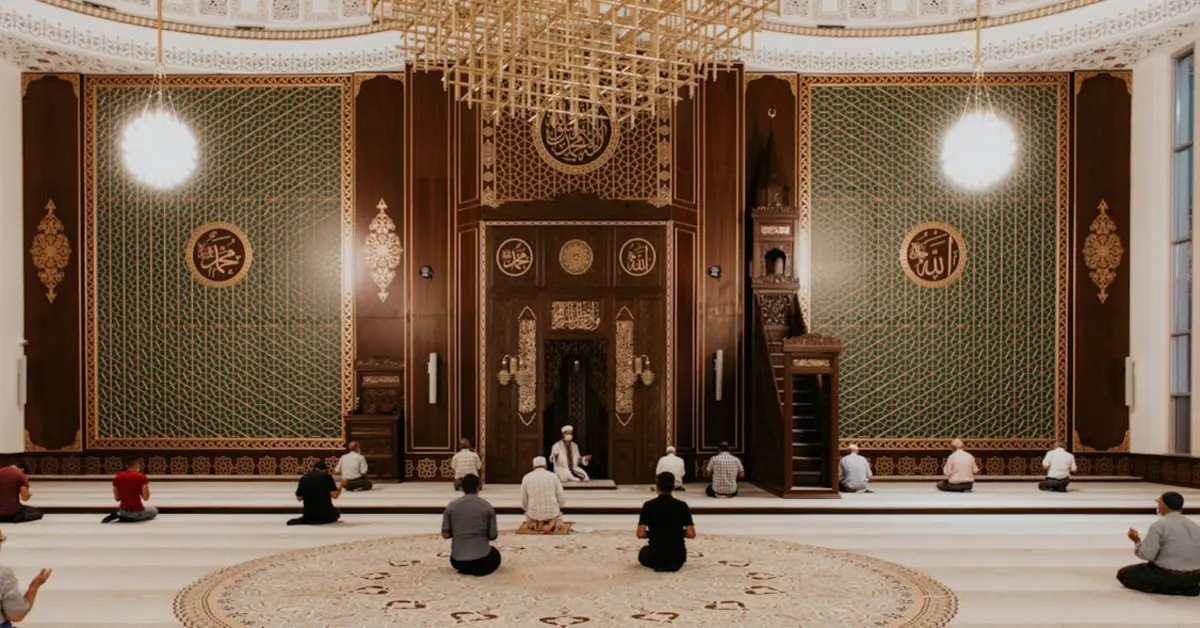
School schedules across the UAE are shortened during Ramadan to support students and staff who are fasting. Education authorities generally cap the school day at five hours throughout the holy month.
Kindergarten and Early Years
Kindergarten classes usually run from 8:00 am to 12:00 pm, with staff remaining slightly longer for supervision and handover.
Cycle 1 (Grades 1–5)
Primary schools often follow one of two schedules:
- 8:00 am to 12:15 pm, or
- 9:00 am to 1:15 pm
Cycles 2 & 3 (Grades 6–12)
For older students, schools generally operate five-hour days, commonly:
- 8:00 am to 1:00 pm, or
- 9:00 am to 2:00 pm
Exact timings may vary by school, curriculum, and emirate, but total instructional hours remain within the approved limits.
Other UAE Updates for Ramadan 2026
Beyond changes to work and school hours, several wider updates will influence daily life during Ramadan in 2026, particularly on Fridays and in the evenings.
From early 2026, Friday prayers across the UAE are held at 12:45 pm, following a nationwide standardised timing. This change affects both schools and workplaces, with many institutions shortening Friday schedules or closing earlier to allow time for travel to mosques and participation in congregational prayers. As a result, schools often dismiss students earlier on Fridays, helping families plan the day around religious observance.
Cultural programmes also become more visible during the holy month. In Dubai, the Season of Wulfa initiative will run across Hag Al Leila, Ramadan, and Eid, bringing together community-focused events that celebrate Emirati heritage. These programmes add to the evening atmosphere that many residents associate with Ramadan across the city.
Ramadan and Daily Life in the UAE

During Ramadan, daily life across the UAE follows a slightly different rhythm, shaped by fasting hours and evening gatherings. Mornings tend to be quieter, while activity gradually increases throughout the day.
Common lifestyle shifts residents notice during the holy month include:
- Calmer streets and residential areas during early mornings
- Increased activity after sunset, especially following iftar
- Busier supermarkets and malls in the evening hours
- Restaurants and cafés are seeing peak footfall at night
Evenings become a central part of the day. Families and friends gather for meals, neighbourhoods stay lively later than usual, and social plans are often arranged after prayers. Many residents also participate in charitable initiatives or community events, which are a key part of the Ramadan experience across the UAE.
Comparison Table: Working & School Hours During Ramadan
During Ramadan, daily schedules vary depending on whether someone works in the public or private sector or has children in school. While reduced hours apply across the board, start and finish times can differ by sector, grade level, and employer or school policy.
The table below outlines the most common working and school hour adjustments observed during Ramadan, based on standard practice across the UAE.
| Sector / School Cycle | Monday–Thursday Hours | Friday Hours |
|---|---|---|
| Federal government | 9:00 am – 2:30 pm | 9:00 am – 12:00 pm |
| Private sector | Two hours shorter than a regular workday | Varies by employer |
| Kindergarten | 8:00 am – 12:00 pm | Early dismissal |
| Cycle 1 (Grades 1–5) | 8:00–12:15 pm or 9:00–1:15 pm | Ends before prayer |
| Cycles 2 & 3 (Grades 6–12) | Five-hour day | Adjusted to finish early |
What Residents New to the UAE Should Know About Ramadan

For those experiencing Ramadan in the UAE for the first time, the month brings cultural traditions that are visible across daily life, alongside practical adjustments to schedules and routines.
Key points new residents should be aware of include:
- Muslims fast from dawn to sunset, but non-Muslims are not expected to fast.
- Eating or drinking in public during daylight hours is generally avoided.
- Modest dress is encouraged in public spaces as a sign of respect.
- Work and school schedules are officially reduced.
Despite these changes, daily life continues as usual in many ways. Supermarkets, malls, and essential services remain fully operational, and restaurants reopen after sunset. For many newcomers, Ramadan is often seen as a welcoming period that offers insight into local customs and a stronger sense of community.
Key Takeaways
Ramadan 2026 in the UAE is expected to begin on 19 February, with Eid Al Fitr falling in mid-March. During this time, working hours across both government and private sectors are reduced, schools operate shorter five-hour days, and Friday schedules are adjusted to align with the nationwide 12:45 pm prayer time. Alongside these practical changes, cultural initiatives such as Dubai’s Season of Wulfa add a strong community element to the holy month, shaping daily life across the country.
FAQs
Ramadan begins with the sighting of the new crescent moon and moves earlier each year because the Islamic calendar is lunar.
Yes. Schools may select earlier or later start times depending on curriculum and operational needs, as long as total school hours comply with regulations.
Most exam calendars remain unchanged, although some schools adjust daily timetables or offer revision sessions during school hours.
With Friday prayers held nationwide at 12:45 pm, schools and some workplaces shorten their schedules to accommodate attendance.
Some federal entities and private companies offer remote or hybrid work options, particularly on Fridays, subject to operational requirements.
Yes. Many restaurants open later in the day and focus on iftar and evening service, while some operate throughout the day in designated areas. Food delivery remains widely available, especially after sunset.
Public transport continues to operate, often with adjusted schedules to match peak hours. Essential services such as supermarkets, healthcare, and fuel stations remain fully operational.