



Travelling to Europe from Dubai? Understanding the Schengen visa for UAE residents is essential for non-Emirati passport holders and anyone planning a trip to the Schengen Area. This guide covers eligibility, required documents, application steps, fees, timelines, common pitfalls, and important updates, such as ETIAS and the EU Entry/Exit System.
- Who Needs a Schengen Visa
- Eligibility Criteria for UAE Residents
- Required Documents
- Application Process Step by Step
- Fees and Service Charges
- Key Timelines & Validity
- Common Pitfalls & Tips for Success
- New Developments to Know
- Key Requirements at a Glance
- Key Takeaways
- FAQs

Who Needs a Schengen Visa
UAE nationals holding an Emirati passport do not need a visa for short stays of up to 90 days within any 180-day period. From late 2026, they will require an ETIAS travel authorisation for entry.
Non-Emirati residents of the UAE generally need a Schengen visa unless their nationality is covered by a visa-waiver agreement with the Schengen countries. Exceptions apply to special cases, such as individuals holding a valid Schengen residence permit or close family members of EU nationals, who may benefit from simplified procedures.
Eligibility Criteria for UAE Residents
To qualify for a Schengen visa, UAE residents must meet several conditions:
- A valid UAE residence visa with at least three months’ validity beyond the planned return from the Schengen Area.
- A valid passport issued within the last 10 years, with at least two blank pages and validity for at least three months after the return date.
- A defined purpose of travel, such as tourism, business, medical visits, or family visits.
- Evidence of sufficient financial resources to cover the trip, including bank statements, salary slips, or savings.
- Travel insurance that meets Schengen requirements, covering at least €30,000 for medical emergencies, repatriation, and related risks.
Required Documents
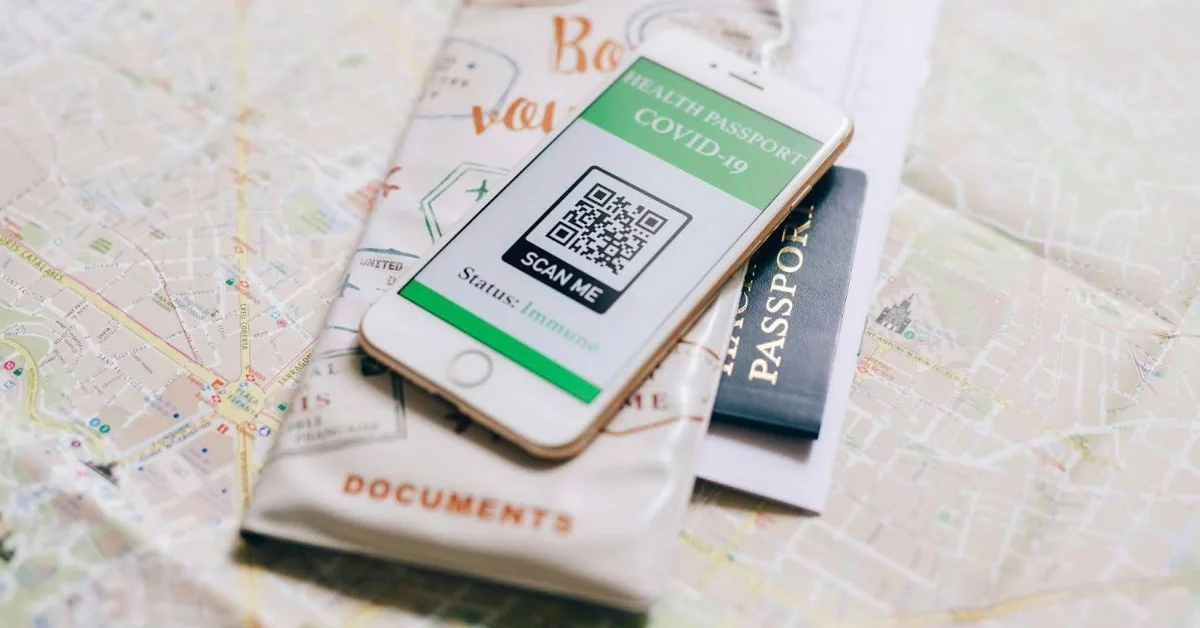
Preparing accurate documentation is critical. Applicants typically need:
- A completed and signed Schengen visa application form.
- Passport and Emirates ID copies.
- Two recent passport-size photos that meet ICAO standards with a neutral background.
- Proof of travel arrangements, including flight reservations, itinerary, and accommodation.
- Financial documents demonstrating the ability to fund the trip, such as bank statements or sponsor letters.
- Health/travel insurance covering at least €30,000.
- Additional supporting documents, such as employment proof, invitation letters, or sponsor letters, if applicable.
Application Process Step by Step
- Determine the Schengen country to apply through: Choose the country where you will spend the most time, or the first country of entry if time is equal. Use the country-specific visa portal or VFS/BLS.
- Complete the online application: From June 2025, many Schengen states require applicants to fill out the form online before scheduling an appointment.
- Book an appointment: Schedule a visit to VFS Global or BLS International centres in Dubai or Abu Dhabi, depending on your residence.
- Attend the appointment and submit biometrics: Bring all documents. Fingerprints and photos may be reused if captured within the past 59 months.
- Wait for processing: Standard processing takes around 15 calendar days, extending to 30-45 days during peak season or for additional checks.
- Collect your passport with a visa: Some centres offer courier delivery.
Explore properties for rent in Dubai
-

Apartment
Listed 1 week ago
120,000 AED/year
Prime Location | Multiple Vacant | Balcony
Majestic Tower, Al Abraj street, Business Bay, Dubai
2
2
1,308 sqft
-
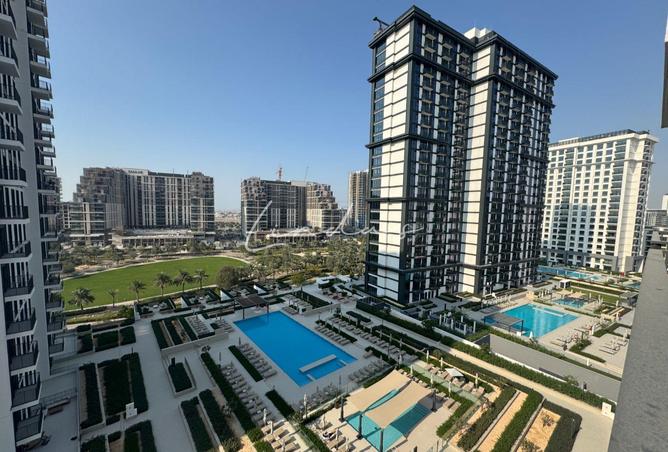
Apartment
Listed 7 days ago
180,000 AED/year
Brand New| Park View | Mid floor | Available now
Park Horizon Tower 1, Park Horizon, Dubai Hills Estate, Dubai
2
2
994 sqft
-

Apartment
Listed 4 weeks ago
1,150,000 AED/year
Penthouse | Panoramic Views | Low Floor
Serenia Residences East, Serenia Residences The Palm, Palm Jumeirah, Dubai
3
5
4,877 sqft
-

Villa
Listed 3 weeks ago
1,450,000 AED/year
Fully Furnished and Upgraded Villa | Sea Views
Villa Amalfi, Jumeirah Bay Island, Jumeirah, Dubai
3
4
5,937 sqft
-

Apartment
Listed 3 weeks ago
2,500,000 AED/year
Lavish Apt with Marina View | Fully Furnished
Bulgari Resort & Residences 3, Bulgari Resort & Residences, Jumeirah Bay Island, Jumeirah, Dubai
3
4
2,698 sqft
-
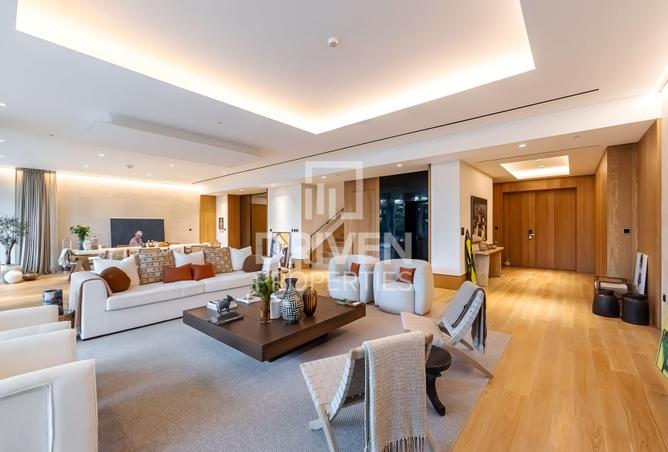
Apartment
Listed 4 weeks ago
3,000,000 AED/year
Exemplary Bulgari Loft | Full Marina Views
Bulgari Resort & Residences 3, Bulgari Resort & Residences, Jumeirah Bay Island, Jumeirah, Dubai
3
5
6,991 sqft
-

Townhouse
Listed 22 hours ago
230,000 AED/year
Single Row | Landscaped | Bigger Layout
Cherrywoods, Dubai Land, Dubai
4
5
2,713 sqft
-
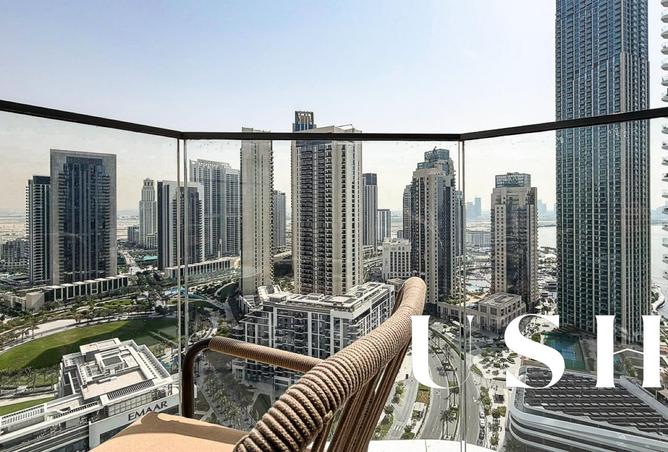
Apartment
Listed 2 weeks ago
240,000 AED/year
Elegant 2BR | Serviced & Furnished | Address Harbo
Address Harbour Point Tower 2, Address Harbour Point, Dubai Creek Harbour (The Lagoons), Dubai
2
3
1,103 sqft
-

Villa
Listed 14 hours ago
710,000 AED/year
Bright 5BR Villa | Maid's Driver's Room | High End
Nad Al Sheba 2, Nad Al Sheba, Dubai
5
6
12,423 sqft
-
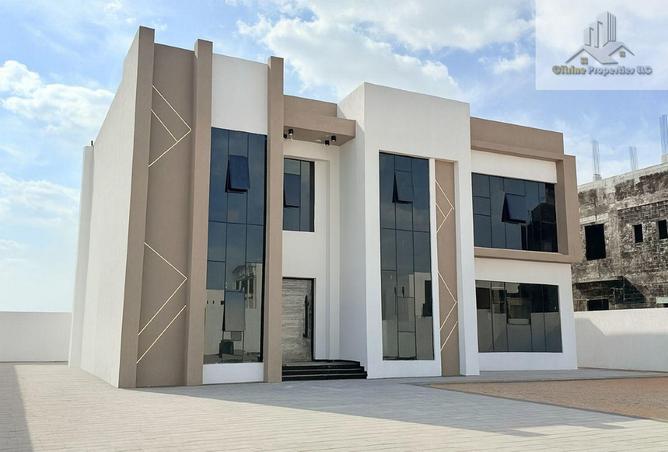
Villa
Listed 1 day ago
300,000 AED/year
High-End Quality | Brand New | Garden Area
Wadi Alshabak, Dubai
5
7
12,092 sqft






Fees and Service Charges
Visa fees vary by age and type:
- Adults (12+ years): €90 (~AED 360) plus VFS/BLS service fees.
- Children (6–11 years): €45 (~AED 180) plus service fees.
- Children under 6: Free visa, service fees may apply.
Fees are non-refundable even if the application is rejected.
Key Timelines & Validity
Applications can be submitted up to six months before travel (or nine months for specific nationals). The minimum is 15 days prior to departure. Processing usually takes 15 calendar days, but it may extend during busy periods.
Type C short-stay visas allow stays up to 90 days in any 180-day period. Multiple-entry visas are available for applicants with a strong travel history. ETIAS will be required for visa-exempt nationals, including Emiratis, starting late 2026.
Common Pitfalls & Tips for Success

- Double-check all documents to avoid rejections due to incomplete or incorrect paperwork.
- Ensure financial proof and travel purpose are clear.
- Verify your UAE residence visa and Emirates ID are valid.
- Avoid submitting paid flight/hotel bookings; reservation proofs are sufficient.
- Apply 4–8 weeks in advance, especially during peak travel seasons or public holidays.
New Developments to Know for Schengen Visa for UAE Residents
Recent updates include:
- From June 2025, UAE applicants must complete the online application before booking an appointment.
- The EU Entry/Exit System (EES), effective October 2025, collects biometric and entry/exit data from non-EU visitors.
- ETIAS authorisation, expected late 2026, will be mandatory for visa-exempt nationals, including Emiratis.
Key Requirements at a Glance
| Aspect | Minimum Requirement |
| Passport Validity | At least 3 months beyond return; issued within 10 years |
| Residence Visa | Valid UAE visa ≥3 months beyond return |
| Photos | 2 ICAO standard photos, <6 months old |
| Insurance | Minimum €30,000 cover for emergencies |
| Financial Proof | Bank statements 3-6 months, salary slips, sponsor letter if needed |
| Visa Fee | Adults €90 (~AED 360); children 6–11 €45; under 6 free + service fee |
| Application Timing | 6 months to 15 days before travel; ~15 days processing |
Key Takeaways
Non-Emirati residents in Dubai must obtain a Schengen visa unless their nationality is visa-exempt. It is important to ensure that both your UAE residency and passport are valid for at least three months beyond your planned return from the Schengen Area. Applicants should complete the online application before booking appointments, in line with the updated requirements, and provide clear evidence of financial means, travel plans, and insurance coverage to avoid delays. Planning ahead and applying early is essential, especially during peak travel periods, to secure appointments and smooth visa processing.
FAQs
No, Emiratis are visa-exempt for short stays (up to 90 days in any 180-day period), but ETIAS authorisation will be required from 2026.
Yes, if taken within the past 59 months and still valid under the relevant Schengen state’s rules.
Insurance must cover at least €30,000 for medical emergencies and repatriation, valid throughout the Schengen Area.
Processing usually takes ~15 calendar days, potentially extending to 30–45 days during peak season or for additional checks.
Delays are likely; it’s recommended to apply at least 4–8 weeks in advance to secure appointments and processing time.