



Sustainable flooring is becoming a key consideration for homeowners in the UAE who want to combine eco-friendliness with durability, comfort, and style. With the region’s extreme heat, UV exposure, and occasional indoor humidity, choosing the right material can ensure longevity while reducing environmental impact. From bamboo and cork to recycled tiles and innovative palm-strand board, sustainable flooring offers practical and aesthetic solutions for modern UAE homes.
In this guide, you’ll find:
- Understanding Sustainability in Flooring
- Sustainability Factors Specific to the UAE Climate
- Top Sustainable Flooring Materials Suitable for UAE Homes
- How to Choose the Right Flooring Type: Comparison Table
- Installation & Maintenance Tips to Sustain Longevity
- Where to Find Sustainable Flooring Options in the UAE
- Key Takeaways
- Frequently Asked Questions (FAQs)
Understanding Sustainability in Flooring
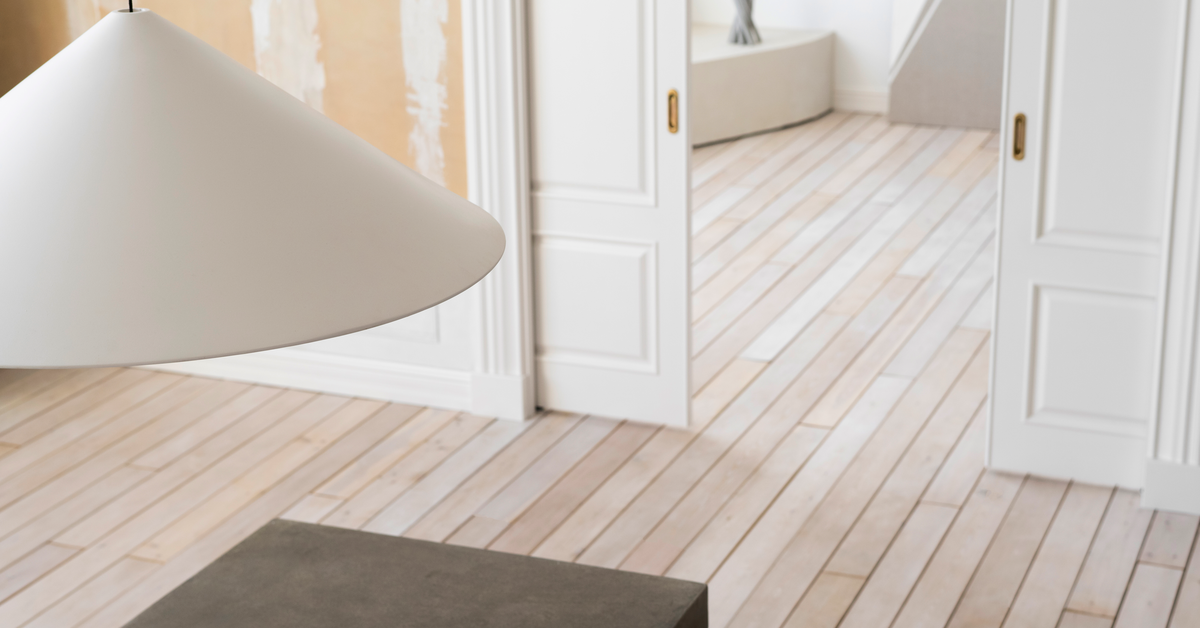
Sustainable flooring refers to materials designed and manufactured to minimise environmental impact while providing long-term performance.
Key factors include:
- Renewable Sourcing: Materials like bamboo and cork regenerate quickly, reducing pressure on forests.
- Low VOCs (Volatile Organic Compounds): Flooring that emits minimal VOCs helps ensure healthier indoor air quality.
- Recycling Potential: Reclaimed, recycled, or repurposed materials help reduce landfill waste.
- Durability: Long-lasting floors reduce the need for replacements, saving resources.
- Suitability for Local Climate: Flooring must withstand high heat, UV exposure, humidity, and occasional moisture without warping or fading.
By considering these factors, homeowners can make environmentally responsible, resilient choices suited to UAE conditions.
Check out the Sustainable Real Estate Practices in Dubai.
Sustainability Factors Specific to the UAE Climate
The UAE presents unique challenges for flooring materials due to its hot, dry climate and urban living conditions. Homeowners should consider:
- High Heat & UV Exposure: Materials must resist fading, expansion, and warping under constant sunlight. Light-coloured finishes can also help reduce heat absorption.
- Humidity Control Indoors & Outdoor-Indoor Transitions: Flooring should tolerate fluctuations in indoor humidity, especially near kitchens, bathrooms, or pool-adjacent areas.
- Water Scarcity: Low-maintenance materials that require minimal water for cleaning or upkeep are preferred.
- Local Manufacturing & Carbon Footprint: Materials produced or assembled in the UAE or nearby regions reduce shipping-related emissions.
Top Sustainable Flooring Materials Suitable for UAE Homes
There are various types of sustainable flooring materials you can choose from in the UAE, such as:
Bamboo Flooring
Bamboo is a fast-growing, renewable grass that is naturally strong and stable. It is available in multiple types: strand-woven, industrial bamboo, and engineered/heavy plank bamboo.
- Benefits:
- Strong resistance to daily wear
- Ideal for interior use in living rooms, bedrooms, and hallways
- UV-cured finishes and low-formaldehyde adhesives reduce indoor pollutants
- UAE Examples: Products by dasso® Bamboo are locally available and designed to withstand UAE conditions.
Cork Flooring
Cork comes from the bark of cork oak trees, which regenerates naturally, making it an environmentally low-impact option.
- Benefits:
- Excellent acoustic and thermal insulation
- Comfortable underfoot and reduces indoor noise
- Low maintenance when properly sealed
Reclaimed & Recycled Wood
Hardwoods salvaged from old buildings offer unique character while preventing timber from going to landfill.
- Benefits:
- Durable and long-lasting
- Adds warmth and texture to interiors
- Must have FSC or PEFC certification to ensure sustainable sourcing
Linoleum
Made from natural ingredients like linseed oil, wood flour, and cork dust, linoleum is biodegradable and low-VOC.
- Benefits:
- Scratch-resistant and easy to maintain
- Suitable for dry climates
- Offers a variety of colours and patterns for interior design
SPC (Stone Plastic Composite) Flooring
SPC is a rigid-core flooring made from recycled materials that offers high water resistance and durability.
- Benefits:
- Ideal for kitchens, bathrooms, and high-traffic areas
- Some products are PVC-free or have high recycled content
- Minimal expansion and excellent UV resistance
Recycled Glass, Ceramic, and Porcelain Tiles
These tiles are produced from post-consumer or industrial waste.
- Benefits:
- Moisture-resistant, making them perfect for bathrooms, kitchens, and pool areas
- High durability and low maintenance
- Available in various colours, textures, and patterns
Concrete & Polished Cement (with sustainable practices)
Locally sourced concrete can be highly sustainable when combined with responsible production methods.
- Benefits:
- Extremely durable and long-lasting
- Minimal upkeep, can be finished with natural pigments
- Reflects heat if light-coloured, suitable for outdoor terraces
- Standard polished cement floors can be customised to reduce heat absorption and suit residential outdoor spaces.
Palm Strand Board & Sustainable Parquet Cores
Innovative materials like PSB® are made from upcycled date palm strands.
- Benefits:
- Carbon-negative and termite-resistant
- Offers an eco-friendly alternative to traditional wood parquet cores
- Compatible with engineered flooring and decorative parquet designs
How to Choose the Right Flooring Type: Comparison Table
| Material | Water Resistance | Thermal/UV Stability | Maintenance Level | Typical Cost Range (AED/m²) | Lifespan |
| Bamboo (Engineered / Strand) | Medium | Good, with a quality finish | Moderate – occasional refinishing | ~120 – 280 | 15-30 years |
| Cork | Low to Medium (sealed needed) | Fair to Good | Low – simple cleaning, reseal every few years | ~150 – 300 | 10-25 years |
| SPC | High | Very good – minimal expansion | Low – sweep & mop; replace planks as needed | ~100 – 250 | 20-30 years |
| Recycled Tiles (Glass / Ceramic) | High | Excellent | Low–grout care | ~120 – 350 | 30-50+ years |
| Palm Strand Board Parquet Core | Medium | Good | Moderate – like wood parquet | ~130 – 300 | 20-40 years |
Installation & Maintenance Tips to Sustain Longevity
- Use low-VOC adhesives, sealants, and finishes to protect indoor air quality.
- Properly acclimate wood or bamboo before installation to avoid expansion or warping.
- Opt for light-coloured flooring outdoors to reflect heat and pair with shading where possible.
- Clean regularly with non-toxic products and avoid over-wetting to prevent damage.
- Protect surfaces with furniture pads, entryway rugs, and avoid dragging heavy objects.
Where to Find Sustainable Flooring Options in the UAE
- Bamboo Flooring: Local suppliers like dasso® Bamboo offer climate-suited, low-VOC finishes.
- Recycled Glass & Tiles: Retailers such as A1 Build provide eco-friendly tile options.
- SPC, Cork, Linoleum: Specialist flooring showrooms carry certified low-VOC and recycled-content products.
- Palm Strand Board & Sustainable Parquet: Local firm DesertBoard offers innovative UAE-made alternatives.
Key Takeaways
- Bamboo and palm-strand board materials provide renewable, durable, and climate-resilient flooring that is particularly well suited to the UAE’s hot, dry seasons.
- For areas prone to moisture, such as kitchens, bathrooms, and outdoor terraces, recycled tiles and SPC offer excellent water resistance and long-lasting performance.
- When selecting flooring, it is important to prioritise sustainability certifications, including low-VOC emissions, FSC- or PEFC-certified wood sourcing, and verified recycled content, to ensure both environmental responsibility and quality.
- Equally critical is proper installation and regular maintenance, which help maximise the lifespan and appearance of the flooring.
- Additionally, choosing lighter colours, applying appropriate sealing, and incorporating shade and adequate ventilation can reduce heat buildup and minimise material wear over time.
Frequently Asked Questions (FAQs)
Bamboo (fast-growing, renewable), recycled or reclaimed wood, recycled glass/ceramic tiles, cork, and palm-strand board cores are among the most sustainable when sourced and treated correctly.
Yes, when it contains high recycled content, is PVC-free or low-PVC, and uses low-VOC adhesives. Its durability and waterproof qualities also reduce waste over time.
Proper acclimation to humidity, moisture barriers, sealing edges, maintaining indoor humidity, and choosing engineered constructions help prevent warping.
Yes, porcelain or recycled glass tiles handle UV exposure, moisture, and temperature swings well. Lighter colours reflect heat better, and slip-resistant surfaces are recommended.
Certifications ensure the authenticity of sustainability claims. Look for FSC/PEFC for wood, GREENGUARD for low-emission products, LEED or Estidama compliance, and high recycled-content percentages.