



UAE is often associated with vast deserts, modern cities, and coastal skylines, yet it is also home to a surprisingly rich and diverse range of wild animals. From desert-adapted mammals and reptiles to migratory birds and marine species, the wild animals in the UAE reflect the country’s unique geography and its position at the crossroads of major ecological regions.
Despite its arid climate, the UAE supports hundreds of animal species across deserts, mountains, wetlands, mangroves, and marine environments. These ecosystems play a crucial role in sustaining biodiversity, supporting migratory routes, and preserving species that are either endemic to the region or of global conservation importance.
- Overview of Wildlife in the UAE
- Major Habitats & Ecosystems in the UAE
- Native & Notable Mammals of the UAE
- Birdlife in the UAE
- Reptiles of the UAE
- Key Takeaways
- FAQs
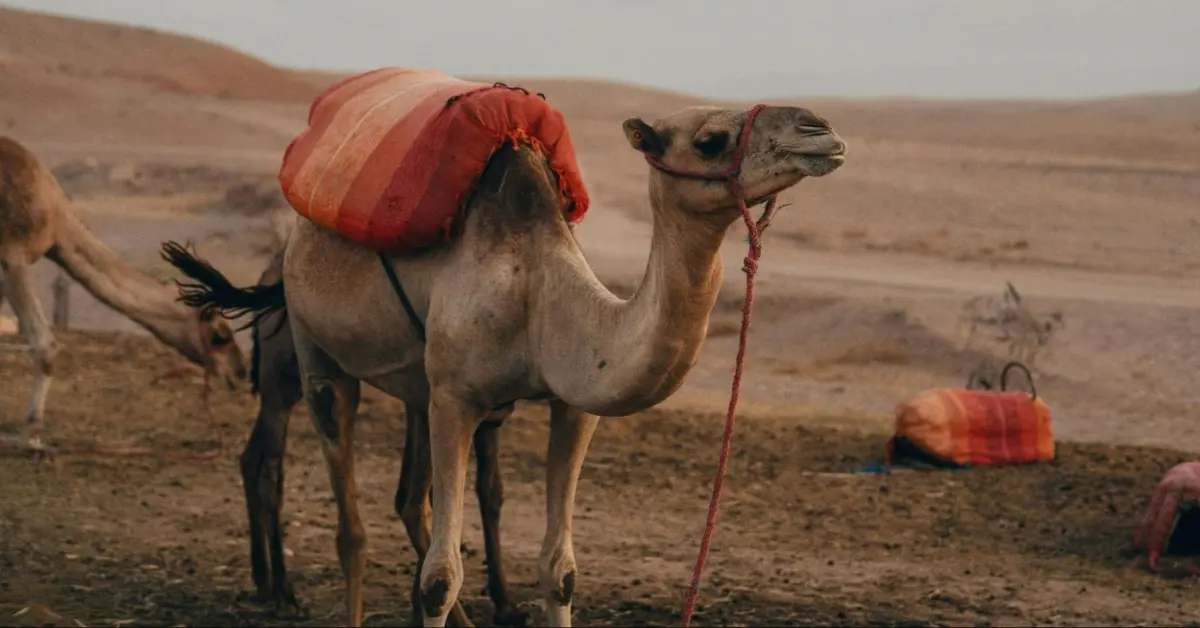
Overview of Wildlife in the UAE
UAE supports a wide range of wildlife, including native, endemic, reintroduced, and migratory wild animals. Despite its arid environment, the country is home to diverse wild animals across deserts, mountains, coastal areas, wetlands, and marine ecosystems.
Geography, Climate, and Main Habitats
The geography of the UAE includes deserts, sand dunes, gravel plains, sabkha (salt flats), mountains, coastal zones, wetlands, and mangroves. Its arid climate strongly influences the distribution and survival of wild animals across these main habitats.
Why Biodiversity in an Arid Country Still Matters
Biodiversity in the UAE remains important due to the country’s varied habitats and its role in supporting wild animals adapted to arid conditions, as well as migratory species that depend on these ecosystems.
Endemic, Native, Reintroduced, and Migratory Species
Endemic species are restricted to specific regions, native species occur naturally, reintroduced species have been reintroduced through conservation efforts, and migratory species move seasonally through the UAE.
Major Habitats and Ecosystems in the UAE
The UAE is home to a variety of habitats that together support its wildlife, despite the country’s predominantly arid climate. These ecosystems include deserts, mountains, coastal and marine areas, wetlands and mangroves, as well as urban and modified environments. Each habitat plays a role in sustaining different species and contributes to the overall biodiversity of the country.
1- Desert and Dune Ecosystems
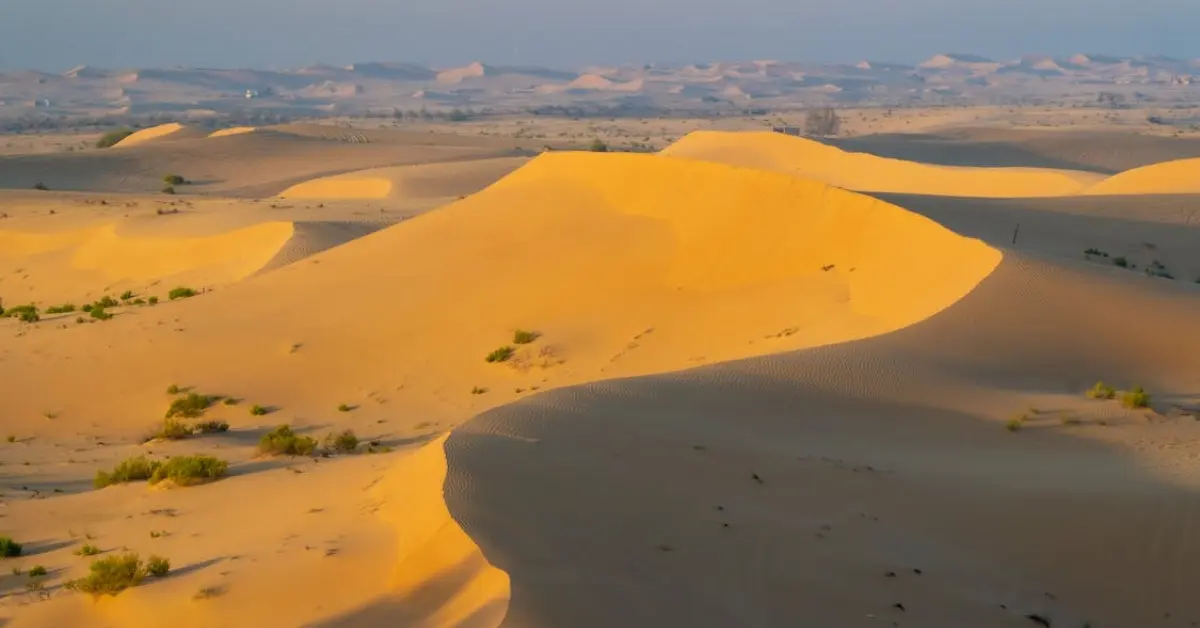
Desert and dune ecosystems cover a large portion of the UAE and form the foundation of its terrestrial wildlife habitats. These environments are shaped by arid conditions and support species that are adapted to extreme heat, limited water availability, and open landscapes.
Sand Dunes, Gravel Plains and Sabkha
Sand dunes, gravel plains, and sabkha, also known as salt flats, are the main components of desert environments in the UAE. These landforms differ in soil composition and surface conditions, influencing the types of plants and animals that can survive in each area.
Typical Desert-Adapted Species
Desert ecosystems in the UAE support a range of desert-adapted species, including plants, insects, reptiles, and mammals. These species are adapted to survive in arid conditions and form interconnected food chains within desert environments.
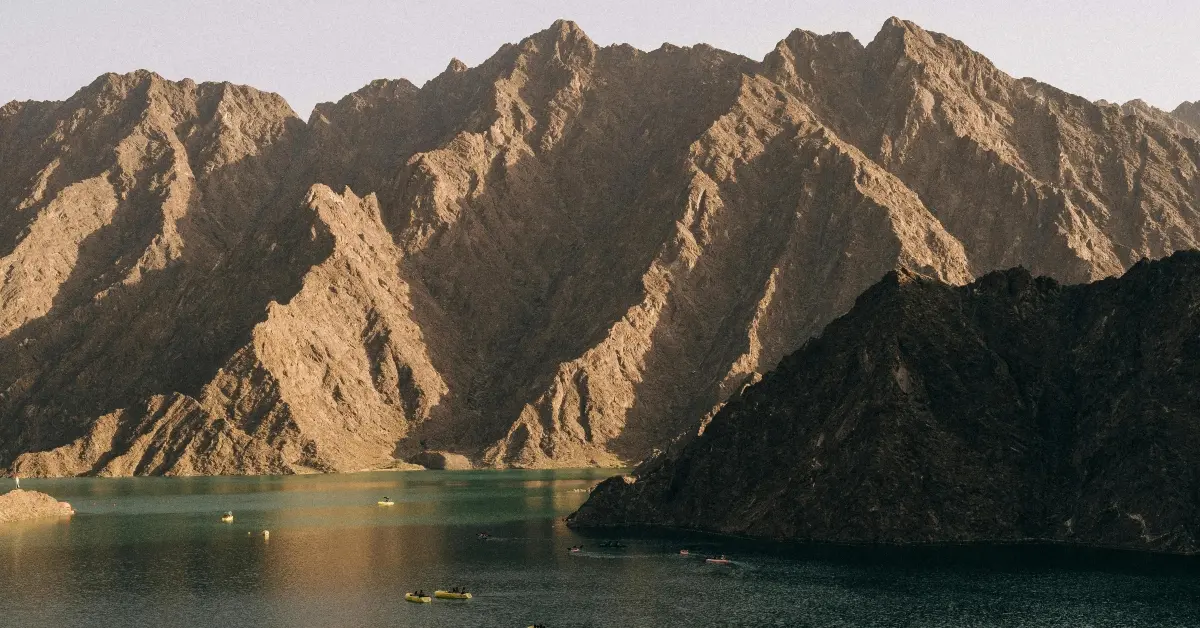
2- Mountain Ecosystems (Hajar Mountains)
The Hajar Mountains, located near Al Ain, represent a distinct ecosystem within the UAE, offering conditions that differ from the surrounding desert areas. These mountains support wildlife adapted to rocky terrain and varied elevations.
Explore The Best Apartments For Rent Near Al Ain City
-
Apartment
Listed 2 days ago
80,000 AED/year
SPACIOUS 3BR LIMITED UNIT BIG BALCONY CALL NOW
Shareat Al Muwaji, Al Muwaiji, Al Ain
3
4
3,350 sqft
-

Apartment
Listed 3 days ago
68,000 AED/year
Luxury Apartment | Fully Furnished | Huge Balcony
Al Ain Square, Al Towayya, Al Ain
1
1
900 sqft
-
Apartment
Listed 2 weeks ago
60,000 AED/year
Brand New Apartment 2Master bedroom Prime Location
Hai Al Maahad, Al Mutarad, Al Ain
2
3
1,200 sqft
-

Apartment
Listed 2 days ago
50,000 AED/year
Spacious 3 Br | Wardrobes | Basement Parking
Al Mutarad, Al Ain
3
3
2,250 sqft
-

Apartment
Listed 2 weeks ago
60,000 AED/year
Brand New | Near To STMC | Balcony|Bright Spacious
Hai Al Wadi, Al Jimi, Al Ain
2
3
1,400 sqft
-

Apartment
Listed 3 weeks ago
44,999 AED/year
Brand-New || 2 Master BR Flat || Parking ||
Central District, Al Ain
2
3
1,500 sqft
-

Apartment
Listed 4 weeks ago
60,000 AED/year
3BHK Spacious Apartment | Balconies | Covere Parking
Al Ghail, Al Mutarad, Al Ain
3
3
2,000 sqft
-

Apartment
Listed 4 weeks ago
55,000 AED/year
3BHK Apartment |Flexible Payments | Covered Parking
Shareat Al Mutaredh, Al Mutarad, Al Ain
3
3
1,800 sqft
-

Apartment
Listed 1 day ago
59,999 AED/year
Brand-New || 2 Master Br Balcony || Parking
Oud Bin Sag-Han, Al Muwaiji, Al Ain
2
3
1,450 sqft
-

Apartment
Listed 3 days ago
70,000 AED/year
Separate Entrance | First Floor |Flexible Payments
Majlood, Al Muwaiji, Al Ain
4
5
2,400 sqft
North-Facing Slopes and Wadis as Refuges for Wildlife
North-facing slopes and wadis within the Hajar Mountains act as refuges for wildlife. These areas provide suitable conditions that allow species to persist within the mountain ecosystem.
Flagship Mountain Species
Flagship species of the mountain ecosystem include the Arabian tahr, caracal, and mountain birds. These species are closely associated with the Hajar Mountains and are important representatives of this habitat.
Coastal and Marine Ecosystems
Coastal and marine ecosystems extend along the Persian Gulf and the Gulf of Oman. These environments support a wide range of marine life and form an essential part of the UAE’s biodiversity.
Persian Gulf & Gulf of Oman Coastal Zones
The UAE’s coastal zones lie along the Persian Gulf and the Gulf of Oman. These areas form the country’s primary marine environments and support diverse coastal and offshore species.
Coral Reefs, Seagrass Beds and Offshore Islands
Coral reefs, seagrass beds, and offshore islands are important components of the UAE’s marine ecosystems. These habitats provide shelter, feeding areas, and breeding sites for marine wildlife.
Key Marine Fauna
Key marine fauna in the UAE include dugongs, dolphins, sea turtles, sea snakes, and seabirds. These species depend on coastal and marine habitats for survival.
3- Wetlands and Mangroves
Wetlands and mangroves form important habitats that support wildlife, particularly birds. These ecosystems are found along the coast and play a role in maintaining biodiversity.
Mangrove Forests
Mangrove forests, including areas such as Mangrove National Park in Abu Dhabi, provide important habitats for wildlife and contribute to the ecological value of coastal environments.
Coastal Lagoons, Mudflats and Saltmarshes
Coastal lagoons, mudflats, and salt marshes are key wetland habitats in the UAE. These areas support wild animals and are particularly important for bird species.
Iconic Wetland Birds
Iconic wetland birds found in the UAE include flamingos, herons, and shorebirds, which rely on wetlands for feeding and shelter.
4- Urban and Modified Habitats
Urban and modified habitats have become part of the UAE’s ecological landscape. These environments support species that are able to adapt to human activity and altered surroundings.
City Parks, Farms, and Gardens
City parks, farms, gardens, and golf courses provide green spaces that support wildlife within urban and semi-urban areas.
Opportunistic Wildlife
Opportunistic wild animals found in UAE urban and modified habitats include pigeons, mynas, foxes, rodents, and bats, which can live alongside human development.
Native and Notable Mammals of the UAE
The UAE is home to a wide variety of mammals adapted to desert, mountain, coastal, and marine environments. These mammals include native and endemic species, reintroduced animals, predators, small mammals, bats, and marine species, all of which play important roles within their respective ecosystems.
1- Large Herbivores
- Arabian Oryx
The Arabian oryx is a well-known example of successful reintroduction in the UAE, where conservation efforts have restored the species to parts of its former range.
- Arabian Sand Gazelle and Mountain Gazelle
Arabian sand gazelles and mountain gazelles are native to the UAE and face ongoing pressures that affect their populations and distribution.
- Arabian Tahr
The Arabian tahr is an endemic ungulate restricted to mountain ecosystems and is recognised as endangered.
- Camels (Dromedaries)
Dromedary camels exist in both wild and domesticated contexts, with domesticated camels playing a significant role in the region’s cultural and economic history.
2- Carnivores and Predators
- Arabian Wolf
The Arabian wolf occurs across parts of the UAE, with its ecology shaped by desert and mountain environments and interactions with human activity.
- Striped Hyena
The striped hyena inhabits rocky and desert habitats, where it plays a scavenging role within the ecosystem.
- Felids
The caracal, Arabian wildcat, and sand cat are native felids known for their secretive behaviour and adaptation to arid environments.
- Foxes
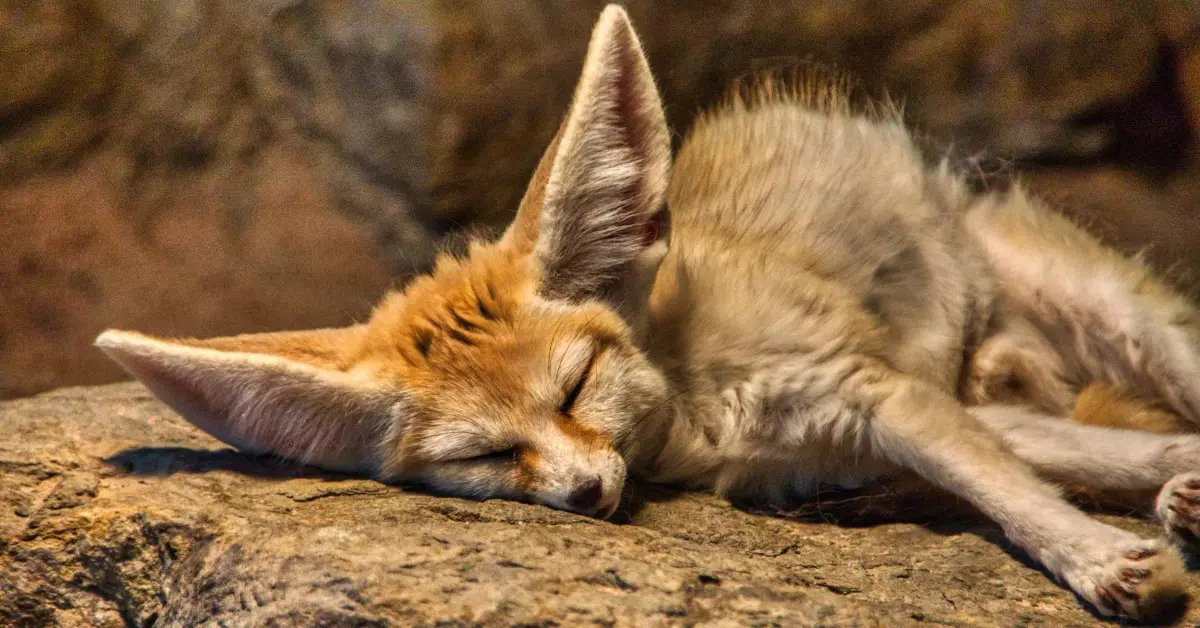
Red foxes, Blanford’s foxes, and Rüppell’s foxes occupy different ecological niches within the UAE.
- Arabian Leopard
The Arabian leopard once ranged across the region but is now locally extinct in the UAE, with remaining populations limited elsewhere in the region.
3- Small Mammals
- Rodents
Rodents such as jerboas, gerbils, jirds, and spiny mice are widespread and form an essential part of desert ecosystems.
- Hedgehogs
Hedgehog species include Brandt’s hedgehog, desert hedgehog, and long-eared hedgehog.
- Cape Hare and Other Lagomorphs
The Cape hare and other lagomorphs act as primary herbivores within terrestrial habitats.
4- Bats
- Egyptian Fruit Bat
The Egyptian fruit bat is known for its seasonal movements and specific roosting behaviour.
- Insectivorous Bats
Insectivorous bats in the UAE include sac-winged, mouse-tailed, and leaf-nosed species.
5- Marine Mammals
- Dugongs
Dugongs depend on seagrass habitats and hold regional conservation importance.
- Dolphins
Dolphin species include Risso’s dolphins, common dolphins, and Indo-Pacific species.
- Whales
Whales such as sperm whales and other species are recorded as offshore visitors in the UAE waters.
Birdlife in the UAE
The UAE hosts a wide variety of birds, including residents, migrants, and wintering species. With over 400 recorded species, approximately 90 of which are regular breeders, the country plays a key role on the Afro-Eurasian flyways, making it a critical region for birds in transit as well as those that breed locally. Birds inhabit deserts, wetlands, mountains, coasts, and urban areas, reflecting the ecological diversity of the country.
Seabirds and Coastal Birds
The UAE is home to important seabird and coastal bird populations. The Socotra cormorant is a notable species, with the country holding 20–30% of its global population.
Sooty gulls and red‑billed tropicbirds breed on offshore islands, while waders and shorebirds, such as plovers, sandpipers, godwits, and the broad‑billed sandpiper, depend on coastal habitats for feeding and resting during migrations.
Wetland and Mangrove Birds
Wetlands and mangrove forests support a rich diversity of birds in the UAE. Greater flamingo colonies, such as those at Ras Al Khor Wildlife Sanctuary, are a key feature of these habitats.
Other wading birds, including herons, egrets, and spoonbills, also use wetlands for feeding and nesting. Mangrove areas host specialist species such as kingfishers, which are adapted to the unique conditions of these coastal ecosystems.
Desert and Steppe Birds
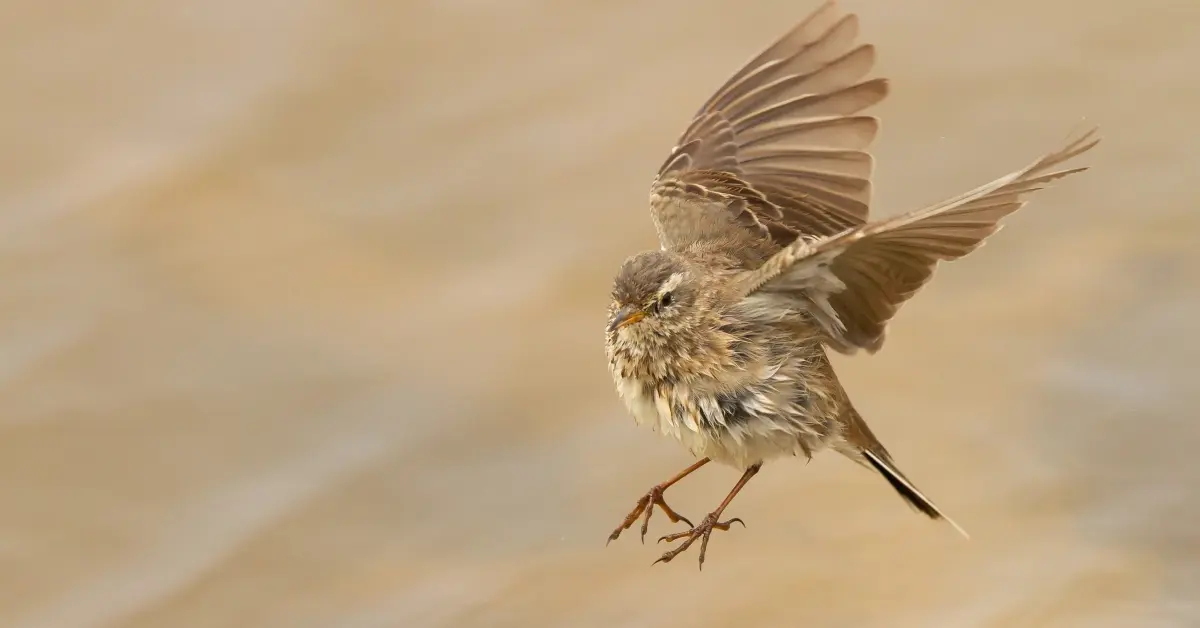
Desert and steppe habitats support a variety of specialised birds. Wheatears, with more than 12 species recorded, and larks, such as the desert lark, are common in these environments. Other arid-zone birds include warblers, babblers, rollers, and bulbuls.
Raptors (Birds of Prey)
Raptors in the UAE include both breeding and wintering species. Key breeding raptors include Bonelli’s eagle, sooty falcon, and barbary falcon. Wintering species include the short‑toed snake eagle, long‑legged buzzard, and lappet‑faced vulture.
Other raptors commonly found in the UAE include kestrels, peregrine falcons, and owls, which occupy a range of habitats from deserts and mountains to wetlands and urban areas.
Urban and Garden Birds
Urban and garden habitats support a variety of adaptable birds, including doves, pigeons, mynas, house crows, and sparrows. These species are usually in city parks, gardens, and residential areas, making them familiar backyard and city‑park birds that coexist alongside human activity.
Important Bird Areas and Birdwatching Sites
Key locations for bird diversity and observation in the UAE include:
- Ras Al Khor Wildlife Sanctuary (Dubai): Hosts 180+ species, including flamingos and raptors.
- Mangrove National Park (Abu Dhabi): Supports herons, flamingos, shorebirds, and kingfishers.
- Kalba Conservation Reserve: Functions as a wetland and raptor conservation centre.
- Key offshore islands and coastal headlands: Important for breeding seabirds and other coastal species.
Reptiles of the UAE
The UAE hosts over 54 recorded terrestrial reptile species. Many of these reptiles are specially adapted to desert environments, exhibiting behaviours and physiological strategies for thermoregulation that allow them to survive extreme heat and arid conditions. Reptiles play important ecological roles as both predators and prey within their habitats.
Lizards and Geckos
Lizards and geckos are key reptile groups in the UAE, inhabiting sand dunes, gravel plains, rocky areas, and wadis. These species are well-adapted to desert life, showing specialised behaviours for hunting, avoiding predators, and regulating body temperature in extreme environments.
Key Takeaways
Wild animals in the UAE can be spotted in a myriad of spaces, including deserts, mountains, wetlands, mangroves, coastal zones, and urban areas. Despite its arid climate, the country supports a wide range of native, endemic, reintroduced, and migratory species. Large herbivores like the Arabian oryx, Arabian gazelles, and Arabian tahr, alongside predators such as the Arabian wolf, caracal, and elusive desert cats, maintain ecological balance. Small mammals and bats contribute to desert food webs and pollination, while marine mammals like dugongs and dolphins thrive in seagrass beds and coastal waters.
Birdlife is rich and varied, with over 400 recorded species, including seabirds, wetland specialists, desert-adapted birds, raptors, and urban dwellers, highlighting the UAE’s critical role along Afro‑Eurasian flyways.
Overall, the UAE’s ecosystems, whether desert dunes, Hajar Mountains, coral reefs, mangroves, or urban habitats, collectively sustain biodiversity, support migratory pathways, and emphasise the importance of conservation in an arid but ecologically significant region.
FAQs
The UAE hosts hundreds of species, including over 400 birds, 50+ reptiles, numerous mammals, and diverse marine life.
Yes, species such as the Arabian tahr and Arabian leopard are endangered or locally extinct.
Its location on major Afro-Eurasian flyways makes it a vital stopover and wintering area.
Deserts, mountains, wetlands, mangroves, marine areas, and protected reserves across the country support wildlife.