



A defining landmark of old Dubai, the Grand Bur Dubai Masjid stands as one of the city’s most iconic religious and architectural treasures. Located in the historic Al Fahidi district, directly opposite Dubai Museum, the mosque reflects the emirate’s deep-rooted heritage and Islamic identity. With its striking minaret, intricate design, and cultural significance, it draws not only worshippers but also visitors interested in Dubai’s history and architecture.
This guide explores everything you need to know before visiting — from prayer timings and entry details to dress code, historical background, and what to expect during Ramadan 2026.
- Overview of the Grand Bur Dubai Masjid
- Location and how to get there
- Timings and entry details
- Dress code and visitor guidelines
- History and architecture
- Significance and nearby attractions
- Cultural and architectural experience
- Grand Bur Dubai Masjid in Ramadan 2026
- Key takeaways
- FAQs
Overview of the Grand Bur Dubai Masjid
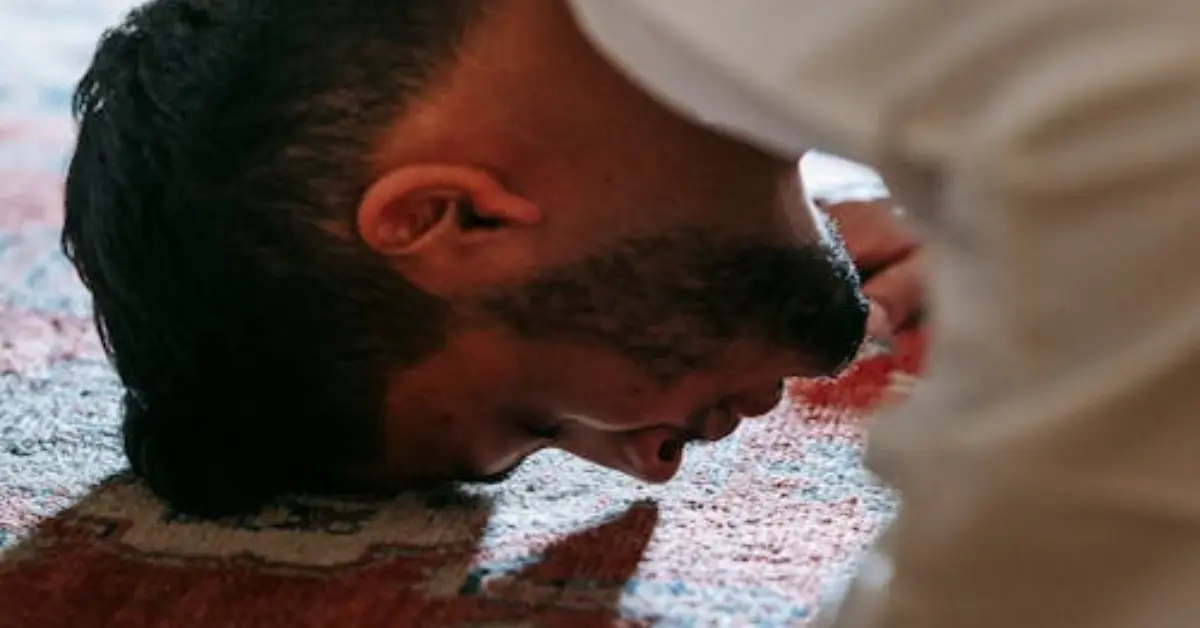
The Grand Bur Dubai Masjid is one of Dubai’s oldest and most significant mosques. Built originally in 1900 as a Qur’anic school, it was rebuilt in 1960 and again in 1998 to preserve its traditional style.
Today, it remains an active mosque for about 1,200 worshippers and a cultural landmark at the heart of Al Fahidi district – a place where spirituality meets history.
Location and how to get there
Here’s how to find the Grand Bur Dubai Masjid and the easiest ways to reach it, whether you’re travelling by metro, car, or traditional abra.
Exact location
Ali Bin Abi Taleb Street, Al Fahidi neighbourhood, Bur Dubai – directly opposite Dubai Museum and near the Ruler’s Court Office.
Getting there
- By Metro: Al Fahidi Metro Station (Green Line) – about a 10-minute walk (≈ 900 m).
- By Abra: Take a traditional wooden boat from Deira across Dubai Creek and walk through the textile souk.
- By Car or Taxi: Limited street parking is available around Al Fahidi Fort and Ali Bin Abi Taleb Street.
Timings and entry details
The mosque is open daily for Muslim prayers, following the five daily Islamic prayer schedules.
For non-Muslim visitors:
- Saturday to Thursday – 8:00 a.m. to 10:00 p.m.
- Friday – 4:30 p.m. to 10:00 p.m.
- Free guided tours – Sunday to Thursday, 9:00 a.m. to 11:30 a.m.
Access pauses during prayer times.
Entry: Free for all visitors; guided tours are complimentary.
Dress code and visitor guidelines
Respectful attire is required for all visitors:
- Women – cover head, arms, and legs with loose-fitting clothing.
- Men – no shorts or sleeveless tops.
- Remove shoes before entering any prayer area.
- Photography is allowed only in the courtyard and minaret areas.
Non-Muslims are welcome to join guided cultural tours, but they are not permitted inside the main prayer hall. Tours focus on the courtyard, minaret, and Islamic architecture.
History and architecture
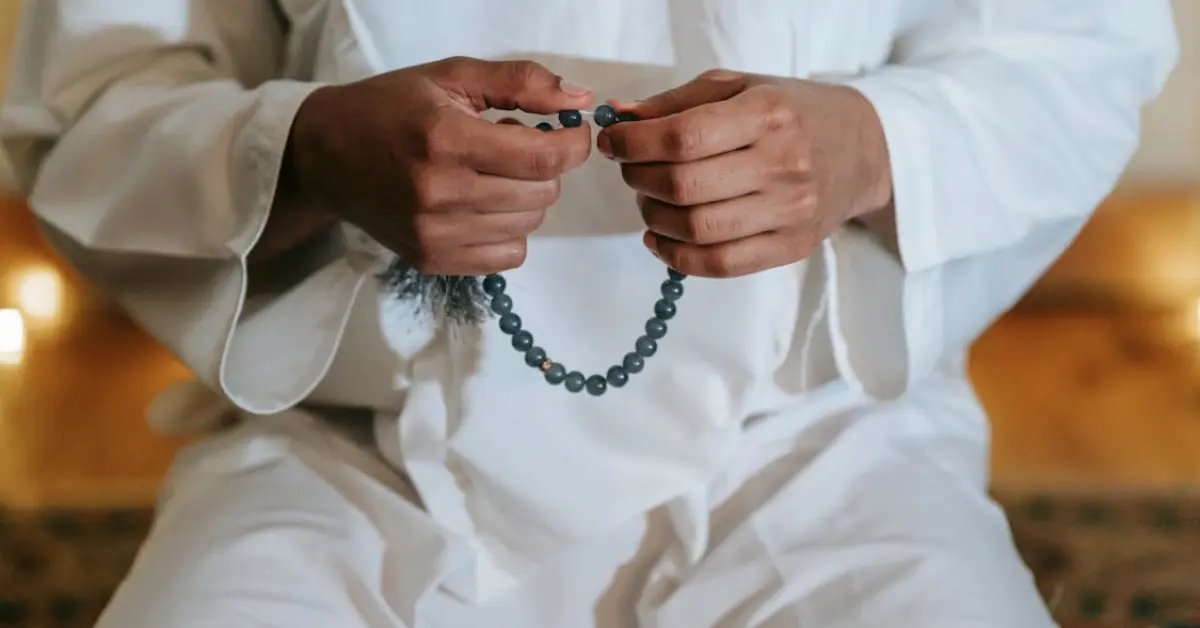
Constructed in 1900 as a kuttab (Qur’anic school), the Grand Bur Dubai Masjid was rebuilt in 1960 and again in 1998 to reflect authentic Islamic architecture from the early 20th century.
Architectural features
- Minaret: 70 metres tall – the highest in Dubai – inspired by Anatolian and lighthouse designs.
- Domes: 54 total (9 large and 45 small) with delicate geometric motifs.
- Facade: Sandy-grey walls with Qur’anic inscriptions and arched doorways.
- Windows: Wood-framed and decorated with stained glass.
- Interior: Holds around 1,200 worshippers and features 24-carat gold-plated lamp fixtures.
Significance and nearby attractions
The Grand Bur Dubai Masjid is both a religious centre and a symbol of Dubai’s cultural heritage. It hosts large Friday and Eid prayers and appears on most heritage and architecture tours.
Nearby attractions
- Dubai Museum – located right opposite inside Al Fahidi Fort.
- Textile Souk – a colourful market filled with fabrics and souvenirs.
- Bastakiya Quarter – heritage neighbourhood showcasing wind-tower architecture.
- Hindu Temple – just a short walk away, highlighting Dubai’s religious diversity.
Cultural and architectural experience
Beyond its role as a place of worship, the Grand Bur Dubai Masjid provides a serene space to explore Dubai’s spiritual and cultural heritage. The intricate geometric designs, stained-glass windows, and tall minaret reflect a time when architecture and faith were deeply connected. Standing in the courtyard, visitors can hear the faint call to prayer blending with the sounds of nearby souks – a rare glimpse into the city’s past before its rise as a modern metropolis. Free guided tours often include explanations of Islamic art and Emirati traditions, offering insight into Dubai’s identity and heritage.
Grand Bur Dubai Masjid in Ramadan 2026
In Ramadan, the Grand Bur Dubai Masjid becomes especially vibrant in the evenings. After the Isha prayer, the mosque hosts Taraweeh prayers, a series of additional nightly prayers performed only during Ramadan. These prayers typically last between 60 to 90 minutes, depending on the recitation length, and are led by the imam in a calm, reflective atmosphere. The mosque also participates in the spirit of generosity associated with the holy month, with iftar arrangements or distributions often taking place around sunset, allowing worshippers to break their fast within the mosque community. Due to higher attendance during this period, visitors should expect larger congregations and are encouraged to arrive early for prayers.
Key takeaways
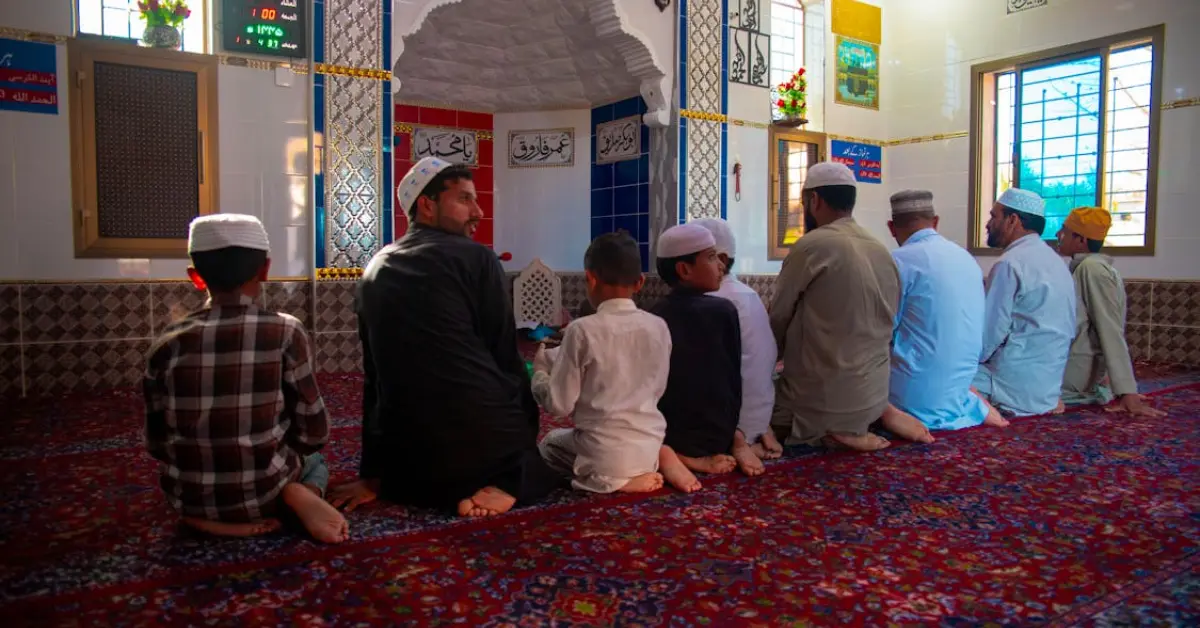
Whether you are visiting for its architectural beauty, historical significance, or spiritual atmosphere, the Grand Bur Dubai Masjid offers a meaningful glimpse into Dubai’s cultural roots. From its elegant design to its central role in community life—especially during Ramadan—the mosque remains one of Bur Dubai’s most treasured landmarks. By planning your visit respectfully and understanding visitor guidelines, you can fully appreciate both the serenity of the space and its importance within the city’s heritage.
Many of the residents choose to settle in this culturally rich neighborhood by securing a budget-friendly option, as one can find residential options from multiple bedrooms for a large family to a compact studio room for rent in Bur Dubai monthly for new settlers in the city to enjoy easy access to traditional souks, local museums, and excellent public transport links.
FAQs
Yes – but only for guided tours covering the exterior and minaret areas. The main prayer hall is for Muslims only.
No–entry and guided tours are free of charge.
Al Fahidi Metro Station (Green Line) – approximately a 10-minute walk.
Dress modestly – cover shoulders and knees, and women should cover their hair with a scarf. Shoes must be removed before entering prayer areas.