



Floor tiles are widely used across homes and commercial spaces because they combine durability, water resistance, and design flexibility. From entry-level ceramic tiles to premium natural stone, tiles suit a wide range of budgets and interior styles while holding up well to daily wear.
This guide explains the main types of tile flooring, their performance differences, where each type works best, and what typically influences pricing and installation costs.
- Introduction to tile flooring
- Types of tile flooring
- Tile ratings and durability
- Tile sizes and shapes
- Installation overview
- Best tiles for specific areas
- Prices and costs
- Pros, cons, and maintenance
- Key takeaways
- FAQs
Introduction to tile flooring

One of the main reasons tile flooring remains popular is its practicality. Tiles resist moisture, handle spills well, and are easier to maintain than many soft flooring options. They are commonly used in kitchens, bathrooms, living areas, corridors, and commercial interiors where durability matters.
However, not all tiles perform the same way. Material type, density, thickness, and surface finish all affect how a tile behaves over time, particularly in high-traffic or wet areas.
Types of tile flooring
Tile flooring is typically grouped into a few core categories, each with distinct characteristics and price positioning.
1. Ceramic tile
Ceramic tiles are made from clay, minerals, and water, then fired in a kiln. Most ceramic tiles are glazed, creating a smooth, glass-like surface that allows for a wide range of colours, patterns, and finishes.
Ceramic is widely considered the most budget-friendly tile option. It is easier to cut and install than denser materials, which can also help control installation costs. Ceramic tiles are commonly used on walls, kitchen floors, and in shower areas. Textured versions are often chosen to improve slip resistance in family homes.
While ceramic tiles are durable, they are less dense than porcelain and are generally better suited to light or moderate foot traffic.
2. Porcelain tile
Porcelain tiles are a denser subset of ceramic, fired at higher temperatures. This process makes them less porous and more resistant to water, stains, scratches, and chipping.
Porcelain is often regarded as the most durable tile type overall. It is widely used for flooring, shower walls and floors, and high-traffic residential or commercial spaces. For areas that see heavy use, porcelain tiles are typically thicker than ceramic, which helps reduce the risk of cracking.
Porcelain tiles are also frequently chosen for spaces where moisture exposure is constant, as their low absorption rate makes them more resistant to water-related damage.
3. Natural stone tile
Natural stone tiles are valued for their variation, texture, and organic appearance. Each tile is unique, which adds visual depth but also means performance can vary by stone type.
Common natural stone options include:
- Slate: Textured and rustic, with colour variations ranging from grey to purple
- Marble: Polished and elegant, often used in entryways and bathrooms
- Limestone: Soft, earthy, and porous, creating a warm atmosphere
- Travertine: Recognisable by its natural pits and layered texture
- Granite: Speckled, extremely tough, and typically positioned as a premium option
Most natural stone tiles require sealing to protect against stains and moisture, particularly when used on floors or in wet areas such as showers.
Other Floor Tiles types
| Tile type | Description | Common uses |
| Terra cotta | Made from absorbent clay and typically sealed for indoor use | Indoor walls and floors |
| Terrazzo | Combines stone or marble chips set in cement for a textured finish | Floors and walls |
| Glass | Usually supplied as mosaics; non-porous but not suitable for floor traction | Walls and backsplashes |
| Mosaic | Small-format tiles, usually under two inches, used to create patterns | Floors, walls, backsplashes |
| Ledgestone | Natural stone veneer mounted on mesh panels | Feature walls, fireplaces |
| Engineered tile | Limestone-based tile designed to mimic stone, terracotta, marble, or wood; warmer and softer underfoot | Floors and walls |
Tile ratings and durability
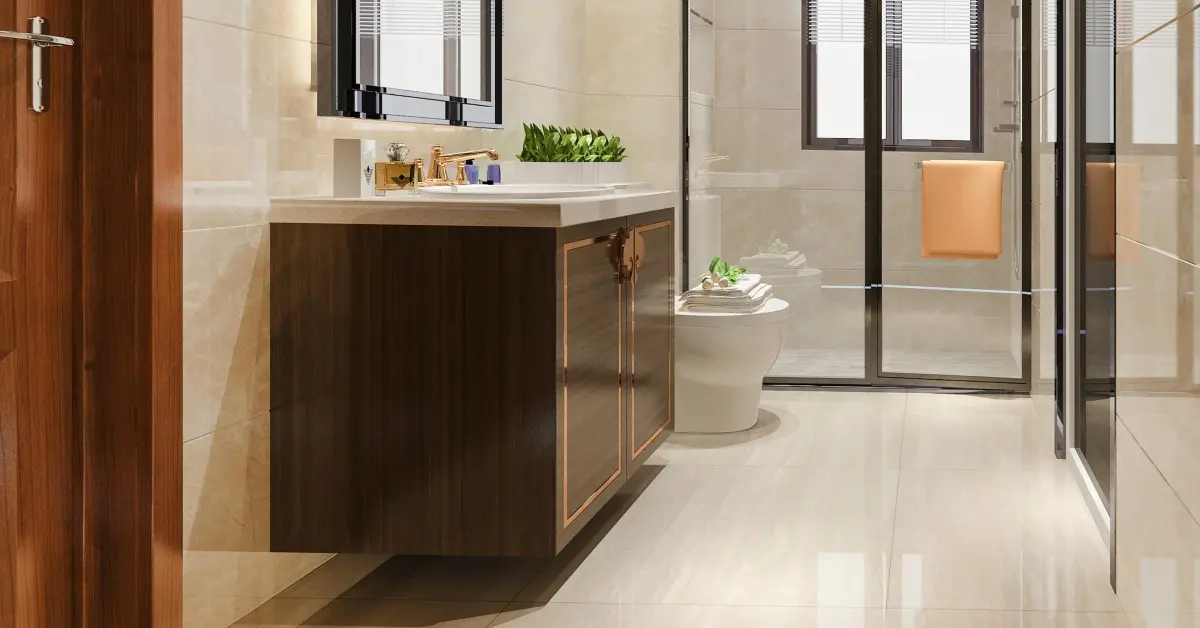
- Tile durability is commonly assessed using PEI (Porcelain Enamel Institute) ratings, which indicate resistance to abrasion and foot traffic.
- Class II: Suitable for light traffic; commonly used on walls and in low-use areas such as bathrooms.
- Class III: Designed for light to moderate residential foot traffic.
- Class IV: Suitable for heavier home use and medium commercial spaces.
- Class V: Designed for heavy to extra-heavy traffic; appropriate for all residential and commercial settings.
- Tile thickness also affects durability. Porcelain floor tiles are generally thicker than ceramic tiles, making them better suited to high-traffic areas where impact resistance matters.
Tile sizes and shapes
Tiles are available in a wide range of sizes, and the right format often depends on where the tile will be used and the look you want to achieve. Larger tiles tend to create a more seamless appearance, while smaller formats allow for detail and flexibility.
| Tile size (inches) | Typical use | Visual effect |
| 2–4 | Mosaics, accents, feature areas | Detailed, patterned look |
| 6–8 | Backsplashes, small wall areas | Balanced and versatile |
| 12–16 | Standard flooring and walls | Clean, proportioned finish |
| 18–24 | Large-format flooring | Seamless, modern appearance with fewer grout lines |
Larger tiles are typically used for flooring because they create a cleaner, more continuous look with fewer grout lines. Smaller tiles and mosaics are often used for backsplashes, decorative accents, and areas where detailed patterns or surface flexibility are needed.
Installation overview
- Prepare and level the subfloor to ensure a stable, even surface.
- Apply mortar or adhesive suitable for the tile type and area.
- Lay tiles with consistent spacing to maintain alignment and grout lines.
- Grout the joints once the tiles have set.
- Seal or caulk edges and joints where required, particularly in wet areas.
Installation costs vary depending on tile type, layout complexity, and surface preparation. Intricate patterns, uneven subfloors, or extensive cutting typically increase labour time and overall cost.
Best tiles for specific areas
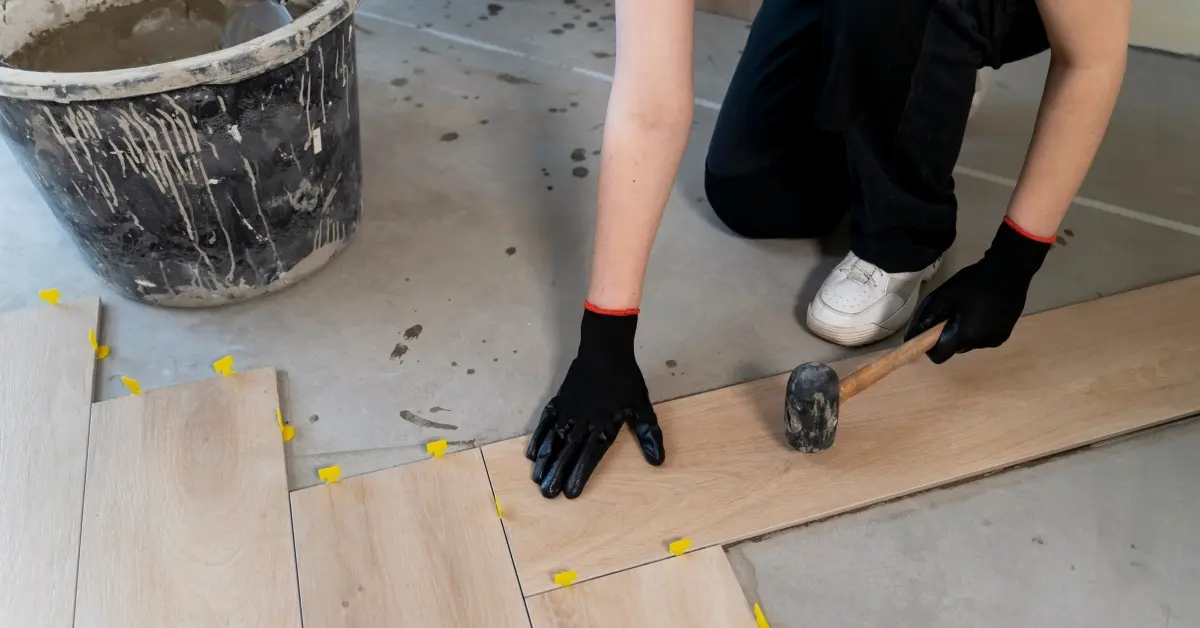
Choosing tiles based on traffic levels, moisture exposure, and maintenance needs helps ensure both durability and long-term performance.
| Area | Recommended tile types | Why they work well |
| High-traffic floors | Porcelain, natural stone | High density, durability, and thickness for frequent foot traffic |
| Kitchens | Glazed ceramic | Wide colour range, low maintenance, good stain resistance |
| Showers and bathrooms | Porcelain, glass, mosaic (floors) | Water resistance; mosaics improve grip and accommodate slopes |
| Walls and backsplashes | Ceramic, mosaic, glass | Lighter-duty areas that allow for decorative flexibility |
Costs and Prices of Floor Tiles
Tile pricing varies depending on material, finish, size, and brand positioning. In general, ceramic tiles sit at the more affordable end of the spectrum, porcelain tiles are priced higher due to performance and durability, and natural stone commands a premium because of sourcing, finishing, and maintenance requirements.
Typical tile material costs (AED)
| Tile type | Estimated material cost (per m²) | Cost positioning |
| Ceramic | AED 59 – AED 150 | Most budget-friendly option |
| Porcelain | AED 60 – AED 180 | Mid-range, performance-focused |
| Natural stone | AED 120 – AED 400+ | Premium and luxury |
| Mosaic | AED 80 – AED 250 | Varies by material and pattern |
Typical installation and labour costs (AED)
Installation costs depend on tile type, layout complexity, and surface condition.
| Installation factor | Typical cost range (per m²) |
| Standard labour | AED 25 – AED 50 |
| Natural stone installation | AED 50 – AED 85 |
| Mosaic or intricate layouts | AED 80 – AED 150 |
| Subfloor preparation or levelling | AED 10 – AED 20 (additional) |
Price disclaimer
Prices shown here are indicative only and may vary based on brand, quality, location, and installation requirements.
What affects the total cost
- Tile size: Large-format tiles require careful handling and precise installation, which can increase labour costs.
- Layout complexity: Patterns such as herringbone or chevron take longer to install than straight-set layouts.
- Surface preparation: Uneven or damaged subfloors may need levelling before installation.
- Material type: Natural stone and mosaics generally cost more to install than ceramic or standard porcelain.
- Finishing requirements: Sealing, premium grouting, and edge detailing add to the overall cost.
Pros, cons, and maintenance for Floor Tiles
Pros
- Durable and long-lasting, especially in high-traffic and moisture-prone areas
- Water-resistant when properly sealed, making tiles suitable for kitchens and bathrooms
- Wide range of styles, colours, sizes, and finishes to suit both practical and decorative spaces
- Resistant to stains, heat, and everyday wear compared to many soft flooring options
Cons
- Hard underfoot and can feel cold without underfloor heating or rugs
- Grout lines may require periodic sealing to prevent staining
- Thinner tiles can crack under heavy impact or poor installation
- Natural stone requires more care than ceramic or porcelain
Maintenance
- Routine cleaning with mild, non-abrasive products is usually sufficient
- Porous tiles, including natural stone and some ceramics, benefit from sealing
- Spills should be cleaned promptly to avoid staining, especially on natural stone
- Natural stone surfaces can be resurfaced or re-polished if wear appears over time
Key takeaways
Tile flooring remains a practical and versatile choice for both residential and commercial spaces. Floor Tiles offer an affordable and easy-to-maintain solution for walls and lighter-use areas, while porcelain stands out for its strength, low porosity, and suitability for high-traffic floors and wet spaces. Natural stone brings visual depth and a premium finish but requires sealing and more ongoing care. Tile performance depends not only on material but also on thickness, durability rating, and installation quality. Choosing the right tile size, finish, and rating helps balance aesthetics, longevity, and maintenance needs.
FAQs
Porcelain tile is generally considered the most durable option. Its high density and low porosity make it resistant to water, stains, scratches, and heavy foot traffic.
Porcelain and certain types of natural stone are best suited to high-traffic areas due to their thickness, durability, and resistance to wear.
Glazed ceramic tiles are commonly used in kitchens because they are easy to clean and stain-resistant. Bathrooms typically use porcelain tiles for walls and floors, with mosaics often chosen for shower floors to improve grip.
Yes. Most natural stone tiles are porous and should be sealed to protect against moisture and staining, especially on floors and in wet areas.
In most cases, yes. Ceramic tiles are generally more budget-friendly, while porcelain tiles are priced higher due to their durability and performance characteristics.