



Dubai’s Roads and Transport Authority (RTA) has launched the Parking Shade Installation Permit service to let residents in Dubai install approved shading over reserved residential parking spaces. Announced on 22 January 2026, the initiative responds to growing resident concerns around extreme heat, vehicle protection, and increasing car density in residential neighbourhoods, while ensuring that Dubai’s urban order and visual identity remain intact.
The permit formalises what has long been a practical need for many households, introducing a regulated framework that balances individual comfort with pedestrian safety, traffic flow, and citywide infrastructure requirements. It applies only to designated, properly reserved residential parking spaces and must be processed through approved contracting firms via RTA’s unified digital portal.
- Dubai’s Residential Parking Shade Permit: What Residents Need to Know
- Eligibility & Application Process
- Technical & Design Requirements
- Rules, Limitations & Enforcement
- Timeline & Key Dates
- Comparison With Existing Regulations
- Resident Feedback and Community Response
- Impact on Property Appeal and Resale Perception
- Key Takeaways
- FAQs
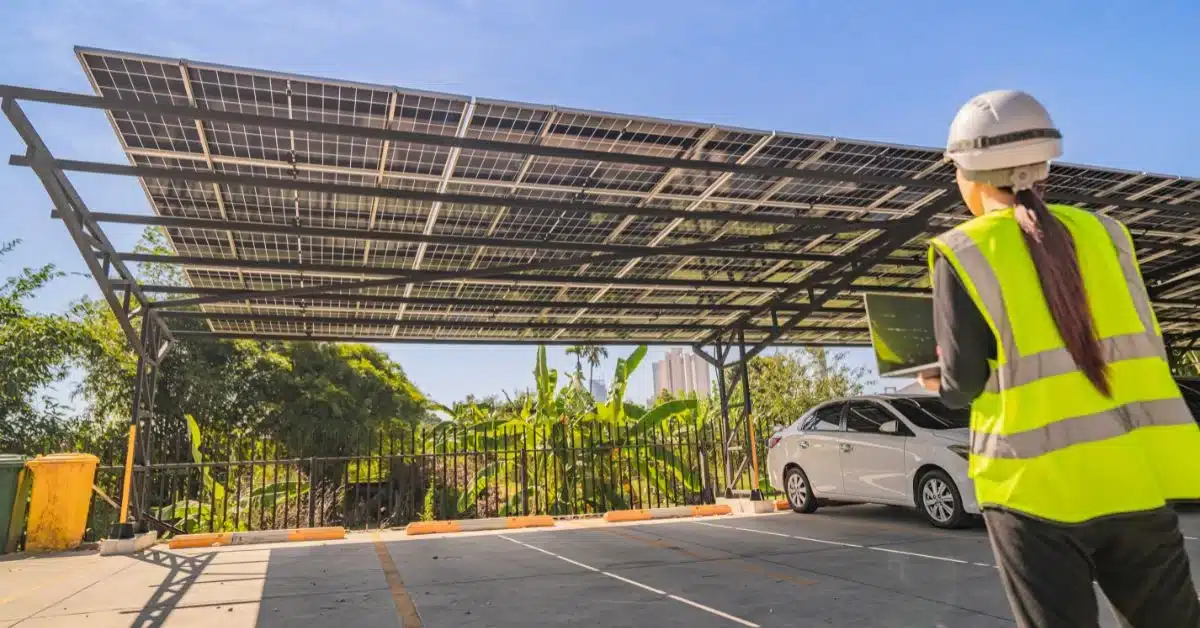
Dubai’s Residential Parking Shade Permit: What Residents Need to Know
The parking shade installation permit is a newly launched service by the Roads and Transport Authority (RTA), forming part of its wider efforts to improve the quality of life while preserving Dubai’s urban and visual appeal. The permit allows residents to install shading structures over their own reserved parking spaces within residential neighbourhoods, provided strict technical, safety, and aesthetic requirements are met.
While apartment developments often integrate covered parking into their original design, villa communities have traditionally relied on individual solutions, which the new permit now brings under a regulated framework.
RTA has clarified that the service does not extend to public parking bays or unallocated roadside spaces. Instead, it is designed for residential plots where parking rights are already formally assigned, ensuring that shade installations remain orderly and compliant with right-of-way regulations.
Eligibility & Application Process
Eligibility and application procedures have been clearly defined to ensure consistency across communities and prevent informal or unsafe installations.
Who Can Apply
Only residents with properly reserved parking spaces in designated residential areas are eligible to apply. These parking rights must be formally recognised by a developer, owners’ association, or relevant authority.
Applications cannot be submitted directly by individuals. Instead, residents must appoint RTA-approved contracting companies, which are responsible for preparing designs, ensuring technical compliance, and coordinating approvals. This approach places accountability on licensed professionals and reduces the likelihood of non-conforming structures.
How to Apply
Applications for a parking shade Installation permit in Dubai are submitted online through RTA’s unified digital portal. Approved contractors handle the entire process, from initial submission to final approval, coordinating with all relevant authorities in the background.
The process includes site assessments, design validation, and checks with service entities to confirm that proposed installations will not interfere with utilities or public infrastructure. This digital workflow reflects Dubai’s broader move towards streamlined, paperless government services.
Service Partners
Approved contractors act as the central link between residents and service entities such as Dubai Electricity and Water Authority (DEWA), municipal departments, and emergency services. Their role extends beyond construction to include compliance verification, safety assessments, and post-installation coordination.
Technical & Design Requirements
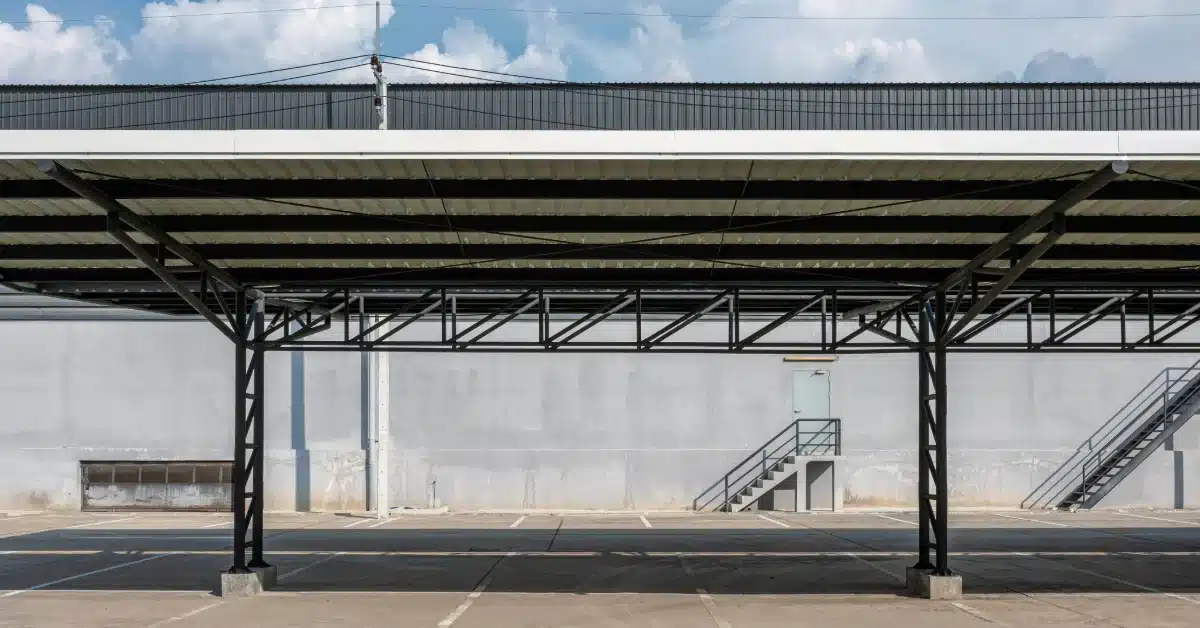
The permit introduces comprehensive technical and design standards to ensure that parking shades enhance comfort without compromising safety or aesthetics.
Safety & Spatial Constraints
Safety is the primary consideration. Parking shades must not obstruct pedestrian pathways, disrupt traffic flow, or reduce driver visibility. Installations that block traffic signs, interfere with street lighting, or encroach on roadways are strictly prohibited.
Shades must also avoid any interference with underground or overhead utility lines. Contractors are required to coordinate with relevant service entities before installation, ensuring uninterrupted access for maintenance or emergency works.
These requirements reflect RTA’s broader mandate to maintain smooth movement and clear right-of-way across residential streets.
Design, Colour, & Standards
All parking shades must follow RTA-approved design typologies. Custom or improvised designs are not permitted, regardless of structural integrity.
Colour schemes are restricted to approved neutral tones that align with neighbourhood character. Highly reflective, visually intrusive, or inconsistent colours are not allowed to support visual harmony across residential streetscapes.
Structure & Materials
Structural specifications cover foundation depth, height clearance, and material durability. Shades must withstand Dubai’s climatic conditions while maintaining stability over time.
A key requirement is that all installations remain temporary and removable. Structures must be dismantled if required for development works, infrastructure upgrades, or emergencies, ensuring flexibility for city operations.
Rules, Limitations & Enforcement
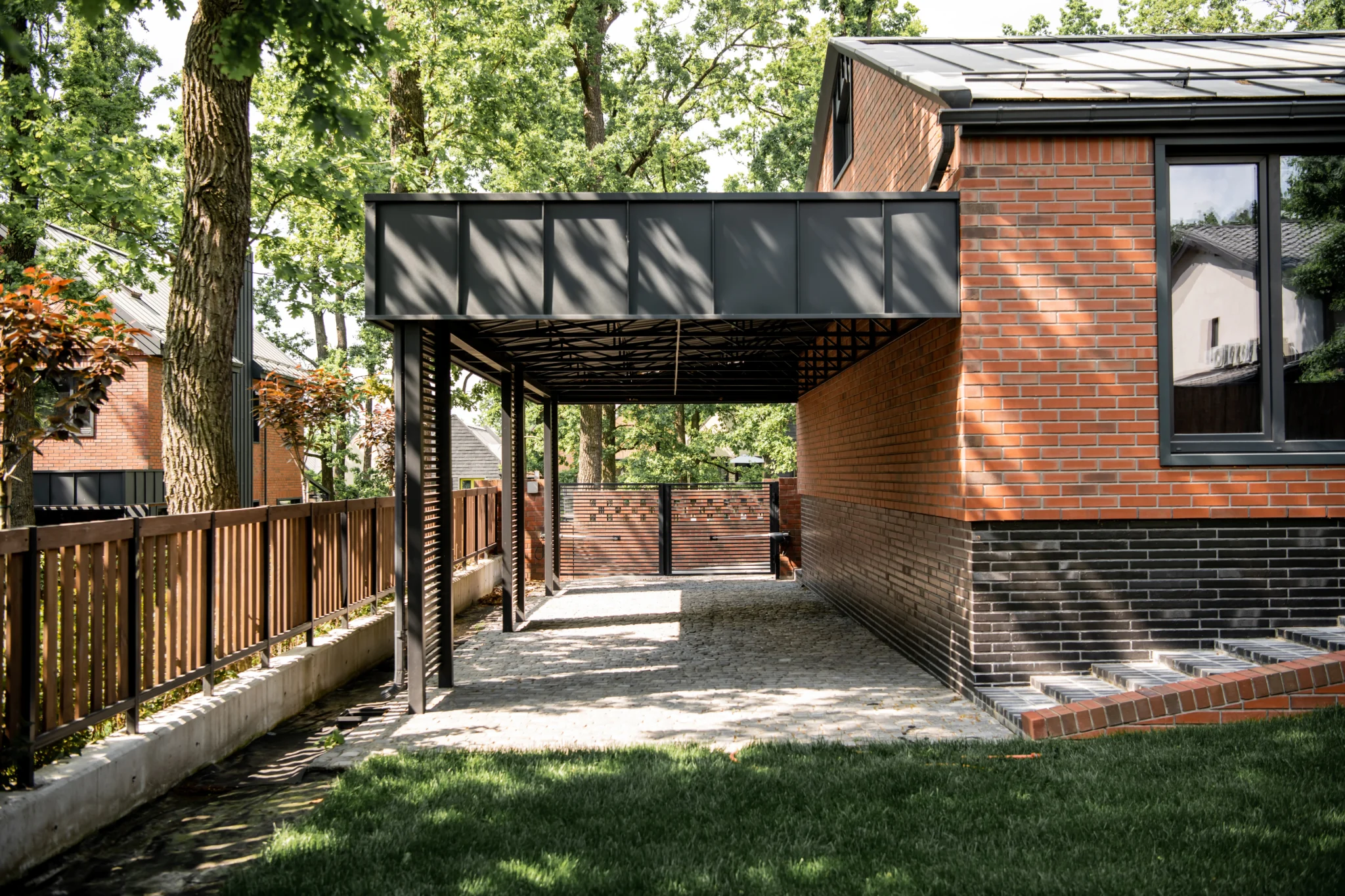
While the permit allows residents to install parking shades, it also sets out specific obligations that must be followed throughout the life of the installation.
What residents should be aware of:
- Parking shades can be removed at the request of any service entity if access is needed for maintenance, infrastructure works, development, or emergencies.
- The full cost of installation, ongoing maintenance, removal, and any reinstatement is the responsibility of the applicant.
- Shade structures must continue to meet all approved design, safety, and placement conditions throughout their use.
- Failure to comply with permit requirements may lead to enforcement action or mandatory removal under applicable local bylaws.
Timeline & Key Dates
The introduction of the residential parking shade permit follows a clearly defined rollout, allowing residents to understand when the service became available and how applications are being handled. While the framework has been announced, RTA has intentionally kept the application window flexible, enabling residents to apply as and when needed without fixed deadlines.
Key milestones
The table below outlines the main stages of the permit’s rollout, from the initial announcement to the current application status.
| Date / Stage | Details |
|---|---|
| 22 January 2026 | RTA announces the residential parking shade permit |
| Application opening | Applications become available via RTA’s digital platform |
| Application period | Open-ended, with no confirmed deadlines |
Existing installations
For parking shades installed before the launch of the permit, RTA has indicated that they will fall under the new regulatory framework. While existing installations are expected to be reviewed, no specific timelines for inspections or regularisation have been published at this stage.
Comparison With Existing Regulations
Before the introduction of the new residential parking shade permit, installations were governed by broader administrative rules, most notably Administrative Resolution No. (381) of 2017, which set out general conditions for external shade structures. While these rules established safety and design principles, they were not designed as a resident-facing service.
The new permit does not replace existing regulations. Instead, it consolidates them into a clearer, more accessible framework specifically for residential parking, making compliance easier to understand and manage.
How the new permit compares with earlier rules
| Aspect | Previous regulations | New parking shade permit |
|---|---|---|
| Regulatory basis | General administrative resolutions | Dedicated residential permit service |
| Scope | Broad, covering various external shade types | Limited to reserved residential parking spaces |
| Application method | Fragmented approvals | Unified digital portal via RTA |
| Who applies | Property owners or contractors, depending on the case | Approved contracting companies only |
| Design guidance | General standards | Clearly defined, RTA-approved designs and colours |
| Removability | Required, but less clearly framed | Explicitly temporary and removable |
| Oversight | Case-by-case enforcement | Centralised review and ongoing compliance |
Resident Feedback and Community Response
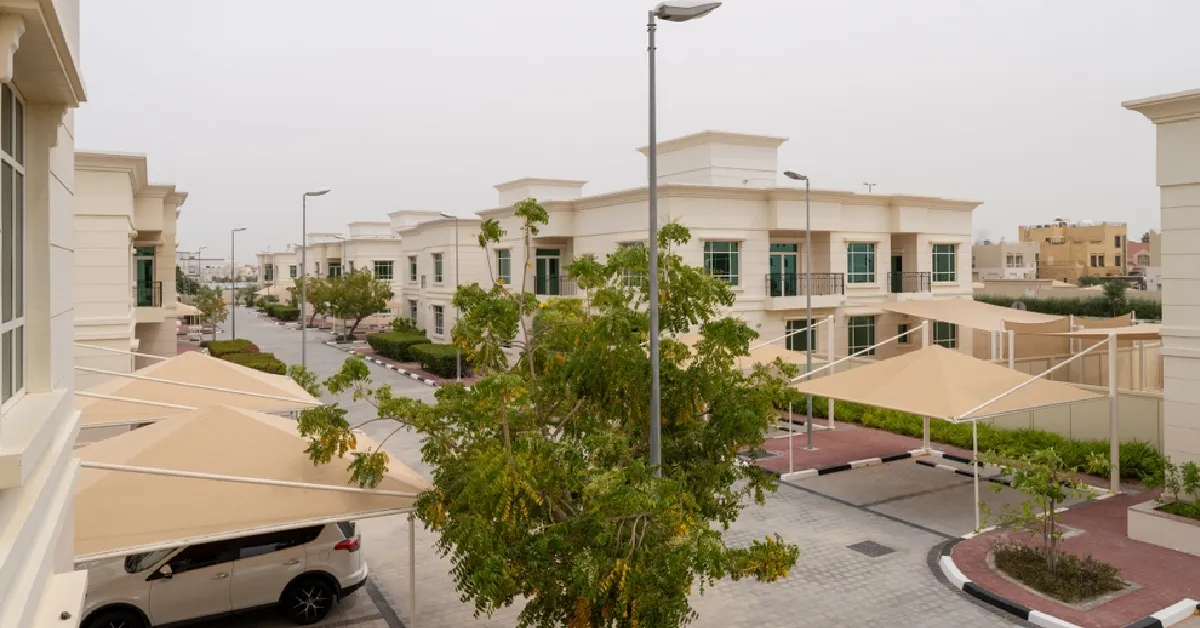
The permit follows sustained resident feedback highlighting the impact of high summer temperatures on parked vehicles, particularly in villa neighbourhoods with direct sun exposure. Many residents view the service as a practical solution that formalises a common need without compromising safety or order.
Urban planners and community managers have welcomed the emphasis on regulated design and right-of-way protection. By standardising installations, the city reduces visual clutter and ensures that individual modifications do not undermine neighbourhood cohesion.
Impact on Property Appeal and Resale Perception
For most residents, the idea of a parking shade begins with comfort. Stepping into a cooler car on a hot day is a simple but meaningful improvement to everyday life. Over time, however, these small upgrades can also influence how a home and its surroundings are perceived.
In villa communities and low-rise neighbourhoods, buyers and long-term tenants often notice details that suggest care and consistency.
In fact, a parking shade installed through an approved permit reflects a considered approach to home maintenance, rather than an improvised addition. This distinction can shape first impressions, especially in areas where visual order and shared spaces matter.
While the permit itself does not change property prices, it contributes to a sense of liveability, order, and long-term suitability, all of which influence how residents evaluate a home.
Key Takeaways
Dubai’s new residential parking shade permit provides a regulated pathway for residents to protect vehicles from heat while preserving safety, right-of-way access, and neighbourhood aesthetics. By limiting eligibility to reserved parking spaces, enforcing approved designs, and requiring professional contractor involvement, the initiative balances individual comfort with citywide operational needs. Its temporary and removable nature ensures flexibility for future infrastructure requirements, reinforcing Dubai’s commitment to structured, visually cohesive urban development.
FAQs
Only residents with properly reserved parking spaces in designated residential areas may apply. Applications must be submitted through approved contracting companies.
Shades must follow RTA-approved designs and colours, avoid obstructing pedestrian movement or traffic flow, not interfere with signage or utilities, and remain structurally stable. Installations must be temporary and removable.
Applications are submitted online via RTA’s unified digital portal by approved contractors, who coordinate approvals with all relevant authorities.
As of 2026, no specific permit fees have been publicly confirmed. Applicants are responsible for installation, maintenance, and any future removal costs.
Yes. Shades must be removed if required for infrastructure works, development, maintenance, or emergencies, at the applicant’s expense.
No fixed processing timelines have been announced. Applications typically involve design review, site inspection, and coordination with service entities.