



The F23 bus route is one of the most practical feeder connections serving Al Nahda in Dubai. While it may look simple on a route map, it plays an important role in helping residents move between Stadium Metro Station and the residential clusters of Al Nahda without relying on taxis or private vehicles.
If you live in Al Nahda, commute via the Green Line, or regularly travel within the district, understanding how the F23 works can make everyday travel smoother and more predictable.
- What Is the F23 Bus Route?
- Where the F23 Bus Route Operates
- Full List of F23 Bus Route Stops
- F23 Bus Route Timings & Operating Hours
- Frequency & Total Journey Duration
- Peak Hours & Traffic Patterns in Al Nahda
- F23 Bus Route Fare & Payment Rules
- How the F23 Connects to Stadium Metro
- F23 vs F23A: What’s the Difference?
- Who Uses the F23 Bus Route Most?
- Pros & Limitations of the F23
- Key Takeaways
- FAQs
What Is the F23 Bus Route?
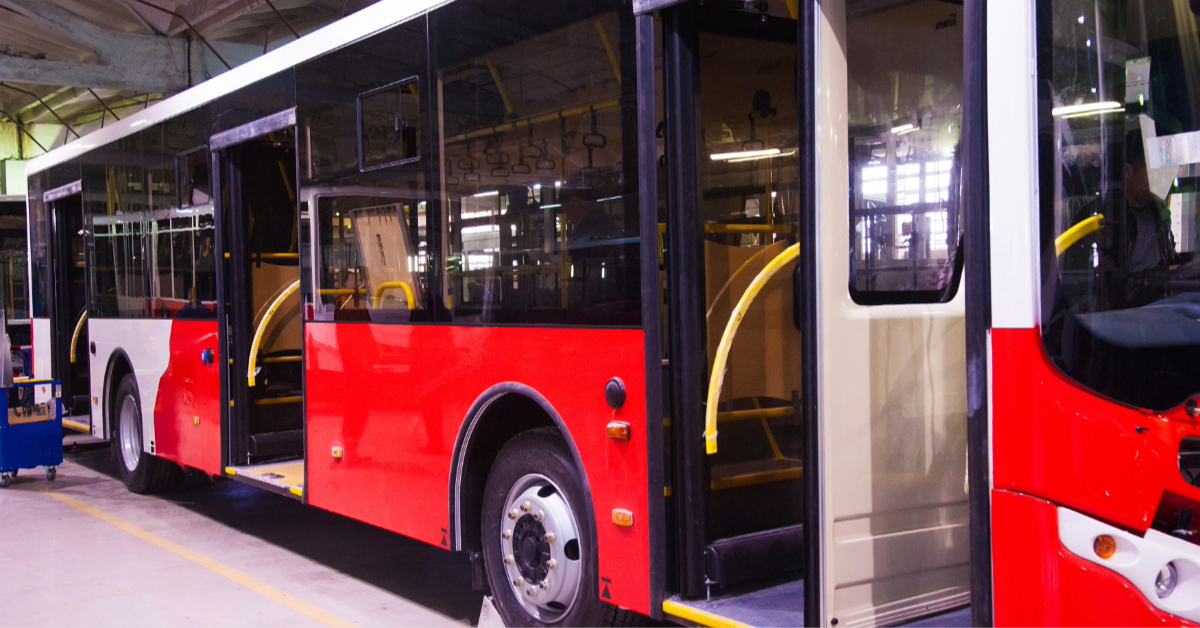
The F23 is a feeder bus service connecting Stadium Metro Station (Green Line) with Al Nahda Terminus. Unlike long intercity routes, feeder buses are built for short-distance, last-mile connectivity. Their purpose is to bridge the gap between metro stations and nearby residential communities.
In Al Nahda, many buildings sit beyond comfortable walking distance from the metro, especially during hotter months. The F23 fills that gap by circulating through key residential streets before looping back to the metro hub.
For many residents, it’s not just a convenience; it’s part of their daily routine.
Explore the Available Properties for Rent in Al Nahda
-


Apartment
Listed 5 days ago
60,000 AED/year
Elegant 1Bhk Chiller Free Flexible Payment GymPool
Al Nawras Building, Al Nahda 1, Al Nahda, Dubai
1
1
872 sqft
-
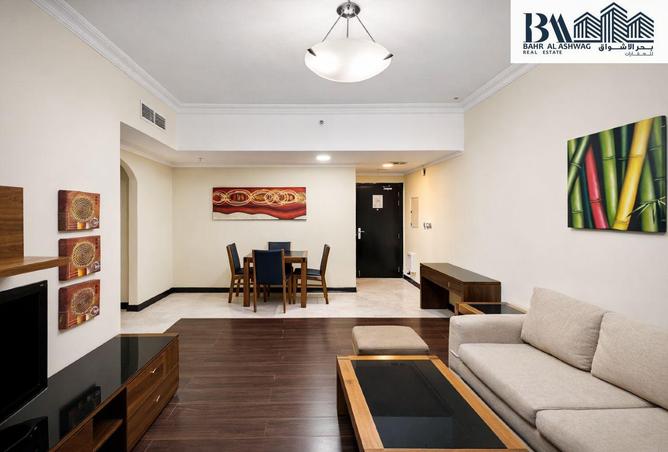
Apartment
Listed 5 days ago
60,000 AED/year
Flexible Payment Chiller Free Elegant 1BHK GymPool
Al Nawras Hotel Apartments, Al Nahda 1, Al Nahda, Dubai
1
1
872 sqft
-
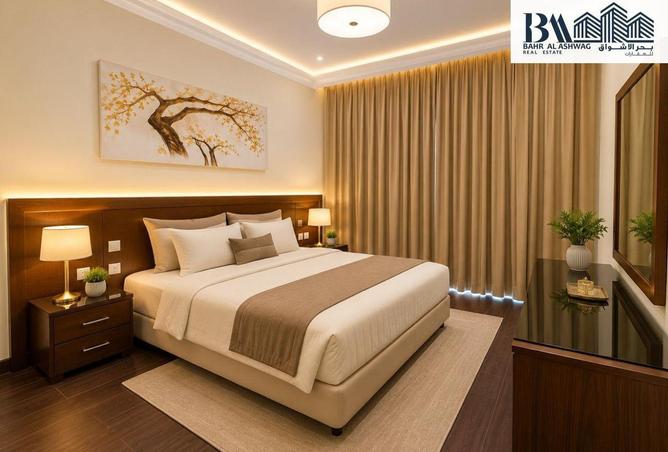
Apartment
Listed 1 week ago
60,000 AED/year
Elegant AC Free 1 BHK || Furnished || Near Metro
Al Nawras Building, Al Nahda 1, Al Nahda, Dubai
1
1
893 sqft
-
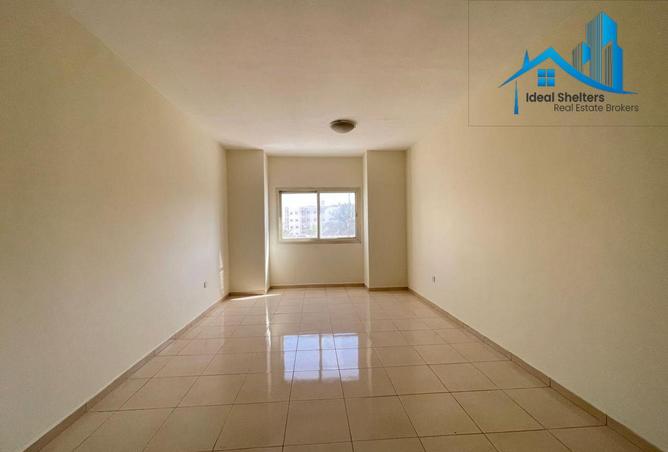
Apartment
Listed 14 hours ago
43,990 AED/year
Good Size 1 BHK Apartment | Good Quality
Dubai Star Building, Al Nahda 1, Al Nahda, Dubai
1
2
470 sqft
-
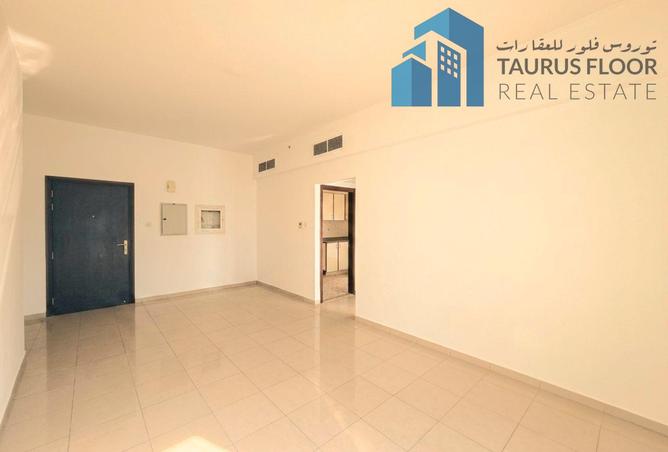
Apartment
Listed 7 days ago
47,999 AED/year
CHEAPEST 1BHK|AL NAHDA 1|GYM|POOL|BALCONY|
Al Rawdha Tower, Al Nahda 1, Al Nahda, Dubai
1
2
721 sqft
-
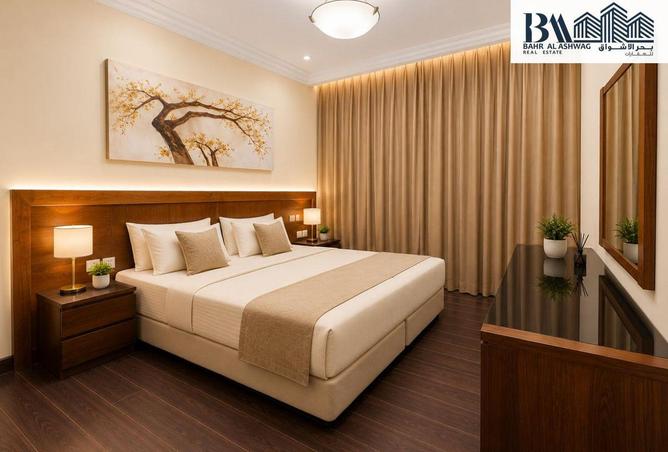
Apartment
Listed 2 months ago
78,000 AED/year
Flexible Payment Elegant 2B/R Apt Chiller Free
Al Nawras Building, Al Nahda 1, Al Nahda, Dubai
2
2
1,163 sqft
-
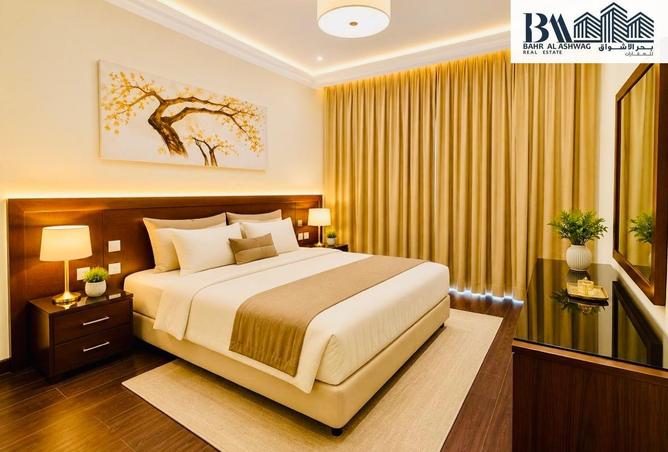
Apartment
Listed 2 days ago
60,000 AED/year
Close Metro | Chiller Free | 1BHK Fully Furnished
Al Nawras Building, Al Nahda 1, Al Nahda, Dubai
1
1
872 sqft
-
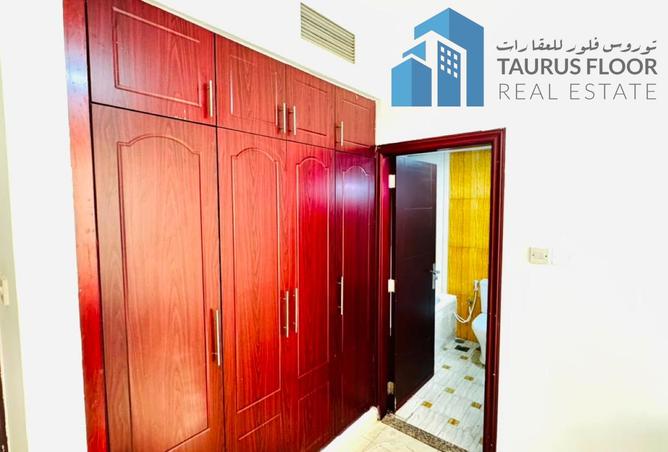
Apartment
Listed 4 weeks ago
47,999 AED/year
1 BR FLAT || 2 BATH || GYM POOL ||
Al Rawdha Tower, Al Nahda 1, Al Nahda, Dubai
1
2
587 sqft
-
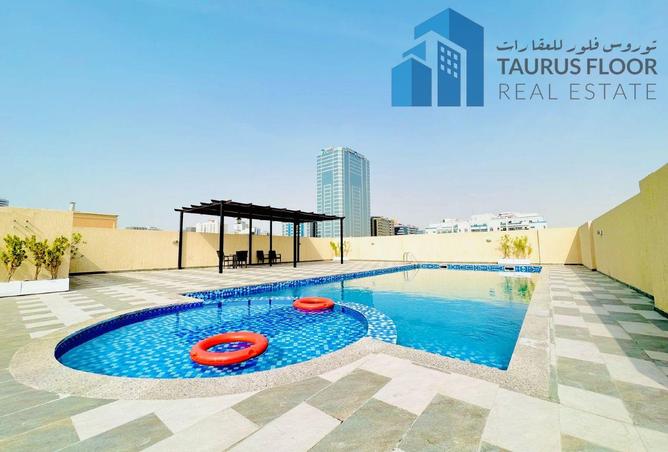
Apartment
Listed 4 weeks ago
35,999 AED/year
Cheapest Studio || Gym Pool || Near Bus Stop ||
Al Salem Tower 2, Al Nahda 1, Al Nahda, Dubai
studio
1
279 sqft
-
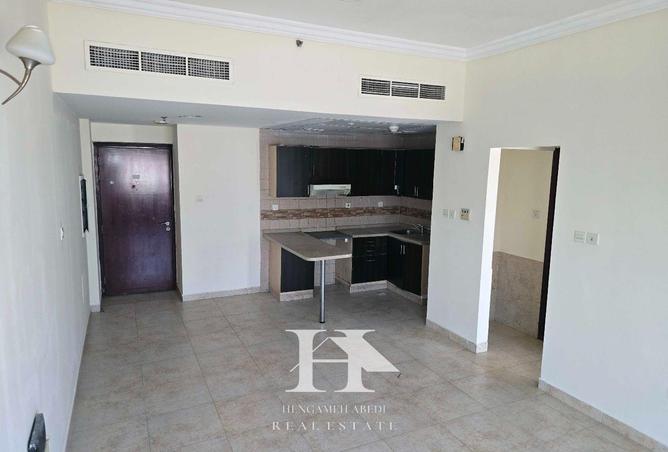
Apartment
Listed 6 days ago
44,000 AED/year
Spacious 1BHK in Al Nahda 2 | Near Park
Al Awar Building, Al Nahda 2, Al Nahda, Dubai
1
1
592 sqft





Where the F23 Bus Route Operates
The F23 operates primarily within Al Nahda 1 and nearby areas, beginning at Stadium Metro Station and ending at Al Nahda Terminus. The route passes through densely populated streets lined with residential towers, small retail outlets, mosques, medical centres, and schools.
This makes it particularly useful for:
- Residents living in mid- and high-rise towers
- Patients visiting nearby clinics
- Students commuting locally
- Metro users transferring into Al Nahda
Because Al Nahda is a high-density residential district, the F23 remains active throughout the day. Unlike routes that serve mostly office areas and peak heavily in the morning and evening, the F23 sees steady passenger flow from early morning until late at night.
The compact nature of the area means most trips are short, often lasting only a few minutes between stops.
Full List of F23 Bus Route Stops
The F23 follows a structured path between its starting and ending points, stopping near buildings that generate regular foot traffic.
Key stops include:
- Stadium Metro Station (Start)
- Al Nahda 1, Burj Al Noor
- Al Nahda 1, Zaafranah
- Al Nahda 1, Burj Al Nahda
- Al Nahda 1, Al Banai
- Masjid Rada
- NMC Hospital
- Al Nahda 1, Mai Tower
- Al Nahda 1, DEWA-2
- Al Nahda Terminus (End)
The full journey typically takes 12–15 minutes under normal traffic conditions. During peak periods, especially near school start times or in the evening near the Sharjah border, travel time may reach 20–25 minutes.
Because the stops are closely spaced, the route is ideal for short local hops rather than long-distance commuting.
F23 Bus Route Timings & Operating Hours
The F23 runs daily, with slight variations depending on the day of the week. Timings are designed to align with metro schedules and standard commuting hours.
First and Last Departure Times
| Day | First Bus | Last Bus |
|---|---|---|
| Sunday–Thursday | 5:30 AM | 11:30 PM |
| Friday | 6:00 AM | Around 12:00 AM |
| Saturday | 5:30 AM | 11:30 PM |
Friday service typically begins slightly later but runs longer into the night. Timings may adjust during Ramadan or public holidays, so checking real-time updates before travelling is always recommended.
Frequency & Total Journey Duration
The F23 bus route runs consistently throughout the day, with shorter waiting times during busy hours.
Frequency:
- Peak hours: Every 10–12 minutes
- Off-peak and weekends: Every 15–30 minutes
Peak demand usually occurs in the morning between 7:00 and 9:00 AM and in the evening between 5:00 and 8:00 PM.
Journey Duration:
- Average trip (Stadium to Al Nahda Terminus): 12–15 minutes
- During heavy traffic: 20–25 minutes
Because the distance covered is relatively short, delays are typically minor unless road congestion increases during school drop-off or peak office hours.
Peak Hours & Traffic Patterns in Al Nahda
Al Nahda’s traffic patterns influence how smoothly the F23 operates. While the route is short, several external factors can affect journey times:
- School drop-off and pick-up hours
- Friday prayer congestion near mosques
- Evening retail activity
- Border traffic from Sharjah
Unlike business districts, Al Nahda experiences movement throughout the day; families, students, healthcare visits and errands create consistent passenger flow rather than sharp peaks limited to office hours.
F23 Bus Route Fare & Payment Rules
The F23 follows Dubai’s standard public transport fare system.
- Single-zone fare: AED 3
- Payment method: NOL card only
- Cash: Not accepted
Passengers transferring from the metro to the F23 using the same NOL card within the permitted transfer window usually benefit from integrated fare rules. This makes the feeder connection either discounted or included, depending on the journey.
Checking the balance of your NOL card and keeping it topped up ensures smooth boarding without delays.
How the F23 Connects to Stadium Metro
Stadium Metro Station acts as the anchor for the F23 route. Many commuters exit the metro and board the feeder to reach residential buildings that would otherwise require 15–20 minutes of walking.
Commuters use the F23 to:
- Travel between Al Nahda towers and Stadium Metro
- Avoid short taxi trips
- Connect to central Dubai via the Green Line
- Complete school and hospital-related trips
For residents without cars, the F23 significantly improves mobility within the district.
F23 vs F23A: What’s the Difference?
While both routes operate between Stadium Metro and Al Nahda, they differ slightly in structure.
| Aspect | F23 | F23A |
|---|---|---|
| Stops | 9–10 stops | 5 main stops |
| Travel Time | 12–15 minutes | Around 15 minutes |
| Route Coverage | Wider residential coverage | More direct, fewer stops |
| Fare | AED 3 | AED 3 |
The F23A serves fewer stops, making it slightly quicker on certain segments. However, the F23 provides broader neighbourhood coverage.
Who Uses the F23 Bus Route Most?

The F23 bus route is heavily community-driven. Unlike feeder routes that mainly serve office districts, this one reflects the rhythm of everyday residential life in Al Nahda.
It is commonly used by:
- Residents living in Al Nahda’s mid- and high-rise towers
- Families managing school drop-offs and short daily errands
- Students commuting between home and nearby institutions
- Workers transferring at Stadium Metro for city-bound travel
- Visitors heading to NMC Hospital and surrounding clinics
- Shoppers travelling to local supermarkets and neighbourhood retail
Because the F23 passes through a primarily residential zone, demand remains steady throughout the day. Movement isn’t limited to typical 9-to-5 office hours. Instead, activity spreads across morning school runs, mid-day appointments, afternoon errands and evening metro returns, making it one of the more consistently used feeder routes in the area.
Pros & Limitations of the F23
Like most feeder services, the F23 bus route is designed with a very specific purpose: short, practical connections within a defined residential zone. It performs well within that scope, but it isn’t meant to function as a long-distance city connector. Understanding both its strengths and constraints helps set realistic expectations, especially for daily commuters.
Advantages
The F23 works best for short internal trips and metro transfers. Its compact route, frequent departures during busy hours, and simple loop structure make it predictable and easy to use for residents moving within Al Nahda.
- Short and predictable route
- Frequent metro connection
- Affordable fare
- Reliable neighbourhood coverage
Limitations
At the same time, the route’s limited coverage means it serves a focused geographic area. It does not provide cross-city access, and during peak periods, buses may reach high occupancy quickly due to strong residential demand.
- Limited cross-district reach
- Traffic sensitivity during peak periods
- Waiting times can extend during off-peak hours
It is a neighbourhood connector, not a city-wide transport solution.
Key Takeaways
The F23 bus route connects Stadium Metro Station (Green Line) with Al Nahda Terminus, providing essential last-mile access across one of Dubai’s busiest residential districts. Buses run frequently during peak hours, with slightly longer gaps during off-peak periods and weekends. A standard one-zone fare of AED 3 applies, payable only via NOL card, and metro-to-feeder transfers within the permitted time window are typically included under Dubai’s integrated fare system.
FAQs
Yes. It operates daily, with slightly later start times on Fridays.
Around 12–15 minutes in normal traffic.
No. Only NOL cards are accepted.
No. It is designed for short neighbourhood connections.
Use the RTA S’hail app or other live transit tracking platforms for real-time updates.
No. Buses can fill up during rush periods.
Yes. Buses are low-floor and wheelchair accessible.