



When evaluating long-term wealth-building strategies, one recurring question dominates investor discussions: why does real estate continue to outperform many other asset classes in the UAE? With strong rental yields, infrastructure-driven capital appreciation, zero property-related taxes, and investor-friendly ownership laws, the UAE property market presents a compelling case for both regional and international investors.
Unlike volatile financial markets, UAE real estate combines tangible asset ownership with the potential for recurring income. The market is supported by strong expatriate demand, diversified economic growth, and regulatory reforms that enhance transparency and investor protection. While risks exist, as with any investment, the long-term fundamentals position property as one of the most balanced and resilient investment options in the country.
In this guide, you’ll find:
- High & Reliable Rental Yields
- Capital Appreciation Over Time
- Tax-Free Environment & Investor-Friendly Laws
- Economic Growth, Demographics & Demand Drivers
- Stability, Inflation Hedging & Tangible Asset Value
- Risks & Considerations
- Comparative Advantage Over Other Investments
- Frequently Asked Questions (FAQs)
High & Reliable Rental Yields

Average gross rental yields in Dubai typically range between 5-9%, depending on the property type and its location within the city. Well-established and high-demand neighbourhoods such as JVC, Business Bay, Dubai Marina and Jumeirah Village Circle tend to sit at the higher end of this range, making them particularly attractive to income-focused investors.
In addition to long-term leasing, short-term rental options such as holiday lets and serviced apartments can significantly boost income, especially in tourist-driven locations during peak seasons. These flexible rental models allow property owners to maximise returns when demand is strongest.
Strong and consistent tenant demand further supports rental performance. An increasing expatriate population continues to drive housing needs across key residential districts, resulting in low vacancy levels in many areas and providing investors with reliable, recurring rental income over the long term.
Explore Apartments for Sale in Jumeirah Village Circle
-
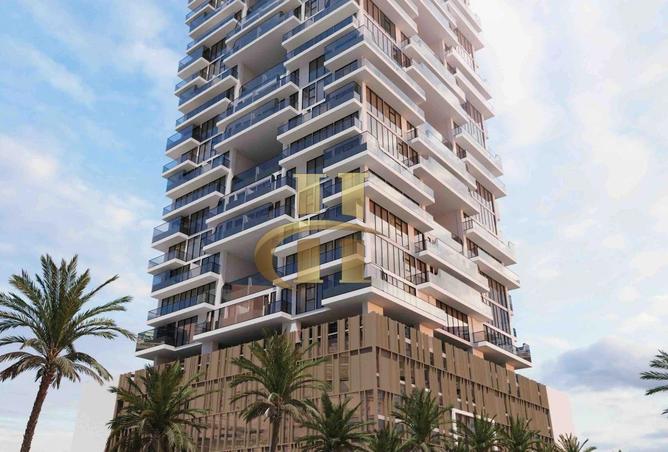

Apartment
Listed 4 months ago
2,214,000 AED
Contemporary Living | World-Class Amenities
Gharbi 2 Residences, District 11, Jumeirah Village Circle, Dubai
2
3
1,628 sqft
-


Apartment
Listed 6 days ago
1,015,000 AED
Investor Deal | Close to Handover | Spacious
Violet Tower, District 14, Jumeirah Village Circle, Dubai
1
1
822 sqft
-


Apartment
Listed 1 month ago
719,999 AED
Luxury Living | Elegant Design I High Floor
Binghatti Apex, District 10, Jumeirah Village Circle, Dubai
studio
1
433 sqft
-
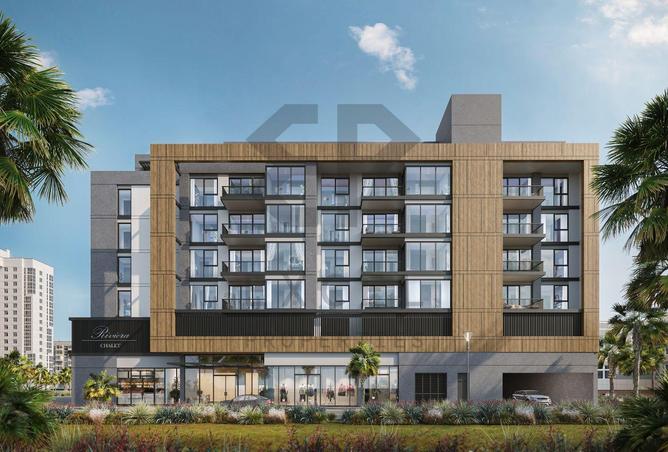
Apartment
Listed 2 weeks ago
1,300,000 AED
Smart Home | Spacious 1BR | Premium Amenities
Riviera Chalet, District 10, Jumeirah Village Circle, Dubai
1
2
931 sqft
-


Apartment
Listed 2 days ago
1,100,000 AED
Top Quality | 25/75 Payment Plan | Handover Soon
Belle Reve by Zimaya, District 15, Jumeirah Village Circle, Dubai
1
2
757 sqft
-

Apartment
Listed 1 week ago
725,000 AED
Pool View Studio | Versace Ceramics | Cash Deal
One Sky Park, District 15, Jumeirah Village Circle, Dubai
studio
1
443 sqft
-


Apartment
Listed 2 days ago
910,000 AED
Smart Home | Modern Unit | Best Deal
Binghatti Nova, District 12, Jumeirah Village Circle, Dubai
1
2
682 sqft
-

Apartment
Listed 2 days ago
1,390,000 AED
Vacant | Corner Unit | Unobstructed View
Binghatti Heights, District 10, Jumeirah Village Circle, Dubai
2
3
1,173 sqft
-

Apartment
Listed 2 days ago
975,000 AED
Smart Home | Modern Unit | Best Location
Binghatti Heights, District 10, Jumeirah Village Circle, Dubai
1
2
634 sqft
-

Apartment
Listed 4 days ago
1,080,000 AED
Best Deal in the Building | Quality Dev | Below OP
Binghatti Phoenix, District 13, Jumeirah Village Circle, Dubai
1
2
797 sqft
Capital Appreciation Over Time
Ongoing infrastructure projects, such as new metro lines, road upgrades, and large mixed-use community developments, play a significant role in increasing property values in surrounding areas. Improved connectivity and enhanced urban planning typically make adjacent neighbourhoods more desirable, driving both demand and long-term price growth.
Luxury properties in exclusive locations also tend to perform strongly across market cycles. High-end homes in prime districts often weather downturns more effectively and appreciate more steadily over time, supported by sustained demand and limited availability in premium segments.
Off-plan or under-construction developments present another opportunity for capital growth. Properties purchased during early development phases frequently demonstrate notable value increases by the time of handover, offering investors the potential for meaningful appreciation over the project lifecycle.
Tax-Free Environment & Investor-Friendly Laws
One of the most compelling advantages for property owners in the UAE is its tax-free structure. There are no property taxes, no capital gains taxes and no income taxes on rental income in most emirates. This allows investors to retain the majority of their returns, aside from transaction-related costs such as transfer fees and service charges.
Foreign investors are also permitted to own freehold properties outright in many designated zones. Full ownership rights provide legal protection, strengthen investor confidence and simplify the buying and selling process.
In addition, Golden Visa programmes offer long-term residency benefits to qualifying property investors. For example, property investments starting at AED 2 million may grant investors and their families renewable long-term residency, adding significant lifestyle and stability advantages to financial returns.
Economic Growth, Demographics & Demand Drivers
Rapid population growth, fuelled by expatriate inflows and high levels of international migration, continues to expand housing demand across the UAE. As professionals relocate for employment and business opportunities, both rental and ownership markets benefit from sustained occupancy and steady demand.
The country’s diversified economy further strengthens long-term property stability. With key sectors such as trade, tourism, finance and technology contributing significantly alongside oil, the UAE is better positioned to remain resilient during energy price fluctuations. This economic diversity supports consistent real estate activity and investor confidence.
In addition, world-class infrastructure, luxury amenities and integrated lifestyle developments enhance overall desirability. Modern communities, high-quality facilities, and strong urban planning make the UAE attractive not only to residents but also to long-term property investors seeking sustainable growth.
Stability, Inflation Hedging & Tangible Asset Value
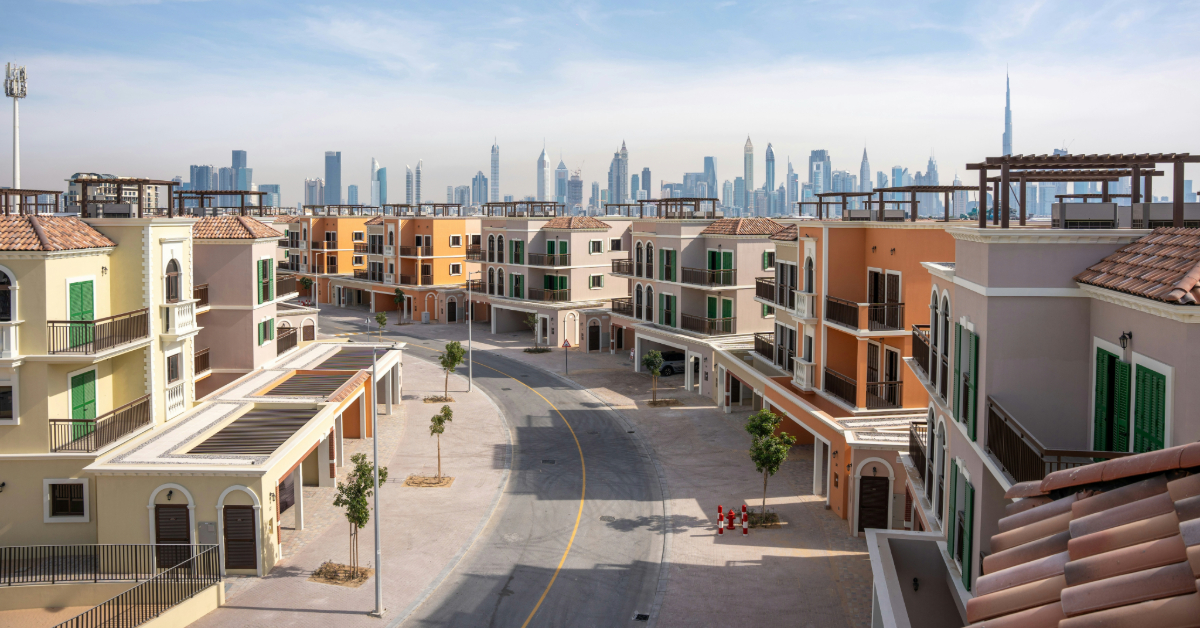
Real estate is a physical and tangible asset, which generally makes it less volatile than stocks and other financial instruments. During market downturns, property often retains intrinsic value more effectively than equities, offering a degree of stability that appeals to long-term investors focused on capital preservation.
Property also acts as a hedge against inflation. As building costs, land values and rental rates rise during inflationary periods, property prices and rental income frequently increase as well. This dynamic allows real estate to maintain and, in many cases, enhance its value over time.
In addition, legal reforms, escrow account requirements and strengthened regulatory oversight have improved transparency and investor protection within the UAE property market. These measures help safeguard investments and reinforce confidence in the sector’s long-term stability.
Risks & Considerations
While the long-term outlook remains strong, the property market can face periods of oversupply in certain districts. A large pipeline of new developments may lead to increased competition, placing downward pressure on property prices or rental yields in affected areas.
Investors must also account for high upfront costs, including down payments, closing fees and agency commissions. In addition, ongoing expenses such as maintenance charges and homeowners’ association (HOA) fees can reduce overall profit margins if not carefully factored into financial planning.
Liquidity is another important consideration. Unlike stocks or bonds, selling real estate takes time. Luxury or niche properties may require even longer transaction periods, making them less flexible options for investors who need quick access to capital.
Comparative Advantage Over Other Investments
When compared to alternative investment options, UAE real estate offers a balanced profile.
| Investment Type | Stability | Return Potential | Liquidity |
|---|---|---|---|
| UAE Real Estate | High – physical asset, regulated market | Rental yields 5-9 %, capital gains boosted by infrastructure | Low to Medium – takes time to sell, but large market demand |
| Stocks/Equities | Variable – crypto is very volatile | Potentially high, but more volatile | High – easily bought/sold on exchanges |
| Fixed Income/Bonds | Moderate – stable incomes but interest rate sensitive | Lower returns, often below real estate yields | High – tradable, though less than stocks at times |
| Alternative Assets (crypto, gold, etc.) | Variable – crypto very volatile | Can get high returns, also high risk | Generally liquid, but may incur regulatory or storage issues |
Key Takeaways
- UAE real estate continues to deliver strong rental yields and consistent income, driven by robust expatriate demand and tourism-focused short-term rentals.
- Long-term capital appreciation is supported by ongoing infrastructure development and sustained demand for luxury properties in prime locations.
- The absence of property, capital gains, and inheritance taxes further enhances net returns, making investments particularly attractive.
- Owning property also provides a tangible asset that offers stability and acts as a hedge against inflation, preserving value even during economic fluctuations.
- Regulatory reforms, escrow systems, and enhanced market transparency have improved investor protection, benefiting both domestic and foreign buyers. However, investors should remain mindful of potential risks, including oversupply in certain areas, high entry and holding costs, and lower liquidity compared to financial instruments.
Frequently Asked Questions (FAQs)
Depending on location, size, and rental yield, many residential properties can recoup their purchase costs through rental income within approximately 10-12 years.
Yes. In designated freehold zones, foreign nationals can own properties outright with a full freehold title.
No. There are generally no property, rental income, or capital gains taxes in most emirates, allowing investors to retain profits beyond transaction and service charges.
Certain areas may see large numbers of new units entering the market, which can reduce rental competition and price growth. Selecting high-demand locations helps mitigate this risk.
Investing above qualifying thresholds, such as AED 2 million, may allow investors to obtain renewable long-term residency under Golden Visa programmes.