



Jebel Ali Port is the largest seaport in the Middle East and one of the world’s busiest man-made deep-sea harbours. Located approximately 35 kilometres southwest of central Dubai, the port is operated by DP World and serves as a major gateway for global trade, logistics, imports, exports, and transshipment. Its strategic position at the crossroads of Asia, Europe, and Africa has helped transform Dubai into a leading maritime and logistics hub by 2026.
In this guide, discover:
- Infrastructure and layout of Jebel Ali Port
- Operational capacity and performance of Jebel Ali Port
- Strategic connectivity and logistics ecosystem of Jebel Ali Port
- Recent developments and innovations at Jebel Ali Port
- Impact and challenges of Jebel Ali Port
- Key takeaways
- FAQs
Infrastructure and layout of Jebel Ali Port
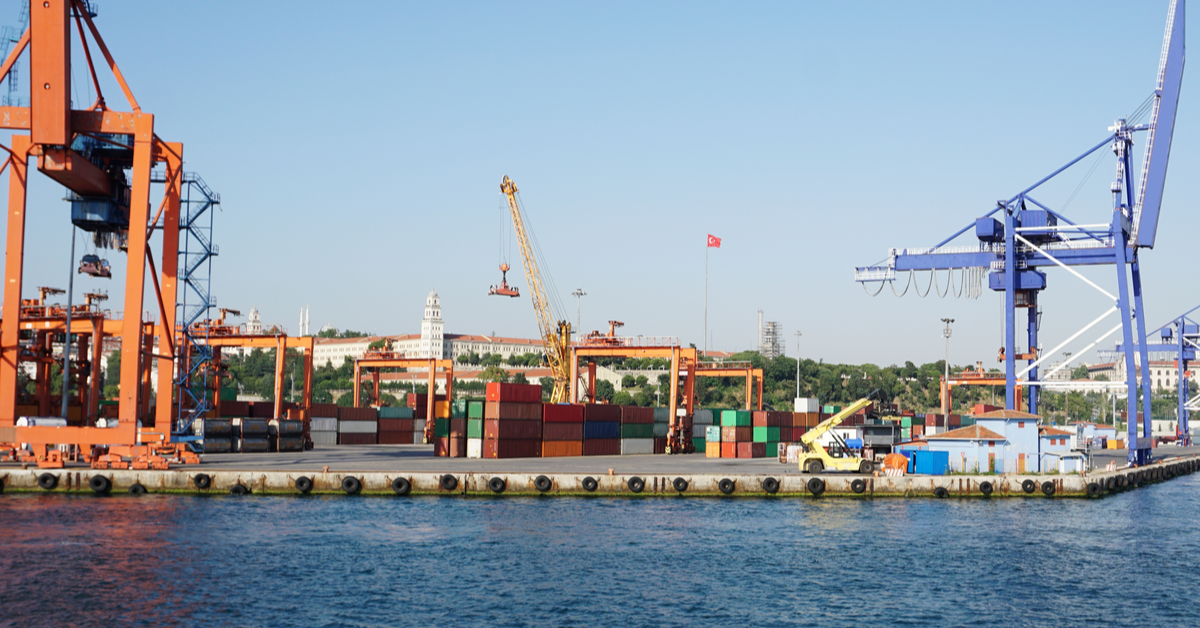
Jebel Ali Port has evolved into a highly advanced logistics ecosystem with large-scale cargo handling facilities, multimodal transport integration, and continuous infrastructure expansion.
Land area and berths
The port spans approximately 134.7 square kilometres and features more than 100 berths designed to accommodate different types of cargo operations. Its total quay length is close to 25 kilometres, allowing simultaneous handling of multiple vessels across terminals.
The surrounding industrial and logistics ecosystem has also expanded rapidly over the years, shaping the wider economy in Jebel Ali.
Depth and vessel accommodation
Jebel Ali is a deep-sea port capable of accommodating Ultra Large Container Vessels (ULCVs) carrying more than 18,000 TEUs. Its advanced channels, turning basins, and berthing infrastructure support some of the largest cargo ships operating globally today.
The port’s connectivity is further strengthened by nearby transport infrastructure. The wider Jebel Ali area is also supported by public transport links, including National Paints Metro Station, formerly Jebel Ali Metro Station, which helps support workforce mobility across nearby industrial and residential zones.
Terminals and special facilities
| Terminal | Capacity (TEU) | Key Features |
| Terminal 1 (T1) | ~9 million | 15 berths, 51 quay cranes, handles refrigerated and general cargo |
| Terminal 2 (T2) | ~6.5 million | 8 berths, eco-friendly operations with lower carbon emissions |
| Terminal 3 (T3) | ~3.8 million | Semi-automated terminal with advanced rail-mounted gantry cranes |
| Terminal 4 (T4) | Planned | Future expansion aimed at increasing overall port capacity |
Location
Jabal Ali Third, Dubai, United Arab Emirates
Supporting facilities and logistics
Jebel Ali Port includes dedicated general cargo terminals for breakbulk, bulk cargo, and Ro-Ro shipments. It also operates a large Container Freight Station spanning roughly 134,343 square metres with covered and open storage zones.
Cold and cool storage facilities support food, pharmaceutical, and perishable cargo, with freezing capabilities reaching nearly –29 °C. DP World has also introduced the automated BOXBAY high-bay storage system to improve storage efficiency without expanding the port’s physical footprint.
The surrounding district continues to support workers and businesses with retail and lifestyle facilities such as the Jebel Ali Mall.
Operational capacity and performance of Jebel Ali Port
Jebel Ali Port consistently ranks among the world’s leading maritime trade hubs due to its large handling capacity and efficient cargo movement systems.
Container throughput
The port’s annual handling capacity stands at approximately 19.4 million TEUs across its terminals. In 2024, Jebel Ali handled nearly 15.5 million TEUs, marking its strongest annual performance since 2015.
The continued growth of logistics, warehousing, and industrial activity has also increased demand for nearby commercial and residential developments, including various properties for sale in Jebel Ali.
Explore the Available Properties for Sale in Jebel Ali
-


Villa
Listed 3 weeks ago
9,500,000 AED
True Corner / With driver / Vastu / Hillside
Jebel Ali Village Villas, Jebel Ali Village, Jebel Ali, Dubai
4
5
6,842 sqft
-
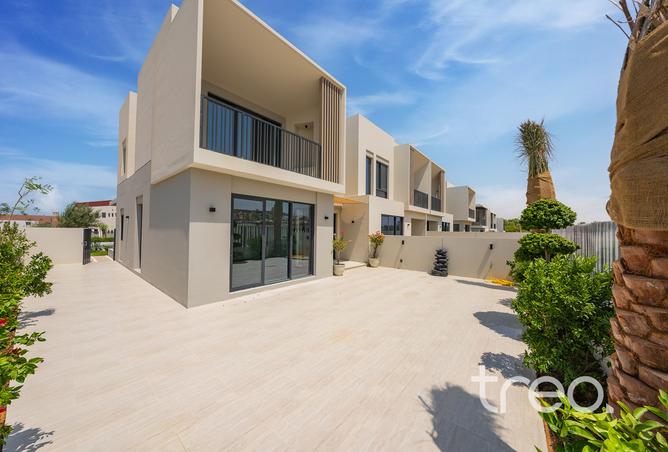

Townhouse
Listed 4 weeks ago
6,300,000 AED
Luxury Landscaping | Large Corner Unit | Exclusive
Jebel Ali Village Townhouses, Jebel Ali Village, Jebel Ali, Dubai
4
5
3,847 sqft
-
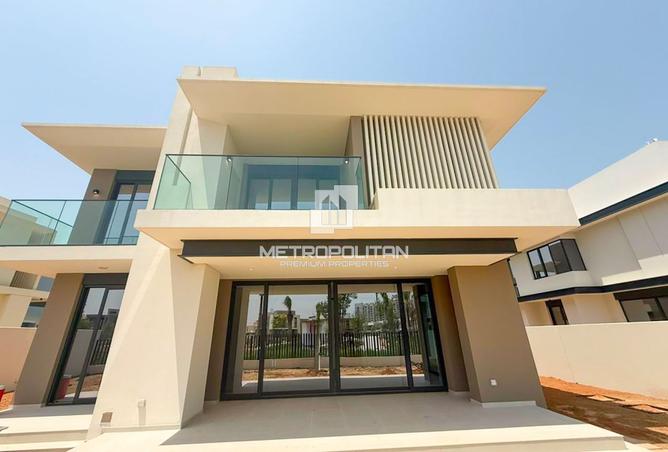

Villa
Listed 1 week ago
9,250,000 AED
Exclusive | Community Living | Area Expert
Jebel Ali Village Villas, Jebel Ali Village, Jebel Ali, Dubai
4
5
7,014 sqft
-
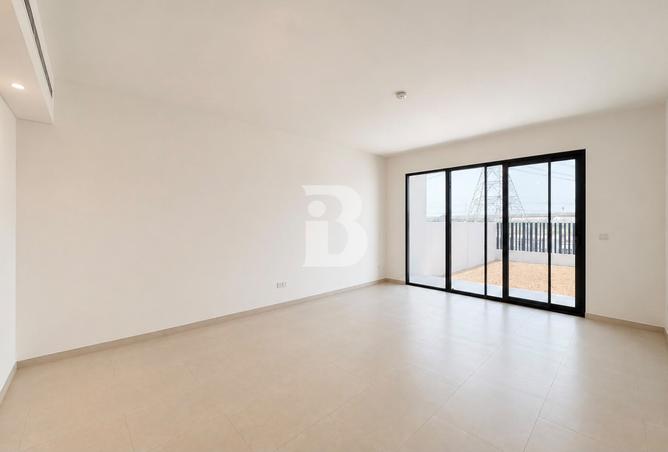
Townhouse
Listed 2 weeks ago
4,850,000 AED
3BR Type 6B1 | Cluster 2B | Internal Location
Jebel Ali Village Townhouses, Jebel Ali Village, Jebel Ali, Dubai
3
4
2,563 sqft
-


Townhouse
Listed 3 weeks ago
5,223,750 AED
BLOOM Townhouse | Original Price | Waterway View
Lunaya, Saih Shuaib 1, Jebel Ali, Dubai
4
6
1,830 sqft
-


Villa
Listed 2 weeks ago
6,903,750 AED
Prime Location | Spacious Layout | No Commission
Lunaya, Saih Shuaib 1, Jebel Ali, Dubai
4
4
2,154 sqft
-


Villa
Listed 3 weeks ago
11,000,000 AED
Contemporary D1 Villa | Expansive Living Spaces
Jebel Ali Village Villas, Jebel Ali Village, Jebel Ali, Dubai
5
6
6,794 sqft
-
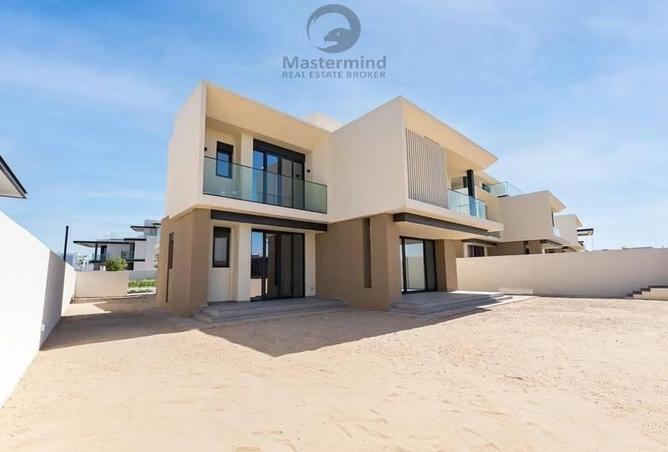
Villa
Listed 3 weeks ago
11,000,000 AED
Exclusive D1 Villa|Expansive Layout |Luxury Living
Jebel Ali Village Villas, Jebel Ali Village, Jebel Ali, Dubai
5
6
6,942 sqft
-


Villa
Listed 1 week ago
12,337,500 AED
Lagoon Facing, High End Finishing, Near Amenities
Lunaya, Saih Shuaib 1, Jebel Ali, Dubai
5
6
5,520 sqft
-
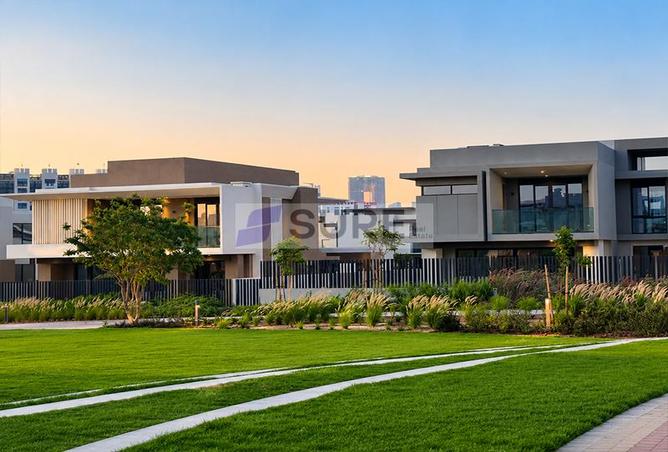
Townhouse
Listed 1 week ago
4,900,000 AED
Cheapest / Internal / Vastu / Single Row
Jebel Ali Village Townhouses, Jebel Ali Village, Jebel Ali, Dubai
3
4
2,609 sqft
For investors and businesses assessing market movement around logistics corridors, Property Finder’s Data Guru helps track real estate pricing trends and rental insights across Dubai communities.
Breakbulk and non-container cargo
In addition to container operations, Jebel Ali handled around 5.4 million metric tonnes of breakbulk cargo in 2024, reflecting a strong year-on-year increase.
The port operates specialised terminals for heavy-lift cargo, Ro-Ro shipments, oversized industrial equipment, and project logistics. These facilities play an important role in supporting construction, manufacturing, and energy projects across the UAE and the wider GCC region.
Strategic connectivity and logistics ecosystem of Jebel Ali Port
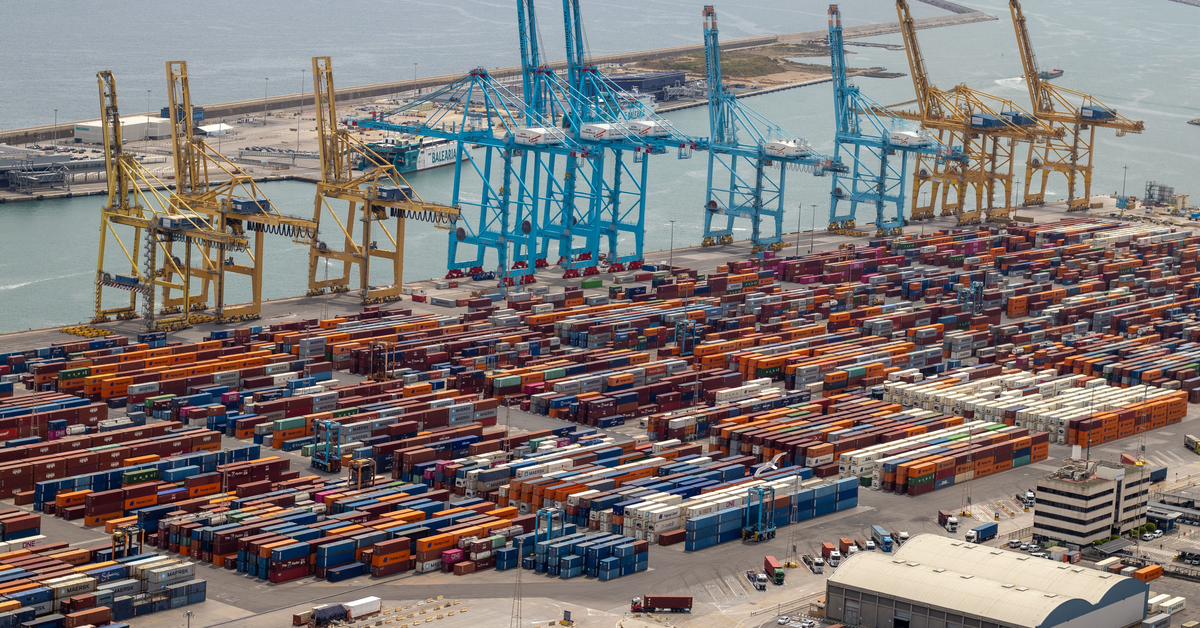
Jebel Ali Port benefits from a highly integrated logistics network connecting sea, road, rail, and air transportation systems.
Transport links such as road, rail, sea
The port’s rail terminal currently supports up to eight daily services connected to the UAE national rail network. Rail-linked cargo capacity stands at around 800,000 TEUs annually, with future plans aiming to increase this to nearly 1.6 million TEUs.
Jebel Ali also benefits from direct highway connectivity and proximity to Al Maktoum International Airport, enabling efficient air-sea logistics operations.
The area’s growing workforce and industrial population have also contributed to the demand discussed in guides focused on living in Jebel Ali.
Global shipping and port reach
Jebel Ali Port serves more than 80 weekly shipping services and connects with approximately 150 to 180 international ports worldwide. Its location makes it a critical maritime gateway linking the Indian Subcontinent, East Asia, Africa, Europe, and the Middle East.
The port’s strategic role also supports re-export operations throughout the GCC and East Africa, reinforcing Dubai’s position as a global trade centre.
Economic and industrial integration
The port is directly linked to Jebel Ali Free Zone (JAFZA), which hosts more than 11,000 companies across logistics, manufacturing, retail, automotive, and industrial sectors.
JAFZA and the port together contribute significantly to Dubai’s non-oil GDP and support the UAE’s broader economic diversification strategy. This ecosystem has encouraged large-scale commercial growth while supporting thousands of jobs across logistics and industrial sectors.
As the district continues to expand, support infrastructure such as healthcare facilities remains important for workers and residents, including services highlighted among the clinics in Jebel Ali.
Property Finder’s SuperAgent feature also helps users identify highly rated real estate professionals when searching for commercial or residential opportunities in major logistics-driven communities like Jebel Ali.
Recent developments and innovations at Jebel Ali Port
Jebel Ali Port continues to invest heavily in automation, sustainability, and smart logistics infrastructure.
One of its most notable innovations is the BOXBAY automated high-bay storage system, designed to maximise storage density while reducing land consumption. DP World has also modernised Terminal 2 operations and expanded rail terminal capabilities to improve cargo movement efficiency.
Sustainability remains a major focus, particularly within Terminal 2, where operational systems have helped reduce carbon emissions by roughly 30 per cent compared to traditional terminal operations. Energy efficiency initiatives and supply chain resilience programmes are also shaping the port’s long-term development strategy.
Impact and challenges of Jebel Ali Port
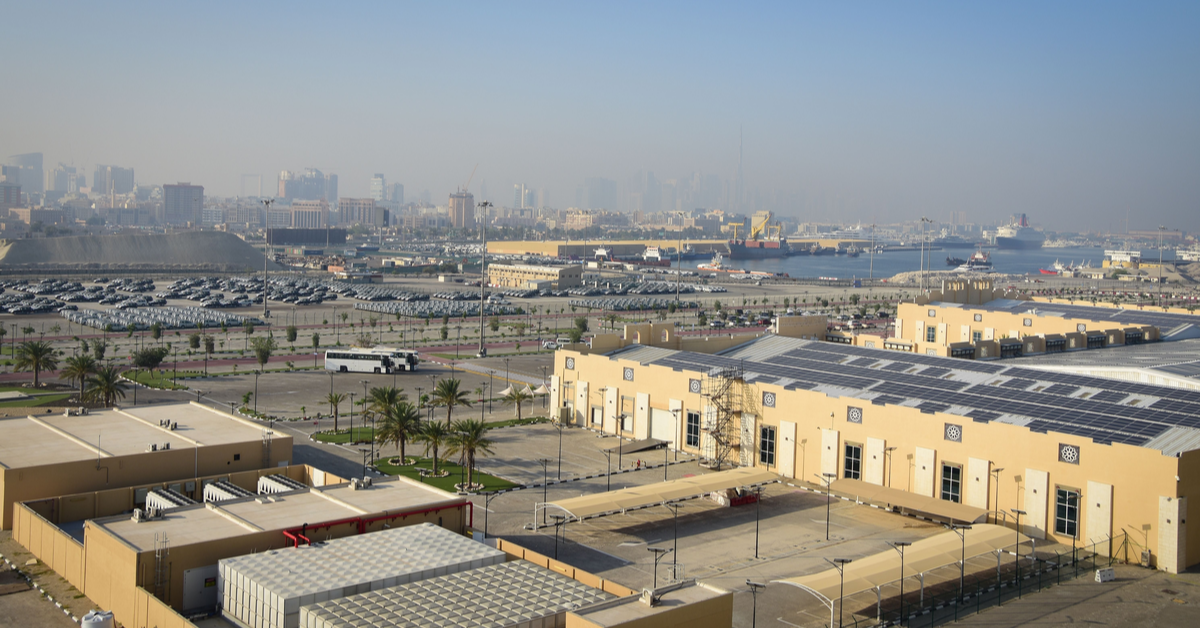
Jebel Ali Port remains one of the UAE’s most important economic assets, though it also faces operational and environmental challenges linked to rapid global trade growth.
Regional and global trade role
The port serves as a major trade gateway between Asia, Africa, Europe, and the Middle East. Cargo volumes remain closely connected to manufacturing and trade demand from Asian markets and the Indian Subcontinent.
Jebel Ali has also played a major role in helping Dubai reduce dependence on oil revenues by strengthening logistics, trade, manufacturing, and industrial sectors.
Constraints and future risk areas
Despite its scale, the port faces land constraints that require more efficient space utilisation through automation systems like BOXBAY.
Global supply chain disruptions, including Red Sea shipping risks, have also increased the importance of multimodal transport resilience and cargo diversification strategies. Environmental sustainability remains another major challenge, particularly regarding energy consumption, emissions management, and resource efficiency.
Key takeaways
Jebel Ali Port is one of the world’s leading maritime and logistics hubs, with a handling capacity of approximately 19.4 million TEUs and more than 15 million TEUs processed in 2024. The port combines large-scale container operations, breakbulk facilities, rail integration, and advanced automation systems to support global trade. Its close relationship with JAFZA strengthens Dubai’s industrial economy, while ongoing investments in sustainability and smart logistics continue shaping its future growth.
FAQs
Jebel Ali Port has an annual container handling capacity of approximately 19.4 million TEUs across its four terminals.
Around 12,000 companies operate within Jebel Ali Free Zone and related logistics and industrial sectors connected to the port.
The port operates an active rail terminal linked to the UAE national rail network, currently supporting around eight daily train services and approximately 800,000 TEUs in annual rail-linked capacity.
Major innovations include the BOXBAY automated high-bay storage system, rail terminal upgrades, Terminal 2 operational modernisation, and sustainability-focused infrastructure improvements.
Key challenges include land constraints, environmental sustainability requirements, supply chain disruptions, and the need to maintain operational resilience amid growing global trade demand.
Jebel Ali Port continues to strengthen Dubai’s position as a global logistics and trade powerhouse through advanced infrastructure and multimodal connectivity. Its ongoing investments in automation, sustainability, and expansion are expected to play a major role in shaping the UAE’s future supply chain ecosystem.