



If you want to experience coastal culture at its most authentic, the Ajman fish market is the place to start. More than a simple seafood marketplace, it is a working hub where fishermen, traders, and families gather daily. From early morning auctions to evening strolls filled with energy, the market reflects the rhythm of life in Ajman.
Set along Ajman Corniche in the Al Rashidiya area, near Ajman Port and the Central Bus Station, the market sits in a strategic coastal location. Boats arrive with the day’s catch, traders inspect quality on the spot, and buyers move quickly when premium fish appear. The result is a dynamic experience that feels far removed from the supermarket aisles.
- What Is Ajman Fish Market?
- Best Times to Visit Ajman Fish Market
- Market Timings and Schedule
- What to Expect: A Sensory and Cultural Experience
- Top Tips for Traders and Visitors
- Nearby Amenities and Ways to Extend Your Visit
- What Fish and Seafood You Will Usually Find
- Hygiene, Safety, and Regulations
- Best Times to Visit
- Key Takeaways
- FAQs
What Is Ajman Fish Market?
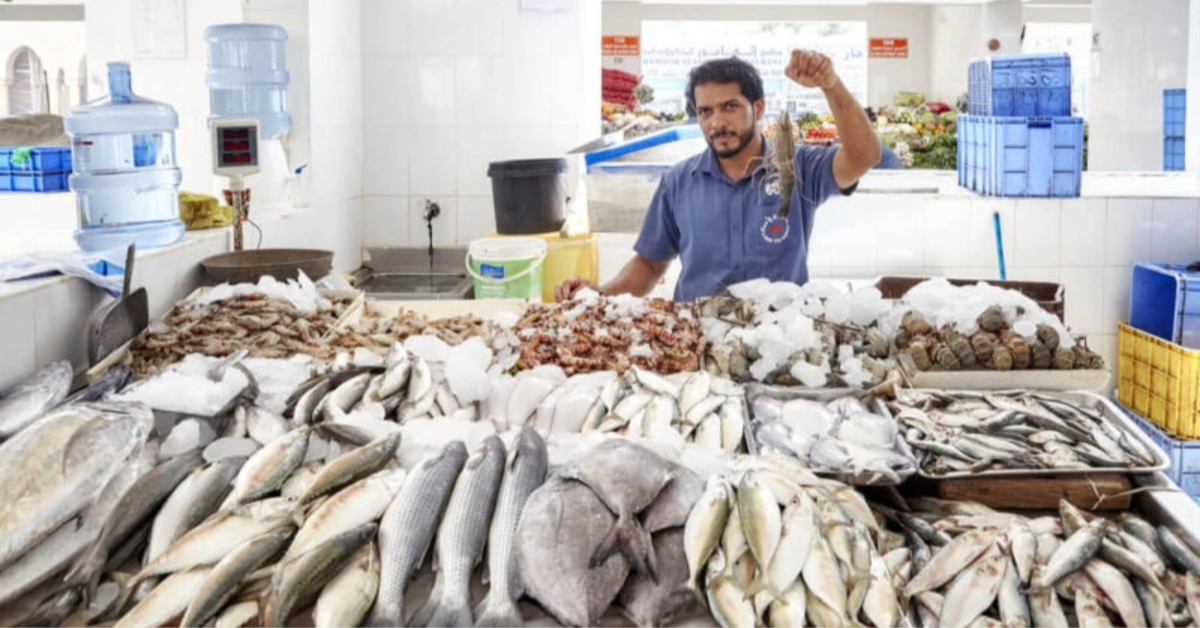
Ajman fish market is a traditional seafood marketplace where local fishermen bring fresh catches directly from the Arabian Gulf. It combines wholesale and retail activity under one roof. Early in the morning, auctions take place as buyers compete for the best fish. Soon after, stalls open for individual shoppers.
The market showcases Emirati fishing heritage. Generations of fishing families still operate here, maintaining practices passed down over decades. At the same time, modern upgrades have improved hygiene and organisation, creating a cleaner and more structured environment.
While seafood is the main attraction, you will also find shrimp, crab, lobster, and squid displayed on ice. Some vendors sell dried fish, spices, herbs, and occasionally fruits or vegetables. Cleaning stations operate onsite, offering descaling, gutting, and filleting services for a small fee.
For visitors exploring the emirate, the market provides insight into local life beyond residential communities and waterfront developments. If you are researching neighbourhoods or properties in Ajman, platforms like Property Finder connect you with licensed real estate agents and developers across the UAE, helping you explore communities near landmarks such as the fish market.
Explore the Available Properties for Rent in Ajman
-

Apartment
Listed 3 weeks ago
40,000 AED/year
2 BR Apartment with Landmark View, 1606 Sqft
Al Ameera Village, Ajman
2
3
1,606 sqft
-
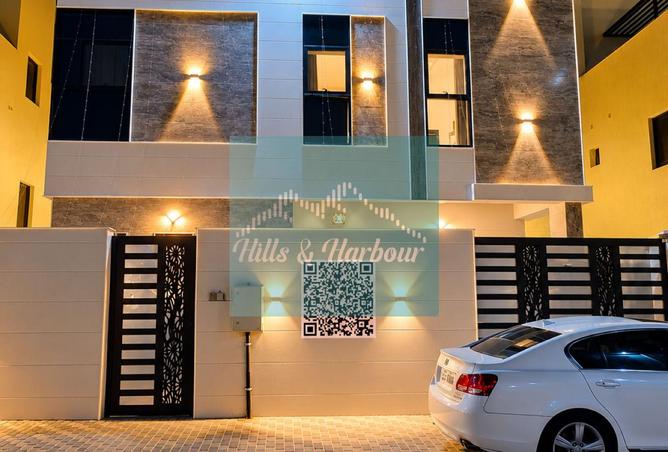
Villa
Listed 1 week ago
125,000 AED/year
5 BR Villa fully furnished in Al Helio2
Al Helio 2, Al Helio, Ajman
5
7
3,014 sqft
-
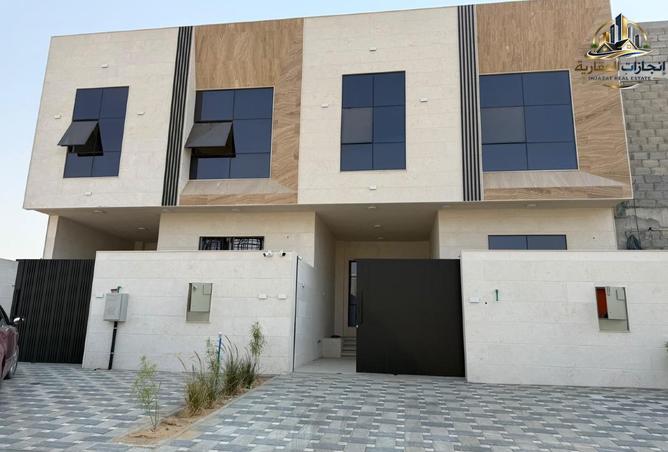

Townhouse
Listed 1 day ago
95,000 AED/year
5 BR Townhouse with Private Garden in Al Zahya
Al Zaheya Gardens, Al Zahya, Ajman
5
7
1,722 sqft
-
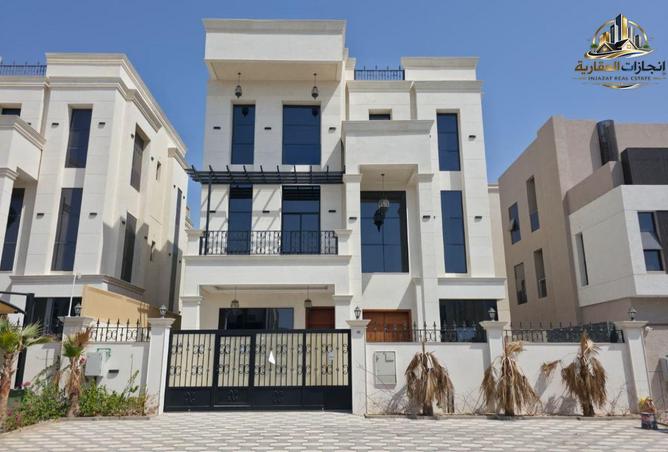
Villa
Listed 1 day ago
130,000 AED/year
5 BR Villa with Private Pool in Al Zahya
Al Zaheya Gardens, Al Zahya, Ajman
5
7
3,014 sqft
-
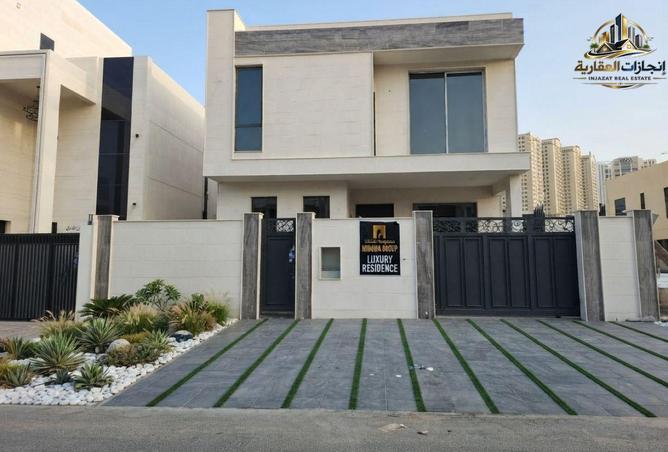
Villa
Listed 5 days ago
105,000 AED/year
5 BR Villa with Private Garden and 5 Parking Slots
Al Aamra Gardens, Al Amerah, Ajman
5
7
3,014 sqft
-
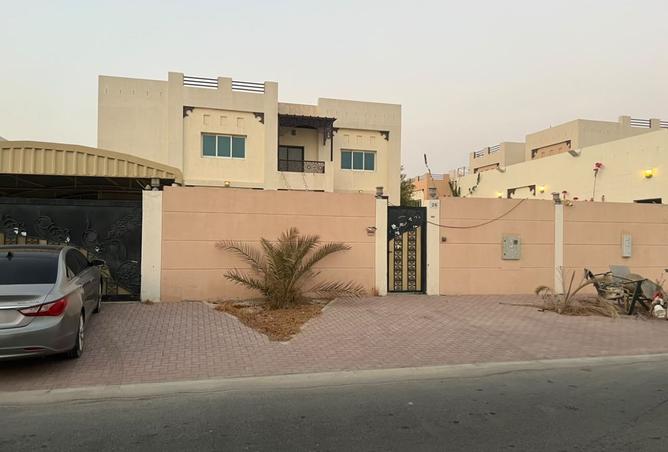
Villa
Listed 1 day ago
130,000 AED/year
Villa for rent, 8,000 sq. ft., in Al Raqaib area,
Al Raqaib 1, Al Raqaib, Ajman
4
7
8,072 sqft
-
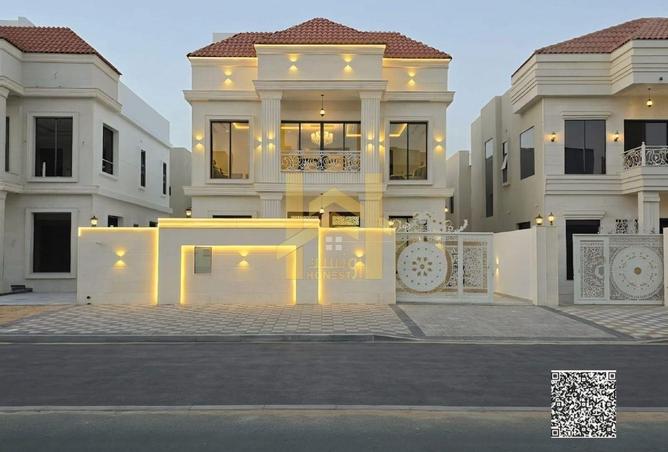
Villa
Listed 1 week ago
120,000 AED/year
Luxury villa for rent, close to amenities, large f
Kabbali Hills, Al Helio 2, Al Helio, Ajman
5
7
3,014 sqft
-
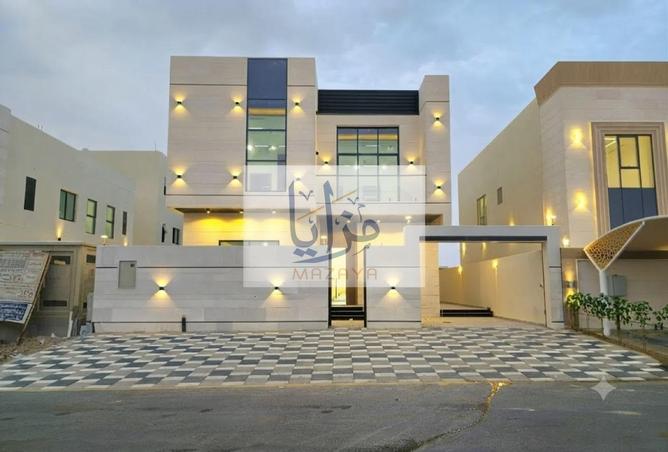
Villa
Listed 1 week ago
125,000 AED/year
Your dream home for rent – luxury finishes, prim
Kabbali Hills, Al Helio 2, Al Helio, Ajman
5
7
3,014 sqft
-

Villa
Listed 5 days ago
120,000 AED/year
For rent is a brighter community,Alamrah,
Kabbali Hills, Al Helio 2, Al Helio, Ajman
5
7
3,000 sqft
-
Villa
Listed 2 weeks ago
120,000 AED/year
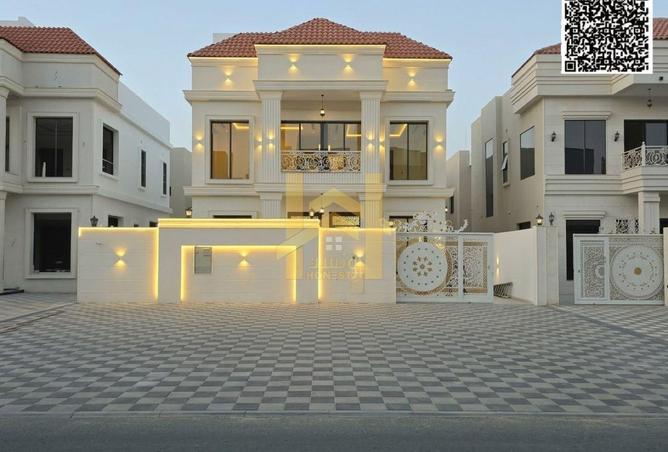
Classic villa for rent, 5 bedrooms, two floors and
Al Helio 1, Al Helio, Ajman
5
7
3,014 sqft







Best Times to Visit
Timing plays a major role in shaping your experience at the Ajman fish market. Early morning, between 5:00 AM and 9:00 AM, is widely considered the best time to visit. This is when the freshest catch arrives, and auctions take place. Buyers looking for top-quality hammour or kingfish arrive before sunrise. The atmosphere feels focused and fast-paced.
Midday, between 12:00 PM and 2:00 PM, offers a slower pace. Some vendors may provide small discounts to clear remaining stock before the afternoon closure. The selection may not be as wide as in the morning, but the reduced crowds make browsing easier.
The evening session, from 5:00 PM to 10:00 PM, brings renewed energy. Around 6:00 PM, activity increases again as shoppers return after work. Food stalls nearby become busier, and the market feels more social. While the best fish may already be sold, the vibe is lively and engaging.
Weekdays, especially Monday through Thursday, are generally quieter. Fridays and weekends attract more families and tourists, creating a vibrant yet crowded environment. Prayer times on Fridays can also affect peak activity hours.
Market Timings and Schedule

Ajman fish market typically operates daily from 7:00 AM to 1:30 PM. It closes during the afternoon break and reopens from 5:00 PM to 10:00 PM. Auctions often begin earlier, around 5:00 or 6:00 AM, before retail stalls fully open.
The market remains open throughout the week, including weekends. On major public holidays such as Eid or National Day, operating hours may vary slightly.
If you want access to the widest variety, arrive before 8:00 AM. For a relaxed visit focused on atmosphere rather than selection, the evening hours are ideal.
What to Expect: A Sensory and Cultural Experience
Visiting the Ajman fish market engages all your senses. Visually, rows of fish rest on crushed ice, their scales reflecting overhead lights. Large kingfish lie beside smaller sheri and colourful Sultan Ibrahim. Crates of shrimp and crab add texture and variety to the display.
The soundscape is equally intense. Vendors call out prices. Buyers negotiate. Auctioneers speak rapidly as bids move from one trader to another. Conversations happen in Arabic, English, and other languages, reflecting the diversity of the UAE.
The scent of the sea lingers in the air. Fresh ocean notes mix with fish oils and the faint aroma of spices from nearby food stalls. It can feel overwhelming at first, especially for new visitors, but it quickly becomes part of the experience.
Despite the strong sensory elements, the market has seen improvements in hygiene standards. Tiled counters, organised drainage systems, and routine cleaning have made the environment more structured and controlled than many traditional markets elsewhere in the region.
Top Tips for Traders and Visitors
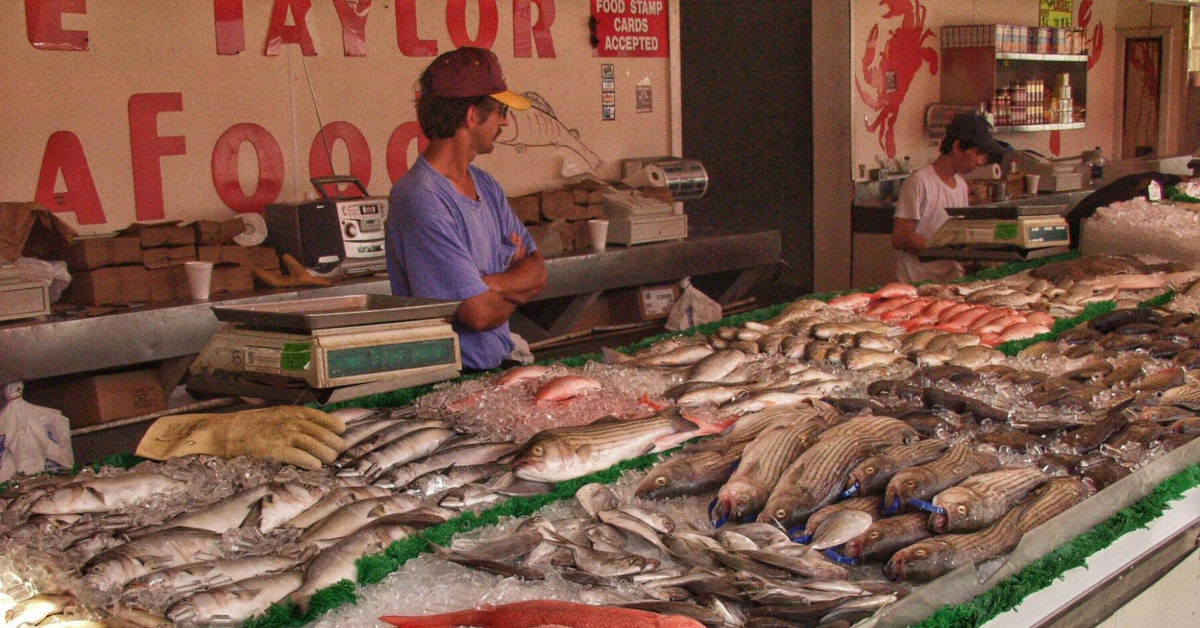
If freshness is your priority, arrive at first light. Look for fish with clear, shiny eyes, bright red gills, and firm flesh. Avoid any stall with a strong, unpleasant odour.
Bargaining is part of the culture. Bring cash in small denominations and compare prices across stalls before committing. Negotiation should always remain polite and respectful.
Take advantage of the cleaning services. For a small fee, staff will descale, gut, and fillet your purchase. This service saves time and makes transport easier.
If you plan to travel far after your visit, bring an insulated cooler bag. Ice is available, but keeping seafood cold is essential, especially during warmer months.
Wear comfortable, non-slip footwear. Floors can become wet from melting ice and regular washing. Dress modestly and prepare for a working market environment rather than a polished retail mall.
Communication is usually straightforward. Many vendors speak basic English. Showing photos on your phone can help if you are unsure about species names.
Nearby Amenities and Ways to Extend Your Visit
After exploring the market, consider walking along Ajman Corniche. The waterfront promenade offers open views, sea breezes, and a relaxed setting that contrasts with the busy market.
You can also visit the Ajman Museum to learn more about the emirate’s history, including its maritime heritage.
Restaurants near the market often cook your fresh seafood for a service fee. You can request grilling or frying with your preferred spices. This adds a rewarding finish to your visit.
Facilities at the market include parking areas, restrooms, and ATM machines, making it accessible for both quick visits and longer stays.
What Fish and Seafood You Will Usually Find
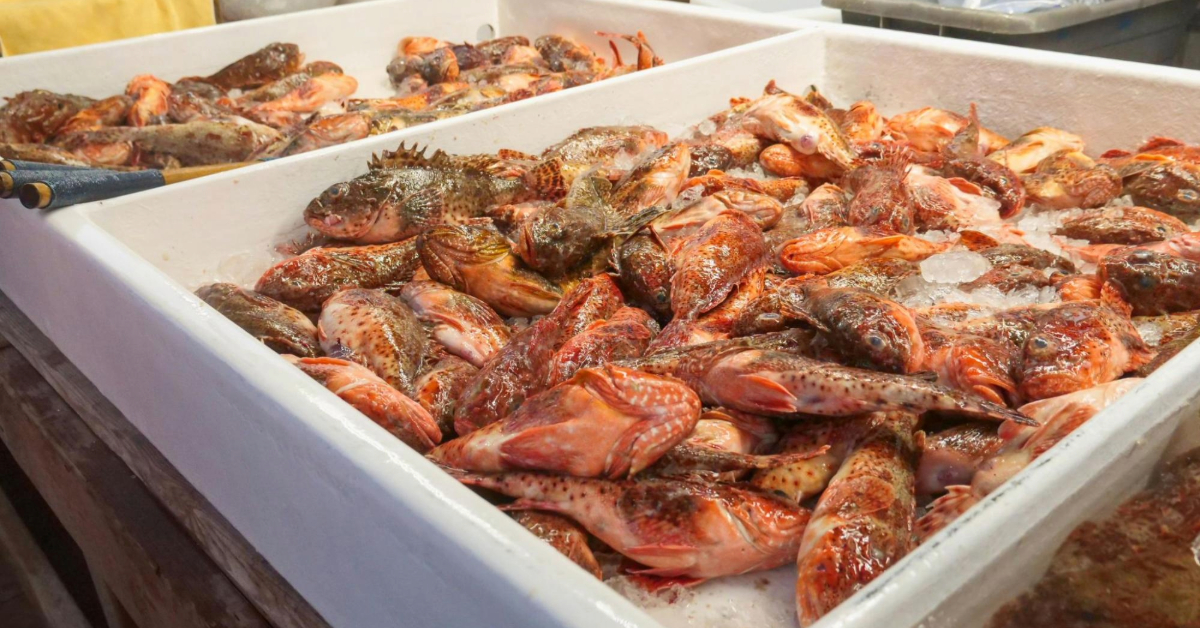
The variety at the Ajman fish market depends on the season, weather conditions, and fishing cycles. Popular local species include hammour (grouper), kingfish, sheri (emperor), and Sultan Ibrahim (goatfish).
Shellfish options typically include shrimp, prawns, crab, lobster, and squid. Occasionally, imported varieties such as salmon appear at selected stalls.
Some vendors also sell dried fish, spices, and herbs. This diversity reflects both local supply and community demand.
Hygiene, Safety, and Regulations
Hygiene standards have improved significantly in recent years. Vendors typically wear gloves, and fish are preserved on ice throughout the day. Waste disposal systems help maintain cleanliness.
Still, personal inspection remains important. Avoid stalls that appear poorly maintained. Check fish carefully before purchase and ensure it remains chilled during transport.
If handled properly, seafood from the Ajman fish market can offer both freshness and value compared to many retail outlets.
Best Times to Visit
| Time | Advantages | Disadvantages |
| 5:00 AM–8:00 AM | Freshest catch, auctions, best variety | Very early start |
| 8:00 AM–12:00 PM | Good selection, more stalls open | Busier, warmer |
| 12:00 PM–3:00 PM | Potential bargains, quieter | Reduced variety |
| 5:00 PM–10:00 PM | Lively atmosphere, evening activity | Top catches may be gone |
Key Takeaways
Ajman fish market offers the most rewarding experience in the early morning, particularly between 5:00 and 8:00 AM when auctions take place and variety is at its peak. The market operates daily from 7:00 AM to 1:30 PM and again from 5:00 PM to 10:00 PM, with auction activity often starting earlier at dawn. Weekdays provide a calmer visit, while weekends bring more energy and larger crowds. Bargaining is expected, freshness checks are essential, and on-site cleaning services add convenience. Prepare for strong sensory impressions, wear proper footwear, and plan your timing carefully to enjoy the full experience of this authentic coastal marketplace.
FAQs
It generally operates from 7:00 AM to 1:30 PM, then reopens from 5:00 PM to 10:00 PM daily.
Yes. After purchasing seafood, you can use on-site cleaning services and visit nearby restaurants that cook your selection for a fee.
Hammour, kingfish, sheri, prawns, crab, squid, and other seasonal varieties are typically available.
Prices are often competitive due to direct sourcing from fishermen. Bargaining is common, especially for larger quantities.
Look for clear eyes, red gills, firm texture, and a mild ocean scent. Use cleaning services and keep your purchase chilled during transport.