



The Rain Room, created by the renowned art collective Random International, made its Middle East debut in Sharjah as part of the Sharjah Art Foundation’s permanent collection. Located in the Al Majarrah district, this groundbreaking installation opened in May 2018 and became the first in a planned series of artist-designed permanent spaces in the emirate.
Today, it offers visitors an unforgettable immersive experience, allowing them to walk through continuous rainfall without getting wet, while showcasing the powerful interplay between art, technology, and nature. Let’s take a closer look at this remarkable installation.
In this guide, you’ll find:
- What is a Rain Room?
- Location
- Transportation
- The Technology Behind the Installation
- Rain Room’s Global Exhibition History
- Rain Room in Sharjah – The Permanent Installation
- The Artistic Vision and Significance
- Why Rain Room Matters
- The Visitor Experience
- Sharjah Art Foundation Rain Tickets
- Key takeaways
- Frequently Asked Questions (FAQs)
What is a Rain Room?
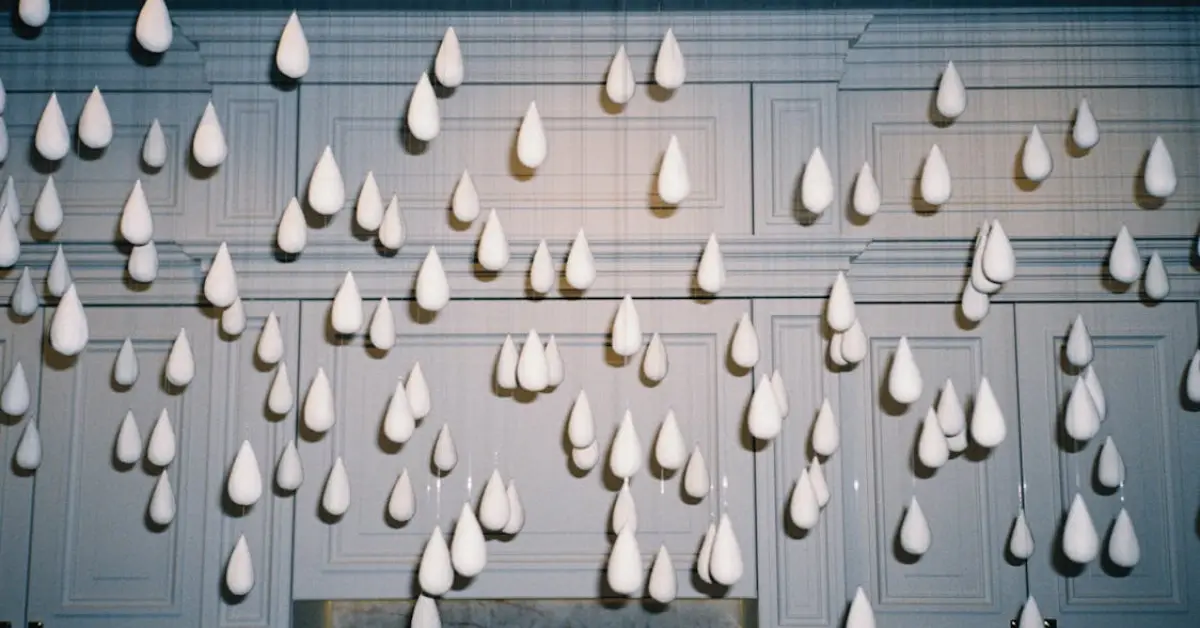
Rain Room is a groundbreaking experiential artwork first created in 2012 by Hannes Koch and Florian Ortkrass of Random International, the London- and Berlin-based art collective established in 2005. This installation allows visitors to move through a continuous rainfall without getting wet, offering a deeply immersive and interactive encounter that redefines how we perceive technology, nature, and human behaviour.
Sharjah Rain Room location
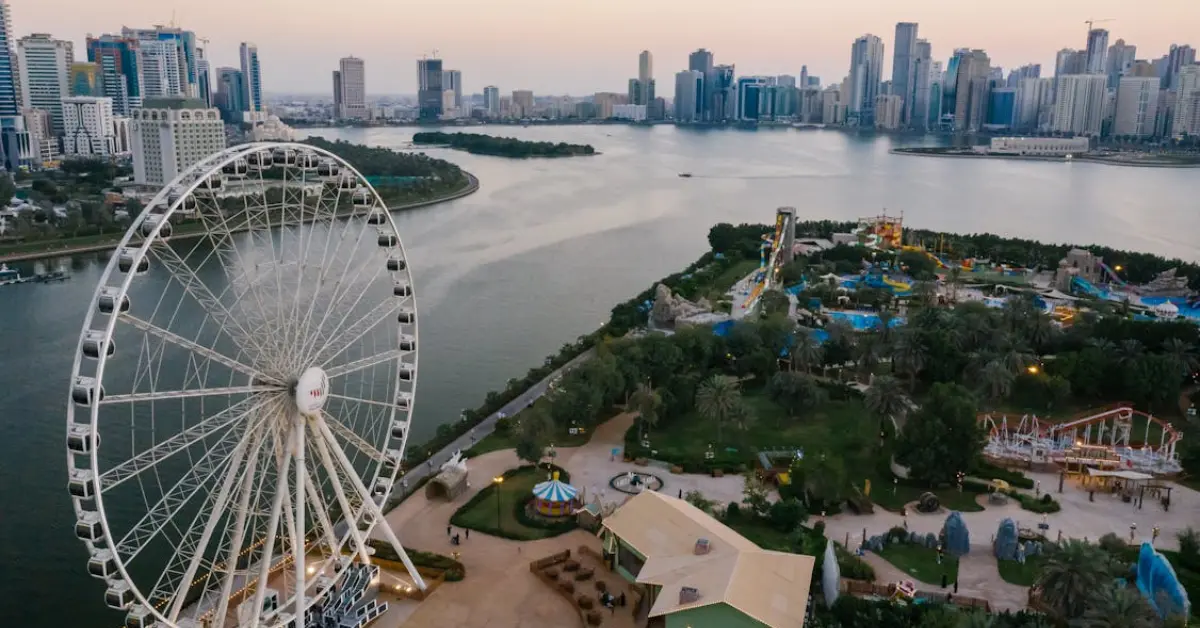
It is located in Al Majarrah Park, Sharjah
Transportation

Reaching this one-of-a-kind art installation in Sharjah is simple and hassle-free. Along with taking a taxi or booking an Uber, you can also use public transport; several buses pass through the Al Sharq area. Nearby bus stops include:
- Al Sharq Street – Kuwaiti Mosque
- Al Sharq Street – Al Hamra Cinema
The Technology Behind the Installation
Step inside, and you’ll find that the magic of the Rain Room is rooted in cutting-edge engineering working silently behind the scenes.
How It Works
The Rain Room operates using an advanced system of sensors and water controls that create its signature interactive experience. Here’s how the technology comes together:
Motion Detection
A network of 3D tracking cameras installed across the ceiling continuously monitors visitors as they move through the space.
Water Control
When movement is detected, the system instantly signals specific groups of water nozzles to stop the rainfall, forming a dry zone of about six feet around each visitor.
Water Recycling
The installation uses approximately 2,500 litres of self-cleaning recycled water, making it both efficient and environmentally sustainable.
Darkened Environment
Set within a dimly lit space, the atmosphere heightens the sensory effect and transforms visitors into active participants in this blend of art, technology, and nature.
Environmental Considerations
Though the Rain Room uses a substantial amount of water, it is built with sustainability at its core. The installation operates on roughly 1,200 – 2,500 litres of fully recycled, self-cleaning water, significantly less than what’s needed to produce a single fast-food hamburger. Its purpose-built facility is also energy-efficient, proving that large-scale art installations can be both impactful and environmentally responsible.
Rain Room’s Global Exhibition History
Before settling permanently in Sharjah, Rain Room was showcased at some of the world’s most renowned cultural institutions:
| Year | Location | Institution | Duration |
|---|---|---|---|
| 2012 | London, UK | Barbican Centre | Debut exhibition |
| 2013 | New York, USA | MoMA (Museum of Modern Art) | Major exhibition |
| 2015 | Shanghai, China | Yuz Museum | Asian premiere |
| 2015-2017 | Los Angeles, USA | LACMA | Extended exhibition |
| 2019 | Busan, South Korea | MoCA Busan | Asian tour |
| 2018-Present | Sharjah, UAE | Sharjah Art Foundation | Permanent installation |
Rain Room in Sharjah – The Permanent Installation
In May 2018, Rain Room reached a major milestone by opening as the world’s first permanent installation of this iconic artwork. The inauguration was attended by Sheikh Sultan Bin Mohammad Al Qasimi, Ruler of Sharjah, and Shaikha Hoor Bint Sultan Al Qasimi, President of the Sharjah Art Foundation.
The development of the Sharjah installation took five years, with Random International’s co-founders dedicating this time to refining the engineering and architectural aspects necessary for a permanent setup.
Facility Details
Rain Room is housed in a purpose-built visitor centre in the Al Majarrah district of Sharjah, directly opposite Lulu Hypermarket. Key details of the facility include:
- Size: Nearly 16,000 square feet of dedicated exhibition space
- Capacity: Up to six visitors per session
- Duration: 15-minute immersive experience
- Design Collaboration: Developed by the Sharjah Art Foundation in partnership with UAE-based SpaceContinuum Design Studio and Shape Architecture Practice + Research
Visiting Information
| Details | Information |
|---|---|
| Address | Sharjah Art Foundation, Al Majarrah, Al Sharq, Sharjah (opposite Lulu Hypermarket) |
| Opening Hours (Sat-Thu) | 9:00 AM – 9:00 PM |
| Opening Hours (Friday) | 4:00 PM – 10:00 PM |
| Contact | +971-06-561-0095 |
| Booking | Tickets sold online for scheduled visits |
| Admission | Dhs25 for adults[6] |
| Website | sharjahart.org |
The Artistic Vision and Significance
- Random International’s Philosophy
Random International, the visionary collective behind Rain Room, investigates the human condition in an increasingly mechanised world through experiences that are both emotionally resonant and physically engaging. Founded in 2005, the group works across sculpture, performance, and large-scale architectural installations to spark meaningful dialogue about technology’s role in contemporary life.
Co-founders Hannes Koch and Florian Ortkrass expressed their appreciation for Rain Room’s permanent home in Sharjah:
“That Rain Room has found a permanent home at Sharjah Art Foundation is a humbling thought. The organisation is unparalleled in its approach to art, exhibition-making, and engagement with the wider public.”
- Themes and Concepts
Rain Room explores several interwoven themes that resonate with modern audiences:
- Human-Technology Relationship: The installation reflects how interactions with nature and each other are increasingly shaped by technology.
- Automation and Mechanisation: It prompts reflection on automation’s growing influence in daily life.
- Interactive Performance: Visitors become active participants, making each experience unique and unrepeatable.
- Sensory Immersion: A combination of visual, auditory, and tactile elements creates a fully immersive environment.
Why Rain Room Matters
- A Desert Oasis of Contemporary Art
Rain Room holds a unique place in Sharjah’s cultural landscape. In a desert where rainfall is rare, the installation offers a serene and cathartic experience, allowing visitors to stand amid a gentle downpour without getting wet. This striking contrast between the natural environment and the immersive experience adds special significance to the artwork in the UAE context.
- Cultural Impact
Since opening, Rain Room has become one of Sharjah’s most celebrated attractions, drawing both residents and tourists alike. As part of the Sharjah Art Foundation Collection, it marks the first of a series of permanent, artist-designed spaces planned for the emirate. Visitors frequently cite the Rain Room as one of the city’s must-see experiences, as it seamlessly combines art, technology, and nature. The installation has also helped position Sharjah as a leading destination for contemporary art on the global stage.
The Visitor Experience
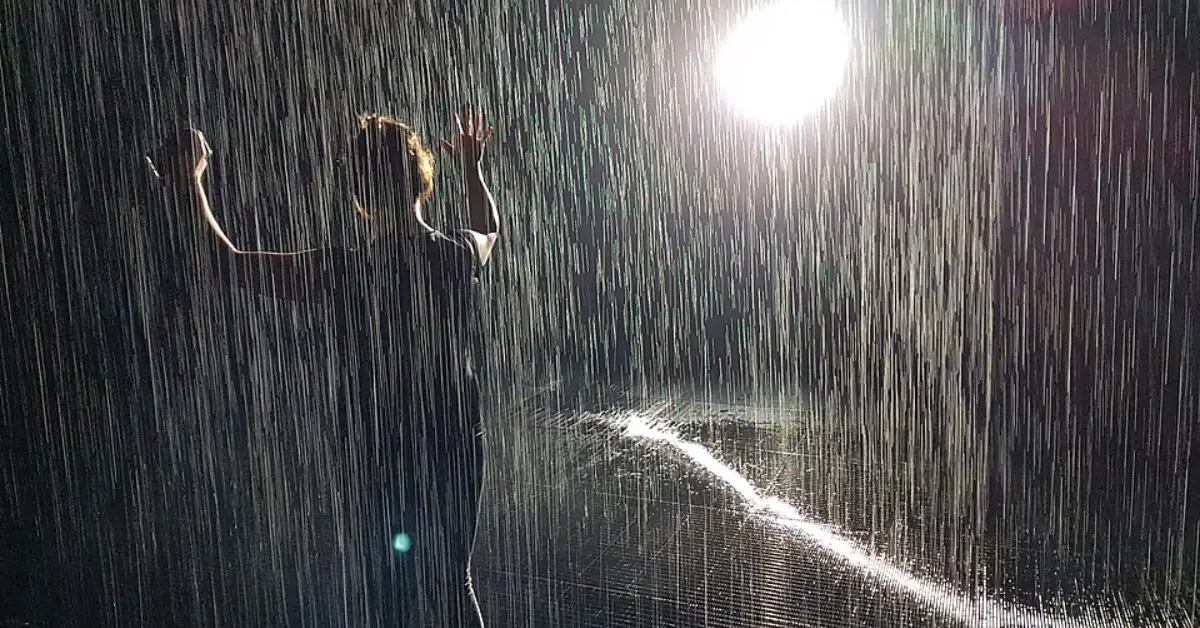
Visitors to the Rain Room are in for a truly multi-sensory experience. Upon entering the dimly lit space, guests will encounter:
- The sound of rainfall, realistically mimicking natural patterns
- The subtle scent of water fills the air
- Noticeable humidity and moisture, enhancing the immersive atmosphere
- The mesmerising visual of water nozzles activating and pausing in response to movement
- A black grated floor and latticed ceiling, creating a striking industrial aesthetic
Duration and Planning
Each session lasts approximately 15 minutes, giving visitors ample time to explore and engage with the interactive elements. With a maximum of six visitors per session, the experience remains intimate and personalised, ensuring that the motion-tracking system responds seamlessly to each individual.
Complementary Activities
A visit to Rain Room can easily be paired with nearby attractions, such as:
- Sharjah Museum of Islamic Civilisation
- Sharjah Corniche
- Dining at local restaurants and cafés
- Shopping at nearby retail outlets
Sharjah Art Foundation Rain Tickets
You can secure your visit to Rain Room Sharjah by booking tickets through the official Sharjah Art Foundation website. The convenient online system ensures a smooth, hassle-free experience and allows you to check ticket prices in advance.
Tickets are also available for purchase in person, but it’s recommended to book ahead, especially on weekends and public holidays, when sessions often sell out.
Rain Room Sharjah Ticket Prices:
- Adults: AED 25
- Students (up to 22 years, ID required): AED 15
- Teachers (ID required): AED 15
- Children (up to 5 years): Free
- People with Disabilities + 1 companion: Free
- A maximum of 7 visitors can enter the installation at a time.
- Each session lasts 15 minutes, providing an intimate and immersive experience.
Discounts for Esaad, Fazaa, and Wafer are also available, simply present your discount card when booking tickets on-site.
Key Takeaways
Using 2,500 litres of self-cleaning recycled water and 3D tracking cameras, Rain Room creates a responsive environment where visitors can walk through rainfall without getting wet. Before its permanent home in Sharjah, Rain Room was showcased at prestigious institutions such as MoMA in New York, the Barbican in London, LACMA in Los Angeles, and the Yuz Museum in Shanghai.
In Sharjah’s desert environment, the artwork offers a uniquely cathartic experience, blending art, technology, and nature while highlighting sustainability. With affordable admission, a convenient Al Majarrah location, and extended opening hours, the installation is accessible to both residents and tourists. Rain Room also embodies a profound artistic vision, inviting visitors to reflect on the human condition in an increasingly mechanised world and consider the evolving relationship between humanity, technology, and nature.
Frequently Asked Questions (FAQs)
The installation uses a sophisticated system of 3D tracking cameras mounted on the ceiling to monitor visitor movements. When motion is detected, networked water nozzles automatically pause the rainfall within a roughly six-foot radius around each person, ensuring visitors stay dry as they navigate the space.
Yes. Rain Room is designed with sustainability in mind, using 2,500 liters of self-cleaning recycled water, about the same amount needed to produce a fast-food hamburger. The purpose-built facility is also energy-efficient, demonstrating that large-scale art installations can be environmentally responsible.
Each session lasts approximately 15 minutes and accommodates up to six visitors at a time, providing an intimate and personalized experience.
After successful exhibitions at prestigious venues like the Barbican and MoMA, Rain Room’s permanent home in Sharjah marked a significant milestone. The Sharjah Art Foundation recognized the artwork’s cultural importance and dedicated five years to engineering and architectural development to create a purpose-built, permanent space for the installation.
Yes. Rain Room operates on a scheduled visit basis, with tickets available online. Given the 15-minute session duration and limited capacity of six visitors, advance booking is highly recommended to secure your preferred time slot.