



The Emirates ID is one of the most important official documents in the United Arab Emirates. It is not simply an identification card; it is a central component of the country’s digital and administrative system. Every resident and citizen relies on it for access to essential services, legal transactions, and identity verification across both government and private sectors.
From opening a bank account to renting a home, from receiving healthcare to completing visa procedures, the Emirates ID plays a foundational role in everyday life. In 2026, its importance continues to grow as the UAE advances its digital transformation strategy and integrates identity systems across platforms.
- What Is the Emirates ID?
- Why the Emirates ID Is Essential
- Who Needs an Emirates ID?
- When Should You Apply for an Emirates ID?
- Required Documents for Emirates ID
- Emirates ID Application Process (Detailed Breakdown)
- Emirates ID Fees & Validity (2026 Overview)
- Emirates ID Renewal Process
- Late Renewal Penalties
- Processing Time
- Digital Emirates ID
- Replacement of Lost or Damaged Emirates ID
- Common Issues and Challenges
- Expert Tips for Smooth Processing
- Key Takeaways
- FAQs
1. What Is the Emirates ID?
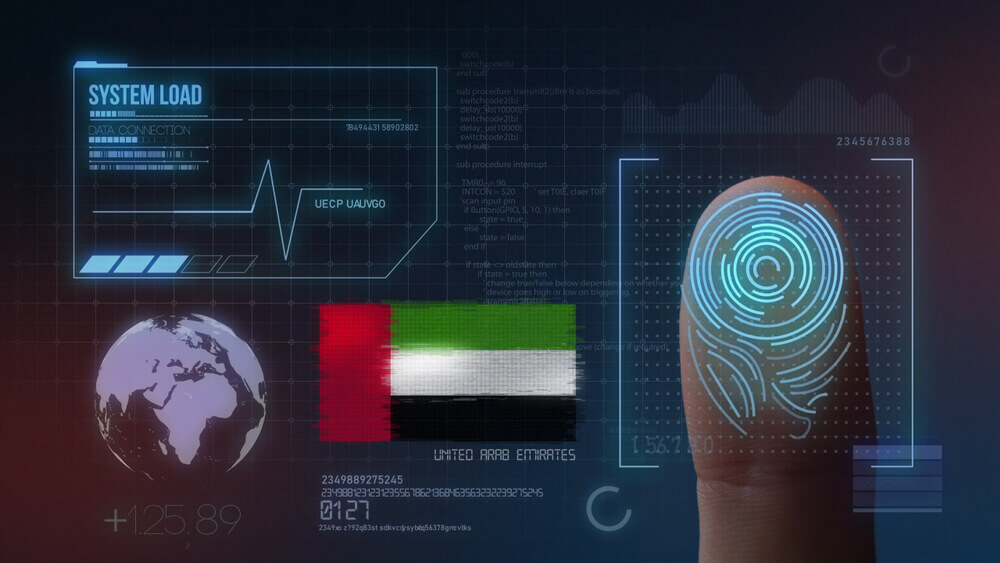
The Emirates ID card is an electronic smart card that acts as an identity verification tool. The card was introduced by the federal authority for Identity, Citizenship, Customs & Port Security (ICP).
This identity card contains all your personal and biometric details in its embedded smart chip. Biometric information consists of fingerprints, iris recognition, and facial scanning. In addition, the card includes demographic details such as nationality, date of birth, and residency.
The Emirates ID is not your regular identity card. This multifunctional ID card can be used across various organizations, including governments, banks, telecommunications companies, and medical facilities.
Why the Emirates ID Is Essential
Emirates ID forms a part of the essential architecture that governs the UAE. The lack of such an identifier limits individuals’ access to basic services.
For example:
- Banks require an Emirates ID for account opening and KYC verification
- Tenancy contracts cannot be registered without it
- Medical insurance claims are linked to the ID
- Telecom services require ID verification
- Government portals rely on Emirates ID authentication
It acts as a bridge between physical identity and digital services, ensuring secure and verified interactions across sectors.
Who Needs The Emirates ID?
The Emirates ID is mandatory for all categories of residents and citizens.
1. UAE Citizens
All Emirati nationals must possess a valid Emirates ID from birth. It remains valid throughout life, with periodic renewal based on age group.
2. GCC Nationals
Citizens of GCC countries living in the UAE must also obtain an Emirates ID for legal and administrative purposes.
3. Expatriates
Foreign residents holding a UAE residence visa must apply for an Emirates ID as part of the visa process. The validity of the ID is tied directly to the visa duration.
4. Dependents
Children, spouses, and family members under sponsorship must also have their own Emirates ID cards.
When Should You Apply for an Emirates ID?
It is very important to apply for an Emirates ID at the right time, as it plays a significant role in ensuring the right to stay in the UAE and accessing various government services. Applicants are supposed to apply for an Emirates ID after the issuance of the residence visa. This is necessary whenever one needs to renew the visa, when a person enters the UAE for the first time as a resident, or when there is a change in visa category or sponsorship.
Required Documents for Emirates ID
The documentation process depends on the applicant type and the purpose of the application.
For expatriates
- Original valid passport
- Copy of residence visa or entry permit
- Passport-sized photograph (white background)
- Existing Emirates ID (for renewal or replacement)
For UAE nationals
- UAE passport
- Family book (Khulasat Al Qaid)
- Existing Emirates ID
For dependents
- Birth certificate
- Passport copy
- Sponsor’s Emirates ID
- Residency visa copy of the sponsor
Additional documents (if applicable)
- Medical fitness certificate
- Employment contract
- Trade license (for business owners)
- Insurance documents
Consistency across documents is critical. Even small discrepancies in spelling or dates may lead to delays.
Emirates ID Application Process (Detailed Breakdown)
The UAE has simplified the application process through digital transformation and integrated service centers.
Step 1: Choose application method
Applicants can apply through:
- ICP Smart Services website
- UAEICP mobile application
- Typing centers
- Government service centers (Amer, Tasheel, etc.)
Online applications are generally faster and more cost-effective.
Step 2: Complete the application form
Applicants must correctly fill out personal details, passport information, and visa applications. Such mistakes, failures, or processes often result in delays.
Step 3: Sents
Documents are uploaded digitally or submitted at typing centers. Quality and clarity of scanned documents matter significantly.
Step 4: Pay application fees
Fees vary depending on:
- Validity period
- Service type (standard or express)
- Delivery method
- Applicant category
Step 5: Biometric registration
This is a mandatory security step that includes:
- Fingerprint scanning
- Iris recognition
- Facial photography
Biometrics ensure identity protection and prevent fraud.
Step 6: Application review
ICP checks documents and biometric information. The process may include an additional verification step.
Step 7: Card issuance
Once approved, the Emirates ID is printed and:
- Delivered via courier, or
- Collected from service centers
Applicants receive SMS notifications when the card is ready.

Emirates ID Fees & Validity (2026 Overview)
Fees vary depending on validity, service type, and applicant category.
Standard cost structure includes:
- AED 100 per year (issuance fee)
- AED 40–70 service fee
- AED 20–35 delivery fee
- AED 150 express service (optional)
Validity periods:
- Expats: 1–3 years
- UAE/GCC nationals: up to 5–10 years
Example breakdown:
- 1-year ID: AED 170–200
- 2-year ID: AED 270–300
- 3-year ID: AED 370–400
- Express processing adds additional cost
Longer validity reduces renewal frequency but increases upfront cost.
Emirates ID Renewal Process
Renewal is a critical process to maintain legal residency compliance.
When to renew
- 30 days before expiry
- Immediately after visa renewal
Steps:
- Update residency visa
- Submit renewal application via ICP
- Provide updated documents
- Complete biometrics if required
- Pay renewal fees
- Receive updated card
Grace period
A short grace period is usually provided, but exceeding it results in penalties.
Late Renewal Penalties
Failure to renew on time results in fines:
- AED 20 per day after the grace period
- Maximum fine: AED 1,000
Beyond fines, an expired Emirates ID may restrict:
- Banking access
- Employment processing
- Government services
- Visa renewals
Processing Time
Processing times vary depending on application type:
- Standard: 5–10 working days
- Express (Fawri): 1–3 working days
- Delivery: additional 2–5 days
Delays may occur due to:
- Missing documents
- Biometric issues
- Visa processing delays
- System verification checks
Digital Emirates ID
The UAE has introduced a fully integrated digital identity system.
Accessible via:
- UAE Pass
- ICP Smart Services app
Features:
- Digital identity verification
- Secure login to government services
- Replacement of physical ID in many cases
- Smart authentication for services
The digital ID supports the UAE’s paperless government strategy.

Replacement of Lost or Damaged Emirates ID
If the card is lost or damaged, a replacement must be requested.
Steps:
- Report loss (if required)
- Submit a replacement application
- Provide identification documents
- Pay the replacement fee
- Complete biometric update if necessary
Cost:
- Around AED 300 + service fees
A police report may be required in theft cases.
Common Issues and Challenges
Many delays occur due to avoidable mistakes:
- Incorrect data entry
- Expired passport or visa
- Missing biometrics appointment
- Delayed visa approvals
- Inconsistent document details
Careful preparation helps avoid most issues.
Expert Tips for Smooth Processing
- Apply immediately after visa approval
- Keep documents updated and consistent
- Use ICP online services for faster processing
- Track the application regularly
- Renew early (30 days before expiry)
- Maintain both digital and physical copies
Key Takeaways
The Emirates ID is a core identity document in the UAE, serving as a vital means of confirming legal residency and enabling access to a wide range of essential services. It is mandatory for all citizens and residents, and its validity is directly linked to the individual’s visa status. The issuance process requires biometric registration to ensure secure and accurate identification. Renewal must be completed before the expiry date to maintain uninterrupted access to services; late renewal may result in financial penalties. In addition, the availability of a digital version has improved convenience and accessibility, allowing users to verify their identity across various platforms. Proper management of the Emirates ID ensures continuous access to key services while maintaining full compliance with UAE regulations.
FAQs
Can I live in the UAE without an Emirates ID?
No. The Emirates ID is mandatory for legal residency. Without it, access to banking, healthcare, telecom services, and government systems is significantly restricted.
No. The Emirates ID is an internal identity document. It cannot replace a passport for international travel. UAE citizens may use it only for limited GCC travel purposes.
How long does it take to receive the Emirates ID?
Standard processing takes 5–10 working days, while express services reduce this to 1–3 working days, depending on urgency.
Not always. Biometrics are required for first-time applicants and in cases where updates or verification are necessary.
You must request correction through ICP services. Supporting documents will be required, and a replacement card may be issued.