


Do property owners pay tax in Dubai? This is the most frequently asked question by homeowners and investors looking at properties in Dubai. Well, the answer is no. There is no annual property tax in Dubai, attracting investors from around the globe.
While there is no property tax, Dubai imposes certain additional fees for buying or selling a property. From registration and service costs to VAT in some cases, it’s important to understand these expenses before making a purchase. Scroll down to learn more about these expenses in detail.
- Understanding Property Tax in Dubai
- Cost of Buying a Property in Dubai
- Fees for Selling Property in Dubai
- Tax on Rental Income
- Benefits of the Property Taxation System in Dubai
- Key Takeaways
- FAQs
Understanding Property Tax in Dubai
When it comes to real estate, Dubai stands out as one of the most tax-friendly cities globally. Unlike many global hubs, Dubai does not impose an annual property tax on residential owners. Additionally, there is no rental income or capital gains tax.
Instead, buyers only have to pay certain one-time costs such as property registration, transfer expenses and agent fees.
Additionally, commercial property owners pay a minimal value-added tax when selling their property.
Even with this, taxation in the UAE remains highly favourable, especially compared to global hubs. This also makes Dubai’s real estate market a magnet for potential investors.
Explore All Properties for Sale in Dubai
-
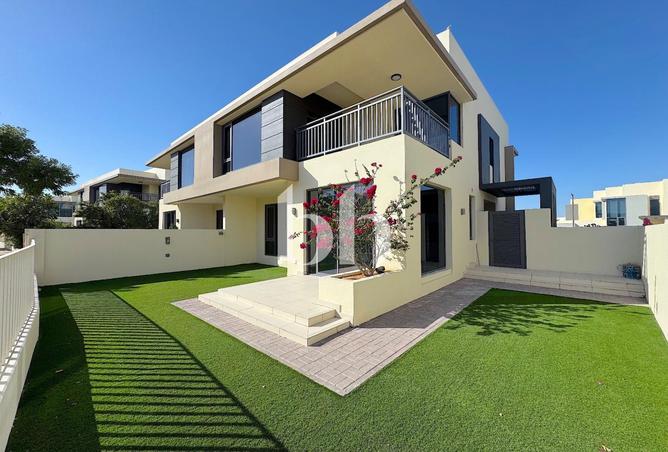

Townhouse
Listed 2 days ago
6,200,000 AED
Well Maintained | Genuine Listing | Greenbelt
Maple at Dubai Hills Estate 1, Maple at Dubai Hills Estate, Dubai Hills Estate, Dubai
5
5
3,241 sqft
-

Townhouse
Listed 3 days ago
5,800,000 AED
Greenbelt | View Today | Prime location
Maple at Dubai Hills Estate 1, Maple at Dubai Hills Estate, Dubai Hills Estate, Dubai
4
4
2,921 sqft
-

Villa
Listed 2 days ago
25,500,000 AED
Vacant | Lagoon Backing | Motivated Seller
Address Hillcrest, Dubai Hills Estate, Dubai
5
5
7,095 sqft
-

Villa
Listed 2 days ago
425,000,000 AED
Prestigious Waterfront Mansion with Open Sea Views
Bulgari Resort & Residences 1, Bulgari Resort & Residences, Jumeirah Bay Island, Jumeirah, Dubai
6
7+
29,101 sqft
-

Villa
Listed 2 days ago
265,000,000 AED
Timeless Beachfront Villa | Unparalleled Sea View
Jumeirah Bay Island Villas, Jumeirah Bay Island, Jumeirah, Dubai
5
7
17,252 sqft
-

Apartment
Listed 2 days ago
38,000,000 AED
High Floor | Luxurious with Full Skyline Views
Bulgari Resort & Residences 2, Bulgari Resort & Residences, Jumeirah Bay Island, Jumeirah, Dubai
3
4
2,631 sqft
-

Villa
Listed 2 days ago
195,000,000 AED
Bulgari Front Row Mansion | Full Skyline Views
Bulgari Resort & Residences 1, Bulgari Resort & Residences, Jumeirah Bay Island, Jumeirah, Dubai
5
7
19,101 sqft
-
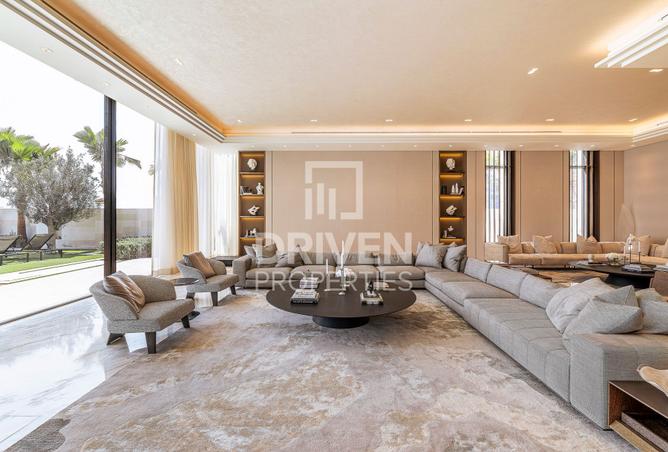
Villa
Listed 2 days ago
250,000,000 AED
Sophisticated Modern Villa | Incomparable Luxury
Jumeirah Bay Island Villas, Jumeirah Bay Island, Jumeirah, Dubai
5
6
16,014 sqft
-

Villa
Listed 2 days ago
135,000,000 AED
Designer Coastal Villa | Modern and Brand New
La Mer South Island, La Mer, Jumeirah, Dubai
6
7
9,477 sqft
-

Villa
Listed 3 days ago
58,000,000 AED
Luxury Beachfront Villa | Rooftop | Atlantis View
Garden Homes Frond E, Garden Homes, Palm Jumeirah, Dubai
5
6
7,318 sqft





Cost of Buying a Property in Dubai
Although there’s no annual property tax in Dubai, purchasing real estate does involve other expenses. While these are not technically considered taxes, buyers must be aware of these extra costs. Let’s explore these, one by one:

1. Government and Administrative Fees
The Dubai Land Department (DLD) charges fixed fees for property transfer and registration. These charges form the major component of the overall extra costs. Here’s a breakdown of the government and administrative charges:
- Dubai Land Department (DLD) Fees: 4% of the property’s purchase price.
- Property Registration Fees:
- AED 2,000 + 5% VAT for properties below AED 500,000
- AED 4,000 + 5% VAT for properties above AED 500,000
- Mortgage Registration Fees: 0.25% of the mortgage amount plus AED 290 (if the purchase involves a loan).
- Legal and Documentation Costs: Such as AED 520 for a title deed in Dubai.
2. Agent and Brokerage Fees
Another key expense when purchasing property in Dubai is the cost of hiring real estate professionals. You can hire a real estate agent through the ‘Find Agent’ section of Property Finder to ensure reliability. Here are the main charges to expect:
- Real Estate Agent Commission: 2% of the purchase price plus 5% VAT.
- Conveyance Fee: Between AED 5,000 and AED 10,000 for legal transfer and contract preparation in line with UAE law.
3. Bank and Mortgage-Related Expenses
For buyers opting for a mortgage instead of paying in cash, additional costs are involved. These fees cover services like loan processing and property valuation in Dubai. Here are the main mortgage-related expenses:
- Bank Mortgage Arrangement Fees: Typically 1% of the loan amount plus 5% VAT.
- Property Valuation Fee: Between AED 2,500 and AED 3,500 plus 5% VAT.
- No Objection Certificate (NOC) Fee: From AED 500 to AED 5,000 when buying a property with an existing mortgage.
4. Initial Purchase Costs
One of the first expenses in any property transaction is the initial deposit. This upfront payment secures the property and shows the buyer’s commitment to the purchase. The initial deposit is typically 10% of the purchase price for ready properties in the secondary market.
5. Insurance Costs
Insurance is another important expense for property buyers in Dubai. It safeguards both the property and the mortgage. Here are the costs to consider:
- Home and Contents Insurance: Covers damage or loss, usually around AED 1,000.
- Life Insurance for Mortgage: Mandatory for mortgage holders, typically 0.4-0.8% yearly on the reducing loan balance.
6. Value Added Tax (VAT)
Residential property sales in Dubai are usually exempt, so buyers do not pay VAT. However, VAT on commercial property in the UAE is charged at a rate of 5% on both sales and leases.
Additionally, services linked to transactions, such as brokerage or legal support, are subject to VAT. While not a direct commercial property tax in Dubai, it is a cost buyers must account for.

7. Property Maintenance and Other Fees
Beyond purchase and registration, homeowners face ongoing expenses for maintaining their property. They cover upkeep and utility connections, both of which are essential for a comfortable living experience. Here are the main charges:
- Annual Service Charges: Rates vary by community and are calculated on a per-square-foot basis.
- DEWA Fees: One-time DEWA Dubai charges for electricity and water connection, typically, AED 2,000 for apartments and AED 4,000 for villas.
Fees for Selling Property in Dubai
While Dubai does not impose an annual property tax, sellers should be aware of the costs involved when transferring ownership of a property. These charges are mostly one-time fees required to complete the transaction legally and smoothly.
1. Dubai Land Department (DLD) Transfer Fee
The primary cost involved in selling a property is the Dubai Land Department transfer fee. This is calculated at 4% of the property’s sale value and is typically paid at the time of ownership transfer. Although buyers often cover this fee, it can be shared between both parties based on mutual agreement.
2. No Objection Certificate (NOC) Fee
Before a property can be sold, the developer must issue a No Objection Certificate confirming that there are no outstanding service charges or liabilities. The NOC fee usually ranges between AED 500 and AED 5,000, depending on the developer and community.
3. Real Estate Agent Commission
Many sellers choose to work with a licensed real estate agent to market their property and manage negotiations. For ready properties, the agent’s commission is typically 2% of the sale price, while off-plan properties may not carry agency fees, depending on the developer.
4. Conveyance and Administrative Fees
If a conveyancer or legal service provider is used to handle contracts and documentation, an additional conveyance fee may apply. These costs vary depending on the complexity of the transaction and the service provider involved.
Learn more about Conveyance Fees in Dubai and what they cover.
5. Fees for Mortgaged Properties
Selling a mortgaged property may involve extra charges. These can include mortgage early settlement fees, mortgage release fees, and other bank-related administrative costs required to clear the loan before the transfer is completed.
Although there is no property tax in Dubai, understanding these selling-related expenses helps property owners plan their exit strategy more effectively and avoid unexpected costs during the transaction.
Tax on Rental Income
Let’s learn about the tax rate on rental income of residential and commercial properties:
1. Corporate Tax
Since June 2023, Dubai has applied a 9% corporate tax on business profits above AED 375,000. This tax does not apply to individuals purchasing property for personal use, but it does affect companies and other entities.
For instance, if a real estate firm earns AED 600,000 in annual profits, only AED 225,000 is taxable, resulting in a tax of AED 20,250.
2. Residential Income Tax
How much tax do you have to pay on rental income? Property owners in Dubai do not pay real estate income tax. This makes the city highly attractive for landlords and investors. However, property owners do pay a municipality housing fee, usually set at 5% of the annual rent.
Benefits of the Property Taxation System in Dubai
Dubai’s tax-friendly real estate is one of the strongest drivers for local and global investors. Here are the main advantages of the property tax system in Dubai:
1. No Annual Property Tax
Property owners do not pay annual tax on real estate, which significantly reduces overall costs and increases rental income.
2. Zero Capital Gains Tax
Investors earn 100% of their profits without paying any tax on the sale of their property.
3. Low Ownership Costs
Instead of recurring taxes, Dubai applies one-time fees, such as the 4% transfer fee. This makes budgeting clearer and easier.
4. Low Commercial Property Tax
Commercial real estate, whether you are leasing an office or acquiring a commercial shop for sale, is subject to only a 5% VAT on sales or leases. This keeps costs lower and simpler compared to many global cities.
Key Takeaways
Dubai does not impose annual property or capital gains taxes on residential real estate, making it one of the most tax-friendly markets globally. Buyers and sellers should, however, budget for one-time fees such as DLD transfer charges, registration costs, service fees, and VAT on commercial properties. There is no tax on residential property sales, but buying or leasing commercial properties, such as acquiring one of the shops for sale in Binghatti Phoenix, is subject to only a 5% VAT. Understanding these costs upfront helps investors plan more effectively and avoid surprises.
FAQs
Yes, residential property sales are tax-free in Dubai. Commercial properties, on the other hand, are only subject to a 5% VAT.
There is no tax on gifting property. However, a small transfer fee may apply to register the change of ownership.
Dubai does not have an annual property tax. Owners only pay one-time costs such as registration, transfer or service fees.
Yes, Dubai imposes no property or capital gains tax. The strong rental yields and a growing economy make Dubai highly attractive for local and global investors.
The 4% Dubai Land Department fee is typically paid by the buyer at the time of property transfer. However, the buyer and seller can agree to share or split the fee as part of the transaction terms.
That concludes everything you need to know about property tax in Dubai and the additional costs of ownership. While there is no annual tax, buyers must take into account registration fees, service charges and utilities expenses.
For a detailed overview, you can also explore a step-by-step guide to buying a house in Dubai.