



Bali follows Indonesia’s national immigration rules, not a separate island-specific visa system. For UAE residents, the most important rule is simple: visa eligibility is based on passport nationality, not UAE residence.
Many UAE-based travellers can use a Visa on Arrival (VoA) or an electronic Visa on Arrival (e-VoA) for short holidays. Longer stays usually require applying in advance for a C1 visit visa, previously known as 211A.
In addition to visa requirements, travellers to Bali must also complete Indonesia’s electronic customs declaration before arrival and pay the mandatory Bali tourist levy, which is separate from any visa fee.c Through this guide, you will know everything about how to get your visa to Bali.
- Why UAE residents travel to Bali
- Understanding Bali and Indonesia visa basics
- Do UAE residents need a visa for Bali
- Types of Indonesian visas for Bali trips
- Requirements for VoA / e-VoA
- Short-stay tourist options and extensions
- Practical tips for UAE residents travelling to Bali
- Key Takeaways
- FAQs

Why UAE residents travel to Bali
For UAE residents, Bali is a practical leisure destination with consistent flight connections, a wide range of accommodation options, and flexible short-stay visa arrangements. Most trips fall into two categories: short holidays of one to two weeks and longer stays where visitors prefer a visa that can be extended without repeated exits.
Understanding Bali and Indonesia visa basics
Bali is not a separate visa jurisdiction. All entry rules are set by Indonesia’s national immigration policy.
Three principles matter most:
- VoA and e-VoA are designed for short visits
- C1 visit visas are more suitable for stays beyond 60 days
Key terms used in this guide:
- VoA (Visa on Arrival): purchased on arrival at the airport, if eligible
- e-VoA: applied and paid online before travel
- C1 visit visa: longer-stay visit visa applied for in advance
Do UAE residents need a visa for Bali?
All foreign travellers require an Indonesian entry permission, whether through a Visa on Arrival, an electronic Visa on Arrival, or a pre-approved visit visa, depending on passport nationality. In other words, Indonesia is not one of the visa-free countries for UAE residents.
UAE citizens (Emirati passport holders)
- Emirati passport holders are eligible for a VoA or an e-VoA for tourism.
- A visa is required for work, long-term stays, or any purpose other than tourism.
Expatriate UAE residents (non-Emirati passports)
For expatriates living in the UAE, passport nationality determines eligibility.
- Many nationalities qualify for the VoA or e-VoA
- Others must apply in advance for a C1 visit visa
Children and family members
Each traveller, including minors, is assessed individually based on their passport. Mixed-nationality families should verify eligibility for every passport in the group.
Types of Indonesian visas for Bali trips
Indonesia offers several visit visas for travellers heading to Bali, with the right option depending on passport nationality, length of stay, and permitted activities.
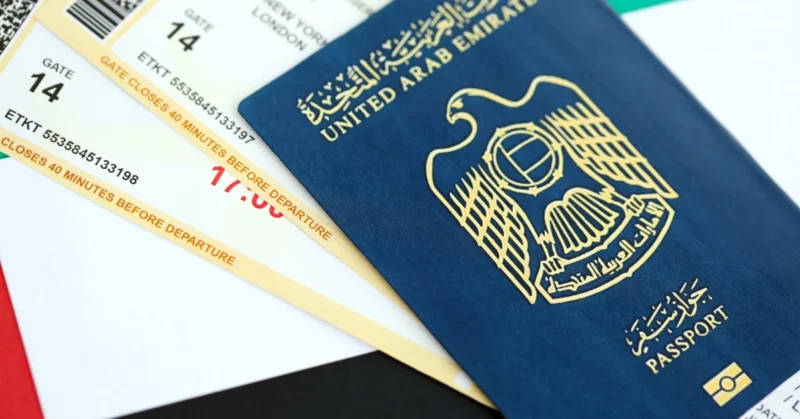
B1 Visa on Arrival (VoA) – standard tourist visa
This is the most common option for short holidays to Bali when eligible.
- Initial stay: 30 days
- Extension: once, up to 60 days total
- Government fee: IDR 500,000 = AED 109.85
- Key conditions: passport valid for at least 6 months, return or onward ticket
VoA is suitable for straightforward tourism stays.
Electronic Visa on Arrival (e-VoA)
e-VoA follows the same rules as VoA but is completed online before travel.
- Reduces paperwork on arrival
- Often allows faster immigration processing
- Issued electronically after online payment
C1 / 211A visit visa (60 days)
This is the preferred option for longer stays.
- Initial stay: 60 days
- Extensions: extendable in stages up to 180 days
- Use cases: slow travel, long family visits, extended stays
Social and business visit visas
Separate visit visas apply for family visits, cultural activities, or business meetings. These do not permit paid work and require supporting documents aligned with the stated purpose.
Requirements for VoA / e-VoA
To qualify, travellers must carry:
- Passport valid for at least six months from arrival
- Return or onward flight ticket
- Proof of accommodation in Indonesia
- Evidence of sufficient funds for the stay
Additional mandatory requirements now apply:
- Electronic Customs Declaration (ECD) completed online before arrival
- Bali Tourist Levy, paid separately from the visa fee
How to get VoA on arrival in Bali
If using VoA on arrival:
- Proceed to the Visa on Arrival counter at Ngurah Rai International Airport
- Pay the government visa fee
- Continue to immigration clearance
How to apply for e-VoA online
The e-VoA is applied for before travel through Indonesia’s official e-Visa system.
After approval, travellers receive the electronic visa by email and present it digitally or printed on arrival.

Short-stay tourist options and extensions
For short holidays, VoA and e-VoA allow:
- 30 days on arrival
- One extension, bringing the total stay to a maximum of 60 days
If you plan to stay beyond 60 days, applying for a C1 visit visa from the outset is the more practical and compliant option.
Overstay rules and penalties
Overstays are enforced strictly.
- Daily fine: IDR 1,000,000 per day
- Overstays beyond 60 days result in mandatory deportation
- Long overstays can lead to multi-year entry bans
Practical tips for UAE residents travelling to Bali
- Confirm eligibility based on passport nationality before booking
- Keep printed and digital copies of visas and travel documents
- Choose a C1 visit visa if your stay may exceed 60 days
- Staying updated on Indonesia visa changes, as Indonesia updates visa rules regularly, so re-check official guidance shortly before travel.
- While you are near Singapore, take advantage of its VoA for UAE residents and visit two countries in one trip.
Key Takeaways
Bali visa requirements for UAE residents depend on passport nationality, not UAE residency. VoA and e-VoA cover most short holidays, allowing up to 60 days with one extension. For longer stays, C1 visit visas offer a structured route up to 180 days. New mandatory steps, including the Bali Tourist Levy, Electronic Customs Declaration, and in-person biometrics for extensions, should be planned in advance.
FAQs
Yes, they need visa. All travellers require some form of Indonesian entry permission based on passport nationality.
No, it isn’t. Emirati passport holders typically use VoA or e-VoA, which is paid and time-limited.
Yes, you can. Eligible travellers can apply for e-VoA or C1 visit visas through official online systems.
Up to 60 days using VoA or e-VoA with one extension, or up to 180 days with a C1 visit visa, subject to approval.