



Applying for a UAE family visa is an essential step for residents who want to bring their spouse, children, or parents to live with them in the country. The process is generally straightforward, but it depends on meeting the right salary, housing, document, medical, and sponsorship requirements.
This guide explains everything you need to know about the UAE family visa, including eligibility rules, required documents, application steps, fees, renewal, status checks, and common mistakes to avoid before submitting your application.
- What Is a UAE Family Visa?
- Family Visa UAE Rules & Requirements
- How to Apply for a UAE Family Visa
- Document Required for Family Visa in UAE 2026
- UAE Family Visa Fees 2026
- UAE Family Visa Validity and Renewal Process
- Family Visa Status Check
- Common Family Visa Mistakes to Avoid
- Key Takeaways
- FAQs

What Is a UAE Family Visa?
A UAE family visa is a residence visa that allows a UAE resident to sponsor eligible family members to live with them in the country. It is commonly used to bring a spouse, children, and in some cases, parents to the UAE for long-term residence.
The visa is linked to the sponsor’s residence status, which means the family member’s visa usually depends on the validity of the sponsor’s own UAE residency. Once approved, sponsored family members can live in the UAE legally and access essential services such as healthcare, schooling, housing, banking, and Emirates ID registration.
A UAE family visa is different from a visit visa. A visit visa is temporary and mainly used for short stays, while a family residence visa is designed for dependents who plan to live in the UAE for a longer period. The visa can usually be renewed as long as the sponsor continues to meet the required conditions, including valid residency, minimum salary, suitable accommodation, and supporting documents.
Family Visa UAE Rules & Requirements
UAE residents with a valid residence visa can sponsor eligible family members, including a spouse, children, and in some cases, parents, if they meet the required salary, housing, and documentation conditions.
To sponsor family members, the resident must generally earn at least AED 4,000 per month, or AED 3,000 per month plus accommodation. The sponsor’s profession is no longer the main eligibility factor, which means residents from different job categories may apply as long as they meet the financial and residency requirements.
A resident can sponsor a spouse by submitting proof of marriage, usually through an attested marriage certificate. Children can also be sponsored, with sons generally eligible up to the age of 25, while unmarried daughters can be sponsored without an age limit. Dependents aged 18 and above must complete a medical fitness test as part of the residence visa process.
Residents may also sponsor parents, but this usually comes with additional conditions, such as proving dependency, meeting higher financial requirements, and providing suitable accommodation. The exact requirements can vary depending on the emirate and the authority handling the application.
For Dubai applications, family sponsorship services are usually handled through GDRFA Dubai, while applications in other emirates are generally processed through ICP. Always check the relevant authority before applying, as document requirements and service steps may differ slightly by emirate.
How to Apply for a UAE Family Visa
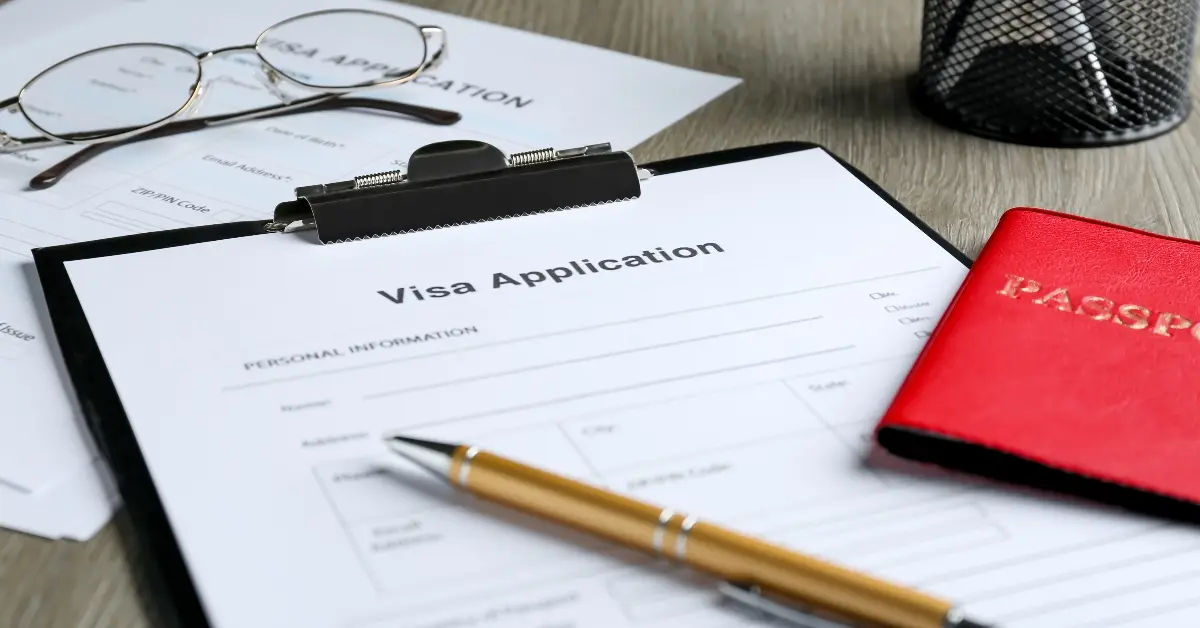
You will need to go through a relatively simple procedure to apply for family visas, either online or by visiting the embassy in person. If your family is already here in the UAE, you will have to apply for a change of status. If your family is outside the UAE, follow these steps:
- Get an entry permit:
- Collect the required documents – you will find them illustrated below
- Apply:
- After collecting these various documents, you are ready to submit the application. A family visit visa is applied through the General Directorate of Residency and Foreigners Affairs (GDRFA) or any of the Emirates.
UAE approves sponsoring family members with fewer restrictions now. The process is straightforward and simple. You can apply for the entry permit through the following online channels:
- ICA portal
- GDRFA website – Family Visa Dubai
- TAMM website – Family Visa Abu Dhabi
- ICP App
- Dubai Now App

Document Required for Family Visa in UAE 2026
To successfully sponsor family members, residents must provide proof of adequate housing. This typically involves submitting an Ejari tenancy contract; however, sponsors must ensure their chosen residence, selected from the various properties for rent in the UAE, whether it is a Dubai apartment to rent, an Al Ain villa for rent, a flat for rent in Umm Al Quwain, stunning apartments for rent in Al Marjan Island, or spacious Al Ain apartments for rent, meets the space requirements set by the authorities for family residency.
- Passport copies of the sponsor and family members
- Residence visa copy of the sponsor
- Emirates ID of the sponsor
- Attested marriage certificate (for spouse sponsorship)
- Attested birth certificates (for child sponsorship)
- Ejari tenancy contract or proof of accommodation
- Latest salary certificate or employment contract
- Recent passport-sized photographs of family members
- Medical fitness certificate for dependents over 18

UAE Family Visa Fees 2026
UAE family visa fees vary depending on the emirate, visa duration, whether the dependent is applying from inside or outside the UAE, and whether extra services such as medical testing, Emirates ID, health insurance, typing, delivery, or status change are required.
The government fee is only one part of the total cost. Applicants may also need to pay for medical fitness tests for dependents aged 18 and above, Emirates ID issuance, health insurance, document attestation, and service centre charges. For this reason, the final amount can differ from one applicant to another.
Common UAE family visa fee components
| Fee item | What it covers |
|---|---|
| Entry permit | Allows the family member to enter the UAE for residence procedures |
| Status change | Applies if the dependent is already inside the UAE |
| Medical fitness test | Required for dependents aged 18 and above |
| Emirates ID | Mandatory identity card for UAE residents |
| Residence permit issuance or renewal | Final residence visa/residency approval |
| Health insurance | Usually mandatory and varies by plan and emirate |
| Typing or service centre fees | Applies when using Amer, Tasheel, or other service channels |
| Document attestation or translation | Required for some foreign marriage or birth certificates |
Important notes
Fees can change depending on the emirate and application channel. Dubai applications are usually handled through GDRFA Dubai, while applications in other emirates are generally processed through ICP. Always check the latest fee breakdown on the relevant government portal or through an authorised service centre before applying.
Explore All Available Rental Properties in Dubai
-


Villa
Listed 2 days ago
34,000,000 AED
5 Beds Furnished | Extended Plot | Modern Villa
Cluster 27, Oasis Clusters, Jumeirah Islands, Dubai
5
5
12,556 sqft
-

Villa
Listed 9 hours ago
52,000,000 AED
Exclusive Island | Private Helipad
Amali Island, The World Islands, Dubai
5
7+
30,320 sqft
-

Villa
Listed 4 days ago
72,000,000 AED
Exclusive | Lake View | Huge Plot
Sector W, Emirates Hills, Dubai
7+
7+
28,229 sqft
-

Villa
Listed 4 days ago
3,000,000 AED/year
Exquisite Villa | 7 Beds | Modern Interior
Sector E, Emirates Hills, Dubai
7
7+
23,261 sqft
-

Villa
Listed 5 days ago
2,050,000 AED/year
Exquisite Villa | Ultra Luxury | Available
Cluster 27, Oasis Clusters, Jumeirah Islands, Dubai
5
5
12,556 sqft
-

Villa
Listed 5 days ago
1,100,000 AED/year
Exclusive | Golf & Lake View | Prime Location
Sienna Lakes, Jumeirah Golf Estates, Dubai
5
6
8,803 sqft
-

Villa
Listed 5 days ago
24,500,000 AED
Exclusive | 5 Beds + Basement | Serene Golf View
Sienna Lakes, Jumeirah Golf Estates, Dubai
5
7
9,484 sqft
-

Villa
Listed 5 days ago
34,900,000 AED
Brand New Furnished | 5 Beds Extended | Ready
Cluster 41, Contemporary Cluster, Jumeirah Islands, Dubai
5
6
10,642 sqft
-

Apartment
Listed 1 week ago
5,350,000 AED
Iconic Residence | High Floor | High Yield
One Za'abeel Tower, Zabeel 1, Zabeel, Dubai
1
2
855 sqft
-

Office Space
Listed 5 days ago
1,921,500 AED/year
High Floor | Turnkey A Grade | Half Floor
Jumeirah Business Centre 5 (JBC 5), JLT Cluster W, Jumeirah Lake Towers, Dubai
1
6,178 sqft




UAE Family Visa Validity and Renewal Process
A UAE family residence visa is usually issued for one, two, or three years, depending on the sponsor’s residence visa, application type, and emirate. Since dependent visas are linked to the sponsor’s residency, they normally need to be renewed before or along with the sponsor’s visa.
Family visa renewal can be completed through the relevant immigration authority. Dubai residents usually renew through GDRFA Dubai or Amer centres, while residents in other emirates generally use ICP Smart Services.
Before renewal, make sure the sponsor’s residence visa is valid, the dependent’s passport is valid, health insurance is active where required, and dependents aged 18 or above complete the medical fitness test. The Emirates ID also needs to be renewed as part of the residency renewal process.
After a family residence visa expires or is cancelled, the dependent may receive a grace period to renew, transfer sponsorship, change status, or leave the UAE. The grace period can vary by visa category, but ICP lists 60 days for residence permits issued with a guarantor or host, while GDRFA Dubai also states a 60-day grace period for family residence renewal cases.
To avoid fines or status issues, start the renewal process before the visa expires and always confirm the latest grace period and penalty rules through ICP, GDRFA Dubai, or an authorised service centre.
Family Visa Status Check
Checking your UAE family visa status helps you track application progress, confirm visa validity, and avoid missing renewal deadlines. The correct platform depends on the emirate that issued the visa.
How can I check my UAE family visa status online?
For Dubai-issued family visas, use the GDRFA Dubai visa status service. It allows users to verify entry permits, residence permits, and related immigration records.
For family visas issued in other emirates, use ICP Smart Services to check visa, residency, and Emirates ID-related services.
You may need details such as the application number, passport number, nationality, date of birth, or Unified Number, depending on the portal and type of inquiry.
Can I check my family visa status offline?
Yes. For Dubai visas, you can contact GDRFA Dubai/Amer at 8005111 from inside the UAE or +971 4 313 9999 from outside the UAE.
For visas issued by other emirates, you can contact ICP through its official customer support channels or visit an authorised service centre.
Common Family Visa Mistakes to Avoid
Small errors can delay a UAE family visa application or lead to extra costs. Before submitting your application, check the following points carefully:
1. Applying before meeting the salary requirement
Make sure the sponsor meets the minimum income requirement before applying. UAE residents can sponsor family members if they have a valid residence visa and earn at least AED 4,000, or AED 3,000 plus accommodation.
2. Using unattested family documents
Marriage and birth certificates are usually required to prove family relationships. If these documents were issued outside the UAE, they may need attestation and translation before submission. GDRFA lists certified marriage contracts and attested birth certificates among family visa requirements.
3. Forgetting passport validity
Check that each dependent’s passport is valid for at least six months before applying. ICP and GDRFA both list six-month passport validity as a requirement for residence-related applications.
4. Delaying the medical fitness test
Dependents aged 18 and above must complete the medical fitness process at an approved centre. The process usually includes appointment booking, fee payment, the required examination, and digital result delivery.
5. Confusing entry permit with residence visa
An entry permit or status change does not complete the family visa process. The dependent still needs to complete the remaining steps, including medical fitness where required, Emirates ID procedures, and residence permit issuance.
6. Ignoring housing requirements
Sponsors should prepare proof of suitable accommodation, such as a tenancy contract or owned property details. ICP states that adequate housing must be available for family members and should match the property’s capacity. To avoid any application delays, it is highly recommended to secure the right home early on, whether you are exploring Umm al Quwain property for sale, investing in a flat for sale Ajman, settling into a peaceful community like Yasmin Village RAK, or purchasing one of the ultra-luxury mansions for sale Dubai.
7. Waiting too long after expiry or cancellation
Do not leave renewal or cancellation issues until the last moment. ICP notes that grace periods vary by category, and overstay fines may apply after the permitted period ends.
8. Not checking the correct authority
Dubai applications are usually handled through GDRFA Dubai, while other emirates use ICP channels. Always check the relevant portal before applying, renewing, or tracking status.
Key Takeaways
In conclusion, a UAE family visa allows residents to bring their loved ones to live with them legally in the country, provided they meet the required salary, housing, document, and medical conditions. Since rules, fees, grace periods, and application channels can vary by emirate, it is important to check the latest requirements through ICP, GDRFA Dubai, Amer, or an authorised service centre before applying or renewing. With the right documents and timely planning, the family visa process can be completed smoothly, helping families settle in the UAE with confidence and peace of mind.
FAQs
A family visa allows the dependent to live in the UAE, but they usually need the correct work permit or labour approval before taking up employment. The employer should handle the required work authorisation before the dependent starts working.
If the sponsor changes jobs, the family visas may need to be updated, renewed, or temporarily held, depending on the sponsor’s visa status. It is best to check with ICP, GDRFA Dubai, Amer, or an authorised typing centre before cancelling or transferring the sponsor’s visa.
Family sponsorship usually requires proof of suitable accommodation, so shared housing may not always be accepted. Sponsors should confirm the housing requirements with the relevant authority and ensure their tenancy contract or accommodation proof matches family visa conditions.