



Solar energy is becoming an increasingly practical solution for homeowners in the UAE, offering a combination of financial, environmental, and long-term property advantages. With high solar irradiance, long daylight hours, and supportive government initiatives, residential solar systems are well-suited to the region’s climate and energy needs.
For villa owners in particular, solar panels provide a reliable way to reduce electricity costs driven by air conditioning, while also enhancing property value and improving overall home efficiency. Beyond immediate savings, solar energy offers additional benefits, including low maintenance requirements, a long system lifespan, and the potential to generate financial returns through net metering schemes.
This article explores the key benefits of solar energy for UAE homes, including cost savings, increased property value, and minimal upkeep, as well as additional advantages that make solar a practical long-term investment.
- Cost Savings and Long-Term Financial Returns
- Higher Property Value
- Low Maintenance and Long Lifespan
- Earning Potential and Government Incentives
- Energy Independence and Protection from Rising Costs
- Environmental and Sustainability Benefits
- Improved Home Efficiency
- Reliable and Abundant Energy Source
- Key takeaways
- FAQs
Cost Savings and Long-Term Financial Returns
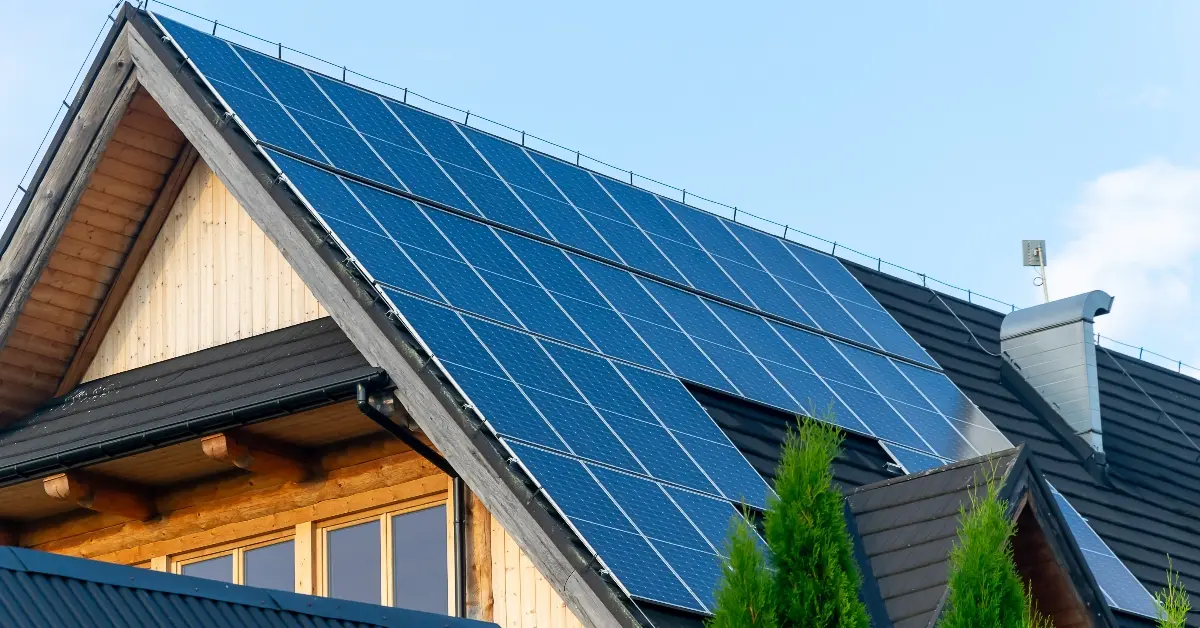
One of the most significant advantages of solar energy is its ability to substantially reduce electricity bills in homes in the UAE, where cooling systems account for a large share of energy consumption.
Rooftop solar systems can typically offset 50–80% of household electricity usage, depending on system size, roof space, and consumption patterns. In villas with high air-conditioning demand, this often results in monthly savings of AED 500 to AED 1,000 or more, particularly during peak summer months.
Under net metering schemes such as Shams Dubai, excess electricity generated during the day is exported to the grid and credited against future consumption. This allows homeowners to maximise the value of their solar production, even when energy usage is lower during daylight hours.
The UAE’s high solar irradiance and long daylight hours contribute to strong and consistent energy generation throughout the year. As a result, most residential systems achieve a payback period of approximately 3 to 6 years, depending on installation cost, system size, and electricity tariffs.
Beyond the payback period, solar panels continue to generate electricity for 20 to 30 years, significantly reducing long-term energy expenses. This makes solar energy not only a cost-saving measure but also a reliable long-term financial investment for homeowners.
Explore All Villas Available for Monthly Rental in Dubai
-
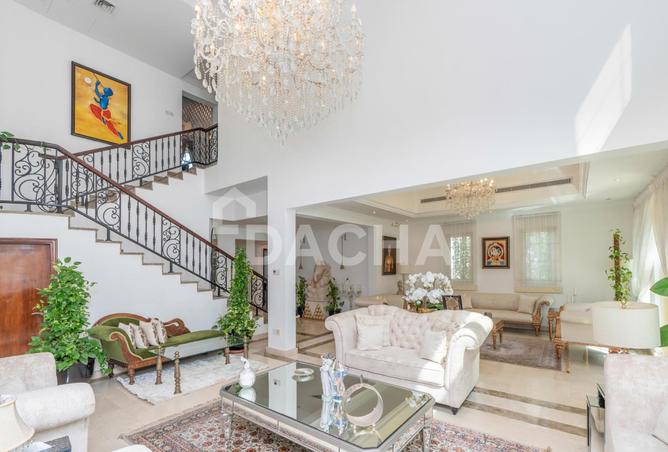

Villa
Listed 1 day ago
690,000 AED/year
Upgraded | Fully Furnished | Vacant
Entertainment Foyer, Mediterranean Clusters, Jumeirah Islands, Dubai
4
5
10,784 sqft
-
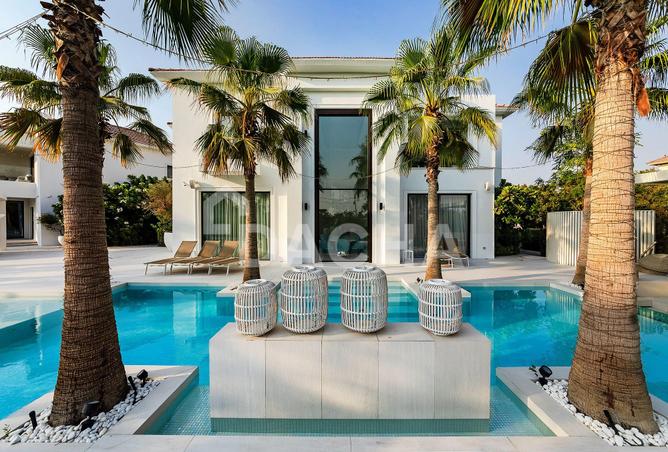
Villa
Listed 4 days ago
4,000,000 AED/year
Luxury Twin Villas | Cinema/Spa/Recording Studio
Entertainment Foyer, Mediterranean Clusters, Jumeirah Islands, Dubai
7+
7+
11,940 sqft
-
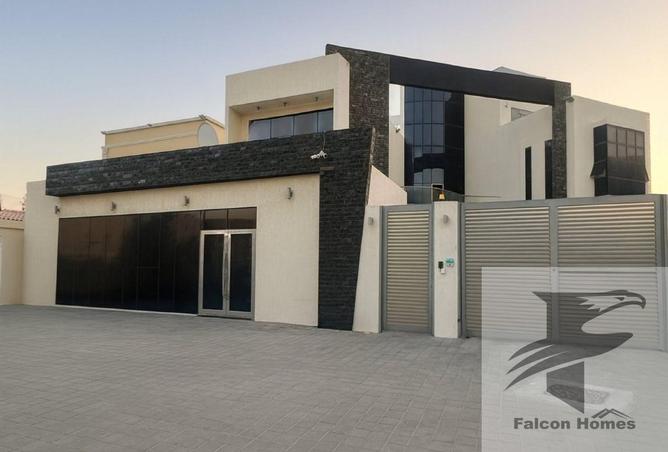
Villa
Listed 1 day ago
599,000 AED/year
Spacious 6BR Elegant Villa with Majlis
Al Barsha South 2, Al Barsha South, Al Barsha, Dubai
6
7
12,304 sqft
-
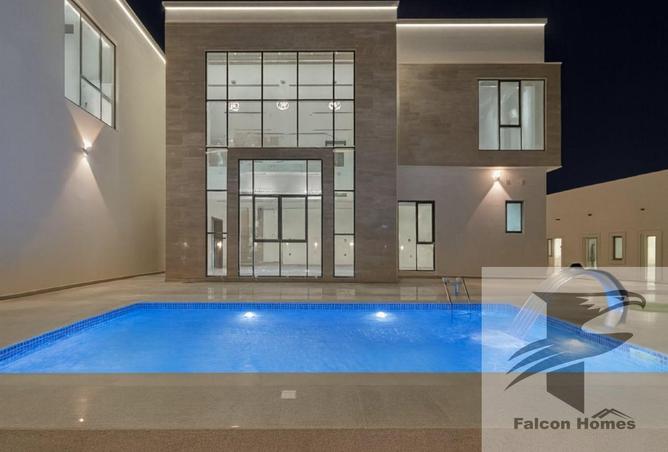
Villa
Listed 1 day ago
749,000 AED/year
Brand New | 6BR Villa with Pool and Big Garden
Nad Al Sheba Villas, Nad Al Sheba 3, Nad Al Sheba, Dubai
6
7+
12,909 sqft
-
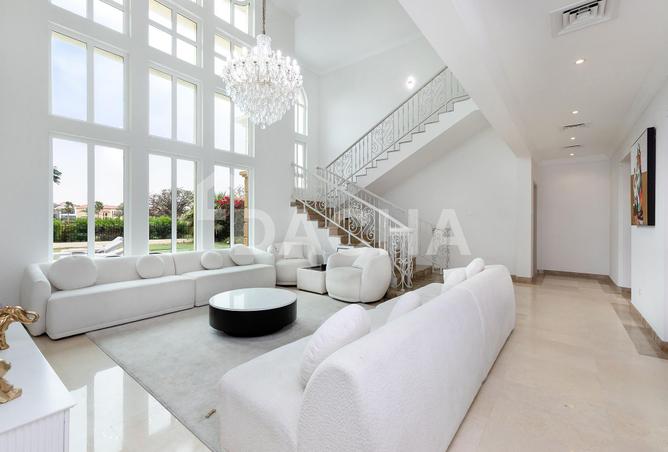
Villa
Listed 1 week ago
800,000 AED/year
Vacant June | Huge Extended Plot | Main Lake Views
Garden Hall, European Clusters, Jumeirah Islands, Dubai
4
6
10,632 sqft
-
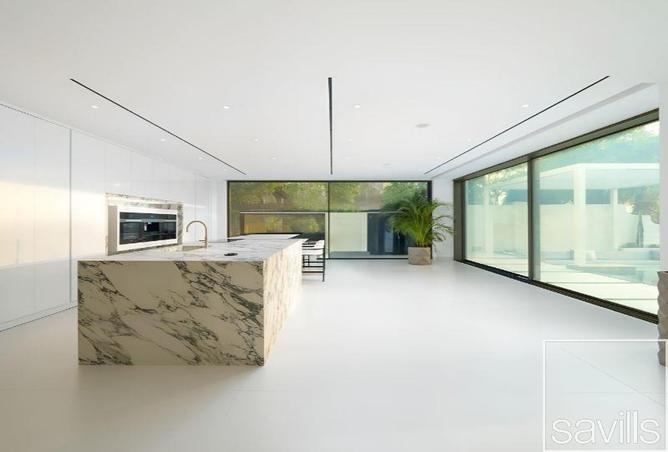
Villa
Listed 3 weeks ago
3,500,000 AED/year
Luxury Villa | Private Lake View | Large Plot
Entertainment Foyer, Mediterranean Clusters, Jumeirah Islands, Dubai
5
6
10,290 sqft
-
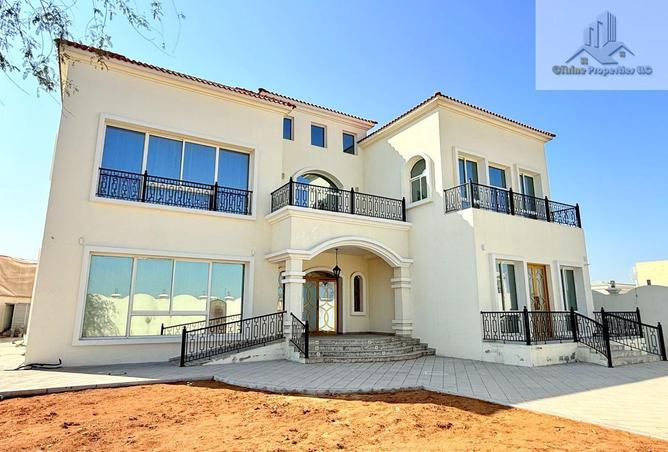
Villa
Listed 4 days ago
450,000 AED/year
Corner Villa | Garden Area | Covered Parking
Nad Al Sheba 4, Nad Al Sheba, Dubai
5
7
17,801 sqft
-
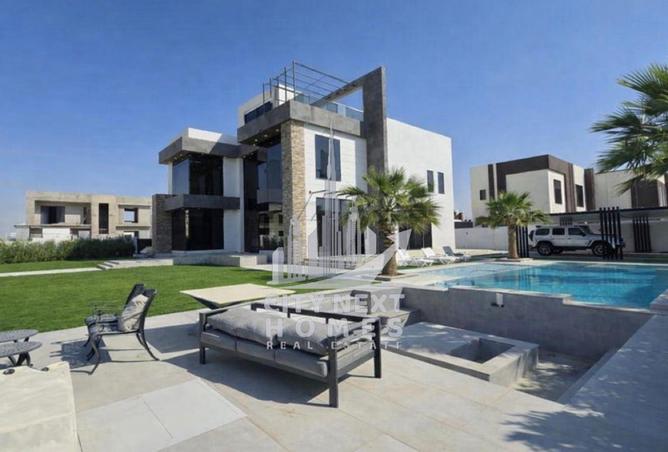
Villa
Listed 2 days ago
499,000 AED/year
Luxury Villa| 6 Bedrooms| 2 Kitchen| Private pool
Al Aweer 1, Al Aweer, Dubai
6
7
14,115 sqft
-
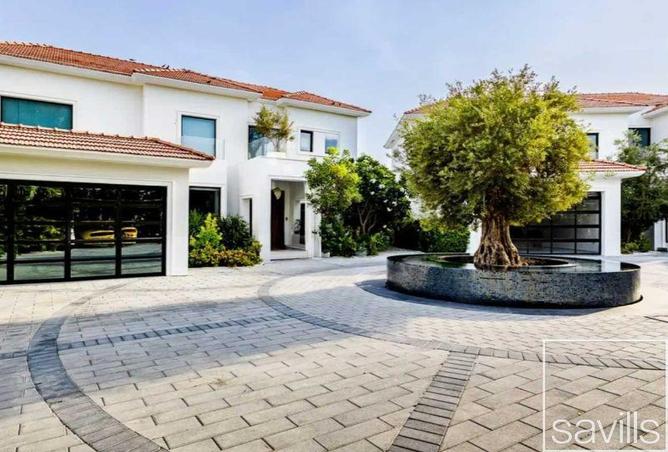
Villa
Listed 3 weeks ago
4,000,000 AED/year
Exclusive | Unique Dual Villa | Cinema | Spa
Entertainment Foyer, Mediterranean Clusters, Jumeirah Islands, Dubai
7
7+
14,025 sqft
-
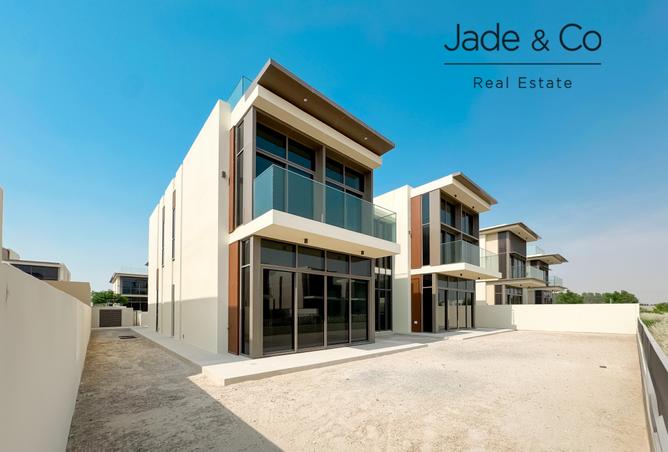
Villa
Listed 5 days ago
1,199,999 AED/year
Exclusive | Key in Hand | Vacant
Golf Place 2, Golf Place, Dubai Hills Estate, Dubai
5
6
7,104 sqft






Higher Property Value
Installing solar panels can increase the market value and overall appeal of residential properties in the UAE, particularly in villa communities where energy consumption is high.
Homes equipped with solar systems are often more attractive to buyers and tenants due to their lower operating costs and long-term energy savings. Reduced utility bills can be a strong selling point, especially for end-users looking to manage ongoing household expenses.
In addition, solar-equipped properties align with the growing demand for sustainable and energy-efficient homes. This is increasingly relevant in the UAE, where sustainability initiatives and green building standards are becoming more prominent.
Solar installations can contribute to:
- Higher resale value, as buyers factor in future energy savings
- Improved rental attractiveness, particularly for long-term tenants
- Reduced vacancy rates, especially in competitive rental markets
- Stronger positioning in sustainability-focused communities
In some developments, energy-efficient features such as solar panels can also enhance a property’s overall marketability, making it stand out compared to similar homes without renewable energy systems.
Low Maintenance and Long Lifespan
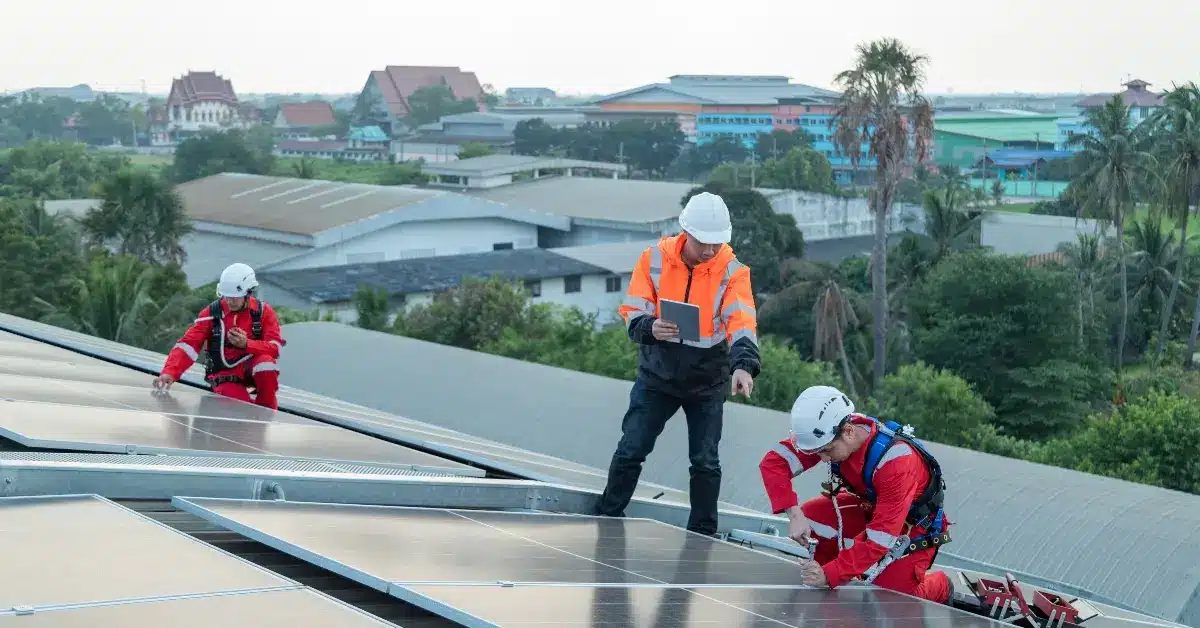
Solar energy systems require relatively little maintenance compared to most residential infrastructure, making them a practical solution for homeowners in the UAE.
Routine upkeep is limited and typically includes:
- Panel cleaning to remove dust and debris that can reduce efficiency
- Periodic electrical inspections of wiring, connections, and inverter performance
- System monitoring to ensure expected energy output
Due to the UAE’s dusty environment, cleaning is usually required every 3 to 6 months to maintain optimal performance. This can be done manually or through professional cleaning services.
Maintenance costs remain low, with most villa systems costing approximately AED 600-1,000 per year, depending on system size and service frequency.
Solar panels are designed for long-term use and typically have operational lifespans of 20 to 25 years or more, with a gradual, predictable decline in efficiency over time. Inverters, which convert solar energy into usable electricity, may require servicing or replacement after 8 to 12 years.
With no moving parts, solar systems are inherently durable and less prone to mechanical failure, resulting in high reliability and minimal ongoing maintenance requirements.
Earning Potential and Government Incentives
Solar energy systems can provide financial returns beyond direct electricity savings through grid integration and government-supported programmes.
In Dubai, initiatives such as Shams Dubai enable homeowners to connect their solar systems to the public grid under a net metering framework. This allows households to:
- Export excess electricity generated during the day to the grid
- Receive bill credits that offset electricity consumption at night or during low production periods
This mechanism ensures that surplus energy is not wasted and improves the system’s overall financial return, particularly for households that generate more electricity than they consume during daylight hours.
Government programmes across the UAE also play a key role in supporting solar adoption by:
- Establishing clear regulatory frameworks for residential solar installation
- Ensuring safe and compliant grid integration
- Promoting renewable energy use in line with national sustainability strategies
While direct cash payments are uncommon in most residential setups, the ability to offset future electricity costs through credited energy contributes to overall savings and improves the long-term financial viability of solar installations.
Energy Independence and Protection from Rising Costs
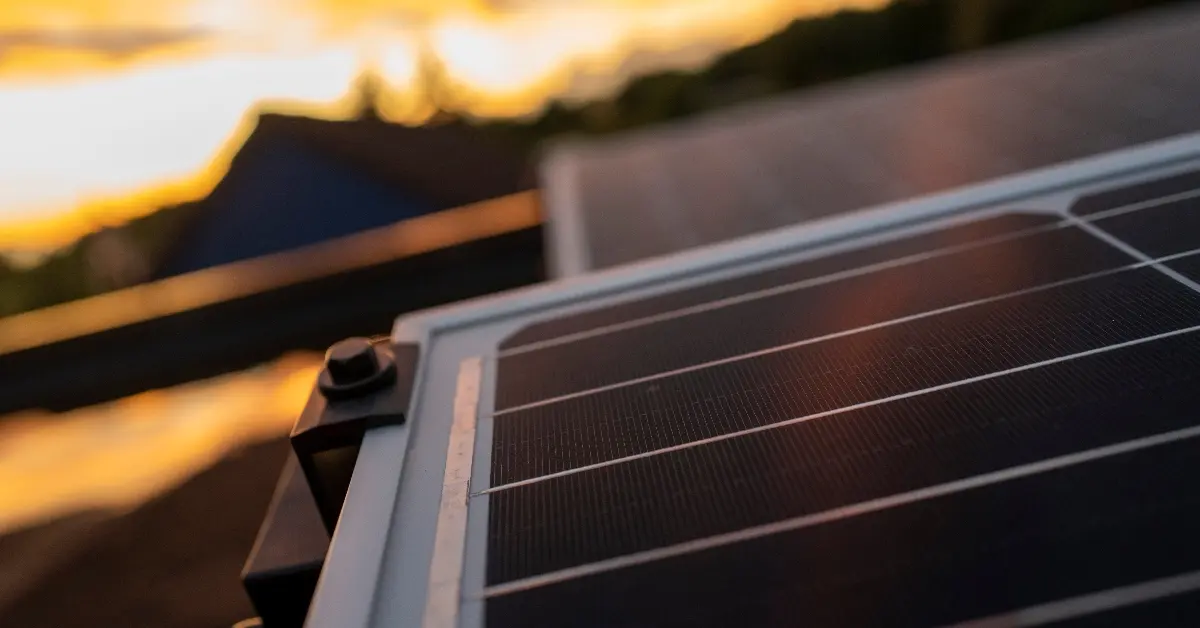
Solar power allows homeowners to reduce their reliance on utility providers by generating electricity on-site, providing greater control over energy use and long-term costs.
In the UAE, where electricity demand is heavily driven by cooling systems, solar installations can significantly reduce dependence on grid-supplied power during peak daytime hours. This is particularly valuable during the summer months when energy consumption and tariffs are typically higher.
By producing your own electricity, you benefit from:
- Greater control over energy consumption, with the ability to match production to household usage
- Reduced exposure to rising electricity tariffs, which have increased in recent years
- More predictable long-term energy costs, as solar generation remains consistent over time
Additionally, under net metering systems, excess daytime production can offset nighttime consumption, further stabilising energy expenses.
This combination of self-generation and grid integration provides a level of energy independence while still maintaining the reliability of the utility network.
Environmental and Sustainability Benefits
Solar energy is a clean and renewable energy source that significantly reduces the environmental impact of residential electricity consumption in the UAE.
Unlike conventional power generation, which relies on natural gas and other fossil fuels, solar systems produce electricity without direct carbon emissions. This helps reduce a household’s overall carbon footprint, particularly in energy-intensive villas.
Key environmental benefits include:
- Reduced carbon emissions, contributing to cleaner air and lower greenhouse gas output
- Decreased reliance on fossil fuel-based electricity, which dominates traditional power generation in the region
- Support for national sustainability targets, including the UAE’s clean energy and net-zero initiatives
By adopting solar energy at the residential level, homeowners contribute to broader efforts to transition toward renewable energy and reduce environmental impact. This aligns with the UAE’s long-term strategies focused on sustainable development and energy diversification.
Improved Home Efficiency
Solar panels can improve home performance by reducing heat gain and lowering overall energy demand, particularly in the UAE’s hot climate.
When installed on rooftops, solar panels act as an additional layer of shading, limiting direct solar radiation from reaching the roof surface. This can help reduce heat absorption and lower the roof structure’s temperature.
As a result, homes may experience:
- Reduced indoor heat gain, especially during peak sunlight hours
- Lower cooling demand, easing the load on air conditioning systems
- Improved overall energy efficiency, particularly in villas with large roof areas
While the impact on cooling costs is typically secondary compared to direct electricity generation, this passive benefit can contribute to more efficient energy use over time.
Reliable and Abundant Energy Source
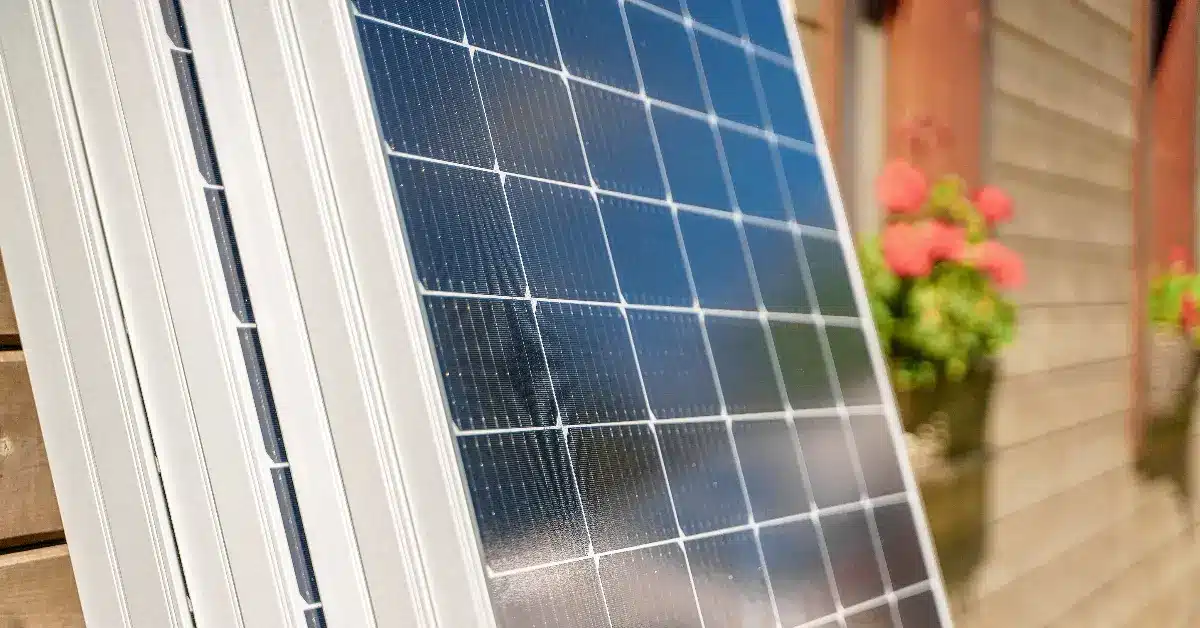
The UAE’s climate provides ideal conditions for solar energy generation, making it one of the most effective regions for residential solar systems.
With consistently high solar irradiance and long daylight hours throughout the year, rooftop systems can deliver stable, predictable energy output. Unlike regions with seasonal variability, solar production in the UAE remains relatively consistent, with only moderate fluctuations between winter and summer months.
Key advantages include:
- High solar exposure, enabling efficient electricity generation across most of the year
- Consistent performance, with strong output even during winter due to clear skies
- Scalability, allowing systems to be sized according to household energy needs
This reliability ensures that solar energy can serve as a dependable primary or supplementary power source for homes, particularly when combined with grid connectivity through net metering.
Key takeaways
Solar energy offers a practical and cost-effective solution for UAE homeowners, delivering immediate savings on electricity bills, increasing property value, and requiring minimal maintenance. With strong solar conditions, supportive government initiatives, and long system lifespans, residential solar installations provide reliable long-term returns. Beyond financial benefits, they also enhance energy efficiency, reduce reliance on the grid, and support national sustainability goals, making solar a smart long-term investment for modern homes.
FAQs
Most UAE homeowners can reduce their electricity bills by 50–80%, with typical monthly savings ranging from AED 500 to AED 1,000 depending on system size and energy consumption.
In the UAE, residential solar systems typically have a payback period of 3 to 6 years, after which homeowners benefit from significantly reduced electricity costs for decades.
No, solar panels require minimal maintenance. Regular cleaning every 3–6 months and occasional inspections are usually sufficient, with annual maintenance costs remaining relatively low.
Yes, in Dubai, programmes like Shams Dubai allow homeowners to export excess electricity to the grid and receive bill credits through net metering, improving overall savings.