

The UAE’s real estate market is known for ambitious developments, modern communities, and strong investor interest. Among the many opportunities available in the UAE, off-plan property investments continue to attract both first-time buyers and experienced investors.
You may have already seen them. Sleek apartment towers are advertised with futuristic designs. Master-planned communities promise waterfront views and landscaped parks. Flexible payment plans that seem surprisingly manageable.
However, buying property before it is completed naturally raises questions. How does the process work? Is it safe? And what should you check before committing?
This guide explains everything you need to know about off-plan property purchases in the UAE. From understanding the concept to evaluating developers, payment plans, and risks, the goal is simple: help you make a confident and informed decision.
- What off-plan property means
- How off-plan property purchases work in the UAE
- Government regulations
- Escrow accounts
- Who can buy off-plan property in the UAE
- UAE Cities popular for off-plan investments
- How to choose the right developer
- Steps before buying off-plan
- Payment plans and financing options
- Costs and fees
- Documents required
- Step-by-step process for buying off-plan property
- Post-purchase
- Pros and cons of buying off-plan property
- Comparison table: Off-plan property vs ready property
- Key takeaways
- FAQs
What does off-plan property means
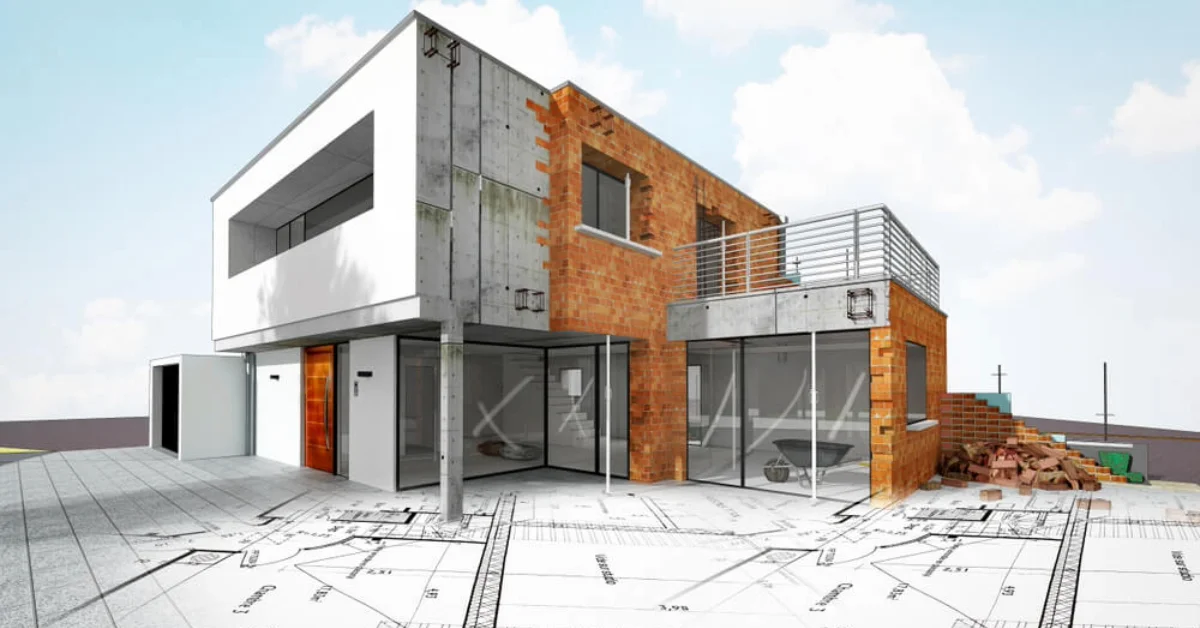
In simple terms, off-plan property refers to real estate purchased before construction is complete. Sometimes, the building may not even exist yet beyond architectural plans.
Buyers typically rely on:
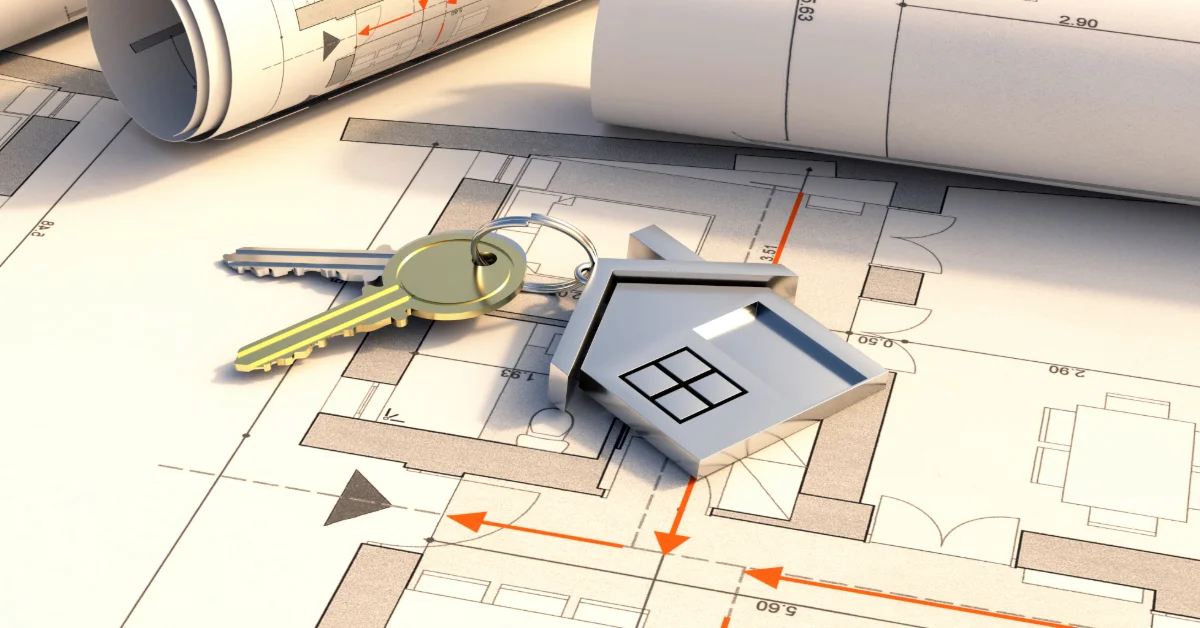
- Floor plans
- Project renderings
- Developer brochures
- Model units or showrooms
Developers begin selling units early to finance construction. In return, buyers often receive lower prices and flexible payment structures compared with ready properties.
Within the off-plan property market in the UAE, projects generally fall into three categories:
Pre-launch projects
These are developments offered to investors before public release. Prices are often lower, but details may still be limited.
Under-construction projects
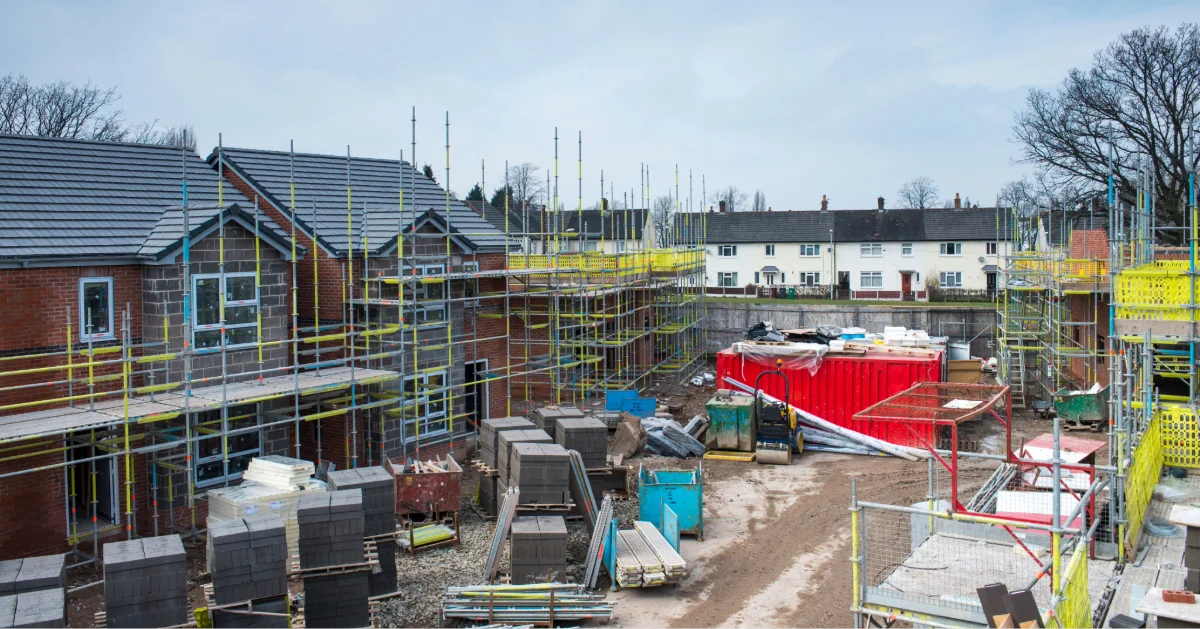
Construction has already begun, and you can see actual progress on site.
Newly launched developments
These projects have just entered the market, typically with promotional pricing and early-bird incentives.
How off-plan property purchases work in the UAE
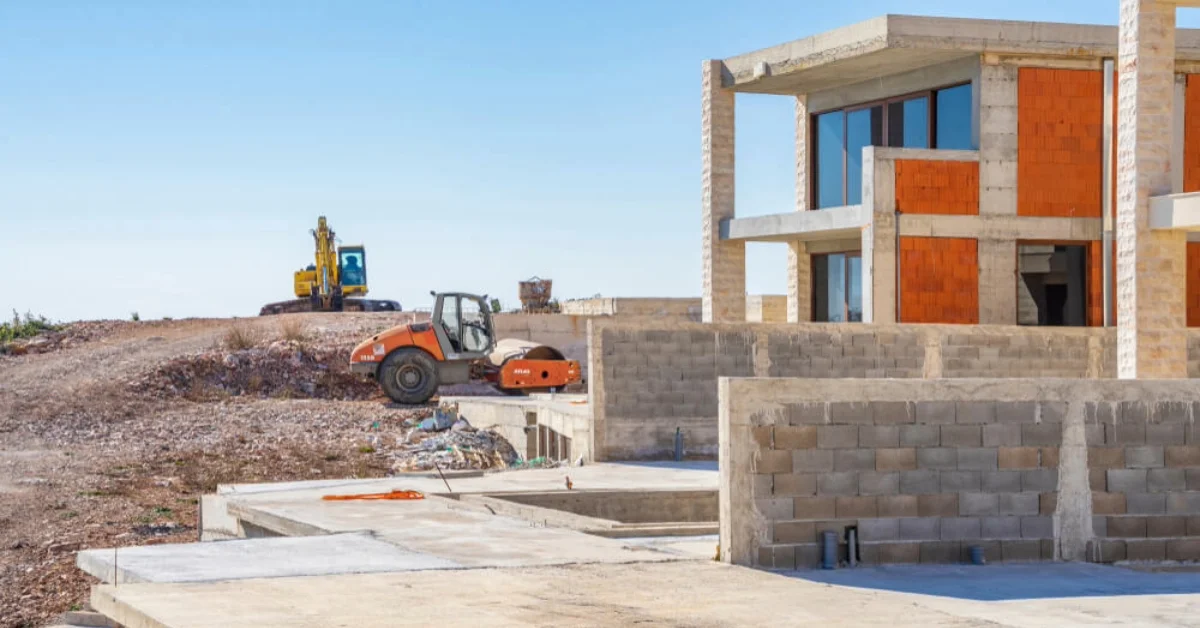
The off-plan buying process in the UAE is relatively structured. Developers launch projects, buyers reserve units, and payments are made in stages as construction progresses.
Typically, the process involves:
- Selecting a unit from a developer project
- Paying a booking fee or reservation deposit
- Signing the Sale and Purchase Agreement (SPA)
- Registering the property with the relevant authority
- Following the developer’s payment schedule
In most cases, payments are linked to construction milestones. For example, a percentage may be due upon completion of the foundations, another portion upon completion of the structure, and the final amount upon handover.
Government regulations
One reason the off-plan property market has grown significantly in the UAE is the strong regulatory framework introduced after earlier market cycles.
Authorities closely monitor new projects to ensure transparency and buyer protection.
Key regulatory bodies include:
- Dubai Land Department (DLD)
- Real Estate Regulatory Agency (RERA)
- Department of Municipalities and Transport (DMT) in Abu Dhabi
These authorities require developers to meet several conditions before selling units, such as:
- Registering the project with the government
- Opening regulated escrow accounts
- Demonstrating financial capability
- Obtaining construction approvals
As a result, the off-plan market today is far more structured than it was in the early days of UAE real estate expansion.
Escrow accounts
One of the most important safeguards in the UAE property market is the escrow account system.
When buyers pay instalments for an off-plan property, those funds do not go directly to the developer’s general accounts. Instead, they are deposited into a regulated escrow account dedicated to that specific project.
This system helps prevent:
- Misuse of buyer funds
- Abandoned projects
- Financing shortfalls
For investors considering an off-plan property in the UAE, escrow accounts are a crucial layer of financial protection.
Who can buy off-plan property in the UAE?
The UAE property market is open to a wide range of buyers. Both residents and international investors participate actively in off-plan developments.
Eligible buyers include:
- UAE nationals
- UAE residents
- Foreign investors and expatriates
However, there is an important condition. Foreign buyers can purchase property only within designated freehold areas.
These zones allow full ownership rights, including the ability to sell, lease, or transfer the property.
Understanding freehold and leasehold ownership
Before purchasing property in the UAE, it helps to understand the difference between freehold and leasehold ownership.
| Ownership Type | Description |
|---|---|
| Freehold | Full ownership of the property and land |
| Leasehold | Long-term rights to use property, typically 30–99 years |
Most international buyers prefer freehold properties because they offer long-term ownership and full resale rights.
Freehold zones are available in several UAE cities, especially within major developments and planned communities.
UAE Cities popular for off-plan investments
Dubai leads the region in new property launches. The city offers a wide range of projects, from luxury waterfront residences to affordable suburban communities.
The capital focuses on well-planned communities and long-term infrastructure development. Investors often appreciate its stability and quality standards.
Sharjah has become increasingly attractive due to its relatively affordable property prices and growing residential developments.
With tourism growth and new resort projects, Ras Al Khaimah is emerging as an interesting destination for off-plan buyers seeking lower entry prices.
Needless to say, each city offers different price points, investment timelines, and lifestyle environments.
Explore top off-plan properties for sale in the UAE
-

The Row Saadiyat
Abu Dhabi, Saadiyat Island, The Row Saadiyat
1, 2 and 3 bedrooms
From: AED 3,700,000
Manchester City Residences
Abu Dhabi, Yas Island, Manchester City Residences
1, 2, 3, 4 and 5 bedrooms
From: AED 1,700,000 Down payment: 5%
Palmiera Collective
Dubai, The Oasis by Emaar, Palmiera Collective
4, 5 and 6 bedrooms
From: AED 13,600,000
Virella 2
Dubai, The Valley
Serro The Heights
Dubai, The Heights Country Club & Wellness, Serro
3, 4 and 5 bedrooms
From: AED 6,850,000
The Meriva Collection
Dubai, Dubai Islands
1, 2 and 3 bedrooms
From: AED 2,700,000
The Brooks at Sobha Sanctuary
Dubai, Dubai Land, Sobha Sanctuary, The Brooks at Sobha Sanctuary
4 and 5 bedrooms
From: AED 3,995,908 Down payment: 20%
Bayn Waterway
Abu Dhabi, Ghantoot
3, 4 and 5 bedrooms
From: AED 10,000,000 Down payment: 10%
Ovelle
Dubai, The Valley, Ovelle
4 and 5 bedrooms
From: AED 7,085,888 Down payment: 10%
How to choose the right developer
When buying off-plan property, the developer’s reputation matters as much as the property itself. Since construction is still ongoing, buyers rely heavily on the developer’s reliability.
Key factors to evaluate real estate developers include:
- Track record of completed projects
- Delivery timelines
- Construction quality
- Financial stability
- Market reputation
- Customer feedback
If possible, visit previous developments built by the same developer. Seeing completed properties can provide a realistic idea of construction standards.

Steps before buying off-plan
Even though regulations are strong, buyers should always conduct their own research.
Important checks include:
- Verifying that the project is officially registered
- Confirming the escrow account details
- Reviewing the developer’s previous projects
- Studying floor plans and layouts carefully
- Understanding service charges
- Evaluating the surrounding infrastructure
- Checking transport access and future development plans
Taking time to review these factors helps avoid unpleasant surprises later.
Payment plans and financing options
Flexible payment plans are one of the main reasons buyers choose to buy an off-plan property in the UAE.
Common structures include:
- Construction-linked payment plans: Payments are made at key construction milestones.
- Post-handover payment plans: Part of the property price can be paid after the property is delivered.
- Fixed instalment schedules: Buyers pay regular instalments over several years.
In some cases, banks may provide mortgages for off-plan properties, although financing options depend on:
- The developer
- Project approval by banks
- The stage of construction
Some buyers choose developer payment plans instead of bank financing because they are simpler and sometimes interest-free.
Costs and fees
Beyond the property price, buyers should budget for additional costs. Common fees include:
- Property registration fee (usually around 4%)
- Administrative developer fees
- Trustee office fees
- Real estate agent commission
- Mortgage processing fees (if applicable)
- Service charges after completion
Some developers occasionally offer promotions where they cover part of the registration fee, making the purchase slightly more affordable.
Documents required to buy off-plan property
Buying off-plan properties usually involves a straightforward documentation process.
Documents needed include:
- Passport copy
- Emirates ID (for residents)
- Proof of address
- Reservation or booking form
- Signed Sale and Purchase Agreement (SPA)
International buyers can often complete purchases remotely with the help of authorized agents or legal representatives.
Step-by-step process for buying off-plan property

The buying process is relatively clear once you understand the stages.
- Choose the project and specific unit
- Pay the booking or reservation fee
- Sign the Sale and Purchase Agreement (SPA)
- Register the property with the relevant authority
- Follow the payment plan during construction
- Receive the property upon completion
Post-purchase
Once you have signed and begun payments, the focus shifts to tracking construction progress, meeting payment milestones, and preparing for the eventual handover of the property.
Selling an off-plan property before completion
Some investors purchase off-plan properties with the intention of selling them before the project is finished. This is possible, but certain conditions often apply.
For example:
- Developer approval may be required
- A minimum payment percentage may need to be completed
- Transfer fees may apply
What happens if the project is delayed

Construction delays occasionally occur in real estate developments. Reasons may include supply chain issues, design changes, or economic conditions. Fortunately, most modern off-plan contracts include clauses addressing delays.
You should carefully review the SPA to understand:
- The expected handover date
- Grace periods for delays
- Possible compensation clauses
In extreme cases, legal remedies may be available if the delay becomes excessive.
What to expect after property handover
Once the project is completed, buyers go through several final steps before receiving the keys.
These typically include:
- Conducting a snagging inspection
- Making the final payment
- Registering the title deed
- Receiving property ownership documentation
Afterwards, owners may choose to:
- Move into the property
- Rent it out
- Sell it on the secondary market
Pros and cons of buying off-plan property
Like any investment, off-plan property purchases in the UAE have advantages and potential risks.
Advantages
- Lower purchase prices
- Flexible payment plans
- Potential capital appreciation
- Access to brand-new developments
Disadvantages
- Possible construction delays
- Reliance on developer quality
- Market fluctuations
- Limited ability to rent until completion
Comparison table: Off-plan property vs ready property
Both off-plan and ready properties have their own appeal.
Feature Off-Plan Property Ready Property Construction Still being built Already completed Price Often lower Typically higher Payment plan Flexible installments Usually mortgage-based Rental income After completion Immediate Key takeaways
- Off-plan property investments involve purchasing property before construction is completed.
- Buyers often benefit from lower prices and flexible payment plans.
- Government regulations and escrow accounts help protect investor funds.
- Choosing a reputable developer is one of the most important decisions.
- Buyers should conduct thorough due diligence before signing contracts.
- Off-plan property can offer strong long-term returns, but patience is required until the project is completed.
FAQs
Can I get a mortgage for off-plan property in the UAE?Yes, mortgages are available for off-plan properties, though they depend on the project and the bank’s policies.
Can foreigners buy an off-plan property in the UAE?Yes, foreigners can buy off-plan property in the UAE. However, they can only purchase property in designated freehold areas, which allow full ownership rights.
What happens if the off-plan project is delayed?Project delays can occur, but the Sale and Purchase Agreement usually includes clauses explaining what happens in such cases.
What are the main risks of buying off-plan property?The main risks include construction delays, possible design changes, and market fluctuations between purchase and completion. These risks can be reduced by choosing reputable developers and verifying that the project is properly registered.
How long does it take for an off-plan property to be completed?Most off-plan developments in the UAE take between two and five years to complete, depending on the size of the project, construction schedule, and infrastructure requirements.
Share

pfA
Property Finder
Real Estate Professionals