



Dubai navigation gets easier once you realise one thing: road numbers matter as much as road names. The same route might be “Sheikh Zayed Road” in conversation, “E11” on signs, and something slightly different on older maps.
If you’re new to the city, this guide helps you make sense of the system so you can plan commutes, compare routes, and avoid those last-minute lane changes.
- What is the difference between E roads and D roads in Dubai?
- Which Dubai highways should you know first?
- How do you read Dubai road signs, exit numbers, and interchanges?
- What should you know about Salik and speed limits?
- Which road should you take for common Dubai trips?
- How can maps and GPS help you learn Dubai roads faster?
- A quick first-week practice plan for learning Dubai roads
- What are practical tips for tourists and newcomers?
- Key Takeaways
- FAQs
What is the difference between E roads and D roads in Dubai?
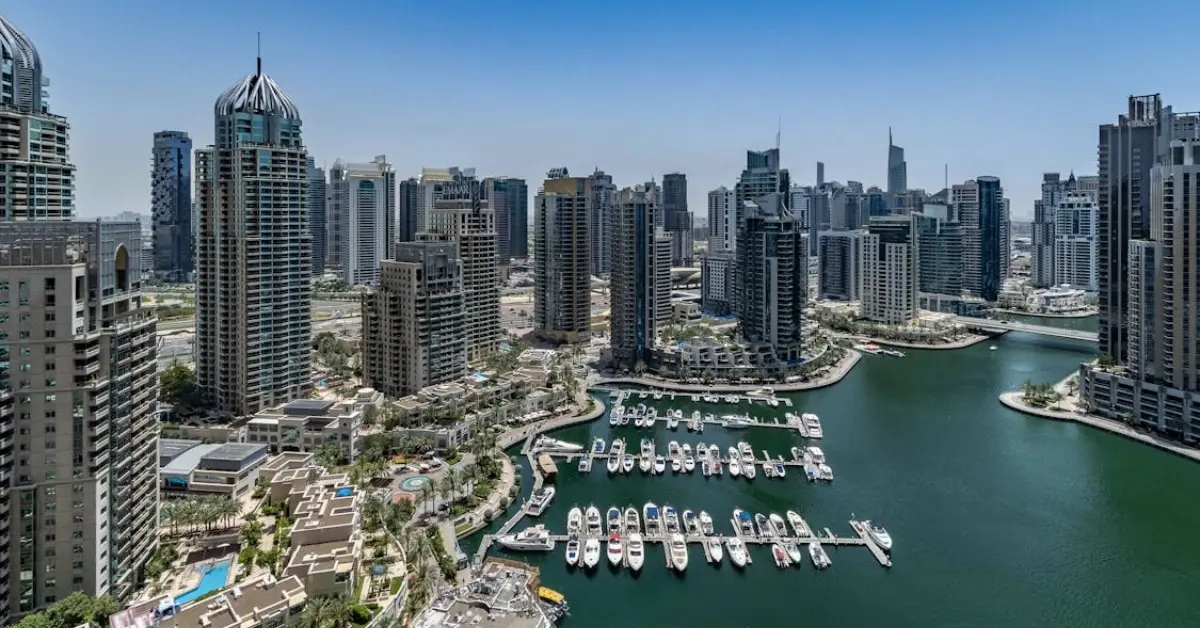
Dubai uses two main route types you’ll see on signs, maps, and navigation apps: E roads and D roads. Once you understand what they represent, it becomes much easier to choose the right corridor, especially when a road has more than one “everyday” name.
- E roads (Emirates routes) are the big, high-capacity highways. They connect Dubai to other emirates and also serve as long cross-city corridors that carry heavy commuter traffic. A classic example is E11 (Sheikh Zayed Road), which runs through central Dubai, and E311 (Sheikh Mohammed bin Zayed Road), which many residents use for longer cross-city trips.
- D roads (Dubai routes) are internal city routes that connect districts, neighbourhoods, and local destinations. They can be major roads, but their job is usually “within Dubai” navigation rather than emirate-to-emirate travel. For example, you may see routes like D94 referenced alongside its more familiar street name.
A useful habit is to remember both the route number and the common name. Names can change, and some stretches have more than one local name, but the E/D code is usually the most consistent reference.
Which Dubai highways should you know first?
Most residents learn a handful of core routes early because they show up in everyday commutes and weekend plans. Once you recognise these numbers, navigation starts to feel far less random.
- E11: Sheikh Zayed Road
E11 is Dubai’s best-known corridor, running through many of the city’s busiest zones. It’s often the fastest north–south option, but it can also be the most sensitive to peak-hour congestion and Salik timing.
- E311: Sheikh Mohammed bin Zayed Road
E311 runs parallel to E11 and is a common choice for longer cross-city travel. Many drivers prefer it when they want to avoid the city’s densest central stretches.
- E44: Al Khail Road and the Dubai–Hatta route
E44 is one of the main “spine” routes that helps you cut across Dubai efficiently. Parts of it are known locally by different names depending on where you are, which is exactly why the route number is useful.
- E611: Emirates Road
E611 works well as a bypass, especially when you’re travelling without needing to enter central Dubai. It’s widely used for long-distance travel and in heavy-traffic areas.
- E66: Dubai–Al Ain Road
E66 is the key link towards Al Ain and inland routes. In practice, it’s also used by residents living in outer districts who commute towards central Dubai.
- D94: Jumeirah Road and coastal connections
D94 is a familiar “coastal” route for local movement. It’s the kind of road where the D-number helps you stay oriented even when the street name changes by section.
How do you read Dubai road signs, exit numbers, and interchanges?
Dubai signage is designed to work for both residents and newcomers, but it helps to know what to prioritise when you glance up.
Start with this order: route number → direction → exit number → place name. If you focus only on a place name, you can miss the route split that actually matters.
Exit numbers are especially useful on major highways. If you’re following directions like “Exit 22”, treat that as the anchor, then confirm the district name below it. This approach also helps when a road has multiple names across different stretches.
What should you know about Salik and speed limits?
Salik and speed limits are part of everyday route planning in Dubai. A drive that looks “shortest” on the map can feel different once you factor in toll points and peak-hour flow.
Speed limits vary by road type and section, and they can change quickly near interchanges. The safest habit is simple: use the posted sign as your reference, and let your navigation app warn you early for upcoming changes.
If you’re still building confidence behind the wheel, linking road learning with rules can help, such as the rules for driving in Dubai as a tourist.
Which road should you take for common Dubai trips?
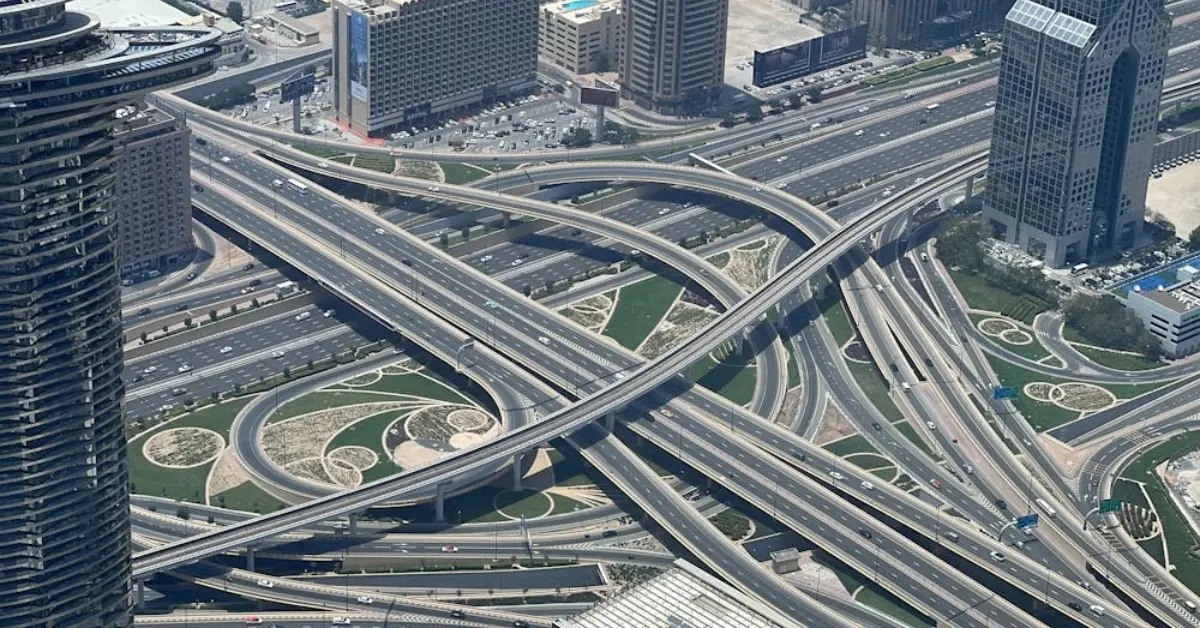
If you’re not sure which corridor makes sense, think in terms of “where you’re trying to be” rather than “what the app suggested once”.
- For central Dubai and major landmarks, E11 is often the most direct, but it’s also the most affected by rush hour.
- For cross-city movement without the city core, E311 is a common default for longer trips across Dubai.
- For efficient travel across Dubai, E44 is often useful when moving between districts, especially if you’re avoiding central stretches.
- For bypassing busy areas on longer journeys, E611 can be a calmer option when you don’t need central access.
A quick habit that helps: once you find a route that works for your routine, save it as a favourite with both the number and name, so you start recognising it at a glance.
How can maps and GPS help you learn Dubai roads faster?
GPS helps most when you use it as a learning tool, not just a voice telling you what to do.
Try saving routes by both route number and name, like “E311 (Sheikh Mohammed bin Zayed Road)”, so you start recognising patterns. Over time, you’ll notice which corridors suit your lifestyle, such as choosing a faster bypass route for school runs, or a more direct option for late evenings.
A quick first-week practice plan for learning Dubai roads
If you’re new to Dubai, you don’t need to memorise everything. You just need a simple routine that helps the main routes feel familiar fast.
- Day 1–2: Learn your three anchor routes
Do one short drive that touches E11, E311, and E44, even if you exit quickly. The goal is recognition, not distance. - Day 3: Practise one interchange on purpose
Pick a big junction you’ll use often, follow it once, miss nothing on purpose, and note which lane you needed. Next time, it’ll feel easier. - Day 4: Do the same trip at peak time
Try your commute route during the morning or late afternoon rush. You’ll learn where traffic builds and which alternatives actually help. - Day 5: Save your frequent places the “Dubai way”
Save favourites with both name and number, like “E311 (Sheikh Mohammed bin Zayed Road)”, and add a nearby landmark so you recognise it quickly. - Weekend: One relaxed “orientation drive”
Do a calm loop in daylight, then one short night drive. Dubai looks different after dark, and this builds confidence fast.
What are practical tips for tourists and newcomers?
Dubai becomes easier once you build a few repeatable habits and stop trying to memorise everything at once.
- Learn 3–4 “anchor routes” first (for example, E11, E311, E44), then build outward.
- Save frequent destinations with both a landmark area and the route number.
- Check the commute timing twice: once for the morning drop-off and once for the late afternoon pick-up.
- Watch for last-minute lane splits near interchanges and commit to your lane early.
- If a road name looks unfamiliar, trust the route number on the sign first.
Key Takeaways
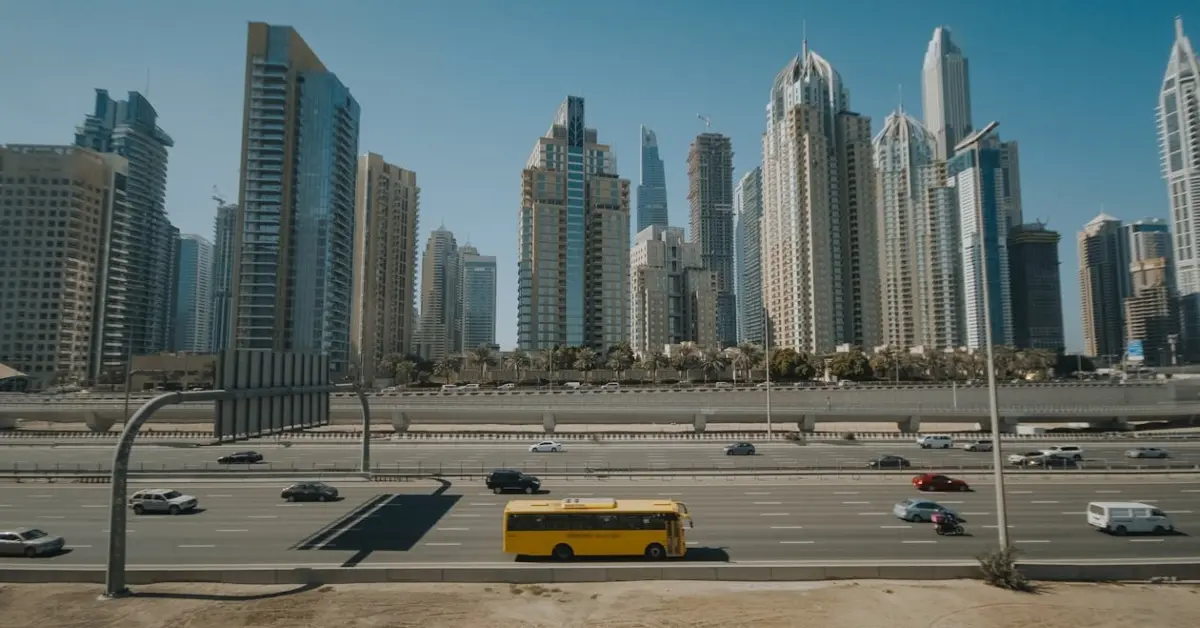
Dubai roads are easier to understand when you focus on route numbers as well as names: E roads are major emirate-connected highways and long cross-city corridors, while D roads are within-Dubai routes linking districts and local destinations. Learn a few core routes first, use exit numbers as your anchor at interchanges, and remember that Salik and speed-limit changes can affect the “best” route depending on time and direction.
FAQs
They are typically major highway corridors and long routes, especially those connecting emirates or crossing Dubai at scale.
Names can vary by section or be updated over time. The route number helps keep the road identifiable across maps and signage.
Watch exit numbers early, stay in the correct lane before the split, and treat “last-second lane changes” as a sign to take the next exit instead.
They can be updated over time. If toll planning matters for your route, check the latest official Salik/RTA updates.
No. It’s direct, but rush hour and Salik can make other routes quicker.
Either. If possible, check both matches (e.g., “E11 Sheikh Zayed Road”).
Sometimes. Salik depends on where the gates are, not whether it’s an E or D road.