



Planning a trip from Dubai to Saudi Arabia by road in 2026 is more straightforward than many expect, provided you prepare your visa, vehicle documents, and budget in advance. The drive from Dubai to Riyadh spans nearly 1,000 kilometres across well-maintained highways, with 24-hour border operations and a structured visa process for UAE residents.
Before setting off, it helps to understand the formalities, real costs, and road conditions so the journey remains smooth from start to finish.
In this guide, know all about:
- Visa and entry requirements to travel from Dubai to Saudi Arabia by road
- Travel route and border crossing
- Travel cost breakdown from Dubai to Saudi Arabia by road
- Vehicle and equipment requirements
- Tips and best practices for travelling from Dubai to Saudi Arabia by road
- Key takeaways
- FAQs
Visa and entry requirements to travel from Dubai to Saudi Arabia by road
Crossing from the UAE into Saudi Arabia by road requires both immigration clearance and vehicle documentation. Saudi authorities have streamlined tourist access in recent years, but travellers must still meet specific criteria.
Saudi eVisa for UAE residents
UAE residents of eligible nationalities can apply online for a Saudi tourist eVisa through the official portal. In most cases:
- A multiple-entry tourist eVisa is valid for one year and allows stays of up to 90 days per visit.
- A single-entry visa typically allows a 30-day stay.
- Fees are approximately AED 294 (SAR 300) for a single-entry visa and AED 490 to 525 (SAR 500 to 535) for a multiple-entry visa, inclusive of mandatory medical insurance.
Applicants must hold a valid passport with at least six months’ validity and a UAE residence visa that is usually valid for at least three months at the time of application.
Documentation at the border
At the Al Ghuwaifat border on the UAE side and Al Batha on the Saudi side, you must present:
- Passport valid for at least six months
- Valid Saudi visa
- Emirates ID
- Valid UAE residence visa
- Original vehicle registration card, known as Mulkiya
- Valid GCC motor insurance covering Saudi Arabia
If driving a rental vehicle, a no-objection letter permitting cross-border travel is mandatory.
The UAE’s Smart Land Border Crossing system at Ghuwaifat allows many motorists to remain inside their vehicles during immigration processing, provided documents are correctly registered under the driver’s name.
Travel route and border crossing

Driving from Dubai to Saudi Arabia by road involves one primary land border and a defined immigration process on both sides.
Main crossing point
The official land route operates via Al Ghuwaifat on the UAE side and Al Batha on the Saudi side. This border crossing operates 24 hours a day.
The standard route is:
Dubai → Abu Dhabi → Al Ghuwaifat (UAE) → Al Batha (Saudi Arabia) → Riyadh
The total distance from Dubai to Riyadh is approximately 980 kilometres, and the drive typically takes 9 to 10 hours, depending on traffic conditions and border processing times.
If you are starting your trip from central neighbourhoods in Dubai, factor in peak-hour traffic before heading towards Abu Dhabi and the western border. Travellers departing from Abu Dhabi typically access the E11 or E11 West corridor directly, making it a smoother start towards Al Ghuwaifat.
Explore the Available Properties for Sale in Dubai
-
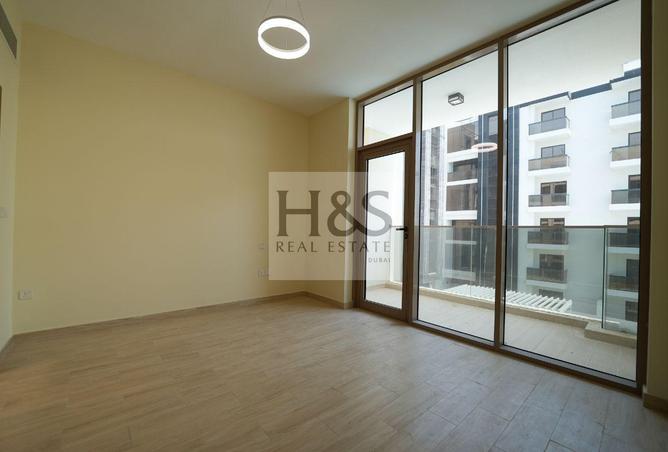
Apartment
Listed 3 weeks ago
1,350,000 AED
Brand New |1 BED with POOL View | Luxury Finishes
03 Residence by NED Al Ghurair, Jumeirah Village Triangle, Dubai
1
2
794 sqft
-

Villa
Listed 3 weeks ago
26,500,000 AED
Turnkey Modern Villa | Direct Golf Course Views
Mirador La Coleccion 1, Mirador La Coleccion, Arabian Ranches, Dubai
7
7+
6,663 sqft
-

Villa
Listed 3 weeks ago
19,500,000 AED
Resort Style Oasis | Huge Plot | Premium Upgrades
Saheel 1, Saheel, Arabian Ranches, Dubai
5
5
15,652 sqft
-
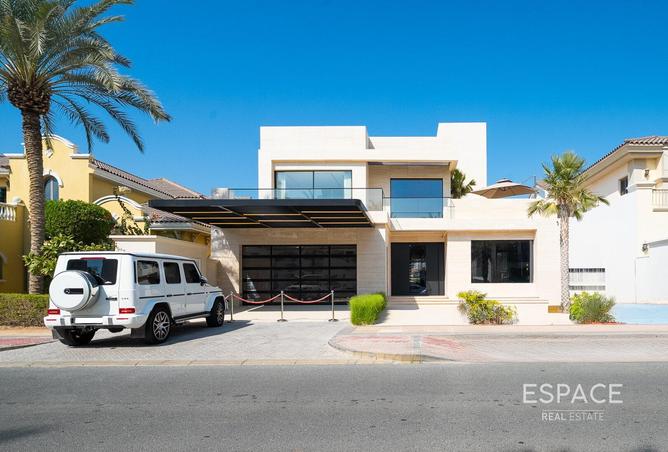
Villa
Listed 2 days ago
59,500,000 AED
Best Priced Upgraded Villa |Atlantis View
Garden Homes Frond L, Garden Homes, Palm Jumeirah, Dubai
5
6
6,699 sqft
-

Apartment
Listed 2 days ago
39,900,000 AED
Luxurious Duplex Loft with Bulgari Marina View
Bulgari Resort & Residences 6, Bulgari Resort & Residences, Jumeirah Bay Island, Jumeirah, Dubai
2
3
4,576 sqft
-
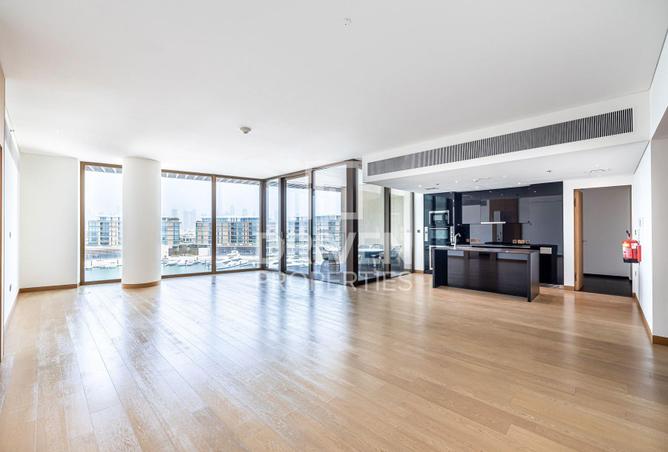
Apartment
Listed 2 days ago
40,000,000 AED
Luxurious | High Floor with Full Marina View
Bulgari Resort & Residences 6, Bulgari Resort & Residences, Jumeirah Bay Island, Jumeirah, Dubai
3
4
2,611 sqft
-
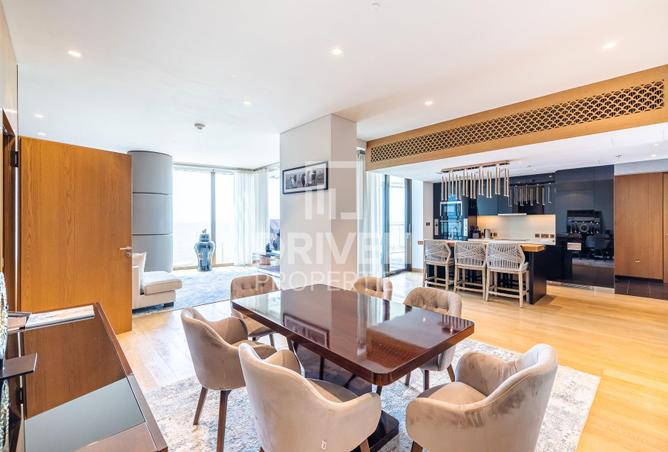
Apartment
Listed 2 days ago
32,000,000 AED
Fully Upgraded with Sea and Skyline View
Bulgari Resort & Residences 6, Bulgari Resort & Residences, Jumeirah Bay Island, Jumeirah, Dubai
3
4
2,630 sqft
-

Villa
Listed 16 hours ago
65,000,000 AED
7-Bed Golf Facing Mansion| JGE Redwood|New Build
Redwood Avenue, Jumeirah Golf Estates, Dubai
7
7+
22,970 sqft
-

Villa
Listed 20 hours ago
69,000,000 AED
Minimalist Design | Stunning Palm Beachfront Villa
Garden Homes Frond N, Garden Homes, Palm Jumeirah, Dubai
5
6
8,200 sqft
-
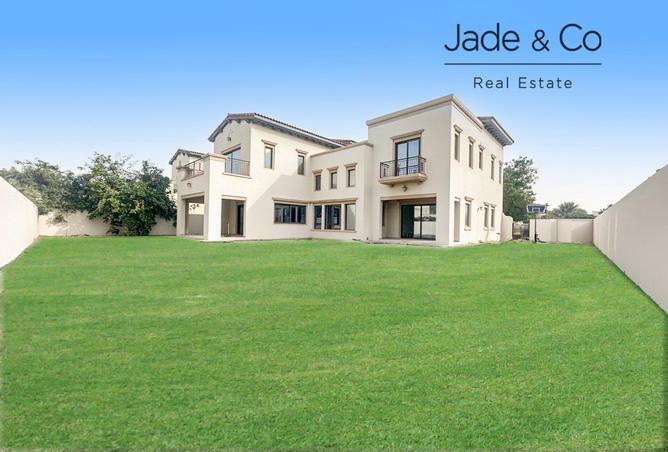
Villa
Listed 2 days ago
11,200,000 AED
Community Expert | Type 3 | Double Height Ceiling
Rasha, Arabian Ranches 2, Dubai
4
6
7,833 sqft








On-border procedures
At the UAE’s Al Ghuwaifat crossing, the Smart Land Border Crossing system allows many motorists to remain inside their vehicle during immigration clearance, provided all documentation is correctly registered under the driver’s name.
At the Saudi Al Batha checkpoint, authorities conduct passport control, visa verification, and vehicle document inspections. Additional vehicle scans or checks may occur. Processing times can increase during Ramadan, Umrah seasons, and major public holidays.
Travel cost breakdown from Dubai to Saudi Arabia by road
Understanding real expenses is essential when planning Dubai to Saudi by road.
Fuel and distance
The distance from Dubai to Riyadh is approximately 980 km, or about 609 miles.
The estimated one-way fuel cost averages around AED 110 to 200, depending on:
- Vehicle fuel efficiency
- Current UAE fuel prices
- Driving speed and air conditioning use
A round trip may therefore cost between AED 220 and 400 in fuel.
Insurance for a vehicle
Temporary Saudi insurance is mandatory if your existing policy does not cover KSA.
Below are approximate costs for foreign or temporary vehicle insurance:
| Duration | Cost (SAR) | Approx. Cost (AED) |
| 1 week | ≈ 120 | ≈ 118 |
| 2 weeks | ≈ 200 | ≈ 196 |
| 1 month | ≈ 250 | ≈ 245 |
| 3 months | ≈ 400 | ≈ 392 |
| 6 months | ≈ 900 | ≈ 882 |
| 1 year | ≈ 1,200 | ≈ 1,176 |
Third-party insurance in Saudi Arabia is mandatory and typically ranges between SAR 600 and 1,500 annually, which is approximately AED 588 to 1,470. Comprehensive policies cost more depending on vehicle type and coverage level.
Insurance can be purchased online or at the border.
Tolls and border or exit fees

Within the UAE:
- Dubai’s Salik toll gates cost AED 4 during off-peak hours and AED 6 during peak hours from 6:00 a.m. to 10:00 a.m. and 4:00 p.m. to 8:00 p.m.
- Salik is free between 1:00 a.m. and 6:00 a.m.
- Abu Dhabi’s Darb toll system applies to certain roads during designated hours.
Saudi highways currently do not charge tolls, except for the King Fahd Causeway connecting to Bahrain.
Border-related costs may include:
- Saudi visa fee
- Temporary vehicle insurance
- A small vehicle entry fee of roughly AED 29 to 30 is reported by some travellers
Vehicle and equipment requirements
Before attempting to travel from Dubai to Saudi Arabia by road, ensure your vehicle complies with both UAE and Saudi regulations.
You must carry:
- Original Mulkiya registered under the driver’s name
- Valid GCC insurance
- Rental permission letter, if applicable
Right-hand drive vehicles are generally restricted from permanent import into Saudi Arabia, and temporary use rules may apply. It is advisable to confirm eligibility in advance.
It is also recommended to carry:
- Spare tyre
- Reflective warning triangle
- Basic toolkit
- Water and emergency supplies
Tips and best practices for travelling from Dubai to Saudi Arabia by road
A long desert drive requires preparation. Consider the following:
- Start early in the morning to avoid heavy city traffic and reduce fatigue.
- Carry Saudi Riyals in cash, as remote stations may not accept cards.
- Inspect tyres, fluids, and brakes before departure.
- Keep digital and printed copies of all documents.
- Ensure your fuel tank is topped up before long stretches without services.
- Avoid driving late at night on poorly lit desert sections.
- Plan rest stops for meals and prayer breaks in designated service areas.
Estimated total cost example
Below is a realistic cost estimate for one traveller making a short visit:
| Expense | Low Estimate | High Estimate | Notes |
| Visa multi-entry eVisa | AED 520 | AED 600 | Includes medical insurance |
| Fuel one-way | AED 110 | AED 200 | Round-trip doubles |
| Vehicle insurance 2 weeks | ≈ AED 196 | N/A | Temporary coverage |
| Tolls in the UAE | AED 20 | AED 100 | Depends on the route |
| Miscellaneous | AED 150 | AED 400 | Food, rest, optional stay |
Overall, a short road trip may cost approximately AED 800 to 1,500, depending on duration and comfort level.
Key takeaways
Driving from Dubai to Saudi by road in 2026 is practical with proper preparation. UAE residents must apply for a Saudi eVisa in advance and carry valid residency and vehicle documentation. Fuel costs remain reasonable for a nearly 1,000 km journey, while Saudi highways do not impose toll charges. Ensuring correct insurance coverage and checking vehicle condition before departure significantly reduces travel risk.
FAQs
Yes. UAE residents must obtain an approved eVisa before arrival and present it at Saudi immigration.
At a minimum, third-party insurance covering your full stay duration in Saudi Arabia is mandatory.
Yes, but only if the rental agreement allows cross-border travel and includes an official no-objection letter.
Service stations can be sparse in desert areas. Carry emergency supplies and avoid driving at night on remote stretches.
Yes, Umrah is permitted on a tourist eVisa outside the Hajj season. Hajj requires a separate visa category.