



Knowing how to sell property in the UAE means knowing that the process involves more steps than many homeowners expect. But when you know what each stage requires, the process is far more easy and manageable. Whether you are selling property in Dubai, Abu Dhabi, Sharjah, or the Northern Emirates, the core process follows a consistent path. It consists of valuation, agent appointment, listing, offer, MOU in Dubai and equivalents in other emirates, and transfer.
This guide walks through every stage of selling property in the UAE, what your agent handles at each step, and how to use Property Finder’s Sell or Rent My Property feature to connect with a specialist before you begin.
- How long does it take to sell a property in the UAE?
- Step-by-step guide on how to sell property in UAE
- Costs involved when selling property in the UAE
- Key takeaways
- FAQs
How long does it take to sell a property in the UAE?
A straightforward sale, one without a mortgage on either side and no complications with the NOC, typically takes several weeks to a few months from listing to transfer. Sales involving mortgaged properties or off-plan developments generally take longer due to the additional steps involved.
The single biggest factor affecting your timeline is the agent you choose. An agent who knows your community, has an active buyer pipeline, and manages the process efficiently can significantly reduce the time your property spends on the market.
Here is a summary of the eight steps covered in this guide.
| Step | Action | Who Leads |
| 1 | Understand the market and set your goals | Seller + agent |
| 2 | Get a property valuation | Agent |
| 3 | Choose and appoint a licensed agent | Seller |
| 4 | Prepare your property and sign the listing agreement | Seller + agent |
| 5 | Market your property and conduct viewings | Agent |
| 6 | Negotiate and accept an offer | Seller + agent |
| 7 | Sign the Memorandum of Understanding (MOU) | Both parties + agent |
| 8 | NOC, mortgage settlement, and DLD transfer | Agent + DLD (in Dubai), ADREC (Abu Dhabi), or equivalents in other emirates |
Step-by-step guide on how to sell property in UAE
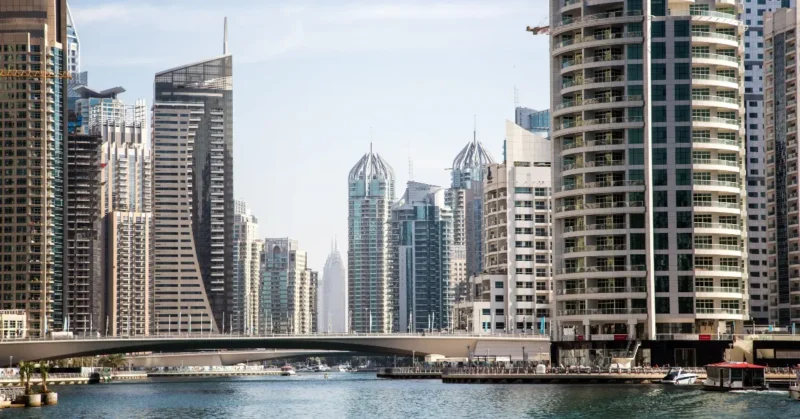
Step 1: Understand the market to know how to sell property in UAE
Before you list to sell Dubai property, it helps to have a clear picture of current market conditions in your community. Are similar properties selling quickly or sitting on the market for months? Are asking prices broadly in line with transaction prices, or is there a gap?
You should also be clear on your own goals: your target price, your preferred timeline, and whether you have any flexibility on either. This shapes every decision that follows, from how you price the property to which offer you accept.
If you are unsure about timing, knowing the complete guide to selling property in Dubai helps you decide. Also, an agent active in your community can give you an honest read on current demand before you commit to listing.
Step 2: Get a property valuation
A realistic valuation is the foundation of a successful sale. An overpriced property will attract fewer viewings, sit longer on the market, and often end up selling at a lower price after one or more reductions. This undermines confidence from buyers who wonder why it has been listed for so long.
A good agent will provide a market appraisal based on recent comparable transactions in your building or community. For certain sales, particularly those involving buyer mortgages, a formal valuation may also be required.
If you want to find out what your property is worth before you speak with an agent, Property Finder’s Sell or Rent My Property gives you access to valuation tools for an initial indication to work from.
Step 3: Choose and appoint a licensed agent
Choosing the right agent is one of the most consequential decisions in the selling process. An agent who specialises in your community understands the pricing dynamics, has relationships with active buyers, and knows how to position your listing effectively. They will also inform you of the cost of selling property in Dubai to be well prepared for the process.
All agents operating in Dubai must be registered with the Real Estate Regulatory Agency (RERA) and hold a valid broker card. You can verify Dubai broker e-cards through the Dubai REST App. Agents in other emirates must hold the relevant licence from their local authority. Always ask to see an agent’s licence before signing a listing agreement.
Find the right agent through Property Finder
Property Finder’s Sell or Rent My Property feature connects sellers with verified, licensed agents who specialise in their specific community. You submit your property details, and matched agents contact you directly.
This is the fastest way to find a qualified local agent before you begin the selling process.
Step 4: Prepare your property and sign the listing agreement
In Dubai, once you have chosen your agent, you will sign a Form A listing agreement, the RERA-approved document that formalises the relationship and authorises your agent to market the property on your behalf. Check that the agreement specifies the listing price, the agent’s commission, and the duration of the exclusive listing period.
Before viewings begin, it is worth attending to the condition of the property. Clean, well-maintained properties with neutral presentation tend to attract stronger offers. Your agent can advise on how to get your home ready to sell and what, if anything, is worth addressing before the first viewing.
Step 5: Market your property and conduct viewings
Your agent will list the property on Property Finder, prepare photographs and a listing description, and begin marketing to their buyer network. High-quality listing photography is one of the most effective ways to increase the number of enquiries your property receives.
Typically, your agent arranges and manages viewings. They will qualify buyers before bringing them to the property and provide feedback after each viewing. During this period, your agent keeps you updated on interest levels and any patterns in buyer feedback that might suggest a pricing adjustment is needed.
Step 6: Negotiate and accept an offer
When a buyer makes an offer, your agent will present it to you along with their recommendation. Negotiations often involve price, payment terms (cash versus mortgage), and the proposed timeline to transfer.
Your agent’s role is guiding you on how to sell property in UAE and to protect your interests while keeping the transaction moving. A skilled negotiator will identify serious buyers, manage expectations on both sides, and avoid common sticking points that cause deals to fall through.
Once you reach an agreement, both parties confirm the terms in writing before moving to the MOU stage.
Step 7: Sign the Memorandum of Understanding (MOU)
The Memorandum of Understanding, commonly known as Form F in Dubai, is the formal sales agreement between you and the buyer. It sets out the agreed purchase price, the transfer date, the deposit amount (typically 10% of the purchase price), and any conditions of the sale.
The buyer pays a deposit at this stage, which is held against the transaction. If the buyer withdraws without grounds after signing the MOU, you may be entitled to retain the deposit. If you withdraw, you may be required to return double the deposit amount. Your agent will advise on the specific terms.
Step 8: NOC, mortgage settlement, and DLD transfer
The final stage involves three parallel processes, all of which your agent coordinates:
- NOC from the developer: If the property is in a strata development, you need a No Objection Certificate from the developer confirming there are no outstanding service charges or disputes. The developer charges a fee for this, and the amount varies.
- Mortgage settlement (if applicable): If your property has an outstanding mortgage, you must obtain a liability letter from your lender, settle the balance, and receive a mortgage release before the transfer can proceed.
- DLD transfer: Once the NOC and any mortgage release are in place, both parties attend a Dubai Land Department trustee office to complete the ownership transfer. The title deed is issued to the buyer on the same day.
Outside Dubai, the transfer process follows the relevant emirate authority’s procedures. Your agent will guide you through the specific requirements for your location.

Costs involved when selling property in the UAE
Sellers in the UAE are responsible for several costs over the course of a sale. The table below covers the main items. For a detailed breakdown, speak with your agent. Costs vary depending on the emirate, developer, and whether there is a mortgage.
| Cost Item | Paid by | Notes |
| Agent commission | Seller | Agreed between seller and agent; confirm current market rate with your agent |
| DLD transfer fee (4%) | Buyer (typically) | Paid to the Dubai Land Department at transfer; confirm who pays in your MOU |
| NOC fee | Seller | Charged by the developer; amount varies by developer |
| Mortgage settlement / release fee | Seller (if applicable) | Required if the property has an outstanding mortgage; charged by the lender |
| Trustee office fee | Buyer (typically) | Fixed fee paid at the DLD trustee office at transfer |
| Property valuation fee | Seller (optional) | Required for some mortgage-linked transactions; otherwise optional |
Note: The allocation of costs such as the DLD transfer fee is often a point of negotiation between buyer and seller. Your agent will advise on current market practice.
Selling property in the UAE is a structured process. Having the right agent at each stage makes a material difference to the outcome. From pricing and marketing to negotiation and transfer, a knowledgeable, licensed agent handles the complexity so you do not have to.

Key takeaways
- Selling property in the UAE follows a consistent eight-step process: market assessment, valuation, agent appointment, listing, viewings, offer, MOU, and DLD transfer.
- The right agent, one who specialises in your community, is the single biggest factor in a faster sale and a better outcome.
- Use Property Finder’s Sell or Rent My Property feature to connect with verified, licensed agents who know your area before you begin.
- Costs for sellers include agent commission, the NOC fee, and mortgage settlement if applicable. The buyer typically pays the DLD transfer fee.
- A straightforward cash-to-cash sale can complete in a matter of weeks; mortgage-linked transactions take longer. Your agent will guide you through the specific timeline.
FAQs
You can sell privately, but working with a licensed agent is strongly recommended. Agents manage the DLD transfer process, NOC applications, negotiations, and legal paperwork, which requires local regulatory knowledge.
Main costs for sellers are agent commission, NOC fee from the developer, and any outstanding mortgage settlement. The DLD transfer fee (4% of the purchase price) is typically paid by the buyer but can be negotiated. Consult your agent for a cost breakdown.
A cash-to-cash sale with no mortgage complications typically takes several weeks to a few months. Mortgage-linked sales take longer due to the additional steps involved for both buyer and seller.
A No Objection Certificate (NOC) is a document issued by your building developer confirming there are no outstanding service charges, penalties, or disputes associated with your unit. Without it, the DLD will not process the ownership transfer. Your agent applies for the NOC once a buyer is found and the MOU is signed.
Form F is the standard Memorandum of Understanding used in Dubai property transactions. It is a RERA-approved agreement that sets out the purchase price, payment terms, transfer date, and deposit amount agreed between buyer and seller.
Yes. You will need to obtain a liability letter from your lender, settle the outstanding balance, and receive a mortgage release before the title deed can be transferred to the buyer.
Look for an agent with recent sales in your specific community and a strong local track record. Property Finder’s Sell or Rent My Property feature connects you with verified agents so you can compare and choose with confidence.