


If you are asking why invest in Dubai real estate, you are not alone. Over the past few years, Dubai has transformed into one of the world’s most attractive destinations for property investment. Strong rental returns, tax efficiency, population growth, and long-term urban planning have positioned the emirate as a global real estate powerhouse.
Backed by transparent regulations and ambitious development strategies, Dubai’s property market continues to attract investors from Europe, Asia, Africa, and beyond. Whether you are seeking rental income, capital appreciation, or portfolio diversification, Dubai offers compelling reasons to enter the market.
- High Rental Yields and Strong Income Streams
- Tax Advantages and Investor-Friendly Policies
- Capital Appreciation and Market Growth
- Rapid Population Growth and Housing Demand
- World-Class Infrastructure and Long-Term Planning
- Stability, Safety, and Clear Regulations
- Strategic Location and Global Connectivity
- Diverse Investment Options and Flexible Entry Points
- Key Takeaways
- FAQs
1. High Rental Yields and Strong Income Streams
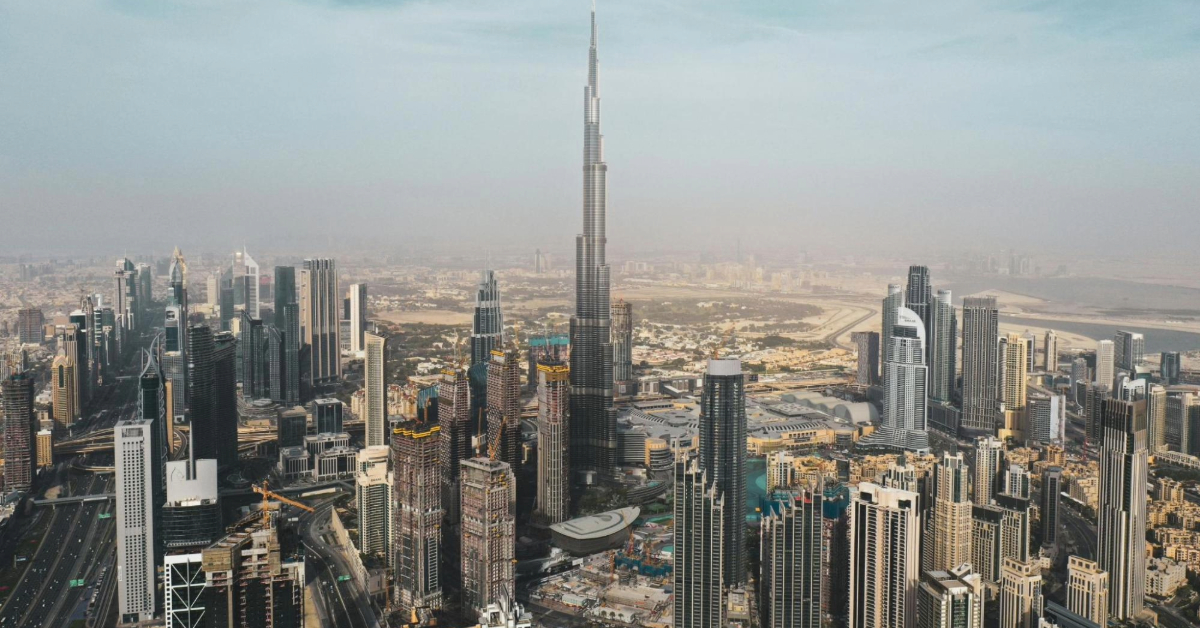
One of the clearest answers to why invest in Dubai real estate lies in rental performance. Dubai consistently delivers rental yields averaging around 6–8%, outperforming many mature global cities.
Apartments typically generate higher returns, often around 7% or more in prime areas. Villas tend to offer slightly lower yields, usually around 5–6%, but may benefit from stronger long-term appreciation.
Demand remains robust due to a steady inflow of expatriates, professionals, and tourists. Low vacancy rates in popular communities help maintain stable income streams. Investors seeking recurring returns often prioritise centrally located apartments in areas such as Dubai Marina or Downtown Dubai, where rental demand stays consistently high.
Explore the Available Apartments for Sale in Downtown Dubai
-
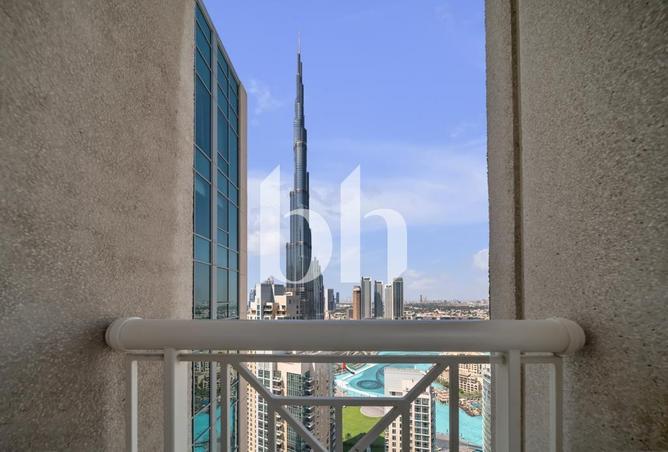

Apartment
Listed 2 months ago
2,500,000 AED
Luxury Upgraded | Top Floor | Burj View
29 Burj Boulevard Tower 1, 29 Burj Boulevard, Downtown Dubai, Dubai
1
2
802 sqft
-
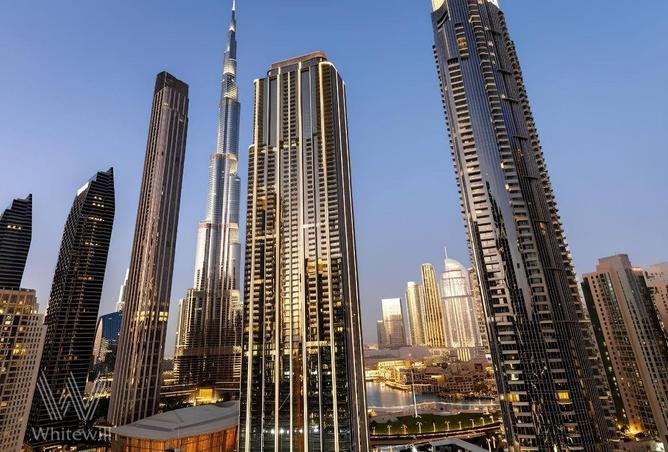

Apartment
Listed 1 month ago
3,700,000 AED
High Floor | Branded by St. Regis
The St. Regis Residences - Tower 2, St Regis The Residences, Burj Khalifa Area, Downtown Dubai, Dubai
2
3
1,349 sqft
-
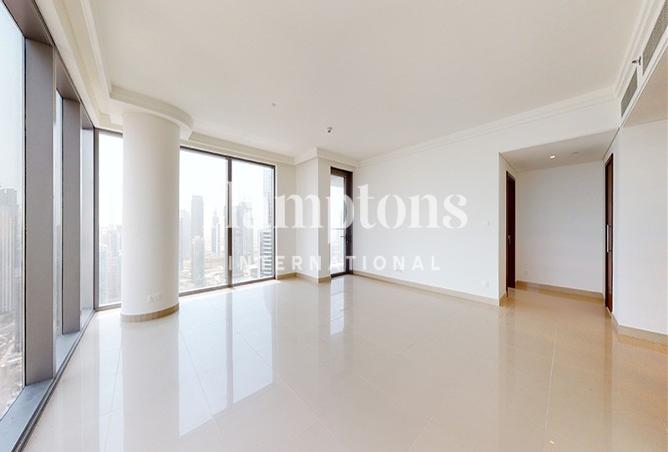
Apartment
Listed 1 month ago
4,350,000 AED
Lowest Priced 02 Series on The Market
Boulevard Point, Downtown Dubai, Dubai
2
3
1,414 sqft
-


Apartment
Listed 2 months ago
2,100,000 AED
Exclusive | Fully Furnished | Suitable for Short Term
Miska 3, Miska, Old Town, Downtown Dubai, Dubai
1
2
918 sqft
-

Apartment
Listed 3 weeks ago
3,269,000 AED
Middle Floor | Burj Khalifa District
W Residences Downtown, Downtown Dubai, Dubai
2
2
1,163 sqft
-
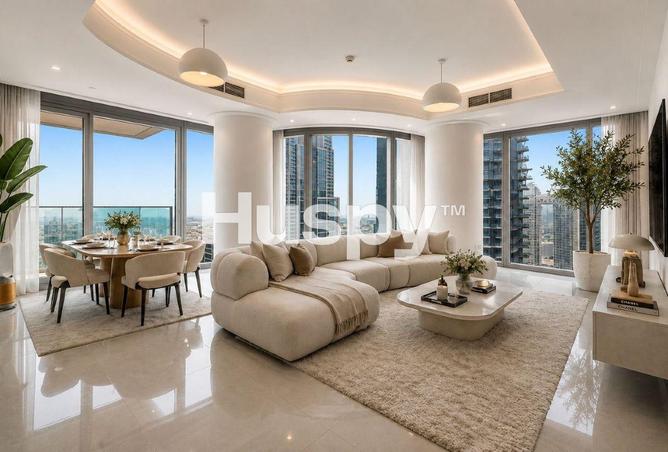

Apartment
Listed 5 days ago
4,850,000 AED
High Floor | Sky collection | Burj View
Opera Grand, Burj Khalifa Area, Downtown Dubai, Dubai
2
2
1,713 sqft
-

Apartment
Listed 2 weeks ago
7,700,000 AED
High Floor | Largest Layout | VOT
Burj Vista Tower 1, Burj Vista, Downtown Dubai, Dubai
3
4
2,109 sqft
-


Apartment
Listed 2 weeks ago
30,500,000 AED
HIGH FLOOR|BURJ KHALIFA VIEWS |NEGOTIABLE
IL Primo, Opera District, Downtown Dubai, Dubai
4
5
5,176 sqft
-


Apartment
Listed 3 days ago
4,100,000 AED
VACANT | High Floor | Boulevard View
BLVD Heights Tower 1, BLVD Heights, Downtown Dubai, Dubai
2
3
1,735 sqft
-
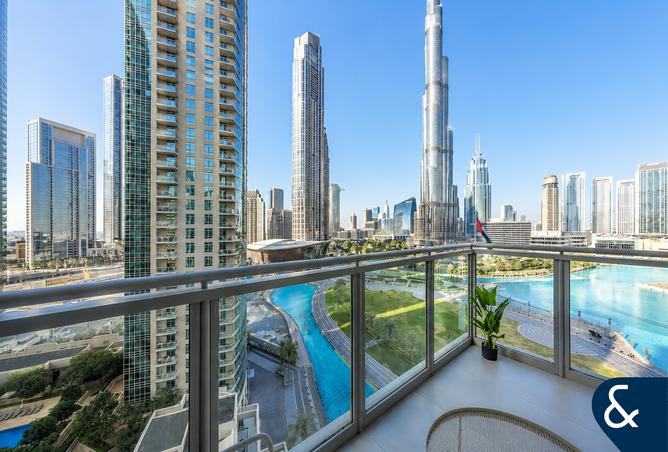

Apartment
Listed 1 week ago
5,250,000 AED
Burj Facing | Upgraded | Largest Layout
The Residences 1, The Residences, Downtown Dubai, Dubai
2
3
1,435 sqft
2. Tax Advantages and Investor-Friendly Policies
Dubai’s tax environment is a major draw. There is no personal income tax, no capital gains tax, and no annual property tax. This structure allows investors to retain a larger share of their returns than in many Western markets.
The UAE has also introduced long-term residency options linked to property investment. The Golden Visa and other residency programmes allow qualifying investors to secure multi-year residency, creating both lifestyle and financial advantages.
Foreign nationals can purchase property outright in designated freehold areas. Freehold ownership grants full rights to sell, lease, or transfer the property without requiring a local partner. This legal clarity increases confidence among international buyers.
3. Capital Appreciation and Market Growth
Another key reason to invest in Dubai real estate is its capital growth potential. Since early 2021, property prices in Dubai have experienced significant upward momentum. In certain villa communities, values have more than doubled over several years.
Market forecasts suggest continued growth, supported by strong demand and controlled supply pipelines in prime areas. While short-term fluctuations can occur, long-term investors have historically benefited from Dubai’s expansion cycles.
Luxury and waterfront properties have shown particularly strong appreciation, particularly in high-demand districts such as Palm Jumeirah.
4. Rapid Population Growth and Housing Demand
Dubai’s population has surpassed 4 million residents, reflecting consistent inward migration. Professionals, entrepreneurs, and remote workers continue relocating to the emirate for business opportunities and lifestyle benefits.
A growing population directly fuels housing demand. As more residents move to Dubai, both rental and ownership markets remain active. This demand-supply balance supports price stability and rental growth.
Long-term residency reforms and business-friendly policies further strengthen demographic expansion, creating sustained demand for residential and mixed-use developments.
5. World-Class Infrastructure and Long-Term Planning
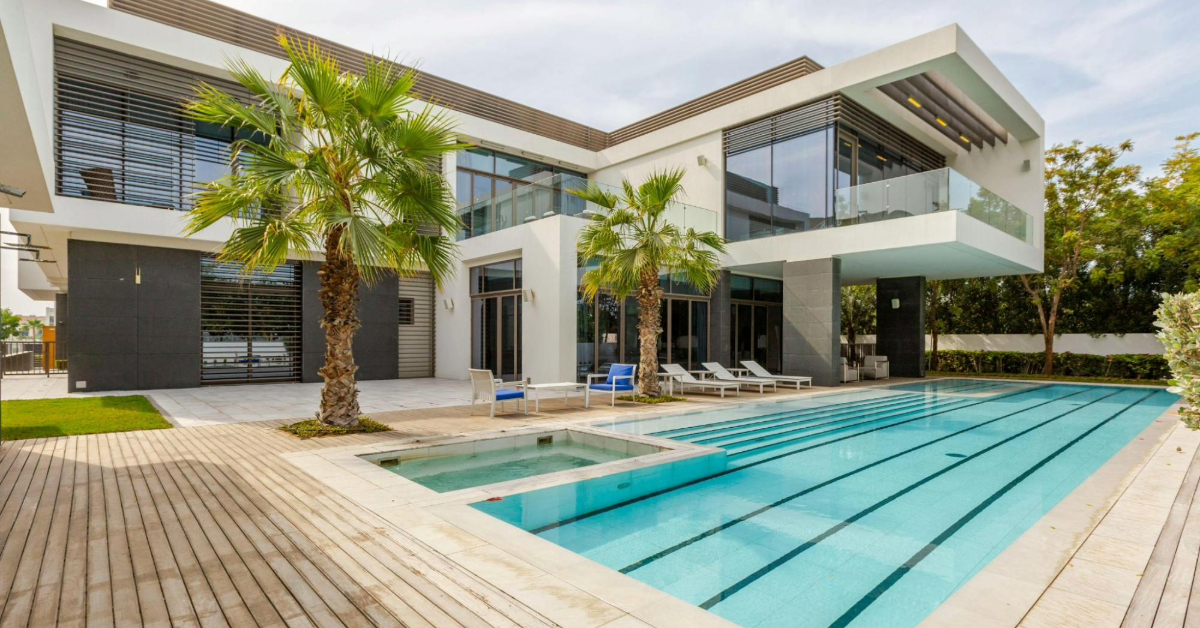
Dubai’s infrastructure development reinforces investor confidence. The emirate continues to invest heavily in transport networks, smart-city technologies, green initiatives, and large-scale master-planned communities.
The Dubai 2040 Urban Master Plan outlines long-term urban expansion, focusing on sustainable development, increased green spaces, and improved connectivity. Such structured planning reduces uncertainty and enhances future property values.
Ongoing upgrades to roads, metro networks, and lifestyle districts contribute to consistent market appeal. Investors benefit from infrastructure-led appreciation in emerging communities.
6. Stability, Safety, and Clear Regulations
Dubai is widely recognised for its political stability, low crime rates, and transparent legal framework. These factors create a secure environment for property ownership.
The Dubai Land Department and the Real Estate Regulatory Agency oversee transactions, licensing, and developer compliance. Their regulatory oversight promotes transparency and protects investors.
Clear procedures for title registration, escrow accounts for off-plan projects, and regulated brokerage practices minimise risk. For international investors, regulatory clarity is often a decisive factor.
7. Strategic Location and Global Connectivity
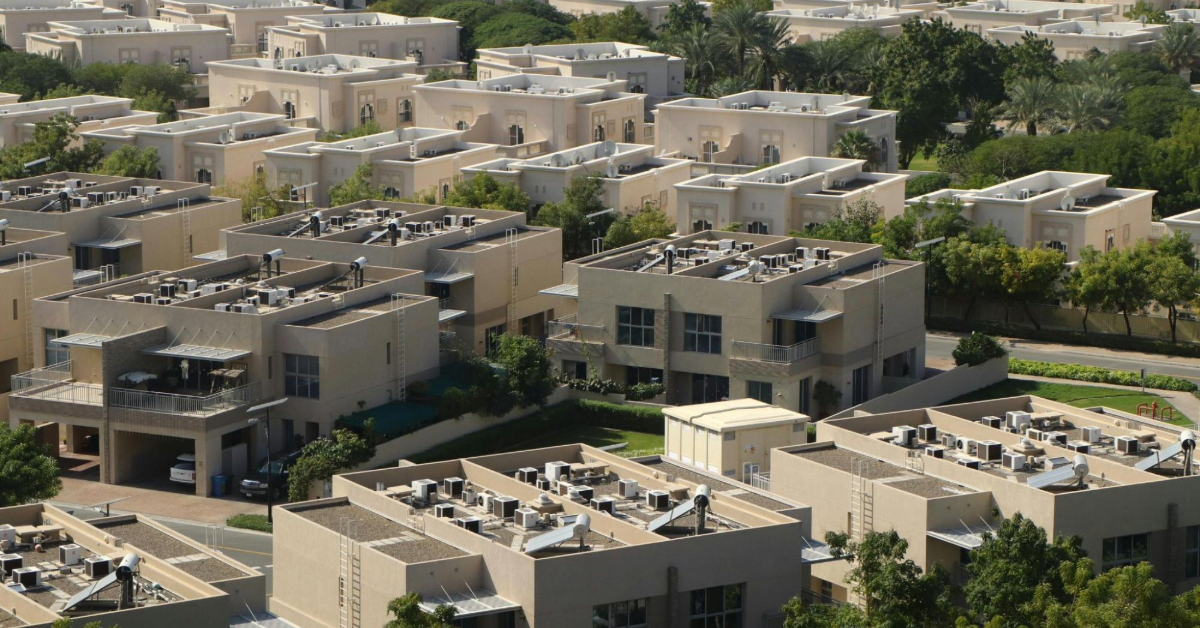
Dubai’s geographical position between Europe, Asia, and Africa enhances its global appeal. The emirate serves as a major transit hub for business and tourism.
Record-breaking visitor numbers each year support both short-term and long-term rental markets. Corporate relocations and the establishment of multinational headquarters further boost demand for premium residential units.
The city’s international reputation, combined with lifestyle offerings and connectivity, makes it attractive not only for investment but also for relocation.
8. Diverse Investment Options and Flexible Entry Points
Dubai offers a wide spectrum of property types. Investors can choose from luxury waterfront villas, high-rise penthouses, affordable apartments, and commercial spaces.
Off-plan properties often come with structured payment plans, reducing upfront capital requirements. Mortgage options vary depending on residency status and financial profile, offering flexibility for different investment strategies.
This diversity allows investors to tailor their portfolios to risk tolerance, yield targets, and long-term goals. Whether entering at a mid-market price point or targeting prime luxury segments, Dubai accommodates a range of budgets.
Key Takeaways
For those considering why invest in Dubai real estate, the fundamentals remain strong. Competitive rental yields, a tax-efficient environment, and ongoing population growth create consistent demand. Capital appreciation trends, infrastructure expansion, and government-backed master planning support long-term value. Clear regulations and ownership rights enhance investor protection, while a diverse property landscape allows flexible entry. Together, these factors position Dubai as one of the most compelling real estate markets globally.
FAQs
Freehold zones are designated areas where foreign nationals can own property outright, with full rights to sell, lease, or transfer ownership without a local partner.
Investment thresholds can change. Generally, property investments starting from around AED 750,000 may qualify for certain residency options, while higher tiers, often around AED 2 million, may qualify for longer-term visas. Always verify current criteria with official sources.
Dubai has no personal income tax, capital gains tax, or annual property tax. However, buyers typically pay a 4% registration fee to the Dubai Land Department, as well as potential VAT on certain transactions and ongoing service charges.
Apartments in established districts such as Dubai Marina and Downtown Dubai often achieve higher rental returns. Villas may yield slightly less but can benefit from stronger appreciation in premium communities.
Potential risks include oversupply in specific segments, interest rate changes for financed purchases, and short-term market fluctuations. Careful research, selection of regulated projects, and alignment with demand trends are essential for mitigating risk.