



Dubai’s retail landscape is entering a new phase, with new malls in Dubai set to open between 2026 and 2028, including community-focused neighbourhood malls, large mixed-use retail hubs, and major upgrades to existing mega malls.
Rather than simply building bigger shopping centres, developers are shifting toward wellness-driven design, outdoor experiences, and mixed-use retail that serves growing residential districts. This reflects how people in Dubai now shop, dine, and socialise.
This guide looks at confirmed new malls opening in 2026, next-generation retail projects launching after 2026, and major expansions already underway.
- Dubai’s Retail Expansion: 2026–2028
- Major New Malls Opening in 2026
- Next-Generation Mega Retail Projects (Beyond 2026)
- Major Expansions & Renovations of Existing Malls
- Comparison: Key Mall Projects (2026–2028)
- What These New Malls Mean for Residents & Property Values
- Key Takeaways
- FAQs
Dubai’s Retail Expansion: 2026–2028
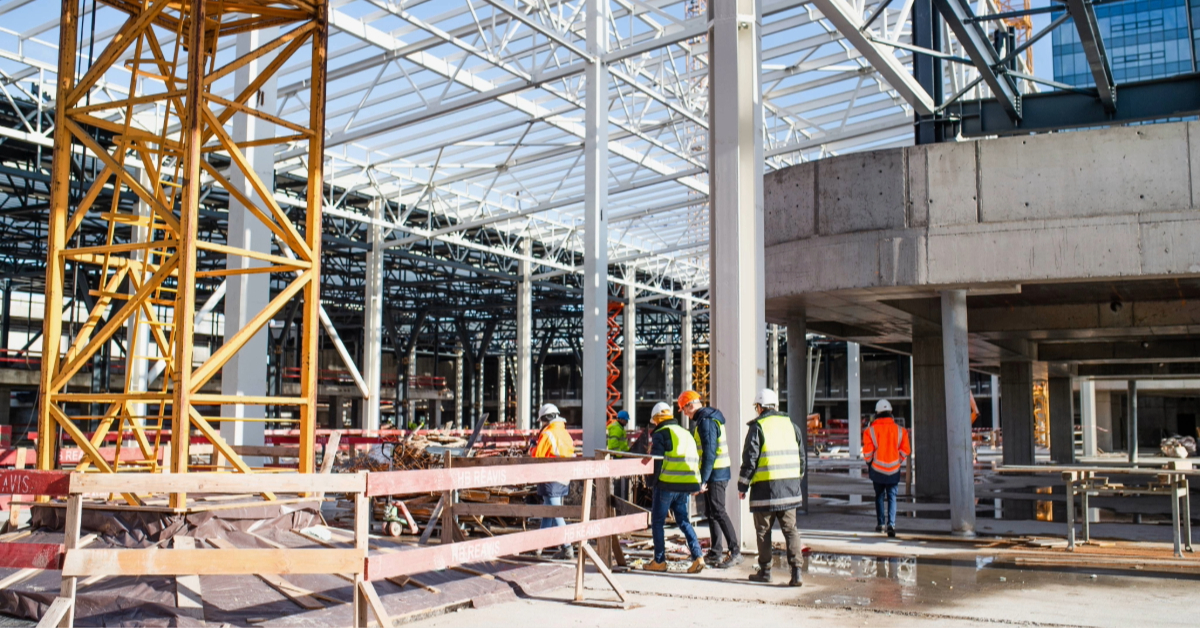
Dubai’s next wave of mall development marks a shift away from traditional, enclosed mega malls toward more flexible, lifestyle-focused retail spaces. As residential communities expand outward, retail is increasingly planned into everyday neighbourhood life rather than as standalone destinations. Developers are responding to changing consumer habits, prioritising walkability, wellness, and experiences that extend beyond shopping alone.
Several trends are shaping new developments:
- Smaller, community-centric malls (roughly 50,000–350,000 sq ft) are designed to serve nearby residential clusters.
- Experiential and wellness-led design, including open-air courtyards, rooftop amenities, greenery, and biophilic elements.
- Retail-led mixed-use destinations, combining shopping with fitness, dining, healthcare, and leisure.
- Upgrades to existing mega malls, adding outdoor dining, cultural spaces, and wellness zones rather than more retail density.
These changes align with Dubai’s long-term urban planning strategy, particularly in master-planned communities and fast-growing suburbs.
Major New Malls Opening in 2026
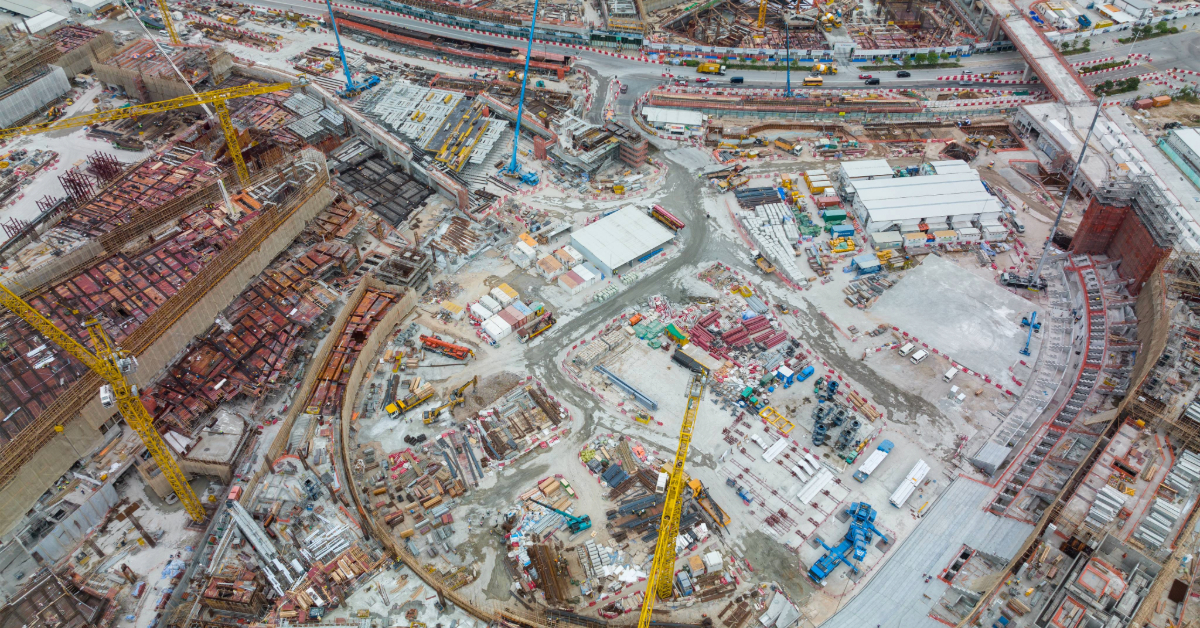
Several mid-sized retail projects are scheduled to open in 2026, primarily in developing residential zones. These malls are designed to serve local communities rather than compete with Dubai’s established retail giants. The focus is on convenience, lifestyle services, and curated tenant mixes that reflect daily needs, such as supermarkets, cafés, fitness spaces, and family-friendly dining, while still offering a destination feel for nearby residents.
1. Sobha Mall (Sobha Hartland)
Sobha Mall is planned as a neighbourhood-focused retail destination serving the growing Sobha Hartland community. Rather than a large-scale shopping centre, it is designed around everyday convenience, dining, and leisure. The mall aims to become a walkable lifestyle hub for nearby residents.
- Size: ~339,000 sq ft built-up; ~115,000 sq ft leasable
- Features: Supermarket, fitness facilities, family entertainment zones, and 35 curated retail units
- Why it matters: Supports the growing Sobha Hartland residential community with daily-use retail and dining.
Location
It’s located in Al Merkadh, Nad Al Sheba 1, Dubai
2. Liwan Mall (Wadi Al Safa 2)
Liwan Mall is positioned as a boutique-style retail and dining destination with a strong emphasis on atmosphere and design. Inspired by Mediterranean and Spanish-style architecture, it blends shopping with outdoor cafés and landscaped spaces. The project targets residents seeking a relaxed, community-oriented mall experience.
- Size: ~113,674 sq ft
- Features: Boutique retail, cafés, landscaped walkways, Spanish-inspired architecture, and leisure-focused design
- Why it matters: Supports low-density neighbourhood living with a walkable, community-style retail destination.
Location
It’s located in Wadi Al Safa 2, Liwan, Dubai
3. Villa Square (Wadi Al Safa 5)
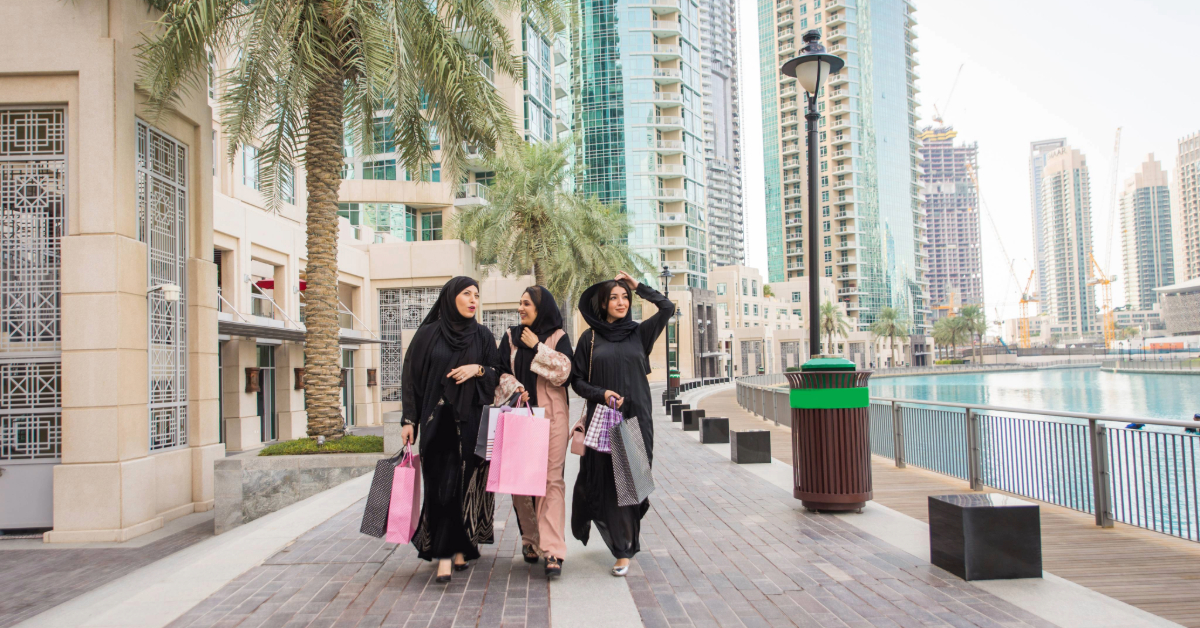
Villa Square is a wellness-led retail concept designed to complement low-density residential living. The mall focuses on open-air layouts, curated retail, and family-friendly dining rather than high retail density. It is expected to appeal to households prioritising lifestyle and leisure over traditional mall shopping.
- Size: ~124,000 sq ft
- Features: Wellness-led retail, indoor–outdoor flow, family dining, and lifestyle-focused tenant mix
- Why it matters: Reflects Dubai’s shift toward wellness and lifestyle-driven retail in suburban residential zones.
Location
It’s located in Wadi Al Safa 5, Dubai
4. South Bay Mall (Dubai South)
South Bay Mall is planned as a central lifestyle destination for the rapidly expanding Dubai South area. It combines retail with leisure, health, and dining offerings to support a growing residential and business population. The rooftop and outdoor elements are intended to create a more social, destination-style experience.
- Size: ~200,000 sq ft across multiple levels
- Features: Food hall, anchor stores, outdoor leisure areas, gym, spa, and healthcare services
- Why it matters: Acts as a central retail and lifestyle hub for one of Dubai’s fastest-growing residential and employment districts
Location
It’s located in Madinat Al Mataar, Dubai South, Dubai
Next-Generation Mega Retail Projects (Beyond 2026)
Beyond 2026, Dubai is planning large-scale retail destinations that blend technology, entertainment, and urban living.
5. Dubai Square (Dubai Creek Harbour)
Dubai Square is one of Dubai’s most ambitious retail projects, conceived as a fully immersive “indoor city.” Rather than functioning as a traditional mall, it integrates retail streets, entertainment, technology, and mobility into a single environment. The project is expected to redefine large-scale retail when it opens in phases.
- Scale: ~2.6 million sq metres
- Opening: Phased launch starting around 2028
- Features: Nature-integrated retail, leisure and dining zones, experiential spaces within a forest-style setting
- Why it matters: Introduces biophilic retail design that aligns with Dubai’s sustainability and wellness-focused urban planning
Location
It’s located in Al Kheeran First, Dubai Creek Harbour, Dubai
6. Ghaf Woods Mall
Ghaf Woods Mall forms part of a forest-integrated master-planned community, placing nature at the centre of the retail experience. The development blends shopping, dining, and leisure within landscaped, green surroundings. It reflects Dubai’s shift toward biophilic design and sustainability-led retail planning.
- Size: ~2.6 million sq metres
- Features: EV-friendly streets, immersive digital retail, entertainment districts, and mixed-use components
- Why it matters: Set to redefine retail and leisure at a city scale, reinforcing Dubai’s position as a global retail destination
Location
It’s located in Ghaf Woods, E311, Sheikh Mohammed Bin Zayed Road, Dubai
Major Expansions of Existing Malls
Dubai is also investing heavily in upgrading its biggest shopping centres, shifting focus toward experience and leisure.
Dubai Mall Expansion
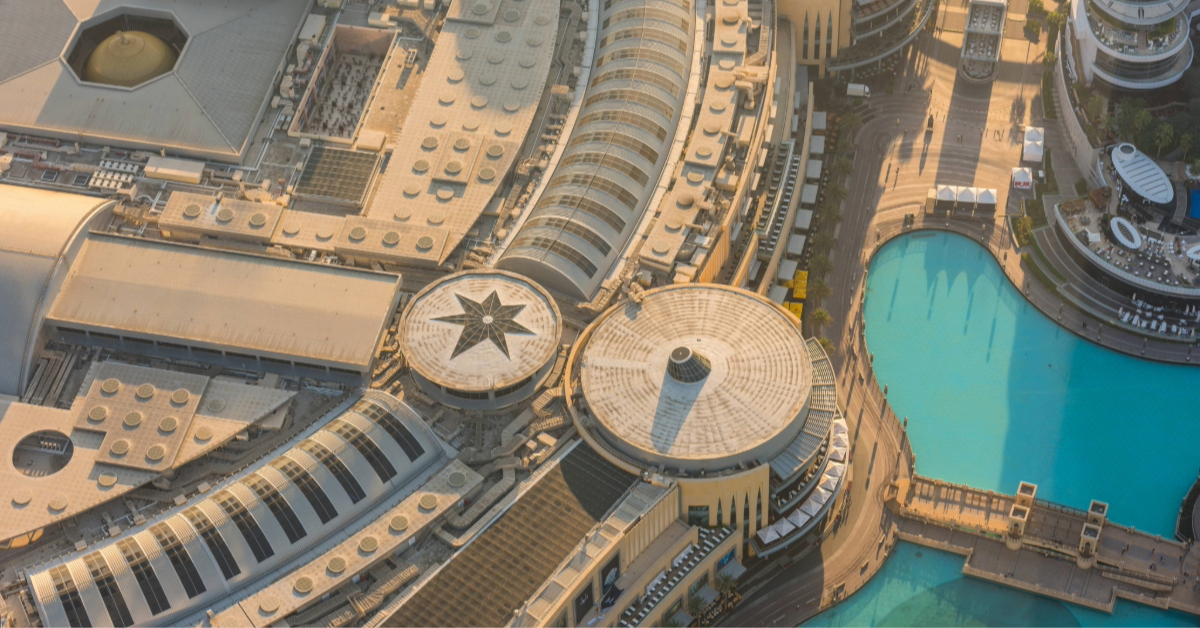
Dubai Mall’s expansion focuses on evolving the world’s most visited retail destination into a more lifestyle-driven and experiential space. Rather than simply adding more shops, the project aims to enhance how visitors spend time in the mall, with greater emphasis on dining, culture, exhibitions, and open areas that encourage longer stays and repeat visits.
- Investment: AED 1.5 billion
- Additions: 240 new luxury retail and dining outlets
- New features: Exhibition centre, outdoor zones, and expanded lifestyle precincts
Mall of the Emirates Upgrade
The Mall of the Emirates upgrade is centred on repositioning the mall as a full lifestyle and entertainment destination rather than a traditional indoor shopping centre. The revamp prioritises outdoor experiences, dining-led spaces, and wellness offerings, reflecting changing consumer preferences and Dubai’s shift towards more social, experience-driven retail environments.
- Budget: AED 5 billion redevelopment
- Retail growth: ~100 new stores
- What’s coming: Outdoor dining courtyard (from early 2027), wellness club, theatre, and upgraded entertainment areas
Comparison: Key Mall Projects (2026–2028)
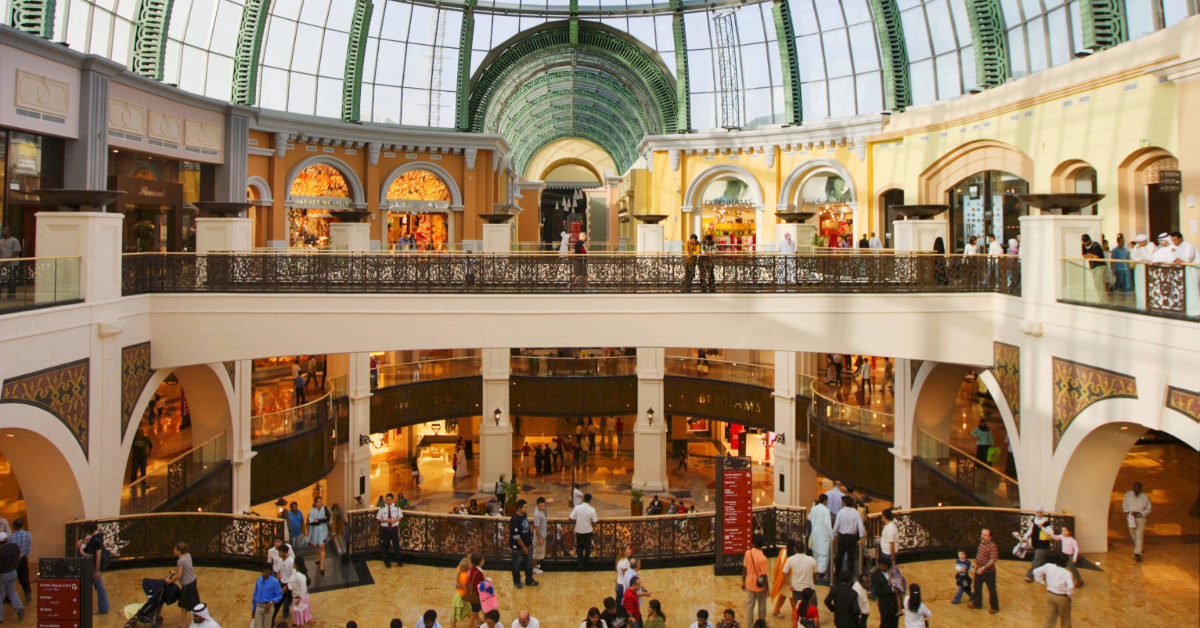
While each of these projects differs in scale and concept, comparing them side by side helps clarify what they are designed to deliver. Some are built to support daily life in growing residential communities, while others aim to become landmark destinations that reshape how people shop, dine, and spend leisure time in Dubai.
| Mall | Location | Expected Opening | Key Focus |
|---|---|---|---|
| Sobha Mall | Sobha Hartland | Late 2026 | Community retail, family services |
| Liwan Mall | Wadi Al Safa 2 | 2H 2026 | Boutique cafés, design-led |
| Villa Square | Wadi Al Safa 5 | Q3 2026 | Wellness, indoor-outdoor flow |
| South Bay Mall | Dubai South | 2026 | Food hall, lifestyle services |
| Ghaf Woods Mall | Sheikh Mohammed bin Zayed Rd | ~2026 | Forest-integrated retail |
| Dubai Square | Dubai Creek Harbour | From 2028 | Mega indoor city retail |
What These New Malls Mean for Residents & Property Values
New retail developments planned for 2026 and beyond are designed to support everyday living rather than just destination shopping. For residents and property buyers, this shift brings several practical benefits:
For residents
- Easier access to daily essentials, cafés, gyms, clinics, and services within nearby neighbourhoods.
- Shorter travel times as community malls reduce dependence on major retail hubs.
- More outdoor and wellness-focused spaces that support walkable, lifestyle-led communities.
- Better day-to-day convenience for families, professionals, and remote workers.
For renters
- Homes near new malls often attract stronger tenant demand due to convenience.
- Communities with retail and dining options tend to lease faster and remain competitive.
- Lifestyle amenities increasingly influence rental decisions, especially for long-term tenants.
For property owners and investors
- Proximity to modern retail centres can support stable rental yields
- New malls often signal long-term infrastructure investment in the surrounding area
- Residential developments near active retail nodes typically benefit from improved market appeal
Overall, Dubai’s newer mall developments are less about scale and more about integration. By anchoring retail within growing residential zones, these projects help shape more self-contained, desirable neighbourhoods.
Key Takeaways
Dubai’s upcoming malls reflect a clear shift in how retail spaces are designed and used. Community malls will dominate 2026 openings, particularly in suburban and master-planned areas. At the same time, mega projects like Dubai Square are redefining what large-scale retail can look like after 2026.
Wellness, sustainability, outdoor spaces, and experience-led design are no longer optional; they are central to Dubai’s future retail strategy.
FAQs
Liwan Mall is expected to open in the second half of 2026.
A 2.6 million–sq m indoor city-style retail destination at Dubai Creek Harbour, launching in phases from around 2028.
They focus more on lifestyle, wellness, outdoor areas, and community use than on retail volume alone.
Wadi Al Safa, Sobha Hartland, Dubai South, and Dubai Creek Harbour.
Yes. New malls typically increase demand and appeal for nearby residential communities.
Mostly residents. Many are designed for everyday shopping, dining, and local services rather than tourism.