


In the heart of the Northern Emirates, the Sharjah Livestock Market stands as a state-of-the-art facility that seamlessly blends traditional trade with modern infrastructure. This market is more than just a place of commerce; it is a vital community hub, especially during religious festivities. Spanning approximately 170,000 square metres, the market has been designed to meet the highest international standards of hygiene and efficiency. Whether you are a first-time visitor or a regular patron, understanding the layout and services of the Sharjah cattle market is essential for a smooth experience.
- A Strategic Landmark in Al Saja’a Industrial Area
- Diversity of Livestock and Market Sections
- Comprehensive Facilities for Traders and Visitors
- Advanced Veterinary Care and On-Site Laboratories
- State-of-the-Art Slaughterhouse Operations
- Professional Staffing and Hygiene Standards
- Regular Timings and Operational Hours
- Navigating the Market During Eid Al-Adha
- Slaughter Fees and Service Costs
- Smart Services: Pre-Booking and Home Delivery
- Practical Tips for a Successful Visit
- Key Takeaways
- FAQs
A Strategic Landmark in Al Saja’a Industrial Area
The Sharjah Livestock Market is strategically positioned in the Al Saja’a Industrial area, making it highly accessible for residents across the emirate and beyond. Located on the E611 (Emirates Transit Road) at the crucial junction of Al Dhaid Road, the market serves as a central gateway for livestock trade in the region. Owned and operated by the Sharjah Asset Management Company, the investment arm of the Government of Sharjah, the facility represents a significant leap forward in urban planning and food security.
Explore the Available Properties for Sale in Al Dhaid
-
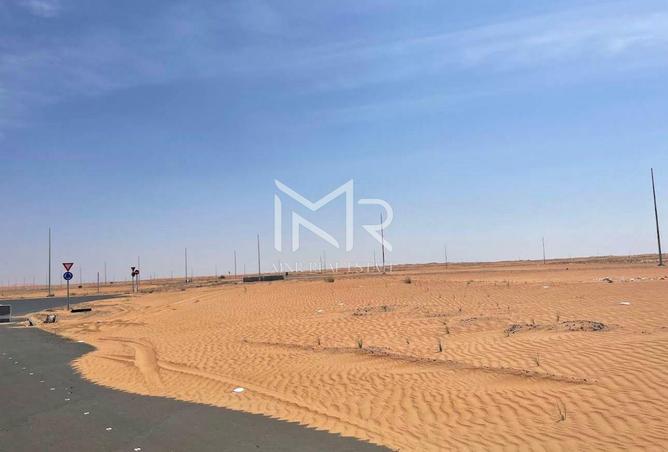

Land
Listed 1 week ago
800,000 AED
Prime Industrial |Corner Plot | High ROI Potential
Al Dhaid, Sharjah
10,000 sqft
-


Land
Listed 4 days ago
600,000 AED
For Sale | 3 Commercial Plots in Al Dhaid, Sharjah
Al Dhaid, Sharjah
3,443 sqft
-

Land
Listed 4 days ago
290,000 AED
For Sale | 3Commercial Plots in Al Dhaid.
Al Dhaid, Sharjah
3,400 sqft
-

Land
Listed 2 weeks ago
600,000 AED
For sale: Prime residential land in Sharjah – Suha
Al Dhaid, Sharjah
3,443 sqft
-
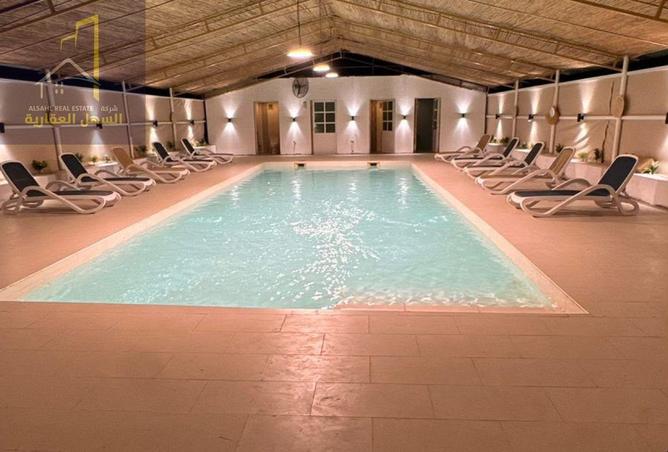
Whole Building
Listed 1 month ago
5,300,000 AED
Commercial Property & Investment Farm
Al Dhaid, Sharjah
7+
7+
120,000 sqft
Diversity of Livestock and Market Sections
The market is meticulously partitioned to accommodate a vast range of animals, ensuring that shoppers can find exactly what they need in a structured environment. There are approximately 140 shops dedicated to sheep and goats, which remain the most sought-after livestock. Additionally, the market features 26 cattle shops and 12 specialised shops for camels. For those interested in smaller livestock, the poultry section is impressive, boasting around 74 shops for birds and chickens. This diversity ensures that the market remains a one-stop destination for all livestock requirements, whether for personal consumption or larger community events.
Comprehensive Facilities for Traders and Visitors
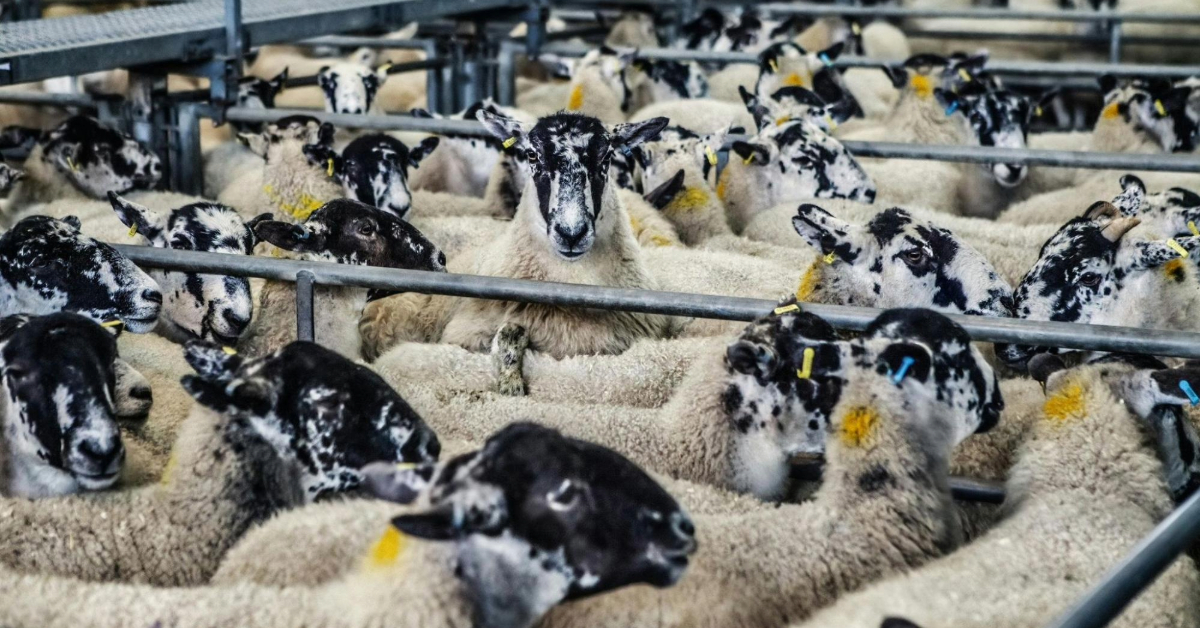
Beyond the sale of animals, the facility is equipped with secondary shops that support the livestock ecosystem. This includes 44 fodder and feed shops, ensuring that buyers can purchase nutrition for their animals immediately. The site also incorporates 34 multi-use shops and 30 nurseries. For those interested in the social and cultural aspects of the trade, there is a dedicated auction yard and a Friday market area that often sees a surge in local activity. These traditional auctions remain a highlight for residents who enjoy the authentic atmosphere of Emirati trade.
Advanced Veterinary Care and On-Site Laboratories
One of the standout features of the Sharjah Livestock Market is its commitment to animal welfare and public health. The site hosts a fully equipped laboratory and a professional veterinary clinic. These facilities offer a range of services, including surgery, X-rays, and specialised examination rooms. There are even care incubators for young or vulnerable animals. This rigorous oversight ensures that every animal sold within the market has undergone health checks, providing peace of mind to buyers who prioritise quality and food safety.
State-of-the-Art Slaughterhouse Operations
The market’s slaughterhouse is a marvel of modern engineering, capable of processing approximately 240 to 250 head of livestock per hour. For larger animals, such as camels and cows, the facility can handle 25 animals per hour on a specialised line. The layout is designed to be highly efficient, featuring eight waiting pens for larger cattle and six for sheep. To maintain the highest standards of freshness, the facility includes four massive cold rooms with a combined capacity to store roughly 1,000 carcasses. This infrastructure is essential for maintaining the supply chain for commercial properties in Sharjah that operate in the food and beverage sector.
Explore the Available Commercial Properties for Rent in Sharjah
-
Warehouse
Listed 1 week ago
135,000 AED/year
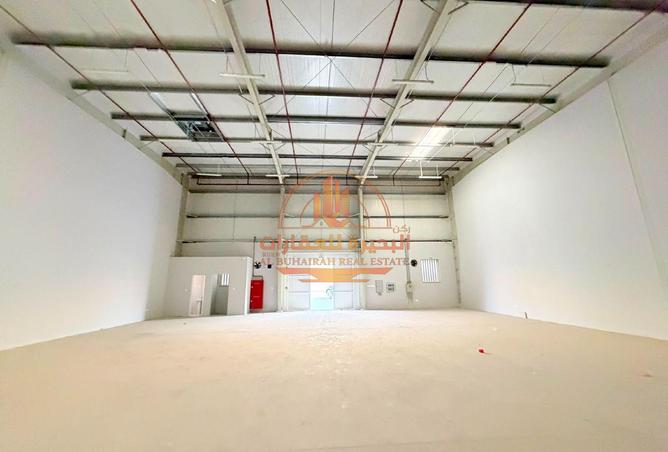
Brand New-22kva Electric-Ready to move-Road locate
Al Sajaa S, Al Sajaa, Sharjah
1
4,000 sqft
-


Land
Listed 2 weeks ago
170,000 AED/year
10000 sqft / 25 kw/ 2 offices / prime location
Al Sajaa Industrial, Al Sajaa, Sharjah
10,000 sqft
-


Warehouse
Listed 2 months ago
242,434 AED/year
DIRECT | WAREHOUSE | 43 AED/SQF | FREE PERIOD
Al Sajaa Industrial, Al Sajaa, Sharjah
1
5,638 sqft
-
Land
Listed 2 months ago
400,000 AED/year
BRAND NEW OPEN LAND IN INDUSTRAIL AREA 12
Industrial Area 12, Sharjah Industrial Area, Sharjah
16,000 sqft
-
Warehouse
Listed 2 weeks ago
250,000 AED/year
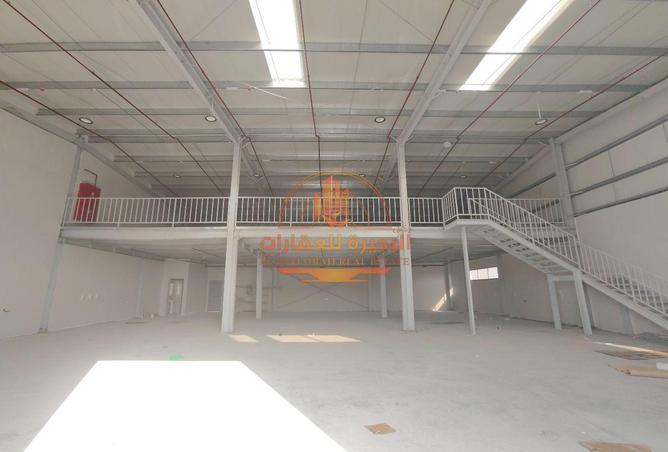
Power 50 k w/Ground Floor 5000 SQ Ft/Mezanine 2500
Al Sajaa S, Al Sajaa, Sharjah
1
7,500 sqft
-
Warehouse
Listed 2 days ago
149,999 AED/year
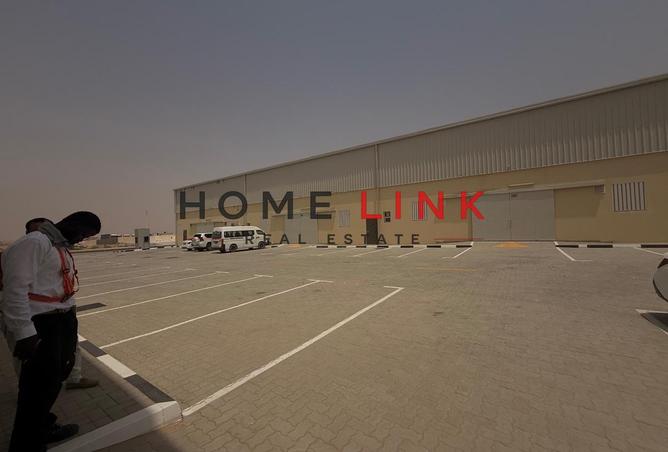
BRAND NEW WAERHOUSE With 12 KW power
Al Sajaa S, Al Sajaa, Sharjah
none
3,850 sqft
-
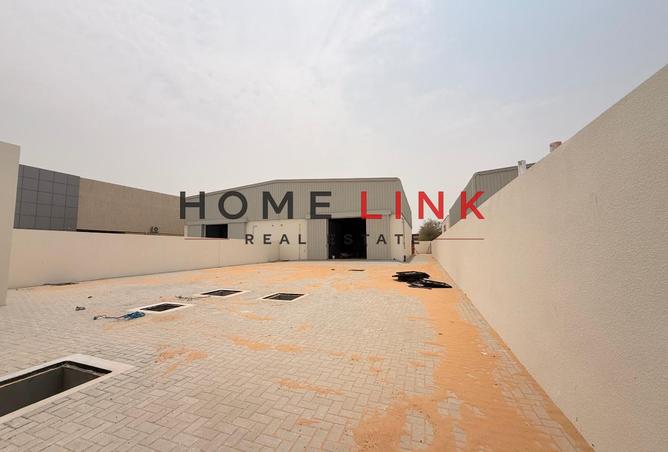
Warehouse
Listed 2 days ago
499,999 AED/year
BRAND NEW WAERHOUSE With YARD AND 40 KW POWER
Emirates Industrial City, Sharjah
none
10,000 sqft
-
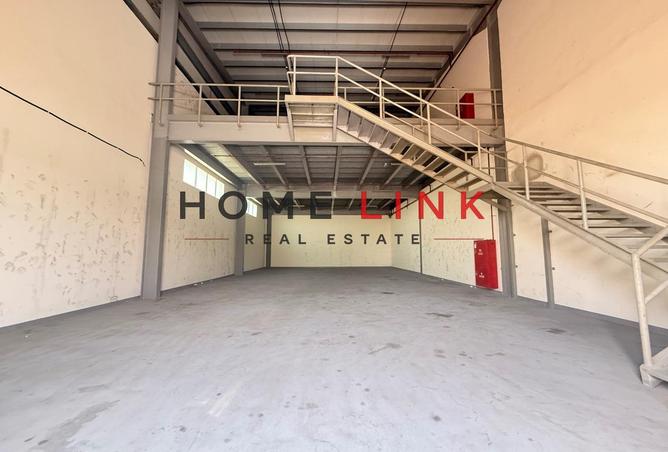
Warehouse
Listed 2 days ago
229,999 AED/year
BRAND NEW WAERHOUSE WITH READY MEZZANINE
Industrial Area 18, Sharjah Industrial Area, Sharjah
none
4,800 sqft
-
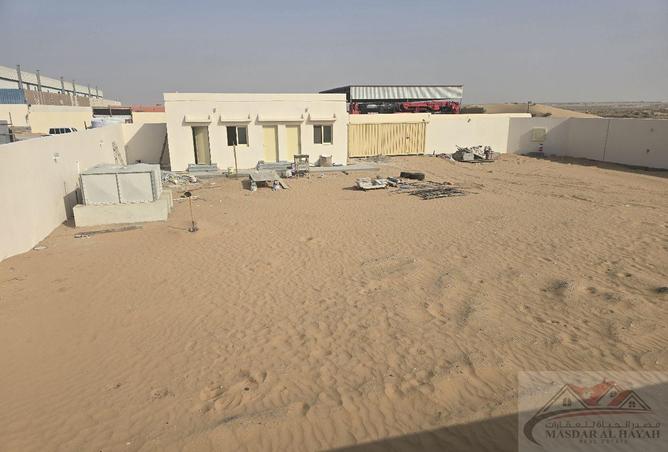

Land
Listed 2 days ago
100,000 AED/year
10,000 Sqft Commercial Land Available for rent
Al Sajaa S, Al Sajaa, Sharjah
10,000 sqft
-
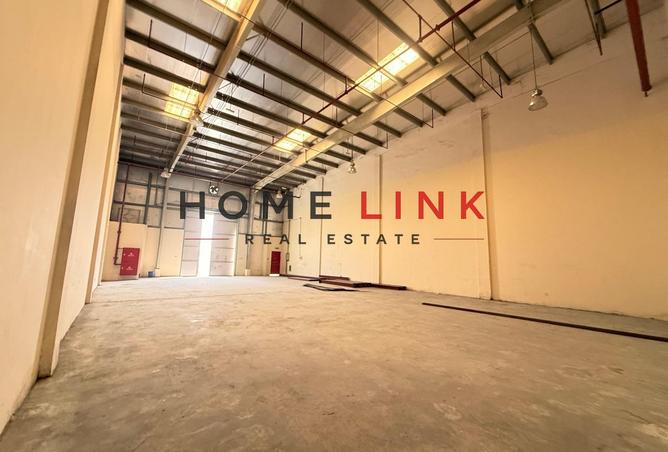
Warehouse
Listed 2 days ago
129,999 AED/year
WAREHOUSE In VERY Good Location for starting
Al Sajaa Industrial, Al Sajaa, Sharjah
none
3,210 sqft
Professional Staffing and Hygiene Standards
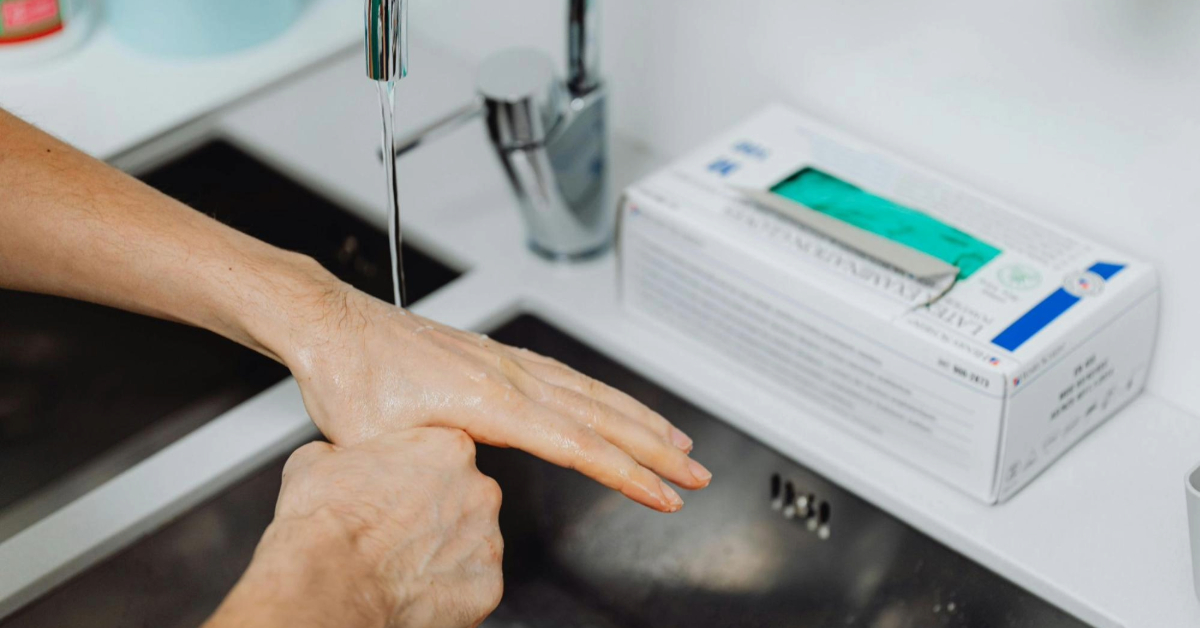
To manage such a high volume of activity, the market employs a dedicated team of professionals, including veterinarians, health inspectors, and over 55 experienced butchers. During peak seasons, the number of inspectors and supervisors is significantly increased to ensure that all health and safety protocols are strictly followed. The facility also emphasises hygiene and sterilisation, with cleaning teams working around the clock. For visitors, there is ample parking, including dedicated zones for corporate and refrigerated vehicles, as well as clear directional signage to facilitate movement throughout the large grounds.
Regular Timings and Operational Hours
The market maintains consistent hours throughout the year to serve the community. From Saturday to Thursday, the market shops are generally open from 7:00 AM to 10:00 PM, while the slaughterhouse typically operates from 7:00 AM to 6:30 PM. On Fridays, the market observes a break for prayers, opening from 7:00 AM to 11:00 AM and then reopening from 1:30 PM until 10:00 PM. The slaughterhouse follows a similar Friday split, operating in the morning and then again from 1:30 PM to 6:30 PM. Planning your visit within these windows ensures you have access to the full range of veterinary and slaughter services.
Navigating the Market During Eid Al-Adha
During the Eid Al-Adha period, the Sharjah Livestock Market transforms its operations to manage the massive influx of visitors. The market typically extends its hours, opening as early as 6:00 AM and remaining active until midnight. The slaughterhouse also adjusts its schedule, usually operating from 6:00 AM until 4:00 PM during the first days of Eid. To assist with crowd control, the management sets up waiting tents and implements separate routes for direct purchases versus pre-booked sacrifices. This level of organisation makes it one of the most efficient places to fulfil religious obligations in the Northern Emirates.
Slaughter Fees and Service Costs
Transparency is a key feature of the market’s service model, with fixed fees for slaughtering and preparation. During the festive season, these fees are clearly displayed at cashier points. For a goat or sheep, the fee is typically around 15 AED. Standard-sized cattle or camels usually range between 25 and 40 AED, while large cattle or camels are processed for a fee of approximately 70 AED. These costs cover the basic slaughtering and cleaning, ensuring that visitors can manage their budgets effectively while receiving professional service.
Smart Services: Pre-Booking and Home Delivery
In line with the UAE’s focus on digital transformation, the Sharjah Livestock Market offers smart solutions to ease overcrowding. Visitors can utilise pre-booking services for their sacrificial animals, which allows them to follow a dedicated fast-track path upon arrival. Furthermore, the market collaborates with delivery applications like ‘Buraq’ during Eid to offer home delivery services. This is particularly beneficial for those who may not have the means to transport large carcasses or who wish to avoid the busy market grounds during the peak hours of the holiday.
Practical Tips for a Successful Visit
If you are planning to visit the Sharjah cattle market, it is advisable to arrive during the early morning hours, particularly between 7:00 AM and 11:00 AM, to enjoy cooler temperatures and a wider selection of livestock. Visitors should wear comfortable, closed-toe shoes suitable for farm-like terrain and be prepared for the natural smells associated with a livestock environment. It is also essential to carry a valid ID for payment counters or when booking specific veterinary services. Whether you are searching for properties for sale in Sharjah nearby or just visiting for the day, the market provides all necessary facilities, including a mosque with a capacity for 386 worshippers.
Key Takeaways
The Sharjah Livestock Market in Al Saja’a is an exemplary facility that combines scale, technology, and traditional values to serve the diverse needs of the UAE’s population. With its vast array of livestock, professional veterinary oversight, and high-capacity slaughterhouse, it ensures a safe and efficient experience for all visitors. The integration of smart services like pre-booking and home delivery reflects the market’s commitment to modern convenience, especially during the demanding Eid Al-Adha season. By following the market’s guidelines and utilising the available professional services, residents can ensure their livestock needs are met with the highest standards of health and hygiene.
FAQs
During the Eid period, the market opens an hour earlier at 6:00 AM and stays open until midnight. The slaughterhouse also shifts its operational window to 6:00 AM until 4:00 PM to accommodate the high volume of sacrificial requests.
Slaughter fees are fixed for transparency: 15 AED for sheep or goats, between 25 and 40 AED for standard cattle or camels, and 70 AED for large cattle or camels.
Yes, the market encourages pre-booking to reduce wait times. During Eid, home delivery is also available through the ‘Buraq’ app, providing a convenient alternative to visiting the site in person.
Absolutely. All animals are under continuous veterinary supervision. The market features on-site laboratories and clinics to ensure that all livestock meets strict health and safety standards.
The market is designed for high vehicular flow with ample parking. It is located at the junction of E611 and Al Dhaid Road, with separate entry routes for different types of vehicles to prevent congestion.
Sharjah Bird Market is in the Al Jubail area and is close to Sharjah Cattle Market.